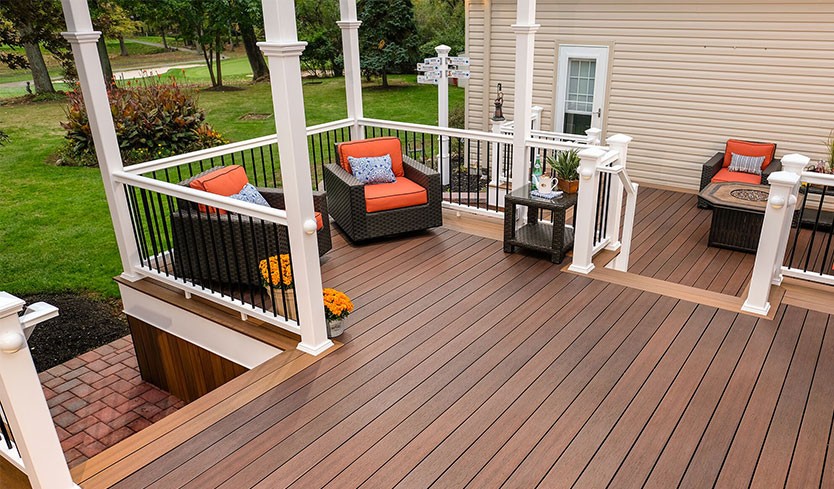
The question can composite decking be stained is one of the most common concerns among homeowners who want to refresh or customize their outdoor living space. Composite materials are widely used in modern decking systems due to their durability, low maintenance requirements, and resistance to rot and insects. However, unlike traditional wood, their surface behavior is significantly different, which raises doubts about whether color modification through staining is possible or effective.
Understanding whether can composite decking be stained requires a deeper look into how composite boards are manufactured, how their surfaces interact with coatings, and what alternatives exist for changing or restoring color. This guide provides a comprehensive, technical, and practical explanation for anyone considering modifying the appearance of composite decking.
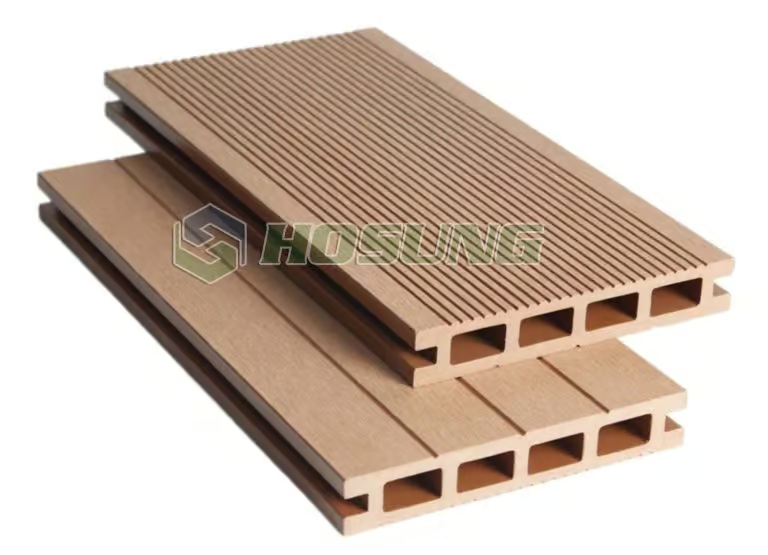
Table of Contents
What Is Composite Decking Made Of?
Composite decking is typically manufactured using a blend of:
- Wood fibers or wood flour
- Thermoplastic polymers (such as polyethylene or polypropylene)
- Additives for UV resistance and structural stability
- Surface caps or protective polymer layers (in capped systems)
This engineered structure is what makes the question can composite decking be stained more complex than it appears. Unlike natural wood, composite boards do not have open pores that readily absorb stain. Instead, they are designed to resist moisture penetration and surface degradation.
Why Staining Wood Works but Not Always Composite
To understand can composite decking be stained, it is essential to compare wood and composite behavior.
Wood Decking:
- Highly porous structure
- Absorbs oil- and water-based stains
- Color changes penetrate into fibers
- Requires periodic re-staining due to UV breakdown
Composite Decking:
- Dense, non-porous or semi-porous surface
- Engineered protective layer on top
- Minimal absorption capability
- Designed to resist surface coatings
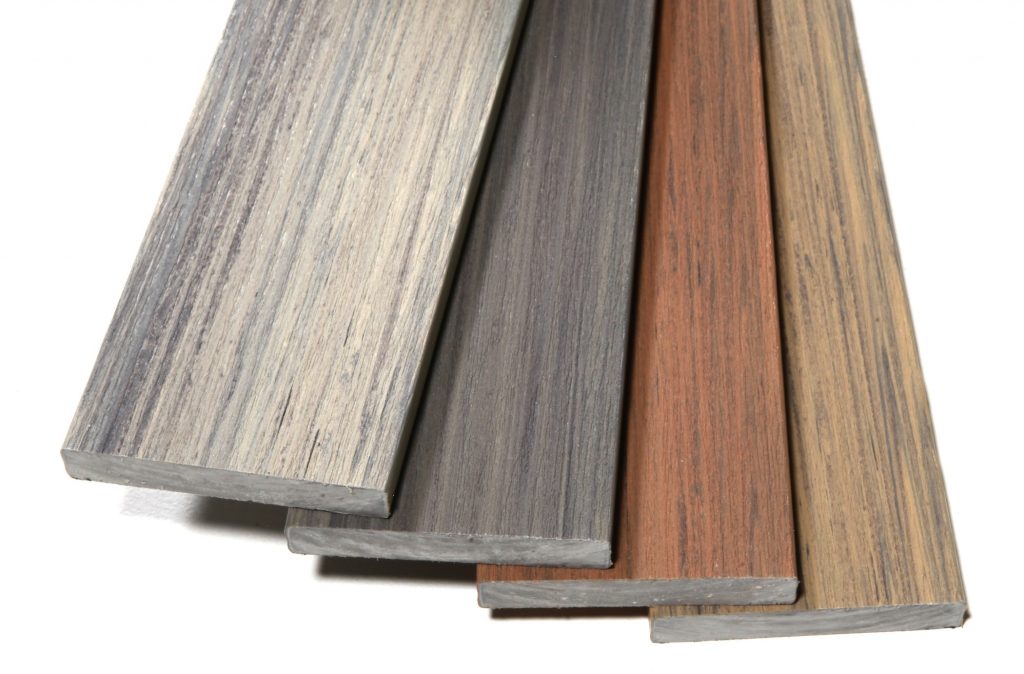
Because of these differences, the answer to can composite decking be stained is not straightforward and depends heavily on the board type and surface condition.
Can Composite Decking Be Stained in Practice?
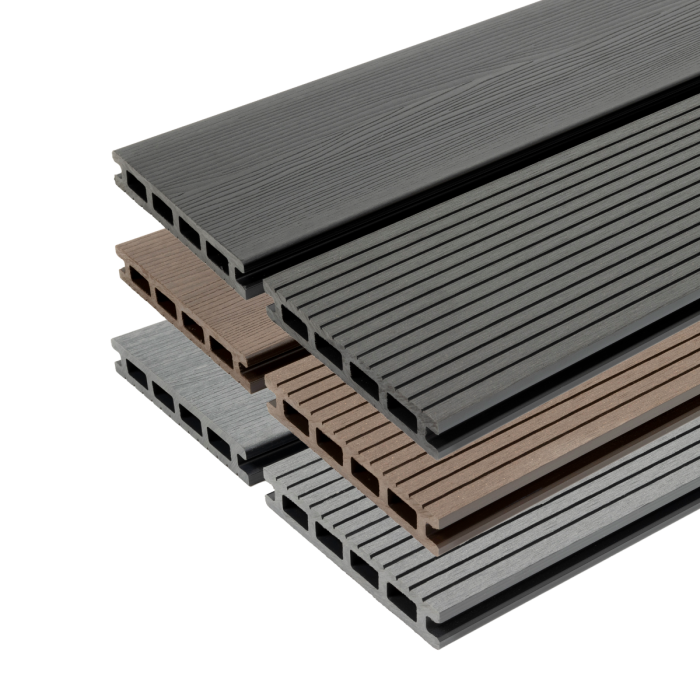
Technically, the question can composite decking be stained has a conditional answer:
- Capped composite decking:Generally not suitable for staining
- Uncapped composite decking:May accept some coating under specific conditions
- Heavily weathered boards:May show limited absorption
- Specialized coating systems:Sometimes used for color refresh, not traditional staining
Most manufacturers discourage staining because coatings tend to sit on the surface rather than bond properly, leading to peeling or uneven results.
Surface Technology and Its Impact
Modern composite decking often includes a protective polymer cap. This cap is designed to:
- Prevent UV fading
- Resist scratches and stains
- Block moisture penetration
- Reduce maintenance requirements
This is a key reason why can composite decking be stained is often answered with “no” for premium boards. The cap acts as a barrier that prevents stain absorption.
Older or first-generation composites without caps may behave differently, but even then, results are inconsistent.
Reasons Homeowners Want to Stain Composite Decking
Despite limitations, the question can composite decking be stained arises frequently due to several practical motivations:
1. Color fading over time
Exposure to sunlight can gradually lighten or dull the surface.
2. Desire for design change
Homeowners may want a different aesthetic after renovation.
3. Stain or discoloration issues
Oil, grease, or organic stains may create uneven tones.
4. Mismatch with new exterior design
Deck color may no longer match updated landscaping or architecture.
These scenarios drive the repeated question: can composite decking be stained effectively without damaging the surface.
Risks of Staining Composite Decking
Before attempting any coating, it is important to evaluate the risks associated with can composite decking be stained:
Poor adhesion
Most stains do not penetrate the surface properly, leading to weak bonding.
Peeling and flaking
Coatings may peel under UV exposure or foot traffic.
Uneven appearance
Patchy absorption can result in inconsistent color.
Reduced lifespan of surface layer
Chemical interaction may compromise protective coatings.
Warranty issues
Many manufacturers void warranties if aftermarket coatings are applied.
These risks highlight why can composite decking be stained is often discouraged in professional practice.
Types of Composite Decking and Staining Compatibility
Not all composite materials respond the same way when evaluating can composite decking be stained.
Capped Composite Decking
- Highly resistant outer shell
- Almost impossible to stain effectively
- Designed for permanent color stability
Uncapped Composite Decking
- Slightly more porous
- May accept light tinting under controlled preparation
- Results still inconsistent
PVC-Based Decking
- Extremely low porosity
- Practically non-stainable
Wood-Fiber Rich Composite Boards
- Higher organic content
- Slightly better coating adhesion
- Still not ideal for traditional staining
Thus, the answer to can composite decking be stained depends strongly on material composition.
Surface Preparation Considerations
If someone still attempts to explore whether can composite decking be stained, preparation becomes critical:
- Deep cleaning using non-abrasive detergents
- Removal of mold, mildew, and grease
- Light surface abrasion (if permitted)
- Complete drying before application
- Testing on a small hidden section
Even with preparation, success is not guaranteed, reinforcing uncertainty around can composite decking be stained.
Alternative Solutions to Staining
Since the limitations of can composite decking be stained are significant, professionals often recommend alternatives:
1. Composite Deck Paint
- Forms a surface film instead of absorption
- Better coverage than stain
- Still prone to wear over time
2. Deck Restoration Coatings
- Designed specifically for composites
- Improves UV resistance
- More durable than conventional paint
3. Board Replacement
- Most reliable long-term solution
- Ensures uniform color consistency
4. Surface Cleaning and Restoration
- Removes oxidation and surface buildup
- Restores original appearance without coating
These options are often more practical than trying to answer can composite decking be stained with a conventional method.
Maintenance Tips for Composite Decking
Proper maintenance reduces the need to revisit the question can composite decking be stained in the first place:
- Clean regularly with mild soap and water
- Remove spills quickly to prevent marking
- Avoid harsh chemical cleaners
- Use protective mats under heavy furniture
- Sweep debris to prevent surface abrasion
Good maintenance preserves original color longer and reduces cosmetic deterioration.
Common Mistakes When Trying to Stain Composite Decking
Many failures related to can composite decking be stained come from incorrect assumptions:
Using wood stain directly
This leads to poor adhesion and uneven finish.
Skipping surface cleaning
Contaminants block any potential bonding.
Applying thick coatings
Thick layers crack and peel easily.
Ignoring manufacturer guidelines
Often results in warranty voiding and surface damage.
Understanding these mistakes is essential when evaluating can composite decking be stained realistically.
Professional Recommendations
Industry experts generally advise:
- Do not attempt traditional staining on capped boards
- Use only approved surface treatments
- Prioritize cleaning and restoration over recoloring
- Replace boards if color change is essential
This professional stance reinforces the technical conclusion behind can composite decking be stained: it is rarely recommended.
Environmental and Long-Term Considerations
When assessing can composite decking be stained, environmental factors also matter:
- Coatings may introduce volatile compounds
- Frequent reapplication increases material waste
- Replacement boards generate more long-term environmental impact
Choosing low-maintenance strategies is typically more sustainable than repeated staining attempts.
Cost vs. Value Perspective
From a cost analysis standpoint, the question can composite decking be stained should be evaluated against long-term value:
- Staining attempts may require repeated labor
- Failed applications increase total expenses
- Restoration coatings add moderate cost but better results
- Replacement offers the highest long-term return
In most cases, maintaining or replacing is more economical than repeated staining efforts.
Final Verdict
So, can composite decking be stained in a practical and durable way?
The technical reality is:
- Traditional staining is generally ineffective
- Surface coatings may work temporarily but are not ideal
- Material composition heavily limits absorption
- Alternative restoration methods are more reliable
Therefore, while the question can composite decking be stained has a theoretical possibility in limited cases, the practical answer is that it is usually not recommended.
Conclusion
Understanding whether can composite decking be stained requires analyzing material structure, surface technology, and long-term performance expectations. Composite decking is engineered for durability and low maintenance, which inherently reduces its compatibility with traditional staining systems. Instead of relying on staining, homeowners achieve better results through specialized coatings, cleaning methods, or replacement strategies.
In modern outdoor construction and manufacturing, companies continue to improve composite formulations to enhance color stability and weather resistance, including advanced production systems such as those developed by Hosung WPC.