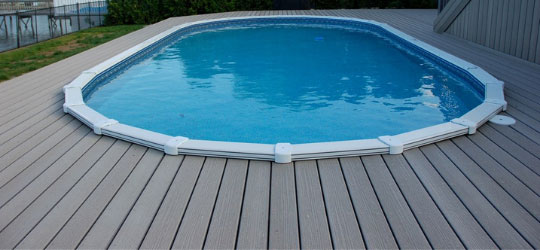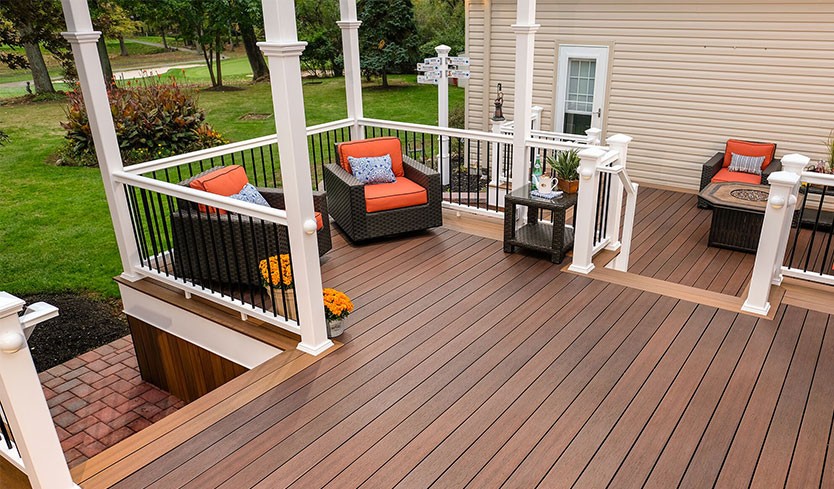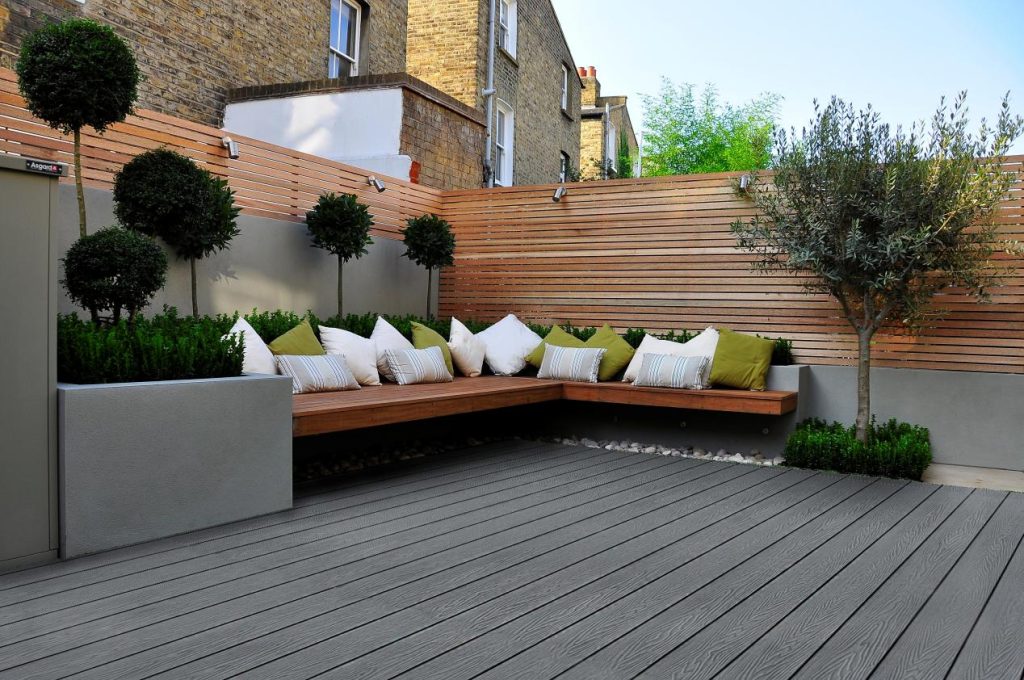
Selecting the right outdoor flooring around swimming areas is a critical decision that directly impacts safety, durability, aesthetics, and long-term maintenance costs. Among modern materials, composite decking has become a leading solution for residential and commercial pool environments due to its engineered strength, slip resistance, and resistance to moisture-related degradation.
However, not all composite materials perform equally in wet environments. Choosing the best composite decking for pools requires a careful evaluation of structural composition, surface technology, thermal performance, drainage compatibility, and long-term weather resistance.
This guide provides a comprehensive, technical, and practical breakdown of how to identify the best composite decking for pools: how to choose the right system for your project, including performance benchmarks, installation considerations, and environmental factors that influence durability.

Why Composite Decking Is Ideal for Pool Environments
Poolside areas are exposed to continuous moisture, chlorinated water, UV radiation, and frequent foot traffic. Traditional wood materials often warp, crack, or become slippery under these conditions. Composite materials are engineered specifically to overcome these challenges.
The best composite decking for pools is designed with a hybrid structure combining wood fibers and polymer resins. This composition enhances dimensional stability while minimizing water absorption. Unlike natural timber, composite boards do not splinter, making them safer for barefoot use.
In addition, advanced surface textures improve traction in wet conditions, reducing the risk of slipping. This is a key factor when evaluating the best composite decking for pools: how to choose a product that prioritizes both safety and performance under constant exposure to water.
Another advantage is low maintenance. Composite decking does not require sealing, staining, or painting. Routine cleaning with water and mild detergent is typically sufficient, making it ideal for pool owners who want long-term convenience.
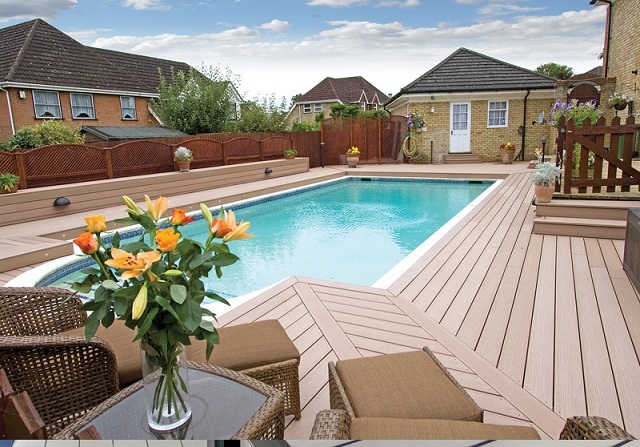
Key Material Composition Factors
When evaluating the best composite decking for pools, material composition is one of the most important technical considerations. Composite decking typically consists of:
- Wood fiber content (natural reinforcement phase)
- Thermoplastic polymers (binding matrix)
- Additives for UV resistance and color stability
The ratio of these components determines overall performance. Higher polymer content generally increases water resistance, while balanced wood fiber improves structural rigidity and natural appearance.
For pool applications, closed-cell or low-absorption composites are preferred. These materials minimize water penetration, which reduces swelling and internal degradation over time. This is especially important in environments with constant splash exposure.
The best composite decking for pools: how to choose effectively starts with verifying that the product has been engineered for high-moisture environments rather than general outdoor use.
Slip Resistance and Surface Texture Design
Safety is a primary concern in any poolside installation. Wet surfaces significantly increase the risk of slipping, making surface engineering a critical selection factor.
The best composite decking for pools typically features embossed grain patterns, brushed finishes, or micro-textured surfaces designed to increase friction. These textures help maintain grip even when the surface is wet.
When comparing options, consider:
- Wet slip resistance rating (R-value or equivalent testing standard)
- Surface micro-structure depth
- Drainage channel design
- Anti-glare finish for sunlight reflection control
A properly engineered surface not only enhances safety but also contributes to visual realism, mimicking natural wood aesthetics without compromising performance.
This is a key consideration in the best composite decking for pools: how to choose a material that balances safety with design appeal.
Thermal Performance and Heat Retention
Pool decks are often exposed to direct sunlight for extended periods. One common issue with low-quality composite materials is excessive heat retention, which can make surfaces uncomfortable to walk on barefoot.
High-performance decking systems are designed with heat-dissipating additives and reflective surface technology. These features help reduce surface temperature buildup.
Factors influencing thermal comfort include:
- Color tone (lighter shades absorb less heat)
- Material density
- Surface reflectivity
- Ventilation beneath decking structure
When selecting the best composite decking for pools, thermal behavior should be evaluated under real-world summer conditions. A product that performs well in moderate climates may behave differently in extreme heat environments.
Water Drainage and Moisture Management
Effective drainage design is essential for maintaining the integrity and safety of poolside decking. Standing water can lead to algae growth, surface slipperiness, and long-term material stress.
The best composite decking for pools incorporates engineered spacing systems and groove designs that facilitate rapid water runoff. Substructure ventilation is equally important, as trapped moisture beneath the boards can reduce structural lifespan.
Key drainage considerations include:
- Board spacing precision
- Joist airflow design
- Surface channel directionality
- Installation slope gradient (typically 1–2%)
Proper drainage ensures that the decking dries quickly after exposure to water, maintaining both hygiene and safety standards.
This makes moisture management a defining factor in the best composite decking for pools: how to choose a system that performs reliably in constant wet conditions.
UV Resistance and Color Stability
Pool environments are often highly exposed to sunlight, making UV resistance a critical durability factor. Without proper UV stabilization, decking surfaces may fade, discolor, or become brittle over time.
High-quality composite materials incorporate UV inhibitors that protect pigments and polymer structures. This ensures long-term color stability even under intense solar exposure.
When evaluating the best composite decking for pools, consider:
- UV protection rating
- Color fade warranty period
- Surface coating technology
- Resistance to oxidation
Stable coloration is not only an aesthetic benefit but also an indicator of material quality and long-term structural resilience.
Structural Strength and Load-Bearing Capacity
Pool decks must support dynamic loads including foot traffic, furniture, and sometimes hot tubs or water features. Structural performance is therefore essential.
Composite decking systems vary in internal reinforcement design. Some use hollow-core structures to reduce weight, while others use solid-core configurations for maximum strength.
The best composite decking for pools should offer:
- High flexural strength
- Resistance to point load deformation
- Long-term creep resistance
- Stable fastener retention
Engineering standards and load testing data should always be reviewed before selection. This ensures that the decking system maintains integrity under continuous use.
Installation System and Substructure Compatibility
Even the highest-quality composite decking can underperform if installed incorrectly. The substructure system plays a crucial role in overall performance.
Key installation considerations include:
- Joist spacing compatibility (typically 300–400mm for pool areas)
- Hidden fastening systems for safety and aesthetics
- Expansion gap allowances for thermal movement
- Corrosion-resistant hardware selection
Proper installation ensures dimensional stability and prevents issues such as warping or surface separation.
When assessing the best composite decking for pools: how to choose the right system, installation engineering should be considered as important as material quality.
Maintenance Requirements and Long-Term Performance
One of the key advantages of composite decking is reduced maintenance compared to wood. However, maintenance levels can still vary depending on product quality.
High-performance decking requires:
- Periodic surface cleaning
- Removal of organic buildup (leaves, algae)
- Occasional inspection of fasteners and joints
The best composite decking for pools is designed to minimize maintenance demands while maintaining consistent performance over years of exposure to moisture and sunlight.
Long-term performance is often measured by:
- Color retention
- Structural stability
- Resistance to mold and mildew
- Surface wear resistance
These factors collectively determine lifecycle cost efficiency.
Environmental Considerations and Sustainability
Modern construction increasingly prioritizes sustainable materials. Composite decking often incorporates recycled wood fibers and plastics, reducing environmental impact compared to traditional timber harvesting.
When selecting the best composite decking for pools, sustainability considerations may include:
- Recycled content percentage
- Manufacturing emissions profile
- End-of-life recyclability
- Environmental certifications
Eco-friendly materials not only support environmental goals but also often indicate advanced manufacturing processes and quality control systems.
Cost vs Performance Evaluation
Budget is always a key decision driver in any construction project, but focusing only on initial procurement cost often leads to suboptimal lifecycle outcomes. In poolside applications, where materials are constantly exposed to water, UV radiation, and chemical treatment agents, the true economic value of a product must be assessed through long-term performance rather than upfront expenditure. The best composite decking for pools should therefore be evaluated using a lifecycle cost analysis (LCCA) approach, which integrates installation, maintenance, durability, and replacement intervals into a single performance-based framework.
Cost factors include:
- Material price per square meter
- Installation labor costs, including substructure preparation and fastening systems
- Maintenance and cleaning expenses over time
- Expected service lifespan under pool exposure conditions
- Potential downtime or repair costs due to surface degradation or failure
Beyond these direct costs, indirect economic factors should also be considered. For example, lower-grade materials may require more frequent resurfacing, sealing, or even partial replacement due to water absorption or UV-induced brittleness. These recurring interventions significantly increase total ownership cost over a 10–15 year period.
In contrast, a higher-quality system designed for the best composite decking for pools typically features enhanced polymer stabilization, improved moisture resistance, and better structural integrity. Although the initial investment is higher, these systems significantly reduce long-term maintenance frequency and virtually eliminate major repair events. This results in more predictable budgeting, improved asset longevity, and a lower total cost of ownership over the lifecycle of the installation.
Common Mistakes When Choosing Pool Decking
Many buyers make avoidable mistakes when selecting materials for poolside applications. These include:
- Choosing general outdoor decking instead of pool-rated systems
- Ignoring slip resistance ratings
- Overlooking heat retention performance
- Improper installation spacing
- Underestimating drainage requirements
Avoiding these mistakes is essential when determining the best composite decking for pools: how to choose a reliable and durable solution.
Final Selection Checklist
Before making a final decision, evaluate the following criteria:
- Verified water resistance performance
- Slip-resistant surface technology
- UV protection stability
- Structural load capacity
- Drainage efficiency
- Installation compatibility
- Long-term warranty coverage
A systematic evaluation ensures that the selected material meets both functional and aesthetic requirements.