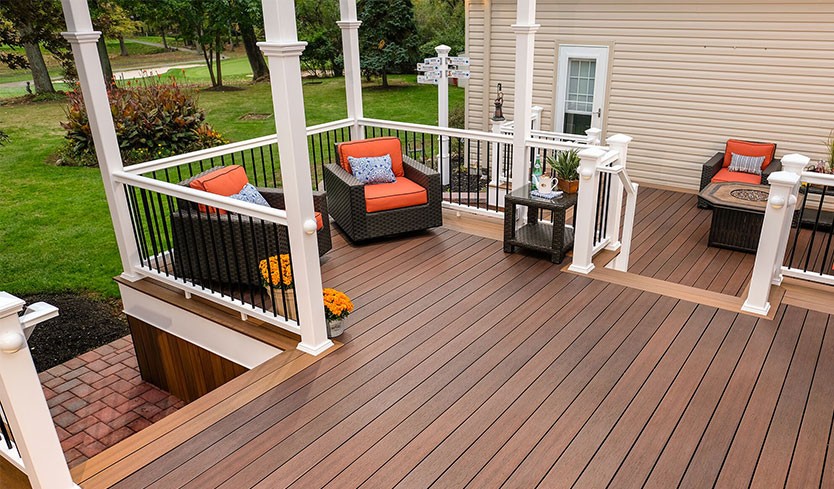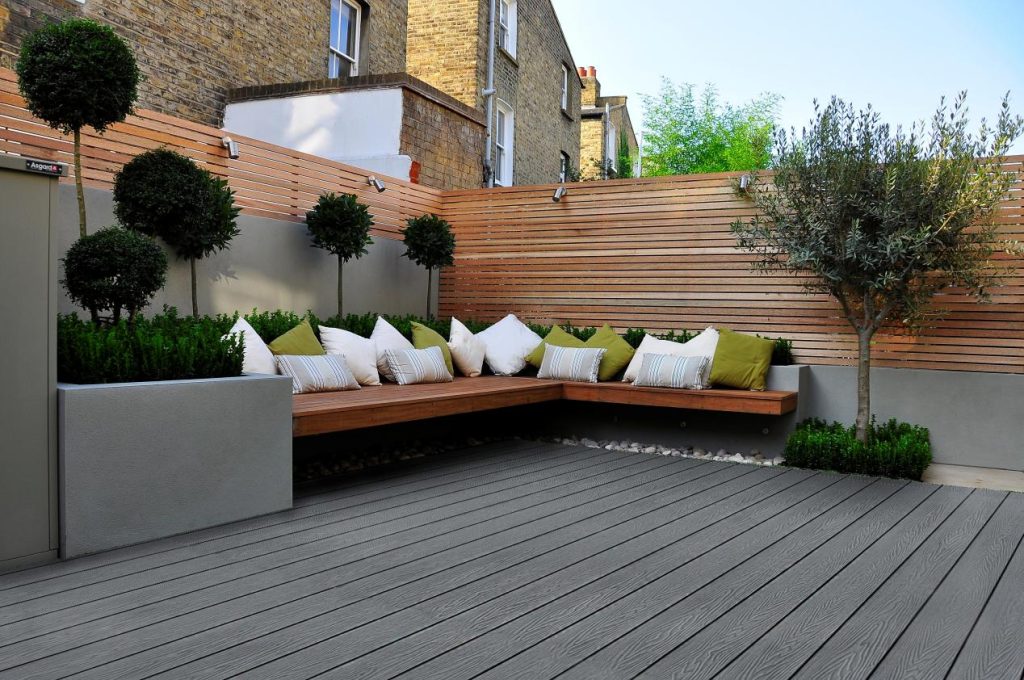
In contemporary outdoor architecture and landscape engineering, material selection plays a decisive role in long-term performance, aesthetic consistency, and lifecycle cost efficiency. Among the most frequently compared options in the polymer decking sector are grey pvc decking boards vs WPC, two widely adopted solutions designed to replace traditional timber decking in residential, commercial, and public environments. The growing demand for low-maintenance, weather-resistant, and visually uniform decking systems has positioned both PVC-based and wood-plastic composite (WPC) materials at the center of modern construction material engineering. While they may appear similar in surface finish—especially in grey-toned architectural designs—their internal structure, physical properties, and long-term behavior differ significantly.
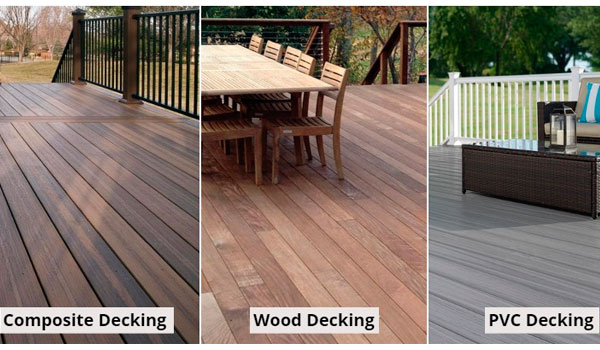
Table of Contents
This article provides a detailed technical breakdown of grey pvc decking boards vs WPC, analyzing composition, mechanical performance, environmental response, installation requirements, and lifecycle cost implications. The goal is to support architects, distributors, contractors, and procurement teams in making informed material decisions based on engineering performance rather than appearance alone.
Throughout this article, the term grey pvc decking boards vs WPC will be used repeatedly to maintain focus on the comparative analysis of these two systems in practical applications.
Material Definitions and Structural Fundamentals
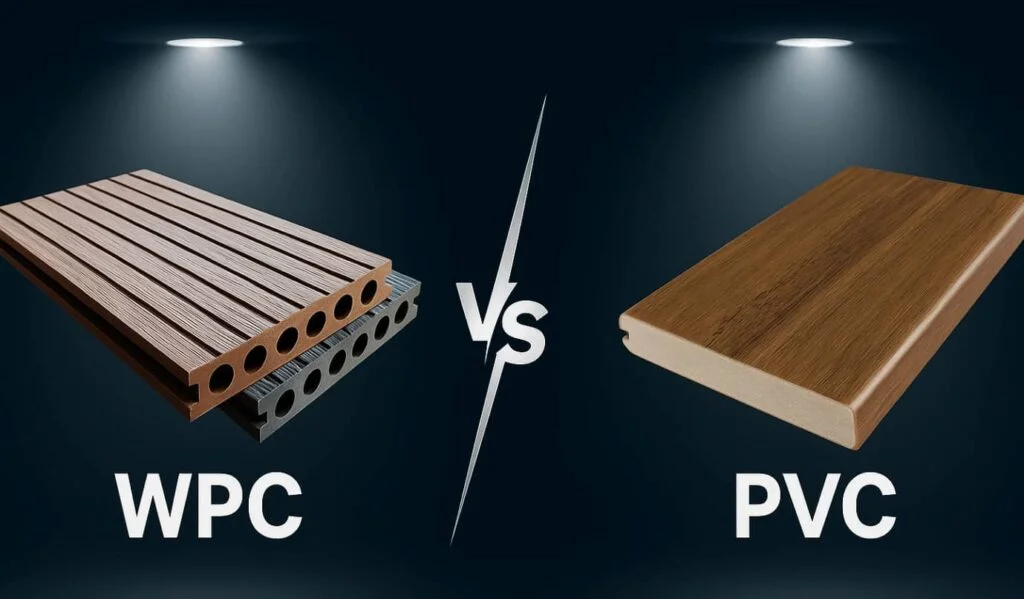
Grey PVC Decking Boards
Grey PVC decking boards are manufactured from polyvinyl chloride (PVC), a thermoplastic polymer known for its high chemical resistance and low moisture absorption. In decking applications, rigid PVC is typically modified with stabilizers, impact modifiers, and UV-resistant additives to enhance outdoor durability.
Key structural features include:
- Homogeneous polymer matrix
- No organic fiber content
- High density surface layer (in co-extruded variants)
- Fully synthetic composition
From an engineering standpoint, grey PVC decking boards are classified as non-porous structural thermoplastics.
WPC (Wood Plastic Composite) Decking
WPC is a hybrid material composed of:
- Wood fibers or wood flour
- Thermoplastic polymers (commonly PE, PP, or PVC)
- Additives such as coupling agents, lubricants, and UV stabilizers
Unlike PVC decking, WPC retains a significant proportion of lignocellulosic content, typically ranging from 30% to 70%. This introduces both aesthetic warmth and moisture sensitivity into the material system.
Core Difference Overview
When evaluating grey pvc decking boards vs WPC, the fundamental distinction lies in material composition:
- PVC: Fully synthetic polymer system
- WPC: Hybrid bio-polymer composite system
This distinction directly influences structural behavior, durability, and environmental response.
Manufacturing Processes and Engineering Control
PVC Decking Production
The manufacturing of grey PVC decking boards typically involves:- Raw PVC resin blending
- High-temperature extrusion
- Profile calibration and cooling
- Optional co-extrusion for protective outer shell
- Surface embossing or brushing
WPC Manufacturing Process
WPC production involves:- Dry blending of wood flour and polymer matrix
- Extrusion under controlled thermal conditions
- Foaming or solid core formation (depending on type)
- Surface texturing for wood-like aesthetics
Process Stability Comparison
In grey pvc decking boards vs WPC, PVC manufacturing offers:- Higher dimensional accuracy
- Lower batch variability
- More predictable extrusion behavior
Mechanical Performance Analysis
Strength and Load Capacity
PVC decking demonstrates:- Higher tensile strength
- Superior impact resistance in cold environments
- Stable load-bearing performance under long-term stress
- Moderate flexural strength
- Improved rigidity depending on wood content
- Slightly reduced impact resistance in extreme temperatures
Thermal Expansion Behavior
Thermal movement is a critical factor in decking design:- PVC: Moderate thermal expansion, highly predictable
- WPC: Higher expansion variability due to wood fiber behavior
Moisture and Water Resistance
- PVC: Near-zero water absorption
- WPC: Low to moderate absorption depending on wood content
UV Resistance and Color Stability
Outdoor decking must withstand prolonged UV exposure without significant fading.PVC Performance
- Enhanced UV stabilizers
- Co-extruded protective layers available
- High long-term color retention in grey tones
WPC Performance
- Dependent on pigment quality and fiber ratio
- More prone to gradual surface fading
- May develop natural weathered patina
Surface Texture and Slip Resistance
PVC Decking Surface
- Engineered embossing patterns
- Optional anti-slip coatings
- Consistent texture uniformity
WPC Surface
- Natural wood grain replication
- Slight variation in texture due to fiber distribution
- Good initial grip, but may smooth over time
Installation System and Construction Efficiency
PVC Decking Installation
- Lightweight profiles
- Precise interlocking systems
- Low expansion compensation requirements
- Compatible with concealed fastening systems
WPC Installation
- Heavier boards
- Requires larger expansion gaps
- Sensitive to substructure alignment
- Screw or clip-based systems commonly used
Maintenance Requirements
PVC Decking Maintenance
- Simple water washing
- No sealing required
- Resistant to staining and mold growth
WPC Maintenance
- Periodic cleaning required
- Susceptible to surface staining from organic materials
- Occasional mold treatment may be necessary in humid climates
Cost Structure and Lifecycle Value
Initial Investment
- PVC decking: Generally higher material cost
- WPC decking: More budget-friendly entry point
Long-Term Cost Factors
- Replacement frequency
- Maintenance labor
- Cleaning and chemical treatments
Environmental Considerations
PVC Environmental Profile
- Fully synthetic
- Recyclable in controlled systems
- Long service life reduces replacement frequency
WPC Environmental Profile
- Contains recycled wood fibers
- Reduces virgin polymer usage
- Biobased content improves sustainability perception
Application Scenarios
Ideal Applications for PVC Decking
- Swimming pools
- Commercial boardwalks
- High-humidity environments
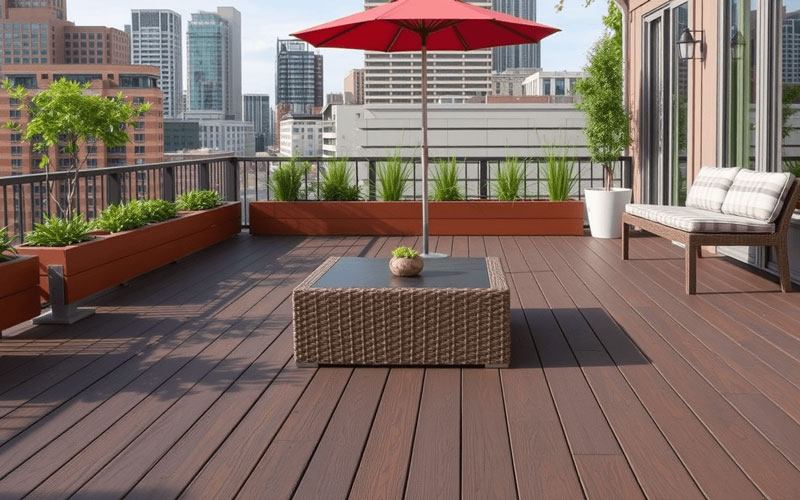
- Rooftop terraces
Ideal Applications for WPC Decking
- Residential patios
- Garden landscapes
- Low-to-medium traffic areas
- Aesthetic-focused installations
Comparison Table: Grey PVC Decking Boards vs WPC and Other Grey Decking Materials
| Material Type | Durability | Water Resistance | Maintenance Level | Aesthetic Stability | Cost Level | Ideal Use |
|---|---|---|---|---|---|---|
| Grey PVC Decking Boards | Very High | Excellent | Very Low | High | Medium-High | Pools, commercial decks |
| WPC Decking | High | Moderate | Medium | Medium | Medium | Residential outdoor spaces |
| Grey Treated Timber | Medium | Low | High | Low | Low | Traditional garden decks |
| Painted Hardwood (Grey Finish) | Medium | Low | Very High | Medium | High | Luxury residential decks |
| Aluminum Decking (Grey Coating) | Very High | Excellent | Very Low | Very High | High | Modern architectural spaces |
Common Installation Mistakes
PVC Decking Errors
- Over-tight fastening restricting thermal movement
- Inadequate subframe ventilation
- Ignoring manufacturer expansion guidelines
WPC Decking Errors
- Insufficient expansion gaps
- Exposure to standing water
- Improper fastening leading to board deformation
Future Development Trends
The decking industry is evolving toward:- Enhanced co-extrusion technologies
- Improved polymer recycling systems
- Hybrid fiber-polymer optimization
- Smart surface coatings for anti-slip and self-cleaning properties
Conclusion
The decision between PVC and composite systems is not purely aesthetic but fundamentally engineering-driven. A structured evaluation of grey pvc decking boards vs WPC reveals clear differences in moisture resistance, thermal stability, maintenance demand, and lifecycle cost efficiency.
PVC-based systems offer superior durability and predictable performance in demanding environments, while WPC provides a balanced solution combining natural aesthetics with moderate performance characteristics.
For projects requiring long-term structural stability and minimal maintenance intervention, PVC decking is often the preferred choice. For residential or design-focused applications, WPC remains a strong alternative due to its visual warmth and material versatility.
In the broader context of polymer decking development, manufacturers such as Hosung WPC continue to contribute to innovation in composite decking systems, further expanding the design and performance possibilities available in modern outdoor construction.