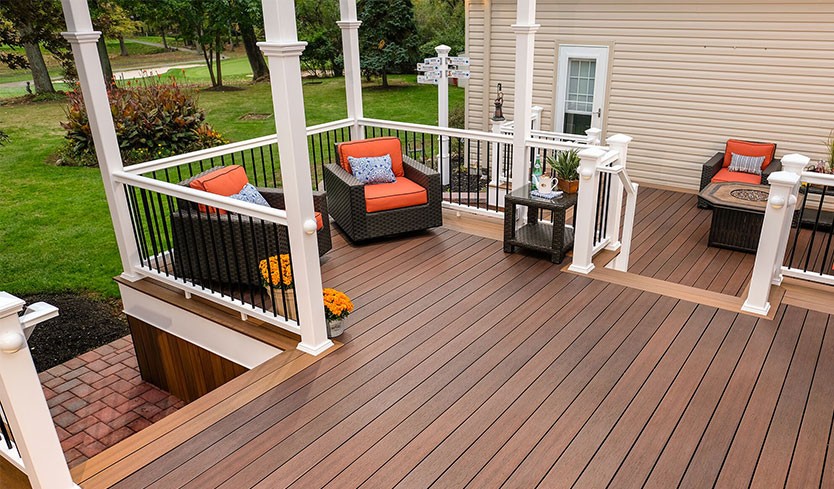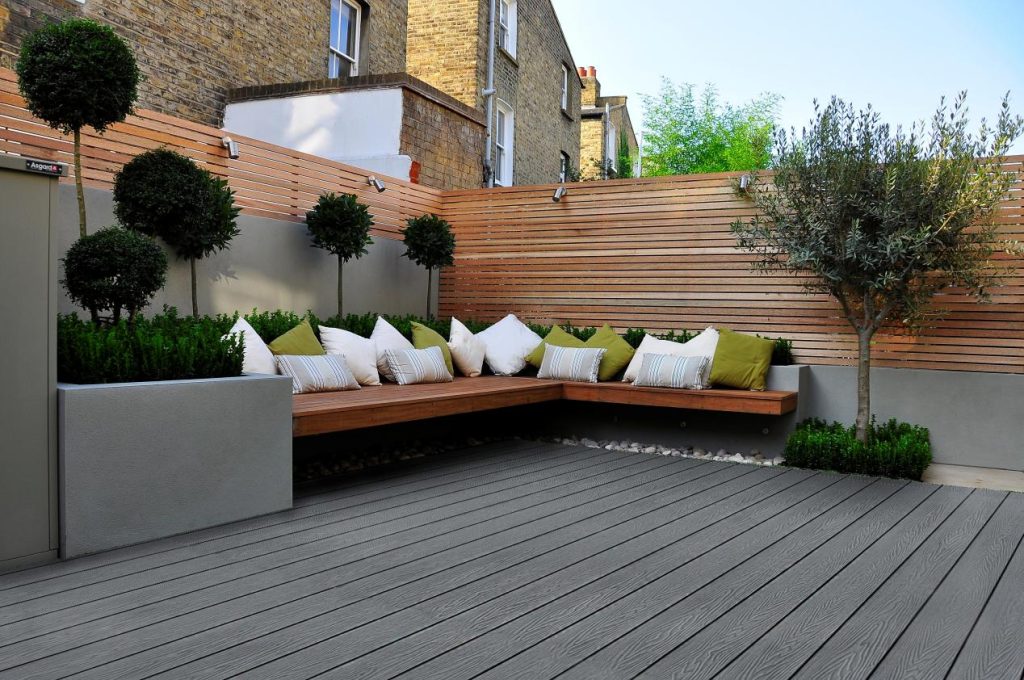
Waterproof composite decking has become a leading solution in modern outdoor construction due to its ability to combine structural durability with enhanced moisture resistance. Unlike traditional timber decking, which is highly vulnerable to water absorption, swelling, rot, and fungal decay, composite decking materials are engineered to withstand harsh environmental conditions while maintaining structural stability and visual consistency over time.
In contemporary landscape architecture and residential outdoor design, waterproof composite decking is widely used in patios, balconies, rooftop terraces, pool surrounds, marina walkways, and commercial outdoor spaces. Its engineered structure typically combines wood fibers, thermoplastic polymers, and performance additives that collectively enhance dimensional stability and water resistance.
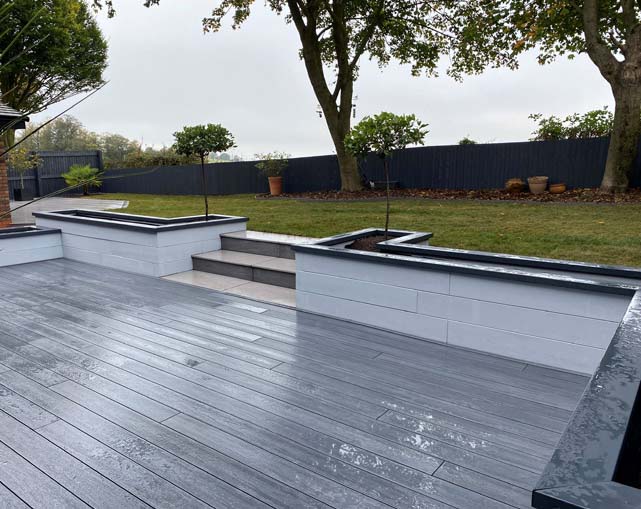
Table of Contents
The growing demand for low-maintenance outdoor flooring systems has accelerated innovation in this sector. Today’s waterproof composite decking products are not only designed to resist water penetration but also to improve slip resistance, UV stability, thermal performance, and long-term load-bearing capacity.
To make an informed selection, it is essential to understand the different types of waterproof composite decking systems available in the market and the key technical parameters that determine performance.
What Is Waterproof Composite Decking?
Waterproof composite decking refers to engineered decking boards designed to significantly reduce or eliminate water absorption through material composition and surface protection technologies. While no outdoor decking material is entirely “water-proof” in an absolute sense, modern composite systems achieve a high level of water resistance through structural and surface engineering.
Core Material Composition
Most waterproof composite decking products are manufactured using one of the following structures:
- Wood-plastic composite (WPC):Wood fibers + HDPE/PP + additives
- PVC-based composite:Polyvinyl chloride + stabilizers + fillers
- Hybrid composite systems:Multi-layered polymer cores with protective caps
- Mineral-reinforced composite:Polymer matrix reinforced with mineral fillers
Waterproofing Mechanisms
Water resistance is achieved through:
- Polymer encapsulation of wood fibers
- Co-extruded protective outer layers (capping technology)
- Closed-cell internal structures (in some hollow-core designs)
- Hydrophobic additives that reduce moisture absorption
- Surface sealing treatments that prevent micro-crack infiltration
These engineering methods collectively minimize water ingress and protect the internal structure from degradation.
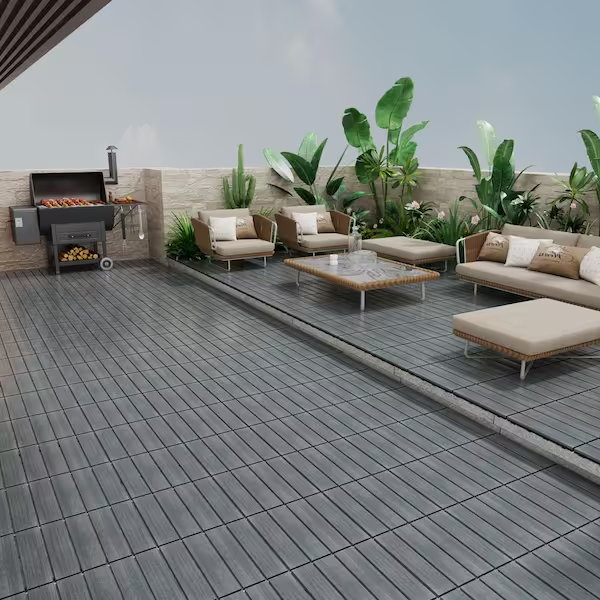
Key Benefits of Waterproof Composite Decking
Understanding the advantages of waterproof composite decking helps explain why it has largely replaced traditional wood decking in many applications.
1. High Moisture Resistance
The primary advantage is resistance to water penetration. This reduces:
- Swelling and warping
- Mold and mildew growth
- Structural decay
- Surface cracking due to freeze-thaw cycles
2. Low Maintenance Requirements
Unlike natural wood, waterproof composite decking does not require:
- Regular sealing
- Oil treatments
- Frequent repainting or staining
Routine cleaning with water and mild detergent is typically sufficient.
3. Long-Term Dimensional Stability
Composite materials are engineered to maintain shape and structure under fluctuating environmental conditions, including:
- High humidity
- Heavy rainfall
- Direct sunlight exposure
4. Enhanced Slip Resistance
Many waterproof composite decking products incorporate embossed textures or anti-slip coatings, making them suitable for:
- Poolside environments
- Coastal walkways
- Wet climate regions
5. Environmental Resistance
Advanced formulations offer resistance to:
- UV degradation
- Saltwater corrosion
- Insect and termite damage
6. Extended Service Life
Compared with conventional timber decking, composite systems generally offer significantly longer operational lifespans under similar environmental exposure.
Main Types of Waterproof Composite Decking
Waterproof composite decking can be classified based on structure, surface technology, and core composition. Each type offers different performance characteristics.
1. Co-Extruded Capped Composite Decking
Co-extruded capped composite decking is one of the most advanced waterproof decking systems available today.
Structure
- Inner core: wood-plastic composite or polymer blend
- Outer layer: fully encapsulating polymer cap layer
Key Features
- Fully sealed surface layer prevents water absorption
- High resistance to stains, scratches, and fading
- Enhanced UV stability
- Improved color retention over time
Performance Advantages
- Superior waterproof performance compared to uncapped systems
- Highly suitable for harsh outdoor environments
- Reduced maintenance requirements
Typical Applications
- Residential patios
- Pool decks
- Commercial terraces
- Coastal boardwalks
Limitations
- Higher material cost
- Requires precise installation to avoid edge exposure issues
2. Solid Core Waterproof Composite Decking
Solid core decking features a fully dense internal structure without hollow cavities.
Structure
- Homogeneous composite material throughout the board
Key Features
- High load-bearing capacity
- Strong impact resistance
- Improved water resistance due to lack of internal voids
Performance Advantages
- Excellent structural strength for heavy-use areas
- Better sound absorption under foot traffic
- Long-term durability
Typical Applications
- Public walkways
- Commercial outdoor spaces
- High-traffic residential decks
Limitations
- Heavier than hollow-core alternatives
- Slightly higher material usage and cost
3. Hollow Core Composite Decking (Water-Resistant Type)
Hollow core decking reduces material usage while maintaining adequate strength for many residential applications.
Structure
- Outer shell with internal hollow chambers
Key Features
- Lightweight design
- Cost-efficient production
- Improved thermal insulation
Waterproof Considerations
Modern hollow core designs often include:
- Sealed end caps
- Co-extruded protective layers
- Internal drainage channels
Applications
- Residential balconies
- Garden decks
- Light-use outdoor platforms
Limitations
- Lower structural strength compared to solid core boards
- Requires proper sealing of ends to maintain waterproof performance
4. PVC-Based Waterproof Composite Decking
PVC composite decking relies heavily on polymer-based engineering rather than wood fiber content.
Structure
- Polyvinyl chloride matrix with stabilizers and fillers
Key Features
- Near-zero water absorption
- High resistance to mold and mildew
- Strong chemical resistance
Performance Advantages
- Excellent waterproofing performance
- Highly stable in wet environments
- Consistent surface finish
Typical Applications
- Pool areas
- Marine environments
- High-humidity regions
Limitations
- Higher thermal expansion under heat
- Less natural wood-like feel compared to WPC systems
5. Mineral-Enhanced Composite Decking
This advanced category integrates mineral fillers to improve structural and thermal performance.
Structure
- Polymer matrix + mineral reinforcement (e.g., calcium-based compounds)
Key Features
- Increased rigidity
- Improved fire resistance (in some formulations)
- Enhanced dimensional stability
Waterproof Characteristics
- Reduced porosity
- Improved resistance to water penetration and swelling
Applications
- Commercial infrastructure
- Public landscaping projects
- High-performance architectural decks
How Waterproof Composite Decking Works
The waterproofing performance is achieved through a combination of material science and surface engineering.
1. Polymer Encapsulation
Wood fibers are fully or partially encapsulated within thermoplastic polymers, preventing direct water exposure.
2. Surface Barrier Technology
Co-extruded layers form a protective shell that blocks:
- Moisture penetration
- UV radiation
- Chemical staining agents
3. Hydrophobic Additives
Special additives reduce surface energy, making water bead and roll off instead of being absorbed.
4. Structural Design Optimization
Board geometry, internal reinforcement, and edge sealing contribute to overall waterproof performance.
How to Choose Waterproof Composite Decking
Selecting the right waterproof composite decking requires evaluating environmental conditions, usage intensity, and performance expectations.
1. Consider Environmental Conditions
Different climates require different material specifications.
High-Rainfall Regions
- Prioritize co-extruded capped decking
- Ensure full edge sealing systems
- Choose anti-mold surface technology
Coastal Areas
- Saltwater resistance is essential
- PVC-based or capped composites perform best
Hot and Sunny Climates
- UV resistance becomes critical
- Light-colored boards reduce heat absorption
2. Evaluate Load-Bearing Requirements
The structural demands of the installation area should guide material selection.
- Light residential use: hollow core decking
- Medium residential use: capped WPC decking
- Heavy commercial use: solid core or mineral-reinforced decking
3. Check Surface Technology
Surface design directly impacts waterproof performance and usability.
Key considerations:
- Co-extrusion quality
- Embossing depth for slip resistance
- Scratch resistance layer thickness
- Color stability under UV exposure
4. Assess Water Absorption Rate
Lower water absorption indicates better long-term durability.
- Premium systems: extremely low absorption
- Standard systems: moderate absorption with protective caps
- Basic systems: higher absorption, limited outdoor suitability
5. Installation System Compatibility
Modern waterproof decking often includes:
- Hidden fastening systems
- Clip-lock installation systems
- Drainage gap designs
Proper installation ensures:
- Efficient water runoff
- Reduced pooling
- Improved structural lifespan
6. Thickness and Density Selection
Board thickness affects strength and stability.
- 20–25 mm: residential decking
- 25–30 mm: mixed-use environments
- 30 mm+: commercial-grade applications
Higher density generally improves:
- Impact resistance
- Water resistance
- Long-term durability
7. Slip Resistance Performance
For wet environments, surface texture is critical.
Recommended features:
- Deep wood grain embossing
- Anti-slip coatings
- Micro-textured surfaces
8. Thermal Expansion Behavior
Composite materials expand and contract with temperature changes.
Selection considerations:
- High-stability formulations reduce expansion gaps
- Proper installation spacing is required
- Dark colors may increase heat expansion
9. Aesthetic and Color Stability
Modern waterproof composite decking offers a wide range of finishes:
- Natural wood tones
- Grey and contemporary architectural shades
- Multi-tone blended textures
Long-term color stability depends on UV-resistant coatings.
10. Maintenance Requirements
Even waterproof systems require basic maintenance.
Recommended practices:
- Regular surface cleaning
- Removal of organic debris
- Occasional pressure washing (low pressure)
Avoid:
- Harsh chemical solvents
- Abrasive cleaning tools
Installation Considerations
Proper installation is essential for maximizing waterproof performance.
Key Guidelines
- Maintain expansion gaps between boards
- Ensure adequate substructure drainage
- Use corrosion-resistant fasteners
- Install boards with correct slope for water runoff
Substructure Requirements
- Aluminum or treated steel framing is preferred
- Elevated structures improve ventilation
- Moisture barriers can enhance durability
Common Mistakes to Avoid
1. Ignoring Drainage Design
Poor drainage leads to water accumulation and reduces lifespan.
2. Incorrect Fastening Systems
Using incompatible fasteners may compromise waterproof integrity.
3. Overlooking Expansion Gaps
Thermal expansion must be accommodated in design planning.
4. Choosing Incorrect Board Type
Using hollow boards in high-load areas leads to premature failure.
Maintenance and Longevity Tips
To maximize lifespan:
- Clean surface regularly
- Inspect fasteners annually
- Ensure drainage pathways remain clear
- Avoid prolonged standing water
With proper care, waterproof composite decking can maintain performance for many years in outdoor environments.
Frequently Asked Questions
Is waterproof composite decking completely waterproof?
It is highly water-resistant rather than fully waterproof, but advanced capped systems can effectively prevent water penetration under normal outdoor conditions.
Can it be used around pools?
Yes, especially co-extruded and PVC-based systems with anti-slip surfaces.
Does it rot like wood?
No. Composite materials are designed to resist rot, decay, and insect damage.
How long does it last?
Depending on quality and installation, service life can range from 15 to 30 years.
Conclusion
Waterproof composite decking made by Hosung represents a significant advancement in outdoor building materials, combining engineered durability with moisture resistance and aesthetic versatility. By understanding the different types—co-extruded capped systems, solid core boards, hollow core structures, PVC-based composites, and mineral-reinforced variants—users can select the most suitable option for specific environmental and structural requirements.
A successful selection process depends on evaluating climate conditions, load requirements, surface technology, installation systems, and long-term maintenance expectations. When properly chosen and installed, waterproof composite decking delivers a high-performance, low-maintenance, and visually consistent solution for modern outdoor spaces, making it one of the most reliable materials in contemporary landscape and architectural design.