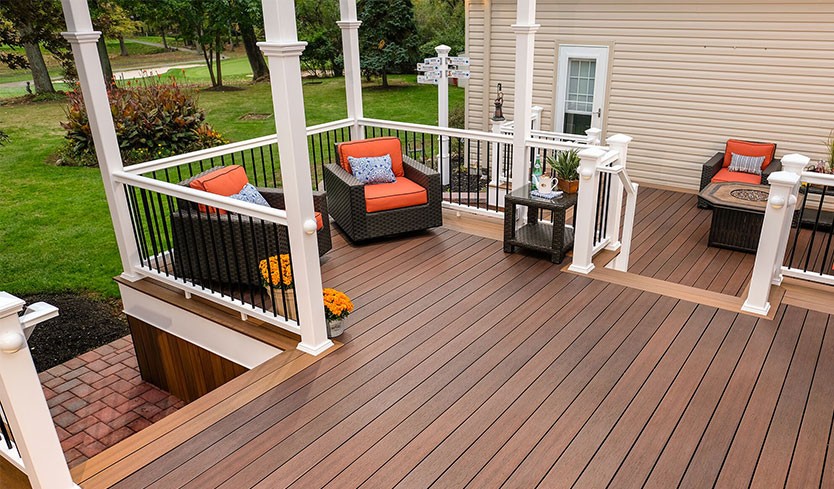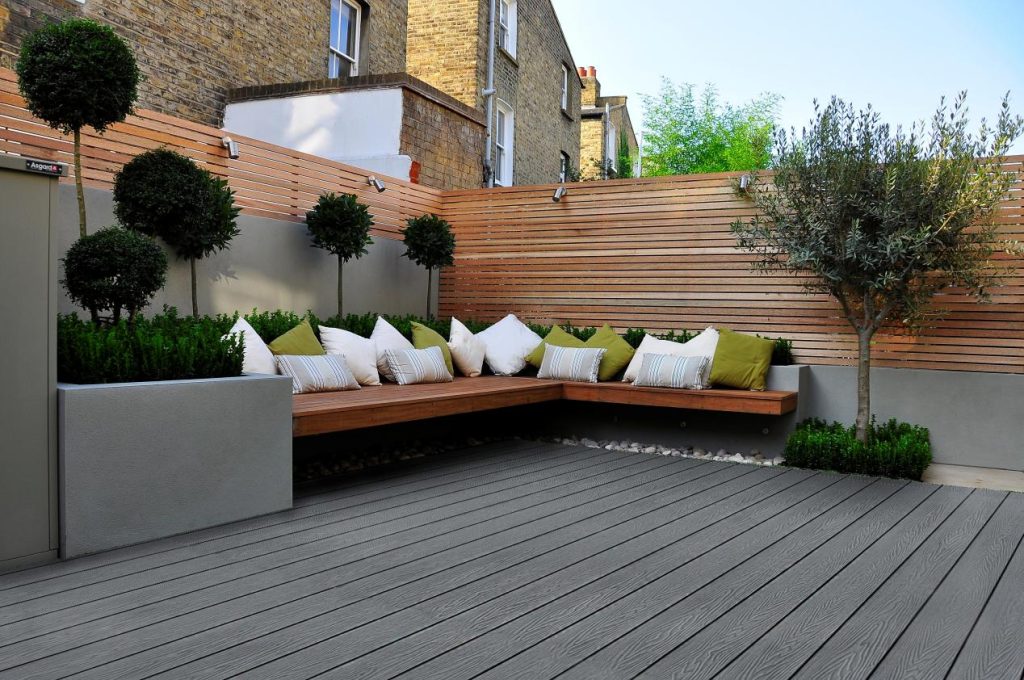
Composite decking has become one of the most in-demand outdoor surfacing materials due to its balance of durability, aesthetics, and long-term cost efficiency. When homeowners, contractors, and developers search for most affordable composite decking, the intent is not only to find the lowest upfront price, but also to identify solutions that minimize lifetime maintenance costs while maintaining structural performance and visual appeal. This guide provides a comprehensive breakdown of cost structures, material types, selection strategies, installation considerations, and long-term value optimization for composite decking systems. It is designed to help you make an informed procurement decision based on technical and financial parameters rather than short-term pricing alone.
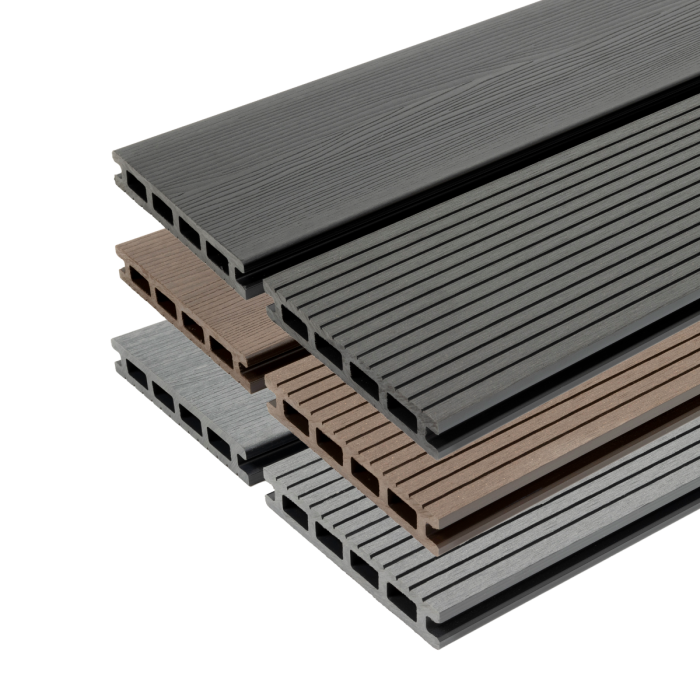
Table of Contents
Understanding Composite Decking Systems
Composite decking is an engineered outdoor flooring material made from a combination of wood fibers and polymer-based resins. The purpose of this hybrid structure is to improve durability, moisture resistance, and dimensional stability compared to traditional timber decking.
Core Material Composition
Composite decking typically consists of:
- Wood fibers (40%–60%)
Provide natural appearance and structural rigidity - Thermoplastic polymers (30%–50%)
Enhance water resistance and prevent decay - Additives (5%–10%)
Include UV stabilizers, pigments, and bonding agents
This composition allows composite decking to resist warping, cracking, and insect damage, which are common issues in natural wood systems.
Why Cost Matters in Composite Decking Selection
When evaluating most affordable composite decking, it is essential to distinguish between:
- Initial material cost
- Installation cost
- Maintenance cost over time
- Replacement frequency
- Lifecycle performance
A low upfront price does not always indicate true affordability. In many cases, higher-quality composite systems offer lower total cost of ownership due to reduced maintenance requirements.
Key Factors That Influence Composite Decking Cost
Understanding cost drivers helps identify genuinely affordable options without sacrificing performance.
1. Material Composition Ratio
Higher polymer content typically increases durability but also increases price. Lower-cost options often contain:
- Higher wood fiber ratio
- Simplified polymer blends
- Reduced UV protection layers
2. Surface Technology
Surface treatment significantly affects pricing:
- Co-extruded protective shell → higher cost, longer lifespan
- Uncapped composite → lower cost, higher maintenance
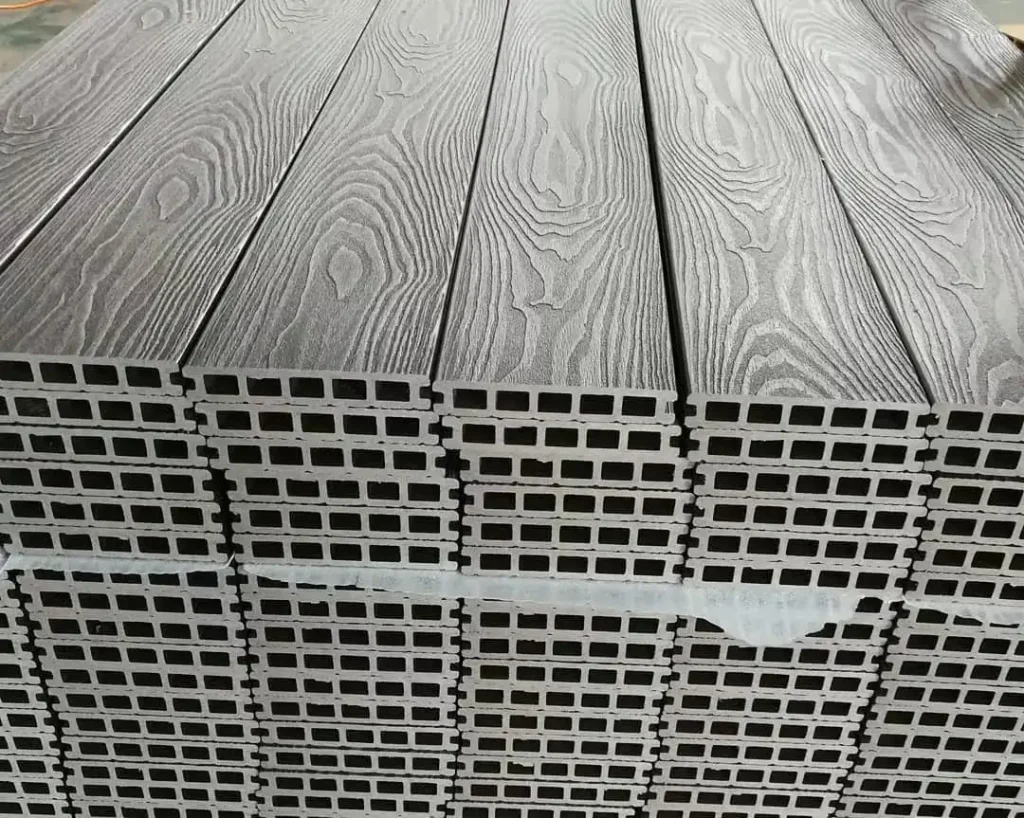
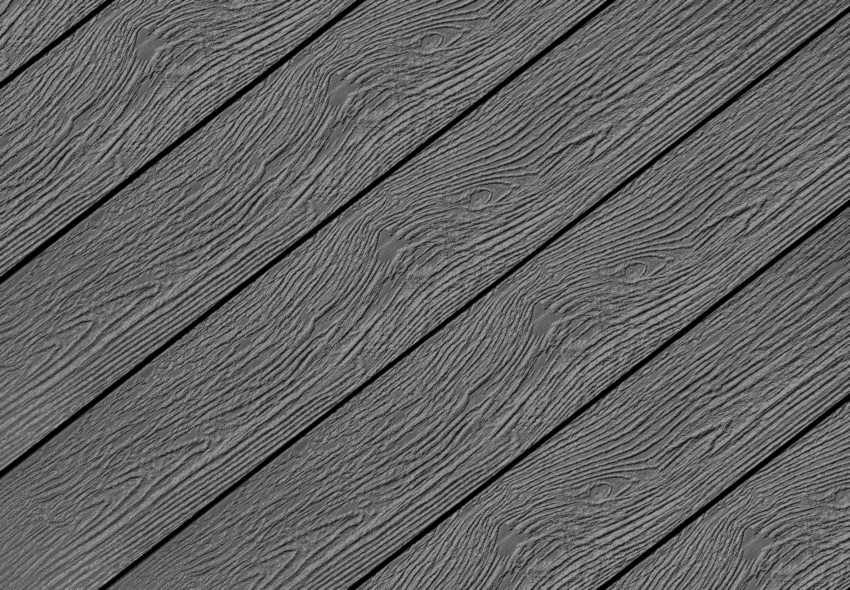
- Embossed wood grain → moderate pricing, aesthetic enhancement
3. Thickness and Structural Design
- Thicker boards = higher load capacity and cost
- Hollow-core designs = more affordable, lighter weight
- Solid-core designs = premium pricing, higher durability
4. Manufacturing Process
- Extrusion molding consistency
- Compression strength
- Cooling and calibration precision
Advanced manufacturing increases cost but improves dimensional stability.
5. Installation System Compatibility
Hidden fastener systems and modular locking mechanisms increase convenience but also impact total project cost.
Types of Composite Decking Based on Budget Levels
To identify the most affordable composite decking, it is useful to categorize products into budget tiers.
Entry-Level Composite Decking
Best suited for cost-sensitive residential projects.
Characteristics:
- Higher wood fiber content
- Basic surface finishing
- Limited UV resistance
- Shorter warranty period
Advantages:
- Lowest upfront cost
- Easy availability
- Suitable for light residential use
Limitations:
- Higher maintenance frequency
- Faster color fading
- Reduced long-term durability
Mid-Range Composite Decking
This category offers the best balance between price and performance.
Characteristics:
- Balanced polymer-to-wood ratio
- Improved moisture resistance
- Enhanced surface texture
- Moderate structural reinforcement
Advantages:
- Good long-term value
- Stable performance in outdoor environments
- Lower maintenance requirements
This category is often considered the practical answer to most affordable composite decking in terms of lifecycle cost.
High-End Composite Decking
Premium engineered systems designed for maximum longevity.
Characteristics:
- Fully capped protective layers
- High-density polymer structure
- Superior UV and stain resistance
- Advanced fastening systems
Advantages:
- Extremely long lifespan
- Minimal maintenance
- High structural strength
Limitations:
- High initial investment
- Not always necessary for residential applications
Cost Comparison: Composite Decking vs Traditional Materials
To evaluate affordability properly, comparisons must include full lifecycle economics rather than focusing only on upfront material pricing. Long-term performance, maintenance intensity, replacement cycles, and labor input all significantly influence total ownership cost over a 10–20 year service period. A more detailed breakdown helps clarify why material selection has a direct impact on long-term budgeting and structural reliability.
Natural Wood Decking
- Lower initial cost
- High maintenance requirements (regular sealing, staining, sanding, and periodic refinishing)
- Susceptible to rot, moisture deformation, and insect infestation
- Performance strongly affected by climate conditions and exposure level
- Shorter service life in humid or high-rainfall environments
- Higher probability of structural replacement over time
PVC Decking
- Higher material cost compared to wood and many composite systems
- Extremely low maintenance requirements due to non-porous surface
- Resistant to moisture absorption, mold growth, and biological degradation
- Less natural appearance, with limited texture realism compared to wood-based materials
- Higher thermal expansion rate under direct sunlight in some conditions
- Generally longer service life but with higher initial investment threshold
Composite Decking
- Moderate initial cost positioned between wood and PVC systems
- Low maintenance requirements with no need for sealing or staining
- Balanced aesthetic performance with improved wood-like texture realism
- Good resistance to moisture, UV exposure, and everyday wear
- Stable structural behavior under typical residential and commercial conditions
- Reduced long-term repair frequency and predictable lifecycle cost distribution
- Suitable for a wide range of climates and outdoor applications
Over a 10–20 year operating cycle, composite decking often becomes the most cost-efficient solution due to its reduced maintenance workload, lower replacement probability, and overall stability in outdoor environments.
Installation Cost Factors
Installation significantly impacts the total budget of composite decking systems.
Substructure Requirements
A stable substructure is essential:
- Aluminum framing (premium, long-lasting)
- Treated wood framing (cost-efficient)
- Adjustable pedestal systems (for uneven surfaces)
Labor Complexity
Costs increase with:
- Complex deck layouts
- Elevated installations
- Custom edge detailing
- Integrated lighting or drainage systems
Fastening Systems
- Visible screws → lower installation cost
- Hidden clips → higher labor cost, cleaner finish
How to Identify the Most Affordable Composite Decking
Finding the optimal product requires analyzing both performance and cost efficiency.
1. Evaluate Lifecycle Cost, Not Just Price
A true affordability model includes:
- Material lifespan
- Maintenance frequency
- Replacement probability
2. Choose Balanced Material Composition
Avoid extremes:
- Too much wood fiber → low durability
- Too much polymer → high cost without proportional benefit
3. Prioritize Standard Dimensions
Custom sizes increase manufacturing costs.
4. Compare Warranty Coverage
Longer warranties often indicate:
- Higher material confidence
- Better long-term value
5. Assess Environmental Resistance
Key performance indicators:
- UV stability
- Moisture resistance
- Temperature expansion control
Maintenance Requirements and Long-Term Costs
One of the strongest advantages of composite decking is reduced maintenance.
Routine Cleaning
- Water washing
- Mild detergent cleaning
- Seasonal debris removal
Preventive Care
- Avoid abrasive tools
- Prevent standing water accumulation
- Inspect fastening systems annually
Long-Term Benefits
Compared to wood systems, composite decking reduces:
- Refinishing costs
- Replacement frequency
- Structural repair expenses
Design Considerations for Cost Optimization
Board Size Efficiency
Using standard lengths reduces waste.
Layout Optimization
Simple geometric layouts reduce cutting and labor costs.
Color Selection
Neutral tones often provide better UV stability and longer visual lifespan.
Surface Texture Choice
- Light embossing → lower cost
- Deep wood grain → higher cost but improved aesthetics
Common Mistakes When Choosing Affordable Composite Decking
Focusing Only on Initial Price
This leads to higher long-term expenses.
Ignoring Installation Complexity
Some systems require specialized labor.
Overestimating Load Requirements
Residential decks rarely require industrial-grade materials.
Neglecting Climate Conditions
Temperature fluctuations affect expansion behavior.
Applications of Affordable Composite Decking
Composite decking is widely used across multiple environments:
Residential Applications
- Backyard patios
- Garden walkways
- Balcony flooring
- Rooftop terraces
Commercial Applications
- Outdoor seating areas
- Hospitality spaces
- Retail exterior decks
Public Infrastructure
- Parks and recreation zones
- Waterfront walkways
- Observation platforms
Each application requires different performance levels, influencing material selection.
Environmental and Sustainability Considerations
Modern composite decking contributes to sustainability goals through:
- Recycled wood fiber utilization
- Reduced deforestation impact
- Long service life reducing material waste
- Low chemical maintenance requirements
Choosing durable systems indirectly reduces environmental impact by minimizing replacement cycles.
Cost Optimization Strategies
To achieve the most affordable composite decking solution:
Bulk Purchasing
Large volume orders reduce unit cost.
Standardized Project Design
Minimizes customization expenses.
Efficient Substructure Planning
Optimized framing reduces labor and material waste.
Supplier Comparison Strategy
Evaluate:
- Material composition
- Structural warranty
- Production consistency
- Technical specifications
Future Trends in Composite Decking Cost Efficiency
The industry is evolving toward:
- Higher recycled content materials
- Improved extrusion efficiency
- Lower energy manufacturing processes
- Enhanced durability at reduced cost
- Modular installation systems
These innovations will further reduce lifecycle costs while improving performance standards.
Frequently Asked Questions (FAQ)
What is the most affordable composite decking type?
Entry-level and mid-range composite decking systems typically offer the lowest overall cost, with mid-range products providing better long-term value.
Is cheaper composite decking worth it?
It can be suitable for light residential use, but durability and maintenance should be carefully evaluated.
How long does composite decking last?
Depending on quality, lifespan typically ranges from 15 to 30 years.
Does composite decking require maintenance?
Yes, but significantly less than wood decking. Routine cleaning is usually sufficient.
What affects composite decking price the most?
Material composition, surface technology, and structural design are the primary cost drivers.
Conclusion
Selecting the most affordable composite decking from Hosung requires a comprehensive evaluation beyond initial pricing. True affordability is determined by lifecycle cost, durability, maintenance requirements, and installation efficiency. By understanding material composition, structural design, and application requirements, it becomes possible to choose a system that balances cost-effectiveness with long-term performance.
A well-selected composite decking solution delivers not only financial efficiency but also improved safety, aesthetic stability, and reduced maintenance workload over its entire service life.