2. WPC vs Wood Price Overview (Initial Cost Comparison)
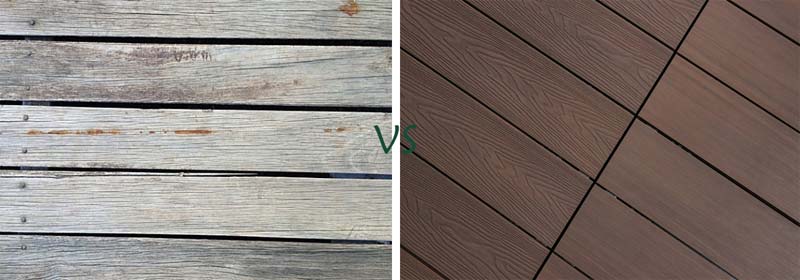
The most critical factor in the WPC vs wood price debate is upfront material cost. The table below provides a generalized global market comparison:
Material Type | Price Range (per m²) | Cost Level | Key Notes |
Low-grade wood (softwood) | $8 – $18 | Low | Basic outdoor applications |
Mid-grade wood | $18 – $35 | Medium | Better durability, treated wood |
Hardwoods | $35 – $80+ | High | Premium aesthetic, long lifespan |
WPC standard grade | $20 – $45 | Medium | Balanced performance |
WPC premium grade | $45 – $90 | High | Enhanced durability & UV resistance |
Key Observations:
- Entry-level wood is cheaper than WPC.
- Mid-to-high grade wood can exceed WPC pricing.
- WPC pricing is more stable and less volatile.
3. Cost Structure Breakdown of Wood Materials
Natural wood pricing is influenced by multiple upstream and downstream cost factors.
3.1 Raw Material Harvesting Costs
- Logging operations
- Forest management certifications
- Transportation from forest to mill
3.2 Processing Costs
- Drying (air-dry or kiln-dry)
- Cutting and milling
- Chemical treatment (anti-termite, anti-rot)
3.3 Market Scarcity Impact
High-demand hardwood species significantly increase price volatility.
3.4 Seasonal Pricing Variations
Wood pricing fluctuates due to:
- Logging restrictions
- Weather conditions affecting supply chains
- Import/export tariffs
4. Cost Structure Breakdown of WPC Materials
WPC pricing is primarily driven by industrial manufacturing rather than agricultural supply chains.
4.1 Raw Material Input Costs
- Recycled plastics or virgin polymers
- Wood fiber processing
- Additive compounds
4.2 Manufacturing Costs
- High-temperature extrusion
- Molding and profiling systems
- Quality control and calibration
4.3 Technology Dependency
Advanced production lines increase upfront costs but improve:
- Density uniformity
- Surface texture realism
- Structural strength
5. Installation Cost Comparison
Installation plays a crucial role in the overall WPC vs wood price evaluation.
5.1 Wood Installation Costs
Wood installation may appear cheaper initially but often involves:
- Pre-treatment sealing
- Cutting adjustments due to warping
- Additional fastening systems
- Skilled labor for alignment
Installation Cost Range:
5.2 WPC Installation Costs
WPC systems are generally modular and standardized:
- Clip-lock installation systems
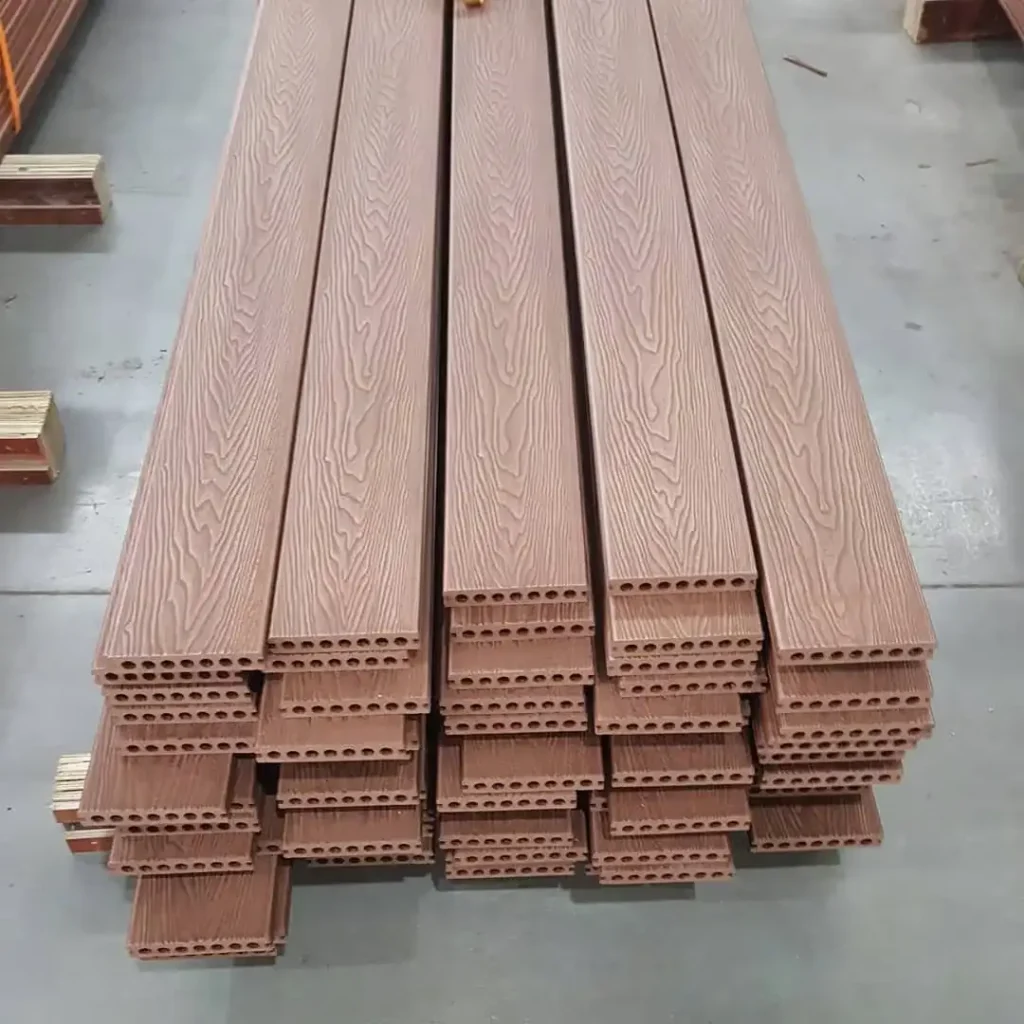
- Pre-fabricated boards
- Reduced cutting waste
- Faster labor completion
Installation Cost Range:
5.3 Key Insight
While wood may seem cheaper in material cost, installation complexity often reduces its price advantage.
6. Maintenance Cost Comparison (Long-Term Economic Impact)
Maintenance is the most decisive factor in total cost of ownership.
6.1 Wood Maintenance Requirements
Wood requires continuous maintenance:
- Annual sealing or staining
- Anti-fungal treatment
- Termite prevention
- Surface sanding and refinishing
Annual Maintenance Cost:
10-Year Maintenance Total:
6.2 WPC Maintenance Requirements
WPC requires minimal maintenance:
- Occasional cleaning
- No sealing or painting required
- No structural treatment needed
Annual Maintenance Cost:
10-Year Maintenance Total:
Key Insight:
Over time, WPC significantly reduces recurring expenditure.
7. Lifecycle Cost Analysis (Total Cost of Ownership)
A complete WPC vs wood price comparison must include lifecycle costs.
7.1 10-Year Cost Model
Cost Category | Wood | WPC |
Material cost | Low–Medium | Medium |
Installation | Medium | Low–Medium |
Maintenance | High | Low |
Replacement risk | High | Low |
7.2 20-Year Cost Model
Wood often requires partial or full replacement within 10–15 years depending on climate conditions.
Wood Total Cost (20 years):
WPC Total Cost (20 years):
Conclusion from Lifecycle Analysis:
WPC becomes more cost-effective beyond 8–12 years of usage.
8. Durability and Its Impact on Price
Durability directly affects long-term pricing efficiency.
8.1 Wood Durability Factors
- Moisture absorption
- UV degradation
- Insect damage
- Surface cracking and warping
8.2 WPC Durability Factors
- High resistance to water absorption
- UV stabilizers reduce fading
- Structural consistency over time
- Low deformation rate
9. Environmental Cost Considerations
Environmental factors indirectly influence WPC vs wood price.
9.1 Wood Environmental Costs
- Deforestation concerns
- Replanting cycles
- Chemical treatments
- Carbon footprint from replacement cycles
9.2 WPC Environmental Costs
- Use of recycled plastics (in many formulations)
- Lower replacement frequency
- Reduced long-term material waste
10. Regional Price Variations in WPC and Wood
Pricing varies significantly across global markets.
10.1 Factors Affecting Regional Pricing:
- Labor cost differences
- Import tariffs
- Raw material availability
- Transportation logistics
- Construction demand cycles
10.2 Typical Market Trends:
- Developed regions: higher labor cost → WPC more attractive
- Developing regions: lower labor cost → wood remains competitive
11. Market Demand Trends Influencing Pricing
11.1 Increasing Demand for WPC
- Urban outdoor renovation projects
- Commercial landscaping
- Sustainable construction policies
11.2 Wood Market Dynamics
- High demand for aesthetic premium wood
- Limited supply of high-grade timber
- Increasing regulation on logging
12. Performance vs Price Efficiency Analysis
12.1 Cost Efficiency Ratio (CER)
A simplified comparison:
- Wood: Lower initial cost but high maintenance burden
- WPC: Higher initial cost but low lifecycle expenditure
12.2 Value Retention Over Time
Time Period | Wood Value | WPC Value |
Year 1–3 | High value perception | Medium |
Year 5–10 | Declining due to wear | Stable |
Year 10–20 | Requires replacement | Remains functional |
13. Advantages and Disadvantages Summary
13.1 Wood Advantages:
- Lower upfront cost, especially for softwood and entry-level materials, making it attractive for budget-sensitive residential or temporary construction projects.
- Natural aesthetic appeal with authentic grain patterns, color variations, and tactile texture that cannot be fully replicated by engineered materials.
- High flexibility in processing, allowing easy cutting, carving, sanding, staining, and on-site customization to meet complex design requirements.
- Readily repairable; damaged sections can often be replaced or refinished individually without full system replacement.
- Widely available in global markets, supporting diverse sourcing options and species selection.
13.2 Wood Disadvantages:
- High long-term maintenance requirements, including sealing, repainting, anti-fungal treatment, and periodic surface refinishing.
- Shorter service life in outdoor environments due to exposure to moisture, UV radiation, and biological degradation.
- Susceptibility to warping, cracking, swelling, and insect infestation, particularly in humid or tropical climates.
- Performance inconsistency depending on wood species, grading quality, and processing standards.
- Higher lifecycle replacement frequency, which increases total ownership cost over time.
13.3 WPC Advantages:
- Minimal maintenance requirements, eliminating the need for painting, staining, or anti-termite treatments throughout its lifecycle.
- High structural durability with strong resistance to moisture absorption, decay, and insect damage.
- Excellent weather resistance, including UV-stabilized formulations that reduce fading and surface degradation.
- Stable long-term cost performance due to predictable pricing and reduced lifecycle expenses.
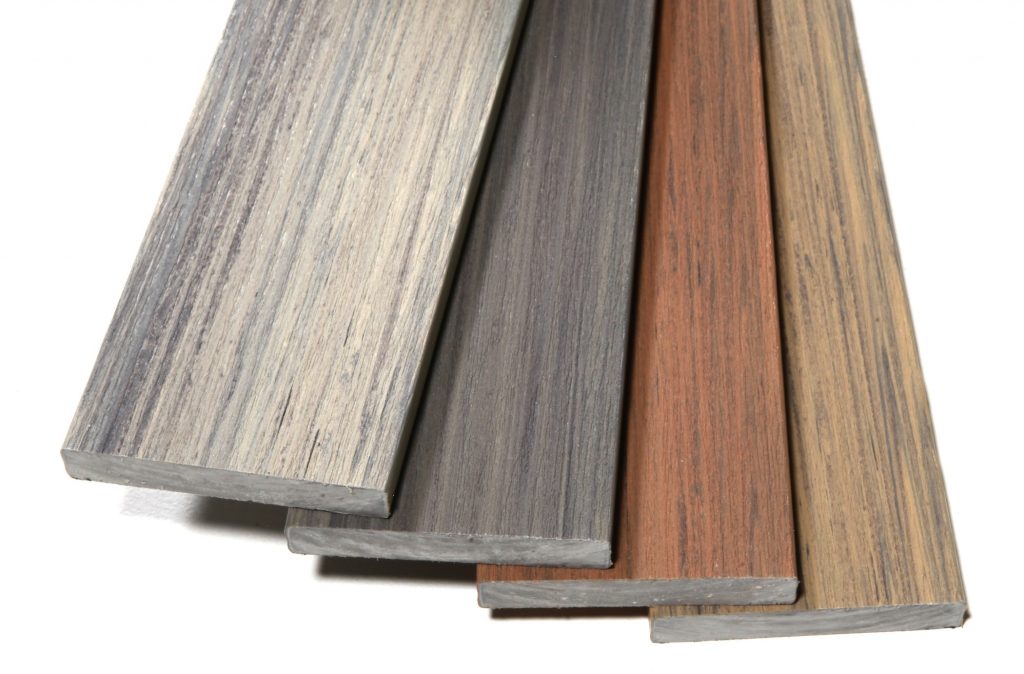
- Uniform manufacturing quality ensures consistent color, density, and dimensional stability across production batches.
- Improved installation efficiency when using modular clip systems, reducing labor time and material waste.
13.4 WPC Disadvantages:
- Higher initial procurement cost compared to low-grade natural wood, which may affect short-term project budgeting.
- Limited ability to achieve fully natural wood texture and grain depth, resulting in a more engineered appearance.
- Higher thermal expansion characteristics in some formulations, requiring correct installation spacing and technical handling.
- Repair complexity; damaged boards are typically replaced rather than refinished.
- Product quality varies significantly across manufacturers, making supplier selection critical for performance consistency.
14. Key Decision Factors for Buyers
When evaluating WPC vs wood price, buyers should consider:
- Budget (short-term vs long-term)
- Climate conditions
- Maintenance capability
- Expected service life
- Aesthetic requirements
- Installation complexity
15. Future Pricing Trends
15.1 WPC Price Trends
- Gradual cost reduction due to scaling production
- Improved manufacturing efficiency
- Increased recycled material usage
15.2 Wood Price Trends
- Gradual increase due to resource scarcity
- Environmental regulations impacting supply
- Rising transportation costs