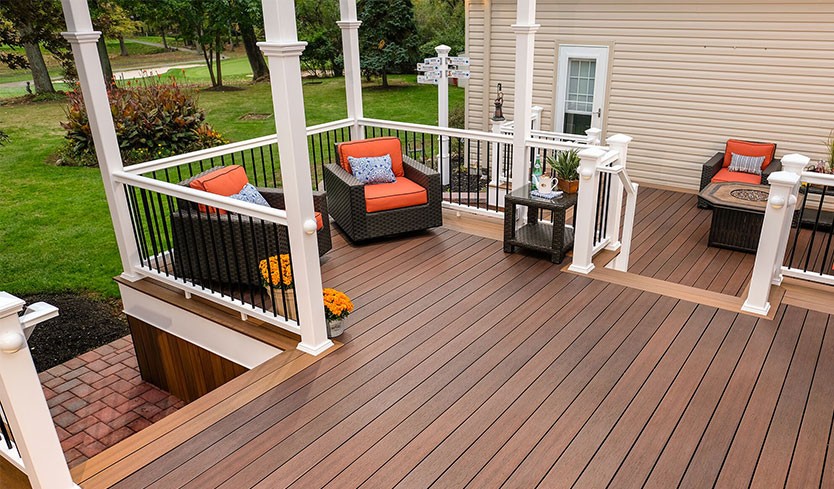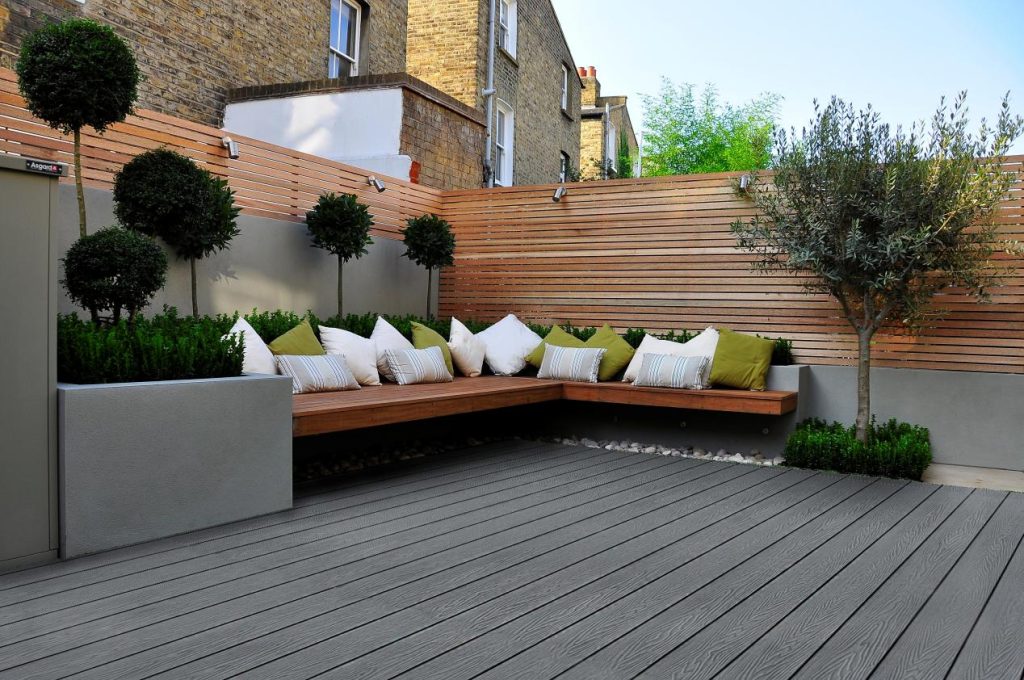
Choosing between composite decking and wood decking is one of the most important decisions in outdoor construction and landscape design. Both materials are widely used for patios, terraces, balconies, poolside platforms, and garden structures, but they differ significantly in composition, durability, maintenance requirements, cost structure, and long-term performance. The right choice depends on multiple engineering and environmental factors such as climate exposure, load requirements, installation conditions, lifecycle expectations, and aesthetic preferences. In modern residential and commercial construction, decking is no longer just a decorative surface—it is a functional architectural component that must withstand UV radiation, moisture cycling, mechanical wear, and biological degradation. This article provides a comprehensive technical and practical comparison between composite decking and wood decking from multiple perspectives, including material science, structural performance, maintenance engineering, environmental impact, installation efficiency, cost lifecycle analysis, design flexibility, and long-term usability.
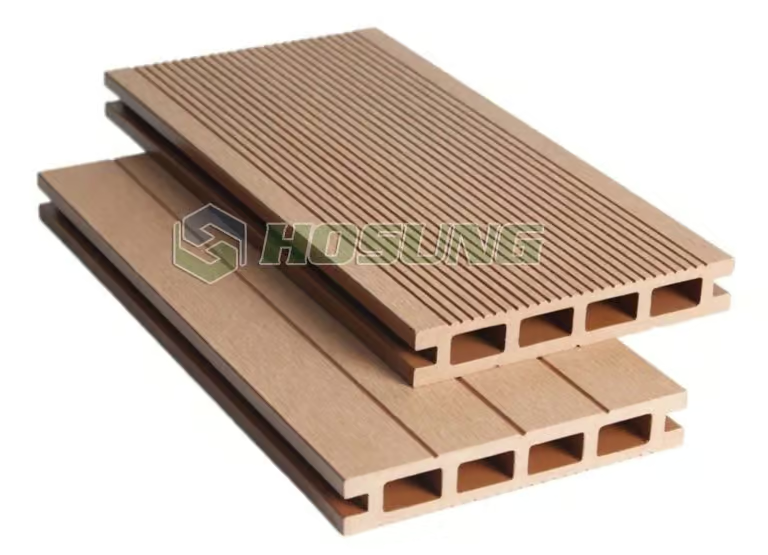
Table of Contents
Material Composition and Manufacturing Differences
Natural Wood Decking Structure
Wood decking is made from solid timber or engineered wood products derived directly from natural trees. Common species include hardwoods and softwoods, each with different density levels, grain structures, and natural resin content.
From a material science perspective, wood is a hygroscopic organic material, meaning it absorbs and releases moisture based on ambient humidity. This property directly influences its dimensional stability, causing expansion, contraction, warping, and cracking over time.
The internal structure of wood consists of cellulose fibers bonded by lignin, forming a porous matrix. While this structure provides natural strength and flexibility, it also creates pathways for moisture penetration, fungal growth, and insect infestation.
Composite Decking Structure
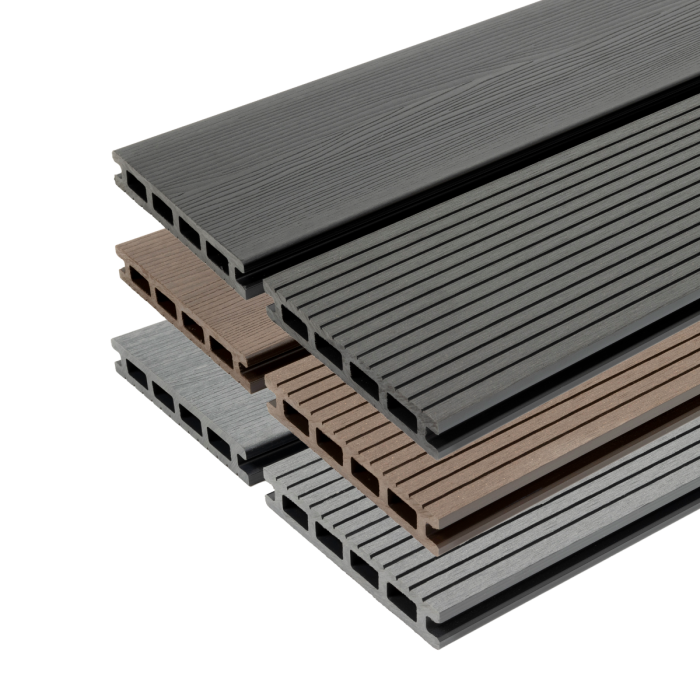
Composite decking is engineered from a blend of wood fibers and thermoplastic polymers. The wood component provides natural texture and stiffness, while the polymer matrix encapsulates the fibers, improving resistance to water absorption and biological degradation.
Most composite decking systems are manufactured using high-temperature extrusion or compression molding processes. Additives such as UV stabilizers, color pigments, and coupling agents are incorporated to enhance weather resistance and surface durability.
Unlike natural wood, composite materials are designed to maintain dimensional stability under fluctuating environmental conditions, reducing issues such as cracking, splintering, and decay.
Durability and Structural Performance Comparison
Resistance to Moisture and Weather Conditions
Wood decking is highly sensitive to moisture exposure. In humid or rainy environments, it tends to absorb water, leading to swelling and potential structural deformation. Repeated wet-dry cycles can accelerate surface degradation and internal cracking.
Composite decking exhibits significantly lower moisture absorption due to its polymer encapsulation. This makes it more suitable for environments with high rainfall, coastal humidity, or frequent irrigation exposure.
From a structural engineering perspective, composite materials maintain more consistent load-bearing performance over time, especially in outdoor applications where environmental conditions fluctuate frequently.
UV Exposure and Surface Degradation
Ultraviolet radiation is one of the primary degradation factors for outdoor decking materials.
Wood naturally undergoes photodegradation when exposed to sunlight, resulting in color fading, surface roughening, and eventual fiber breakdown unless treated with protective coatings.
Composite decking includes UV-resistant additives that slow down photodegradation. While some color fading may still occur over long periods, the structural integrity remains largely unaffected.
Resistance to Biological Damage
Wood is susceptible to biological attacks such as termites, fungi, mold, and rot. These issues can compromise both appearance and structural safety if not properly treated and maintained.
Composite decking is resistant to most biological threats due to its synthetic polymer content, which does not serve as a food source for insects or microorganisms.
This difference significantly reduces long-term maintenance risks and extends service life in biologically active environments such as forests, gardens, and humid regions.
Maintenance Requirements and Lifecycle Management
Maintenance Demands of Wood Decking
Wood decking requires continuous maintenance to preserve its structural and visual properties. Typical maintenance activities include:
- Periodic sealing or staining
- Surface sanding to remove splinters
- Anti-fungal and anti-insect treatment applications
- Regular inspection for cracks and rot
These maintenance tasks not only require labor but also recurring material costs. Over time, maintenance becomes a significant portion of total lifecycle expense.
Maintenance Profile of Composite Decking
Composite decking is engineered for low-maintenance performance. In most cases, routine cleaning with water and mild detergent is sufficient to maintain surface appearance.
There is no need for sanding, sealing, or chemical treatment under normal usage conditions. This reduces long-term operational costs and simplifies property management, especially for commercial or high-traffic installations.
Lifecycle Efficiency Comparison
When evaluated over a 10–25 year lifecycle, composite decking generally demonstrates lower total cost of ownership due to reduced maintenance requirements and longer service life.
Wood decking may offer lower initial cost, but its cumulative maintenance and replacement costs can exceed composite alternatives over time, particularly in harsh climates.
Cost Analysis and Economic Efficiency
Initial Material Costs
Wood decking is typically less expensive at the point of purchase, especially for softwood varieties. This makes it attractive for short-term projects or budget-sensitive applications.
Composite decking has a higher upfront cost due to its manufacturing complexity and material engineering processes. The inclusion of polymers, stabilizers, and advanced production techniques increases production costs.
Installation Costs
Installation cost depends on labor intensity, material handling, and required structural preparation.
Wood decking often requires more precise handling due to variability in board dimensions and natural defects. It may also require additional preparation steps such as sealing before installation.
Composite decking is generally more uniform in shape and size, which improves installation efficiency and reduces cutting waste. However, some composite systems may require specialized fastening systems.
Long-Term Financial Perspective
From a lifecycle cost perspective, composite decking often becomes more cost-efficient due to reduced maintenance, fewer repairs, and longer replacement cycles.
Wood decking may require partial or full replacement within a shorter timeframe depending on environmental exposure and maintenance quality.
Environmental Impact and Sustainability Considerations
Wood as a Renewable Resource
Wood is a renewable material when sourced from responsibly managed forests. It has a lower embodied energy compared to synthetic materials and is biodegradable at the end of its lifecycle.
However, unsustainable harvesting practices can lead to deforestation, biodiversity loss, and ecological imbalance.
Environmental Profile of Composite Materials
Composite decking incorporates recycled wood fibers and plastic polymers in many modern formulations. This can help reduce landfill waste and promote material reuse.
However, composite materials are not fully biodegradable and present challenges in end-of-life recycling. Their environmental footprint depends heavily on production methods and material sourcing.
Carbon Footprint Comparison
Wood generally has a lower manufacturing carbon footprint, while composite materials may offer better long-term environmental efficiency due to extended lifespan and reduced replacement frequency.
The overall sustainability outcome depends on balancing production impact with durability and lifecycle extension.
Installation Process and Engineering Considerations
Wood Decking Installation Characteristics
Wood installation requires careful selection of boards to avoid defects such as knots, cracks, and warping. It is typically fastened using screws or nails, and spacing must be carefully managed to allow for natural expansion and contraction.
Environmental conditions at the time of installation can significantly influence long-term performance.
Composite Decking Installation Characteristics
Composite decking systems are designed for standardized installation processes. Boards are typically uniform in dimension, which improves alignment and structural consistency.
Hidden fastening systems are often used to create smooth surface finishes without visible screws. However, thermal expansion properties still need to be considered during installation planning.
Structural Subframe Requirements
Both materials require a stable substructure, typically made from treated timber or metal framing systems. Composite decking may require more precise subframe spacing due to its engineered flexibility characteristics.
Aesthetic Qualities and Design Flexibility
Natural Appearance of Wood
Wood decking is highly valued for its natural grain patterns, color variation, and organic texture. Each board is unique, which creates a visually rich and authentic outdoor aesthetic.
Over time, wood develops a weathered patina, which some users consider visually appealing.
Design Consistency in Composite Decking
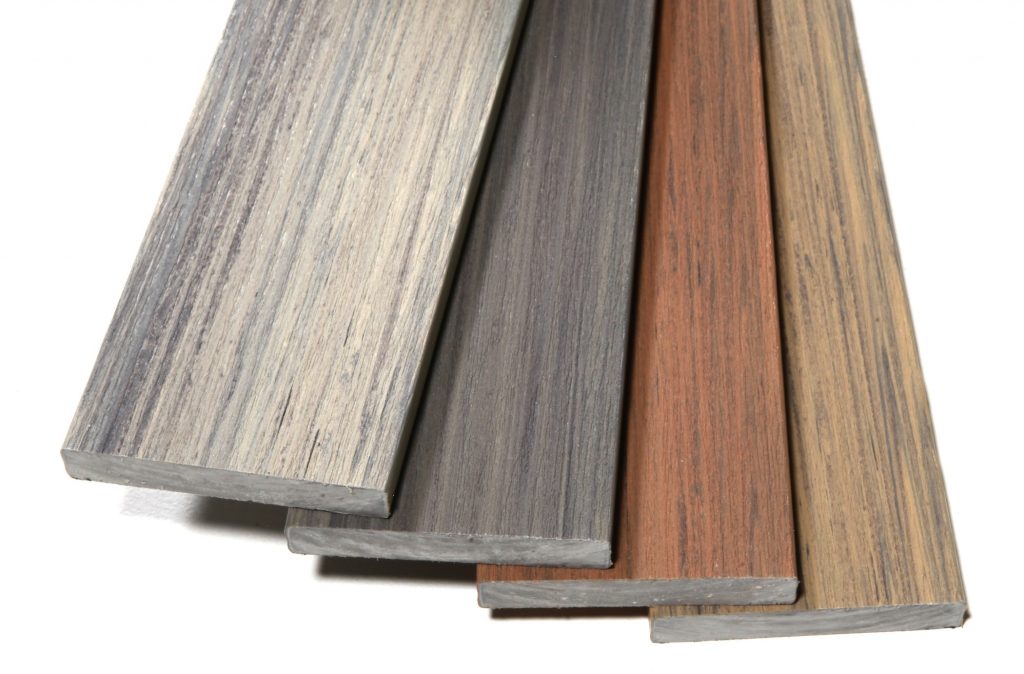
Composite decking offers greater uniformity in color and texture. It can be manufactured in a wide range of shades and surface patterns that mimic natural wood while maintaining consistency across large installations.
This makes it particularly suitable for modern architectural designs that require controlled visual aesthetics.
Customization Options
Composite materials allow for more controlled color integration and surface engineering, enabling consistent design themes across outdoor spaces.
Wood, while naturally beautiful, offers less predictability in color matching and long-term appearance consistency.
Safety, Comfort, and User Experience
Surface Safety Characteristics
Wood can develop splinters over time, which may pose safety concerns, especially in barefoot environments.
Composite decking typically maintains a smoother surface finish, reducing splinter risk and improving user comfort.
Heat Retention and Thermal Behavior
Both materials respond to sunlight exposure, but composite surfaces may retain more heat depending on polymer composition and color selection.
Wood generally has lower heat retention properties, making it more comfortable under direct sunlight in some cases.
Slip Resistance
Surface texture design plays a key role in slip resistance. Composite decking can be engineered with anti-slip textures, while wood naturally provides grip due to grain structure, although wear can reduce effectiveness over time.
Repairability and Long-Term Maintenance Strategy
Wood Repair Flexibility
One advantage of wood decking is its repairability. Damaged sections can often be sanded, patched, or replaced individually without affecting the entire structure.
This makes wood suitable for phased maintenance strategies.
Composite Repair Limitations
Composite decking is more difficult to repair at a surface level. Damaged boards are typically replaced rather than repaired. However, the frequency of such damage is generally lower due to improved durability.
Climate Suitability and Regional Performance
Humid and Rainy Climates
Composite decking performs better in consistently wet environments due to its low moisture absorption and resistance to rot.
Dry and Temperature-Variable Climates
Wood can perform well in dry climates if properly maintained, but may suffer from cracking under extreme temperature fluctuations.
Composite materials maintain more stable performance across varying climates.
Long-Term Value and Application Scenarios
Wood decking is often preferred in applications where natural aesthetics and lower upfront cost are priorities. It is commonly used in residential gardens, traditional architecture, and short-to-medium-term installations.
Composite decking is more suitable for long-term infrastructure, commercial spaces, public walkways, pool decks, and environments where maintenance efficiency and durability are critical.
Conclusion: Which Is Better Composite or Wood Decking
The decision between composite and wood decking ultimately depends on project priorities, environmental conditions, budget allocation, and lifecycle expectations.
Wood decking offers natural aesthetics, lower initial cost, and easier localized repairs, making it suitable for traditional and flexible design applications. However, it requires continuous maintenance and has a shorter lifespan under harsh environmental exposure.
Composite decking provides superior durability, lower maintenance requirements, and greater long-term cost efficiency. It is engineered for consistent performance in diverse climates and is increasingly favored in modern construction due to its stability and reduced lifecycle management demands.
For projects that prioritize long-term value, reduced maintenance workload, and environmental resilience, composite solutions are generally the more efficient choice. In contrast, wood remains relevant where natural appearance and initial budget constraints are dominant factors.
In practical manufacturing and supply chain applications, solutions such as those developed by Hosung WPC reflect how engineered composite decking systems continue to evolve toward higher performance, improved sustainability, and broader architectural adaptability.