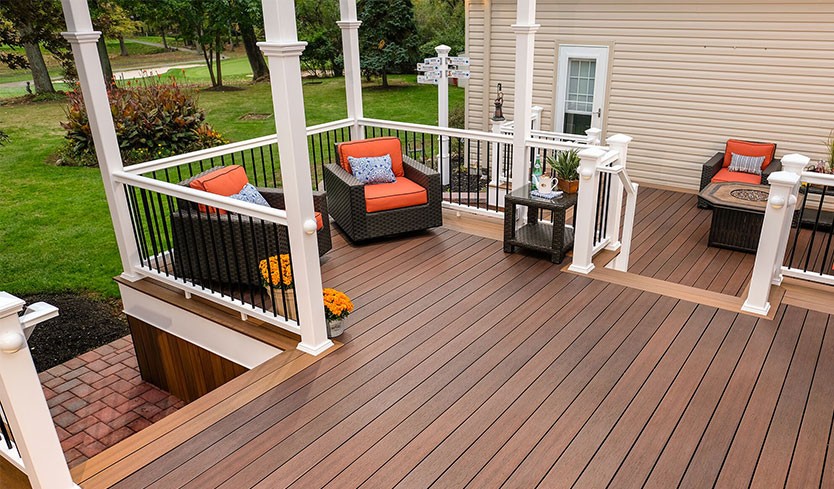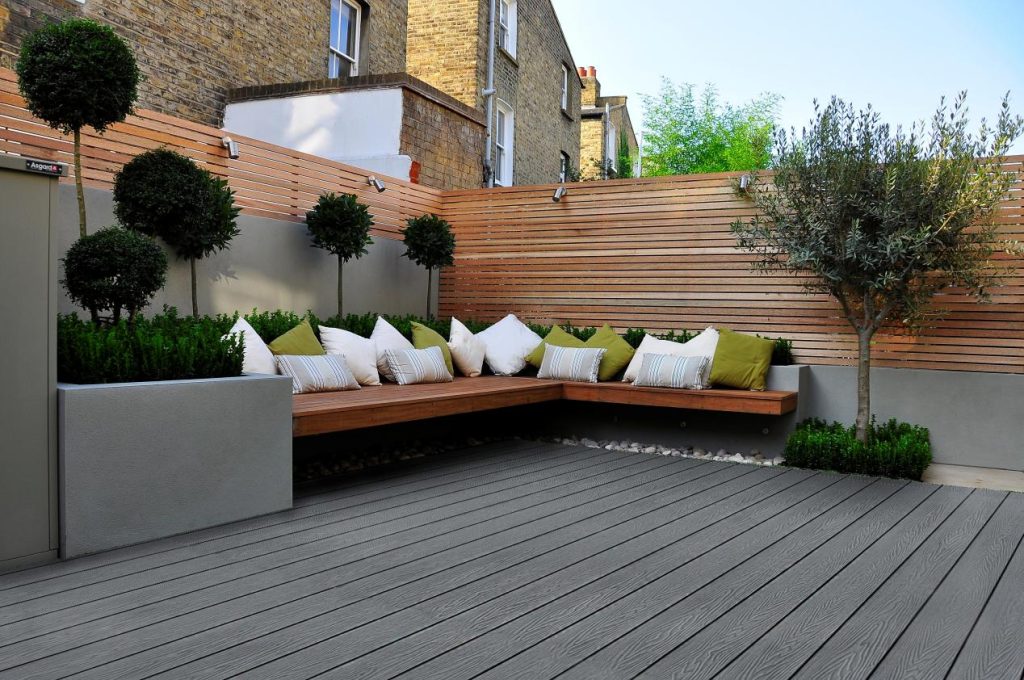
Composite decking has become one of the most popular outdoor flooring solutions for residential, commercial, and landscaping projects worldwide. Combining the natural appearance of wood with advanced polymer technology, composite decking provides excellent durability, weather resistance, and low maintenance compared with traditional timber decking. For large-scale projects, the length of decking boards is an important factor that influences installation efficiency, appearance, material waste, and overall project costs. Among different sizes available on the market, composite decking 6m lengths are increasingly preferred by builders, architects, and contractors because they offer extended coverage with fewer joints and a cleaner finished appearance.
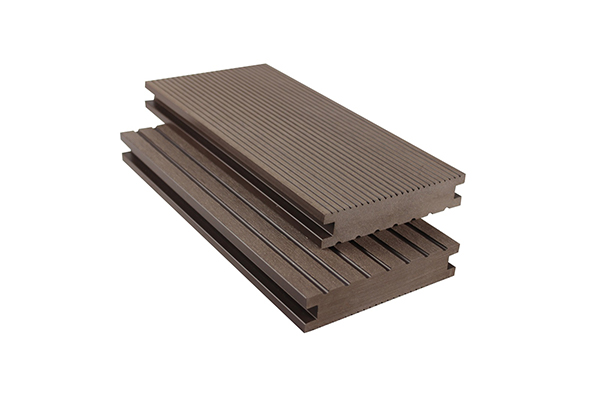
Table of Contents
Long decking boards are especially suitable for spacious outdoor areas such as gardens, balconies, swimming pool surroundings, resorts, commercial terraces, and public landscape projects. By reducing the number of connections between boards, longer lengths can create a more seamless surface while improving installation speed.
This article explains everything you need to know about long composite decking boards, including their features, benefits, applications, installation considerations, and how to choose the right option for different construction requirements.
What Are Long Composite Decking Boards?
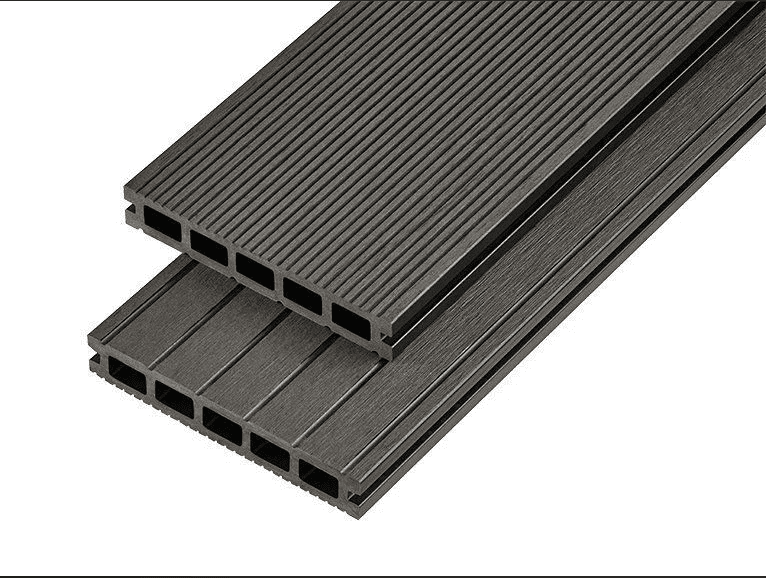
Composite decking boards are manufactured using a combination of wood fibers, recycled plastics, and bonding additives. This engineered structure creates a durable material that maintains the visual appeal of natural wood while overcoming many disadvantages associated with traditional timber.
Unlike conventional wood boards, composite decking does not easily crack, warp, split, or absorb moisture. The manufacturing process allows producers to create decking boards in different dimensions, surface textures, colors, and lengths to meet various project requirements.
Composite decking 6m lengths refer to extended composite deck boards that measure approximately six meters in length. These longer boards are designed for projects requiring wider coverage and fewer seams. They are commonly used in professional landscaping, commercial developments, and large outdoor construction projects where efficiency and visual consistency are important.
Compared with shorter decking boards, six-meter boards can significantly reduce the number of joints across a deck area. This creates a smoother appearance and minimizes potential weak points caused by multiple connections.
Main Features of Long Composite Decking Boards
1. Fewer Joints for a Cleaner Appearance
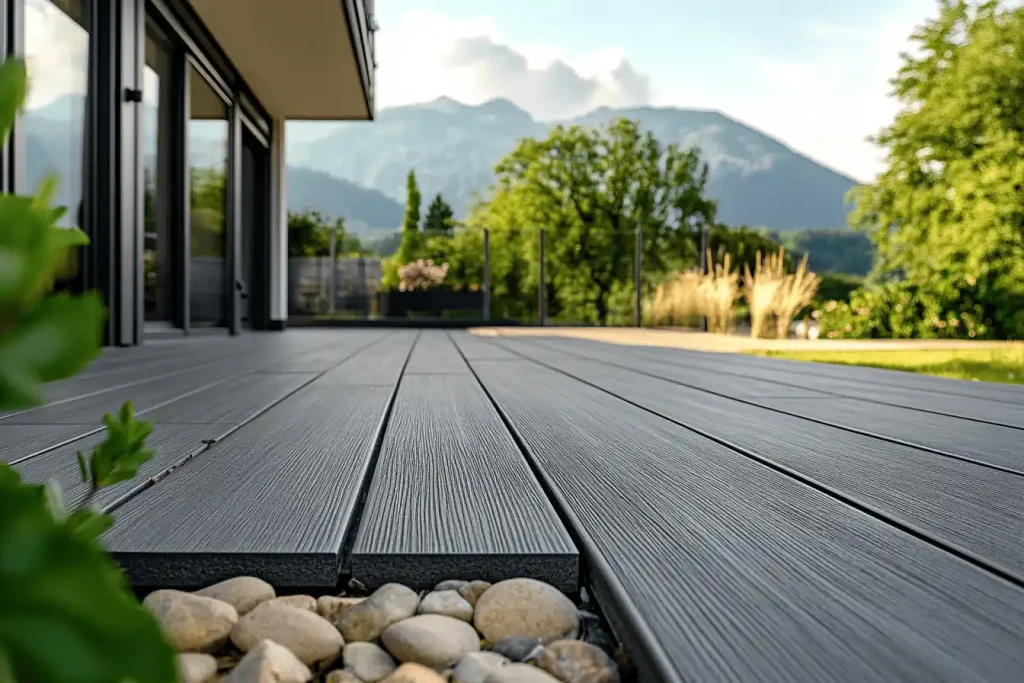
One of the biggest advantages of using longer decking boards is the reduction of visible joints. Traditional decking installations often require multiple shorter boards connected together, creating more seams across the surface.
Long boards provide a continuous visual flow, making outdoor spaces appear larger, more modern, and professionally designed. This is particularly valuable for premium residential projects, hotels, restaurants, and commercial landscapes where appearance plays an important role.
A deck installed with longer boards can achieve a more elegant finish because the surface pattern remains uninterrupted.
2. Improved Installation Efficiency
For contractors and professional installers, construction speed is a major consideration. Using longer boards means fewer pieces need to be measured, cut, aligned, and fixed during installation.
This can reduce labor requirements and shorten project completion times, especially for large decking areas.
For example, a large terrace project may require hundreds of individual boards when using short-length materials. Longer boards can dramatically reduce the number of components needed, making transportation, installation planning, and project management easier.
3. Reduced Material Waste
During decking installation, cutting and fitting boards can create material waste. Shorter boards often require more joining and adjustment, increasing leftover pieces.
Longer composite boards provide greater flexibility because installers can cover larger areas with fewer cuts. This helps improve material utilization and can reduce overall project expenses.
For environmentally conscious projects, reducing waste is also an important sustainability advantage.
4. Strong Durability and Weather Resistance
Composite decking is engineered to withstand challenging outdoor conditions. High-quality boards are designed to resist:
- Heavy rain
- Humidity
- UV exposure
- Temperature changes
- Insect damage
- Mold and mildew growth
Unlike natural timber, composite materials do not require regular staining, painting, or sealing. This makes them ideal for outdoor environments where exposure to weather is unavoidable.
Long composite boards maintain structural stability over many years when properly installed and maintained.
Why Choose Composite Decking in 6 Meter Lengths?
Suitable for Large Outdoor Areas
Large outdoor spaces often require materials that can cover wide areas efficiently. Long decking boards are especially useful for:
- Swimming pool decks
- Garden pathways
- Rooftop terraces
- Resort landscapes
- Commercial plazas
- Public parks
- Restaurant outdoor seating areas
Using extended boards helps create consistent surfaces across large spaces without excessive breaks.
Better Visual Continuity
The appearance of a deck is an important design consideration. Excessive joints can interrupt the natural wood-like appearance of composite decking.
Longer boards allow designers to achieve cleaner lines and a more luxurious appearance. This is especially important in modern architectural projects where simple, continuous designs are preferred.
Architects often choose longer decking solutions because they provide greater freedom when designing large outdoor living spaces.
Lower Long-Term Maintenance Requirements
Composite decking already requires less maintenance than traditional wood. When longer boards are installed correctly, there are fewer connection points that may require inspection or adjustment over time.
The reduced number of joints can help minimize potential issues related to:
- Board movement
- Fastener problems
- Water accumulation
- Dirt collection
This contributes to easier maintenance throughout the product lifespan.
Common Applications of Long Composite Deck Boards
Residential Outdoor Spaces
Homeowners increasingly use composite decking to create comfortable outdoor living areas. Long boards are suitable for:
- Backyard decks
- Patios
- Garden platforms
- Outdoor dining areas
- Balcony flooring
A seamless deck surface can improve the overall appearance of residential properties while increasing usable outdoor space.
Commercial and Hospitality Projects
Hotels, resorts, cafes, and restaurants often require attractive outdoor environments that can handle heavy foot traffic.
Long composite decking boards are widely used in hospitality projects because they provide:
- Professional appearance
- High durability
- Easy cleaning
- Long service life
Outdoor dining terraces and pool areas benefit particularly from the clean appearance created by fewer board connections.
Public Landscaping Projects
Municipal parks, walking paths, and recreational facilities often require durable materials that can withstand frequent use.
Composite decking offers advantages over traditional wood because it requires less maintenance and performs better under changing weather conditions.
Long boards are practical for these projects because they simplify installation across large areas.
Installation Considerations for Long Composite Decking Boards
Although longer decking boards offer many benefits, proper installation is essential to ensure performance and durability.
1. Allow for Thermal Expansion
Composite materials expand and contract slightly with temperature changes. Installers must leave appropriate expansion gaps according to manufacturer recommendations.
Incorrect spacing may cause boards to buckle, shift, or experience unnecessary stress.
2. Prepare a Strong Substructure
The supporting framework beneath the decking is critical for long-term stability.
A properly designed substructure should include:
- Suitable joist spacing
- Strong support materials
- Correct alignment
- Proper drainage design
Because longer boards cover larger areas, the foundation system must be carefully planned to support the additional span.
3. Consider Transportation and Handling
Long decking boards require careful handling during delivery and installation.
Before ordering, project managers should consider:
- Transportation limitations
- Storage space
- Site access conditions
- Number of workers required for handling
Although longer boards improve installation efficiency, proper logistics planning is necessary.
Composite Decking 6m Lengths vs Standard Length Boards
When selecting decking materials, many buyers compare standard-length boards with longer alternatives.
Installation Speed
Long boards generally provide faster installation because fewer individual pieces are required. Standard boards may require more connections and additional alignment work.
Appearance
Long boards usually create a cleaner and more continuous appearance. Shorter boards may create more visible seams across the deck surface.
Project Suitability
Standard lengths may be suitable for smaller residential projects, while longer boards are often preferred for larger commercial or architectural applications.
Cost Efficiency
Although longer boards may require more careful transportation, they can reduce labor costs and installation time. For large projects, these savings can offset the initial investment.
How to Choose the Right Long Composite Decking Boards?
Choosing suitable decking requires evaluating several important factors.
1. Material Composition
Different manufacturers use different formulas. High-quality composite decking typically contains a balanced combination of wood fibers and polymer materials.
A good composition provides:
- Better strength
- Improved weather resistance
- More stable dimensions
- Longer lifespan
2. Surface Design
Composite decking is available with different surface finishes, including:
- Wood grain textures
- Brushed surfaces
- Embossed patterns
- Anti-slip designs
The right texture depends on the intended application.
For pool areas and outdoor public spaces, slip resistance is often a priority.
3. Color Options
Modern composite decking comes in various colors, such as:
- Brown wood tones
- Grey modern shades
- Black contemporary finishes
- Natural timber colors
The selected color should complement surrounding architecture and landscape design.
4. Load Requirements
Different projects require different levels of strength. Commercial applications with heavy foot traffic may need reinforced decking profiles.
Before purchasing, buyers should confirm:
- Board thickness
- Weight capacity
- Span requirements
- Installation recommendations
Maintenance Tips for Long Composite Decking
One of the biggest advantages of composite decking is simple maintenance.
Regular cleaning usually requires only:
- Sweeping away dust and leaves
- Washing with water
- Removing stains promptly
For deeper cleaning, mild soap and a soft brush can usually remove accumulated dirt.
Unlike traditional timber decking, composite materials do not require:
- Annual painting
- Wood staining
- Chemical sealing treatments
Proper cleaning helps preserve the appearance and performance of the decking for many years.
Environmental Benefits of Composite Decking
Sustainability has become increasingly important in modern construction.
Composite decking often uses recycled materials, including reclaimed wood fibers and recycled plastics. This helps reduce dependence on natural timber resources.
Additional environmental advantages include:
- Longer product lifespan
- Reduced replacement frequency
- Lower maintenance chemical usage
- Less construction waste
For green building projects, composite decking can support sustainable design objectives.
Future Development Trends of Composite Decking
The composite decking industry continues to develop with improvements in material technology and manufacturing processes.
Future trends include:
Enhanced Realistic Wood Appearance
Manufacturers continue improving surface textures and printing technologies to create more realistic wood patterns.
Better Performance
New formulations are being developed to improve:
- Strength
- UV resistance
- Fire performance
- Temperature stability
More Sustainable Materials
The use of recycled and environmentally friendly materials is expected to increase as sustainability becomes a stronger priority in construction.
Customized Sizes and Designs
As project requirements become more diverse, customized decking dimensions and profiles will become increasingly common.
Conclusion
Composite decking has transformed outdoor flooring by providing a durable, attractive, and low-maintenance alternative to traditional wood. For large-scale projects requiring efficiency, visual consistency, and long-term performance, composite decking 6m lengths provide an excellent solution.
Their extended size reduces installation time, minimizes joints, improves appearance, and helps reduce material waste. Whether used for residential gardens, commercial terraces, hospitality projects, or public landscapes, long composite decking boards offer practical and aesthetic advantages.
When selecting decking materials, buyers should consider product quality, installation requirements, environmental conditions, and project design goals. With proper planning and professional installation, long composite decking boards can create beautiful outdoor spaces that remain functional and attractive for many years.