Exterior wall decoration plays an important role in modern construction projects. Whether it is a residential building, commercial property, hotel, office space, or landscape structure, the choice of exterior wall materials directly affects the appearance, durability, maintenance requirements, and overall value of a building. For buyers and project developers, understanding the factors behind the wpc outdoor wall panel price is essential before making a purchasing decision. The final cost is influenced by multiple elements, including material composition, panel dimensions, surface treatment, manufacturing technology, order quantity, transportation, and installation requirements.
Table of Contents
In recent years, wood plastic composite (WPC) outdoor wall panels have become increasingly popular among architects, contractors, builders, and homeowners. These panels combine the natural appearance of wood with the durability of polymer materials, offering an attractive and practical solution for outdoor decoration. Compared with traditional wood siding, WPC wall panels provide better resistance to moisture, insects, cracking, and weather changes.
This comprehensive guide explains what affects WPC outdoor wall panel costs, why these products are widely used, how to evaluate suppliers, and how to choose the right solution for different construction applications.
What Are WPC Outdoor Wall Panels?
WPC outdoor wall panels are exterior decorative materials manufactured from a combination of wood fibers, plastic polymers, and functional additives. Through advanced extrusion and surface processing technology, these raw materials are transformed into durable panels designed specifically for outdoor environments.
The main purpose of WPC wall panels is to provide a protective and decorative layer for exterior walls. They can improve the visual appearance of buildings while helping protect structures from environmental factors such as rain, humidity, ultraviolet radiation, and temperature fluctuations.
Unlike traditional natural wood, WPC materials do not easily absorb water and are less likely to experience problems such as warping, rotting, or insect damage. This makes them suitable for long-term outdoor applications where low maintenance and reliable performance are required.
The typical structure of WPC outdoor wall panels includes several important components:
Wood Fiber
Wood fiber provides a natural texture and improves the appearance of the final product. It helps create a warm and realistic wood-like effect while maintaining better stability than pure wood materials.
Polymer Materials
Plastic components improve waterproof performance and durability. They help prevent moisture penetration and increase resistance against outdoor conditions.
Functional Additives
Manufacturers may add UV stabilizers, color pigments, reinforcement agents, and other materials to improve weather resistance, color stability, and service life.
The combination of these materials creates an exterior wall solution that balances aesthetics, performance, and cost efficiency.
Why Are WPC Outdoor Wall Panels Becoming More Popular?
The demand for WPC wall panels continues to grow because modern construction projects require materials that offer both attractive design and practical performance.
Strong Weather Resistance
Outdoor walls are exposed to changing weather conditions throughout the year. Traditional materials may deteriorate over time due to rain, sunlight, humidity, and temperature changes.
WPC wall panels are engineered to withstand these environmental challenges. Their moisture-resistant structure helps reduce problems caused by water absorption, while UV-resistant properties help maintain surface appearance under long-term sunlight exposure.
This makes WPC wall panels suitable for different climates, including areas with high humidity, heavy rainfall, or strong sunlight.
Low Maintenance Requirements
One of the biggest advantages of WPC wall panels is their low maintenance demand.
Natural wood requires regular painting, waterproof treatment, and surface protection to maintain its appearance. Without proper maintenance, wood siding may fade, crack, or become damaged.
WPC panels generally require only simple cleaning to maintain their appearance. This advantage is especially valuable for large commercial projects where maintenance costs can significantly affect long-term operating expenses.
Attractive Appearance
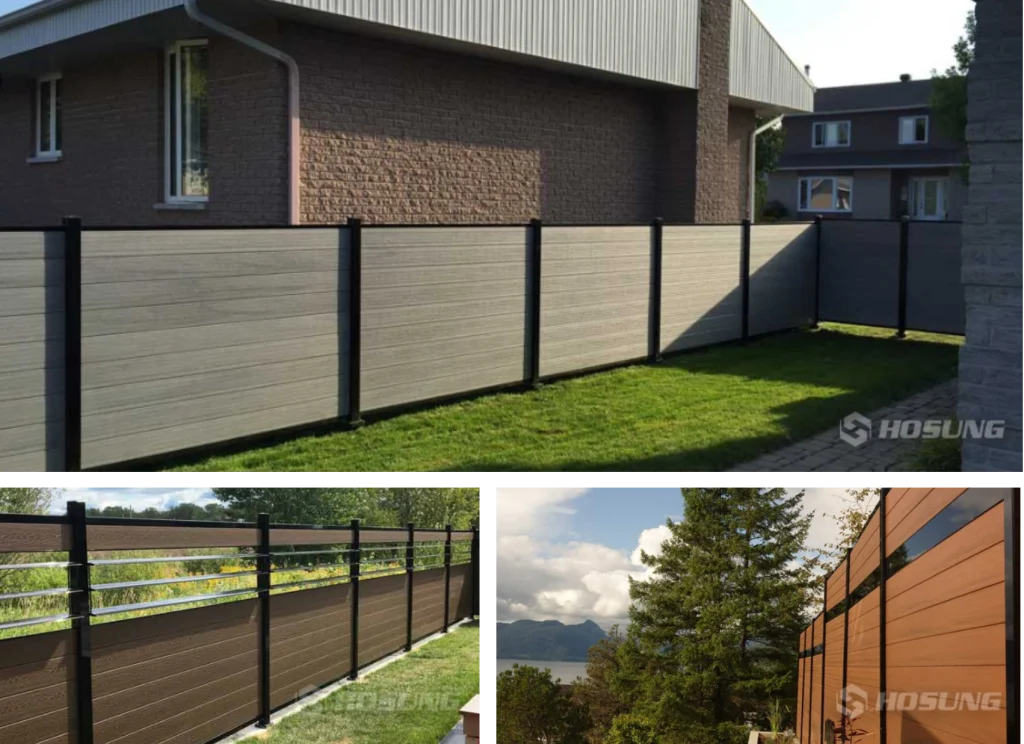
Modern architectural design often focuses on combining natural aesthetics with advanced materials. WPC wall panels can replicate the appearance of traditional wood while offering more stable performance.
They are available in different colors, textures, and surface patterns, allowing designers to create various exterior styles.
Common applications include:
- Residential exterior walls
- Villas
- Balconies
- Garden buildings
- Commercial properties
- Hotels
- Office buildings
- Public facilities
- Landscape decoration projects
The design flexibility of WPC panels allows them to match different architectural concepts.
Main Factors Affecting WPC Outdoor Wall Panel Price
Many buyers focus only on the quotation provided by suppliers. However, different products may have significant differences in quality, performance, and service life. Understanding the main cost factors helps buyers make better purchasing decisions.
1. Material Composition and Quality
The raw materials used in WPC production have a direct impact on product performance and cost.
High-quality WPC panels usually use carefully selected wood fibers and polymers with stable characteristics. These materials improve mechanical strength, weather resistance, and long-term durability.
Lower-cost products may use cheaper raw materials, which can reduce production expenses but may also affect stability and appearance.
When comparing suppliers, buyers should consider:
- Material ratio
- Raw material quality
- Product density
- Environmental performance
- Outdoor durability
- Expected service life
A product with a slightly higher initial investment may provide better value because it can reduce replacement and maintenance costs in the future.
2. Panel Thickness and Size
The dimensions of WPC wall panels are another important factor affecting overall cost.
Thicker panels generally provide better strength, impact resistance, and structural stability. They may also offer improved insulation performance.
Larger panels can reduce installation time because fewer pieces are needed to cover the same wall area. However, oversized panels may increase packaging and transportation requirements.
When evaluating the wpc outdoor wall panel price, buyers should not only compare the cost per piece but also calculate the cost based on the total coverage area.
The actual project budget should include:
- Material quantity
- Installation efficiency
- Transportation expenses
- Accessories
- Long-term maintenance
This provides a more accurate understanding of the total investment.
3. Surface Treatment Technology
Surface finishing technology plays an important role in both appearance and performance.
Different surface treatments can provide different benefits:
Wood Grain Embossing
Embossed surfaces create realistic wood textures and improve decorative effects.
Protective Coating
Additional protective layers can improve resistance against fading, scratches, stains, and environmental damage.
Brushed Surface
Brushing technology creates unique textures and enhances the natural appearance of the panel.
Advanced surface treatment usually increases production costs, but it can significantly improve product appearance and durability.
4. Manufacturing Process
Production technology is another factor influencing product quality and pricing.
A professional manufacturing process usually includes:
- Raw material mixing
- Extrusion molding
- Cooling and shaping
- Surface processing
- Quality inspection
- Packaging
Modern production equipment helps manufacturers maintain consistent dimensions, stable colors, and reliable performance.
Factories with efficient production systems can also provide better delivery capability, especially for large-volume projects.
5. Order Quantity
Purchase volume has a major influence on supplier quotations.
Large orders usually receive more competitive pricing because manufacturers can optimize production schedules and reduce operational costs.
For distributors, contractors, and construction companies, purchasing larger quantities in advance can help control project budgets.
However, buyers should also consider storage conditions, project schedules, and transportation arrangements before placing large orders.
6. Customization Requirements
Some projects require customized solutions, such as special colors, unique dimensions, or specific surface designs.
Customization may increase manufacturing costs because it requires additional production adjustments, special molds, or different material preparation.
Standard products are usually more economical, while customized products provide greater design flexibility.
How to Choose the Right WPC Outdoor Wall Panels
Selecting the right product requires more than comparing prices. Buyers should evaluate several important factors.
Check Product Quality
Before purchasing, review product specifications, technical information, and performance characteristics.
Important indicators include:
- Density
- Water resistance
- UV resistance
- Impact strength
- Surface quality
- Color stability
Reliable suppliers should provide detailed product information and quality assurance.
Consider Application Environment
Different environments have different requirements.
For example:
- Coastal areas require stronger corrosion and moisture resistance.
- Sunny regions require excellent UV protection.
- High-humidity areas require better waterproof performance.
Choosing products based on environmental conditions can improve long-term performance.
Evaluate Supplier Capability
A good supplier should have stable production capacity, quality control systems, and experience with international projects.
Important evaluation factors include:
- Manufacturing experience
- Production capacity
- Export experience
- Technical support
- Communication efficiency
A professional supplier can help customers select suitable products and avoid unnecessary costs.
Installation Considerations for WPC Wall Panels
Installation quality directly affects the final appearance and service life of exterior wall panels.
Before installation, the wall surface should be properly prepared. A stable supporting structure is necessary to ensure panel alignment and prevent deformation.
Common installation steps include:
- Preparing the wall structure
- Installing supporting frames
- Fixing panels with suitable accessories
- Checking alignment and spacing
- Completing finishing work
Professional installation helps maximize the performance advantages of WPC materials.
Although installation costs are separate from material costs, efficient installation methods can reduce labor expenses and improve project efficiency.
Long-Term Value of WPC Outdoor Wall Panels
When evaluating exterior materials, buyers should consider total ownership costs rather than only the initial purchase price.
Traditional materials may appear cheaper at the beginning but require frequent maintenance, repainting, or replacement.
WPC wall panels offer advantages such as:
- Long service life
- Reduced maintenance needs
- Stable appearance
- Better weather resistance
- Easy cleaning
These benefits make them a cost-effective choice for many construction projects.
A proper evaluation of the wpc outdoor wall panel price should include both initial investment and long-term savings.
Future Development Trends of WPC Exterior Wall Materials
The construction industry is increasingly focused on sustainable and efficient materials. WPC products are expected to continue growing because they support modern requirements for durability, environmental responsibility, and attractive design.
Future developments may include:
- Improved recycling technologies
- More realistic surface textures
- Enhanced UV resistance
- Lightweight structural designs
- Greater customization options
As technology advances, WPC wall panels will likely become an increasingly important choice for exterior building decoration.

Conclusion
WPC outdoor wall panels provide an effective combination of beauty, durability, and practical performance. They are suitable for many applications, from private residential projects to large commercial developments.
Understanding the factors influencing cost is important for making informed purchasing decisions. Material quality, panel specifications, surface technology, manufacturing processes, order quantity, and customization requirements all affect the final quotation.
Instead of choosing products based only on the lowest offer, buyers should focus on overall value, including durability, maintenance requirements, and supplier reliability.
For companies looking for professional WPC exterior wall solutions, Hosung WPC provides manufacturing experience and product expertise to support different project requirements. Working with an experienced supplier helps ensure consistent quality, competitive solutions, and reliable cooperation for global construction markets.