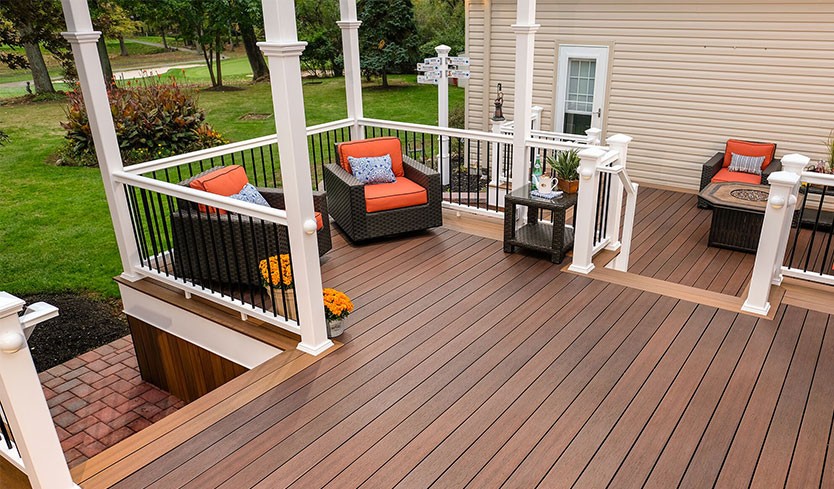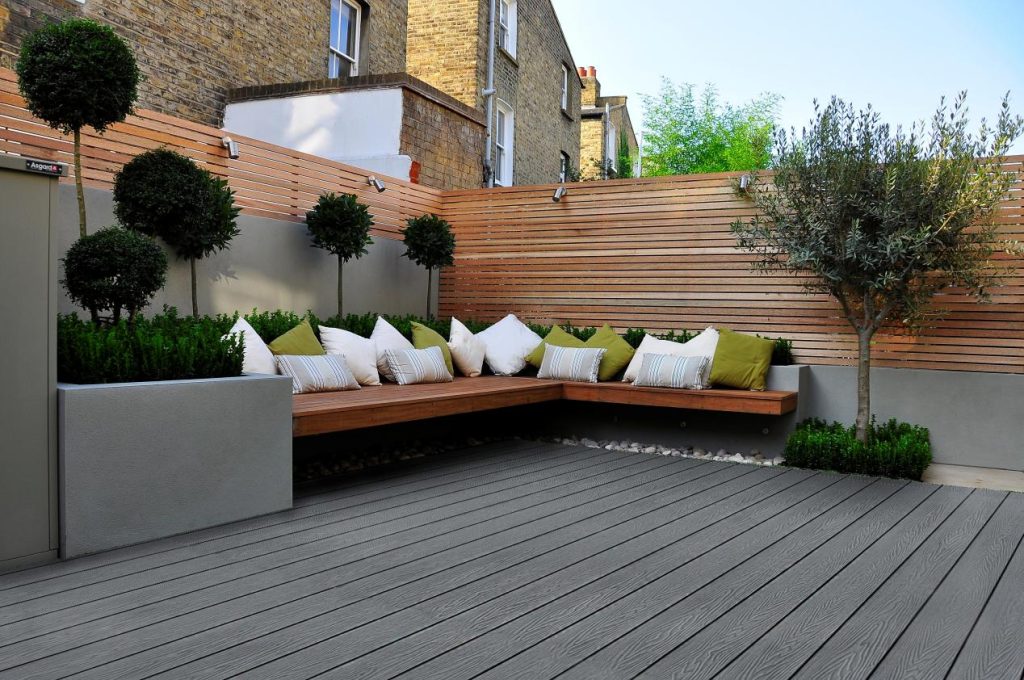
Composite decking has become a popular alternative to traditional wood decking because of its durability, low maintenance requirements, and resistance to common outdoor problems such as rot, cracking, and insect damage. However, when planning an outdoor living space in a cold climate, many homeowners and contractors have concerns about safety during winter months. One of the most common questions asked is is composite decking slippery in winter. This question is especially important for areas that experience snow, ice, freezing temperatures, and frequent moisture. The performance of composite decking in winter depends on several factors, including surface texture, drainage design, installation quality, weather conditions, and maintenance habits. Although no outdoor flooring material can completely eliminate the risk of slipping when covered with ice or snow, modern composite decking systems are designed with features that improve traction and provide safer walking surfaces throughout the year.

Table of Contents
Understanding Composite Decking Performance in Cold Weather
Composite decking is made by combining wood fibers and polymer materials through advanced manufacturing processes. Unlike natural wood, it does not absorb large amounts of water, which helps reduce problems caused by freezing and thawing cycles. When temperatures drop, composite boards generally maintain their structural stability and do not experience the same level of expansion, contraction, or surface damage commonly associated with untreated wood.
Winter conditions create unique challenges for any outdoor surface. Snow can cover the deck surface, ice can form after melting and refreezing, and moisture can remain trapped in areas with poor drainage. These conditions, rather than the decking material itself, are often the main causes of slippery surfaces.
A properly designed composite deck with an appropriate surface profile can provide reliable performance even during cold seasons. Many modern boards feature embossed patterns or textured finishes that increase friction between footwear and the deck surface, helping improve stability in wet or snowy environments.
Factors That Affect Winter Slip Resistance
When evaluating whether composite decking is suitable for winter use, it is important to consider multiple factors instead of focusing only on the material itself. Different designs, installation methods, and environmental conditions can significantly influence the overall safety of an outdoor deck.
Surface Texture and Embossing Design
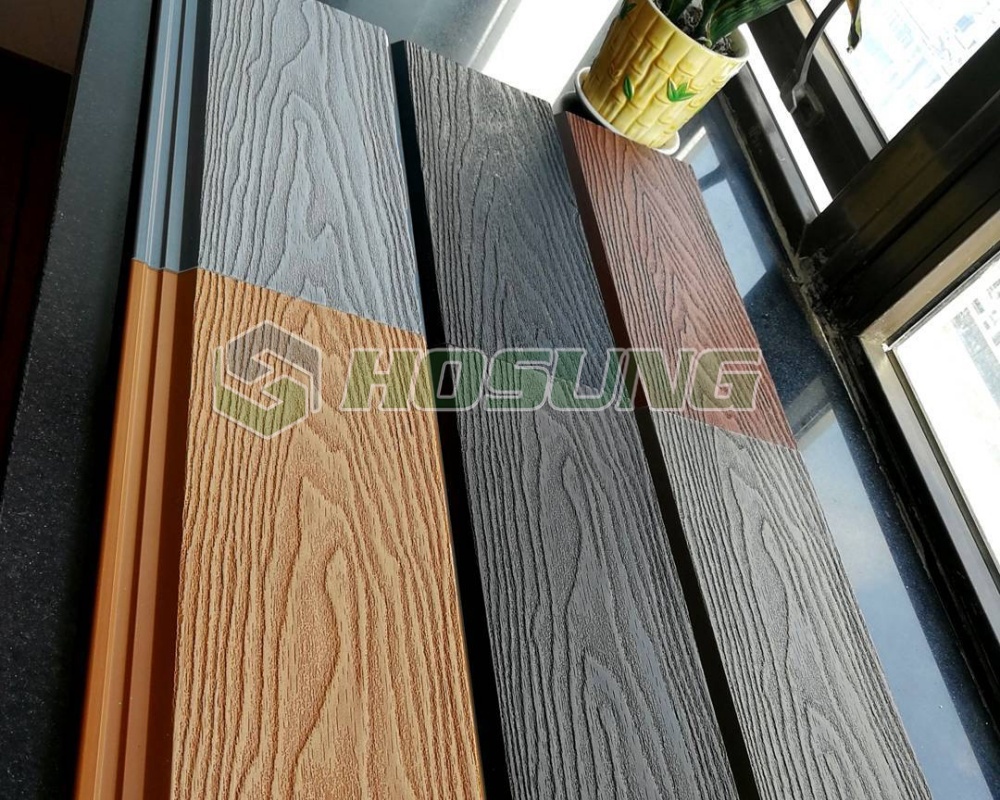
The surface structure of composite decking plays a major role in traction. Smooth boards may become more challenging to walk on when wet, while boards with realistic wood grain patterns or deeper embossed textures usually provide better grip.
Manufacturers often create textured surfaces to simulate the appearance of natural wood while improving functional performance. These textures create small contact points between shoes and the decking surface, reducing the possibility of slipping compared with completely flat materials.
For outdoor areas exposed to winter weather, selecting boards with a slip-resistant surface design is an important consideration. Textured finishes are especially valuable for entrances, stairs, balconies, and areas around outdoor facilities where foot traffic is frequent.
Snow and Ice Accumulation
Even the most slip-resistant decking can become hazardous when covered with a layer of ice. The main winter safety concern is usually not the composite material but the formation of frozen moisture on the surface.
Snow accumulation should be removed regularly, especially in areas with heavy snowfall. When snow melts during the day and freezes again at night, a thin layer of ice may develop. This ice layer reduces friction and creates slippery conditions regardless of whether the surface is wood, composite, stone, or concrete.
Using proper snow removal methods can help maintain safe conditions. Plastic shovels or soft snow brushes are generally recommended because they remove snow without causing unnecessary surface damage. Avoid using sharp metal tools that may scratch or affect the appearance of the decking.
Drainage and Installation Quality
Proper installation is another important factor affecting winter safety. A deck that allows water to drain efficiently will dry faster after rain, snow, or melting ice. Poor drainage can cause water to remain on the surface longer, increasing the possibility of freezing.
The spacing between boards, the slope of the deck structure, and the condition of the supporting framework all influence moisture management. Professional installation helps ensure that water does not accumulate in areas where freezing problems may occur.
In addition, adequate airflow beneath the deck helps moisture evaporate and reduces long-term exposure to damp conditions. A well-installed composite deck is more likely to maintain stable performance during seasonal temperature changes.
Is Composite Decking More Slippery Than Wood in Winter?
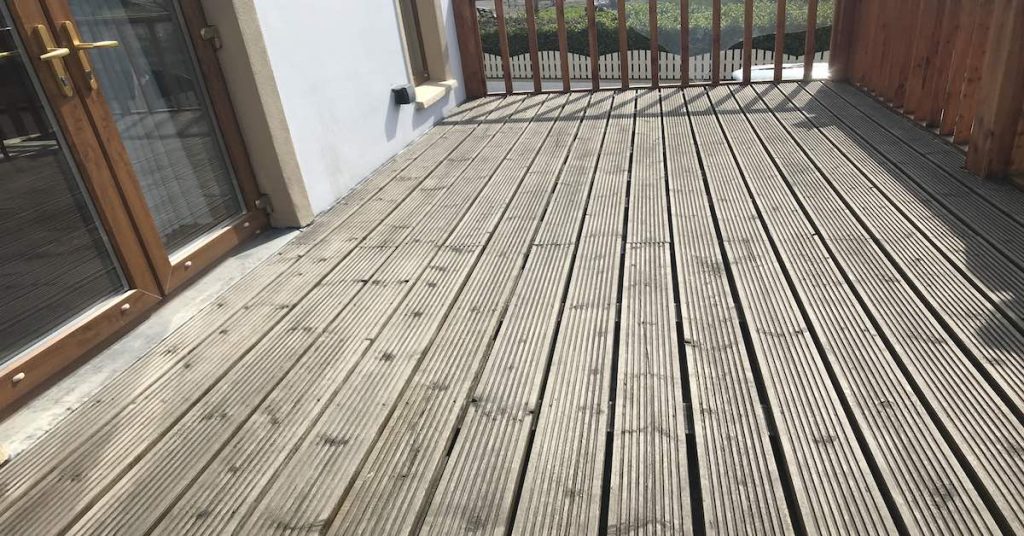
Many people compare composite decking with traditional wood and wonder which option performs better during winter. Natural wood can provide good traction when dry, but it can become slippery when exposed to moisture, algae growth, mold, or ice. Wooden surfaces may also develop cracks and uneven areas over time, which can create additional safety concerns.
Composite decking typically has better resistance to moisture absorption compared with wood. Because it does not easily retain water inside the material, it is less likely to develop problems associated with repeated freezing and thawing. However, surface conditions still determine actual walking safety.
The answer to is composite decking slippery in winter depends largely on the specific environment and how the deck is maintained. A high-quality composite surface with a textured finish and proper drainage can perform well in winter conditions, while any outdoor surface covered with ice will require attention to remain safe.
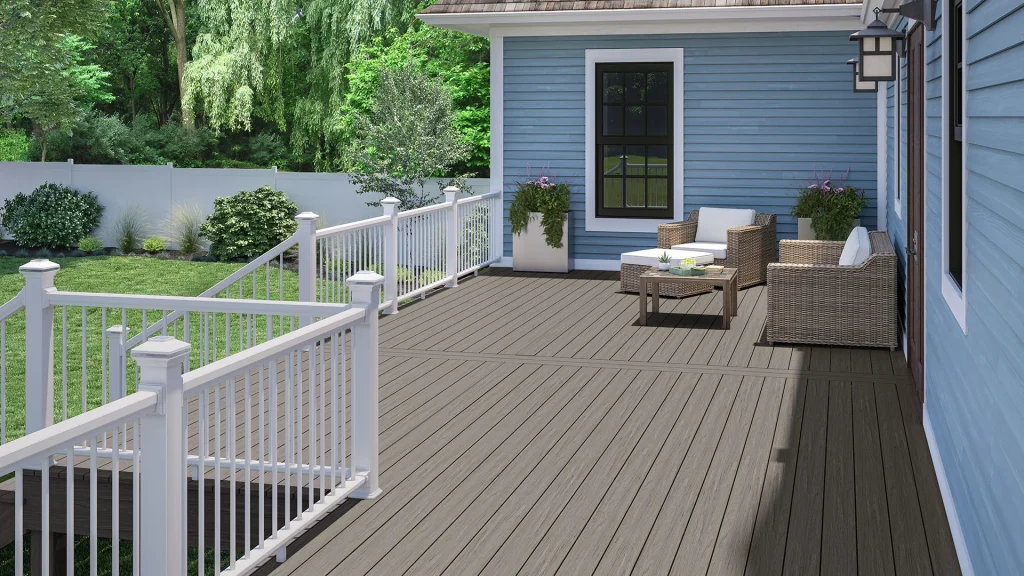
How to Improve Composite Deck Safety During Winter
Although composite decking is designed for outdoor durability, homeowners and property managers should follow practical maintenance steps to improve winter safety. Regular care can significantly reduce potential hazards caused by snow, ice, and moisture.
Remove Snow Promptly
Allowing snow to remain on the deck for long periods increases the chance of ice formation. Removing fresh snow before it becomes compacted makes the cleaning process easier and helps prevent slippery layers from developing.
When clearing snow, use tools that are suitable for composite surfaces. A broom, plastic shovel, or snow blower with proper settings can usually remove snow effectively without damaging the boards.
Control Ice Formation
Ice prevention is one of the most important parts of winter deck maintenance. Keeping the surface clear and monitoring weather changes can help prevent dangerous conditions.
Some homeowners use ice-melting products to manage frozen surfaces. However, it is important to select products that are compatible with composite materials and avoid chemicals that may negatively affect the surface appearance or surrounding environment.
Keep the Deck Clean Throughout the Year
Winter slip problems can become worse when dirt, leaves, algae, or organic materials accumulate on the deck surface before cold weather arrives. These materials can hold moisture and create additional slippery conditions.
Regular cleaning during warmer seasons helps maintain the original surface texture and improves winter performance. Removing debris from between boards also supports better drainage and reduces moisture buildup.
Benefits of Composite Decking in Cold Climate Areas
Composite decking offers several advantages for regions with challenging weather conditions. Its resistance to moisture, durability against temperature changes, and low maintenance requirements make it a practical option for many outdoor applications.
One major advantage is dimensional stability. Natural wood can expand, shrink, warp, or crack because of repeated exposure to changing temperatures and humidity levels. Composite materials are engineered to minimize these issues, helping maintain a more consistent surface throughout the year.
Another benefit is resistance to biological damage. Moist winter environments can encourage mold and mildew growth on many outdoor surfaces. Composite decking generally requires less maintenance to control these problems, although regular cleaning remains important.
For commercial projects, apartment complexes, hotels, restaurants, and public outdoor spaces, winter performance is an important factor when selecting decking materials. A reliable outdoor flooring system can reduce maintenance costs and improve user safety.
Choosing the Right Composite Decking for Winter Conditions
Not all composite decking products have identical performance characteristics. When selecting materials for cold climates, buyers should evaluate several technical features.
Surface texture should be one of the first considerations. Deck boards designed for improved traction are better suited for areas that experience frequent rain, snow, or freezing temperatures.
Material composition is also important. High-quality composite boards are manufactured to provide balanced strength, durability, and weather resistance. The manufacturing process affects how the boards respond to temperature changes and moisture exposure.
Color selection can also influence surface temperature and snow melting behavior. Darker surfaces may absorb more heat from sunlight, which can help melt snow faster in some situations. However, color choice should also consider overall design requirements and regional climate conditions.
Common Misunderstandings About Winter Composite Decking
There are several misconceptions about composite decking performance during winter. Some people believe that composite materials automatically become dangerous when temperatures drop, but this is not accurate. The actual performance depends on product design, environmental exposure, and maintenance practices.
Another misunderstanding is that no maintenance is required because composite decking is durable. While composite materials require less maintenance than wood, regular cleaning and seasonal care are still necessary to maintain appearance and safety.
Some users also assume that a completely smooth surface is easier to maintain. However, outdoor flooring requires a balance between easy cleaning and sufficient traction. A properly textured surface can provide better long-term usability.
Long-Term Value of Composite Decking for Outdoor Projects
When considering outdoor construction materials, long-term value is an important factor. Composite decking may require a higher initial investment compared with some traditional options, but reduced maintenance requirements and longer service life can provide economic advantages over time.
For homeowners, composite decking creates a comfortable outdoor space that can be enjoyed across different seasons. For builders and contractors, it offers a reliable solution for projects where durability, appearance, and weather resistance are important requirements.
Winter safety should always be considered as part of the overall deck design. Choosing suitable materials, installing the system correctly, and following basic maintenance practices can greatly improve year-round performance.
So, is composite decking slippery in winter? The answer is that composite decking itself is not inherently unsafe during cold weather. Like all outdoor surfaces, it can become slippery when covered with snow, ice, or moisture. However, with textured surfaces, proper installation, effective drainage, and regular maintenance, composite decking can provide a stable and practical outdoor flooring solution even in winter climates.
For businesses and projects looking for reliable composite decking solutions, working with an experienced manufacturer is essential. Companies such as Hosung WPC provide composite decking products designed for outdoor durability, helping customers create attractive and functional spaces suitable for different weather conditions. Choosing the right product and applying proper installation methods can ensure excellent performance throughout every season.