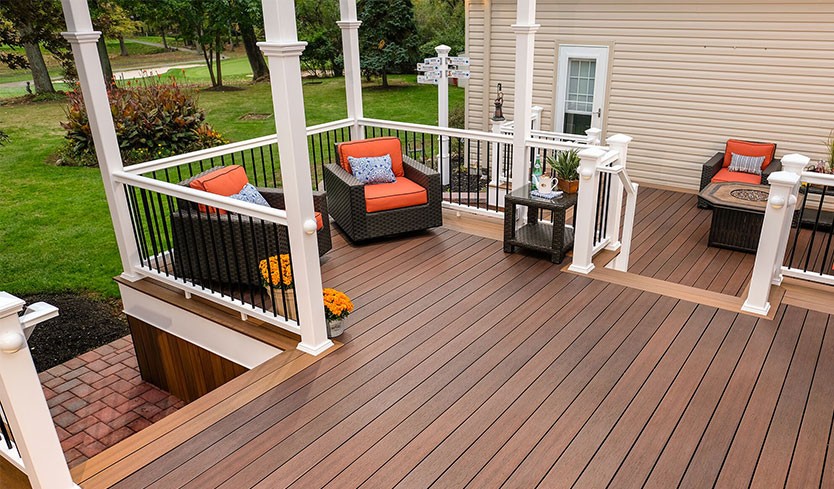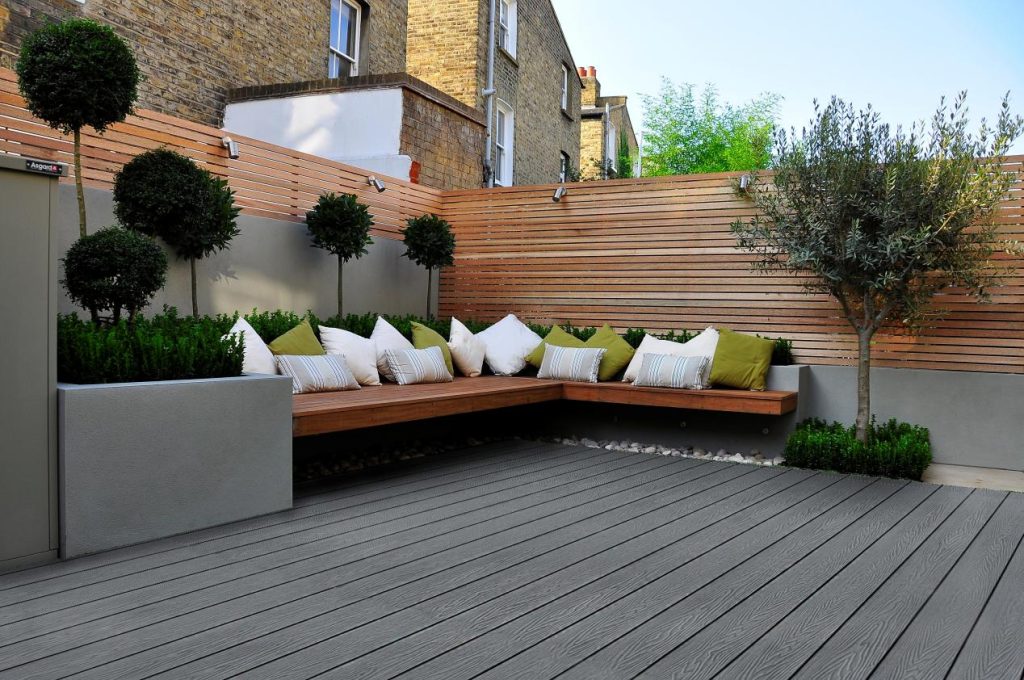
Outdoor decking has become an important element in residential, commercial, and public construction projects. While traditional wood decking has been widely used for decades, many builders, architects, and property owners are now choosing composite alternatives because of their durability, low maintenance requirements, and long service life. Understanding the different types of composite wood decking helps buyers select the right material based on climate conditions, design requirements, budget, and application needs. Composite wood decking is an engineered outdoor flooring material made by combining wood fibers, recycled plastics, polymers, and performance additives. Unlike natural timber, composite decking is designed to resist common problems such as moisture absorption, insect damage, cracking, and rotting. Modern manufacturing technologies also allow composite decking boards to replicate the appearance of natural wood while providing improved structural performance. Different types of composite wood decking vary in their composition, surface texture, manufacturing process, durability, and installation methods. From capped composite boards to hollow decking profiles, each type offers unique advantages for different projects. This guide explains the major categories of composite wood decking and how to choose the most suitable option. project.
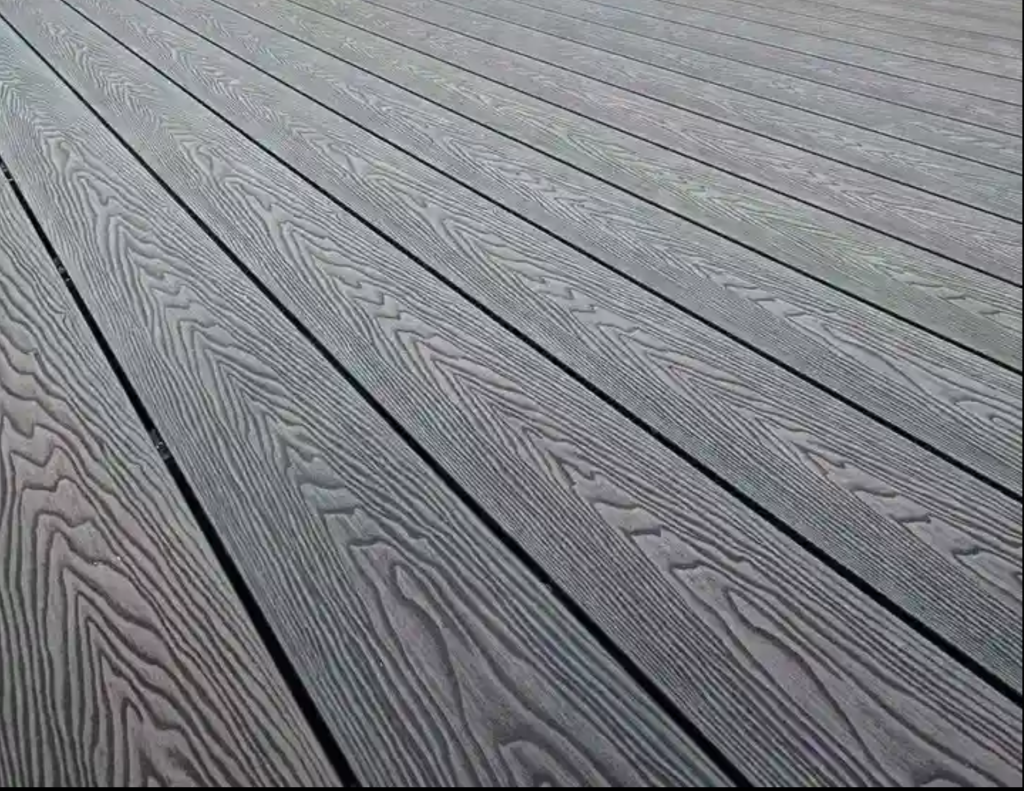
Table of Contents
What Is Composite Wood Decking?
Composite wood decking is a synthetic building material created by mixing wood-based materials with plastic polymers. The wood component provides a natural appearance and texture, while plastic materials improve resistance against environmental factors.
The typical composition of composite decking includes:
- Wood fibers or wood flour
- Recycled polyethylene or polypropylene plastics
- Binding agents
- UV-resistant additives
- Color pigments
- Protective surface coatings
The combination of these materials produces a decking board that looks similar to natural wood but requires less maintenance. Unlike traditional timber, composite decking does not need regular staining, painting, or sealing to maintain its appearance.
Composite decking is commonly used for:
- Residential patios
- Garden terraces
- Balconies
- Pool areas
- Walkways
- Commercial outdoor spaces
- Hotels and resorts
- Public landscape projects
Because of its strong weather resistance and long lifespan, composite decking has become a popular choice for modern outdoor construction.
Why Understanding Different Types of Composite Wood Decking Matters
Choosing the correct decking material is essential for ensuring project performance and cost efficiency. Different environments require different material characteristics.
For example, a poolside deck requires excellent water resistance, while a commercial outdoor walkway may require higher load-bearing capacity and abrasion resistance. In regions with strong sunlight, UV protection is a key consideration. In colder climates, resistance to temperature changes and moisture penetration becomes more important.
Understanding the differences between various types of composite wood decking allows contractors and buyers to compare:
- Material composition
- Structural strength
- Surface protection
- Installation requirements
- Maintenance needs
- Expected service life
- Overall project cost
Making the right choice during the planning stage can reduce future repair costs and improve long-term performance.
Main Types of Composite Wood Decking
1. Capped Composite Wood Decking
Capped composite decking is one of the most advanced types of composite decking available today. It consists of a traditional composite core covered with a protective polymer outer layer.
The inner core usually contains wood fibers and plastic materials, while the outer cap provides additional protection against environmental damage.
Advantages of Capped Composite Decking
The protective surface layer provides several benefits:
- Improved moisture resistance
- Better stain protection
- Higher resistance to fading
- Enhanced scratch resistance
- Easier cleaning
- Longer service life
The capped layer prevents water from entering the internal structure, reducing the risk of swelling, mold growth, and material degradation.
This type of decking is particularly suitable for:
- Pool decks
- Coastal areas
- High-humidity environments
- Commercial outdoor spaces
- Luxury residential projects
Although capped composite decking usually has a higher initial cost, its improved durability makes it a cost-effective solution for long-term applications.
2. Uncapped Composite Wood Decking
Uncapped composite decking is an earlier generation of composite decking material. It contains a mixture of wood fibers and plastic polymers without an additional protective surface layer.
This type of decking provides many advantages compared with traditional wood but has less protection than capped versions.
Benefits of Uncapped Composite Decking
Key advantages include:
- Lower material cost
- Natural wood-like appearance
- Good durability
- Easy installation
- Reduced maintenance compared with timber
However, because the surface is exposed directly to weather conditions, uncapped composite decking may be more vulnerable to:
- Color fading
- Moisture absorption
- Surface staining
- Mold growth in wet environments
Uncapped boards are often used in budget-conscious residential projects or areas with moderate weather conditions.
3. Solid Composite Wood Decking
Solid composite decking boards have a dense internal structure without hollow spaces. They are designed to provide excellent strength and stability.
Because of their higher material density, solid boards generally have better load-bearing capacity compared with hollow profiles.
Features of Solid Composite Decking
Solid composite boards offer:
- High structural strength
- Excellent impact resistance
- Better screw retention
- Improved stability
- Long-lasting performance
They are commonly used for:
- Commercial decks
- Public walkways
- Heavy-use outdoor areas
- Large landscape projects
The main disadvantage of solid composite decking is its heavier weight. Transportation and installation may require additional labor compared with lighter hollow boards.
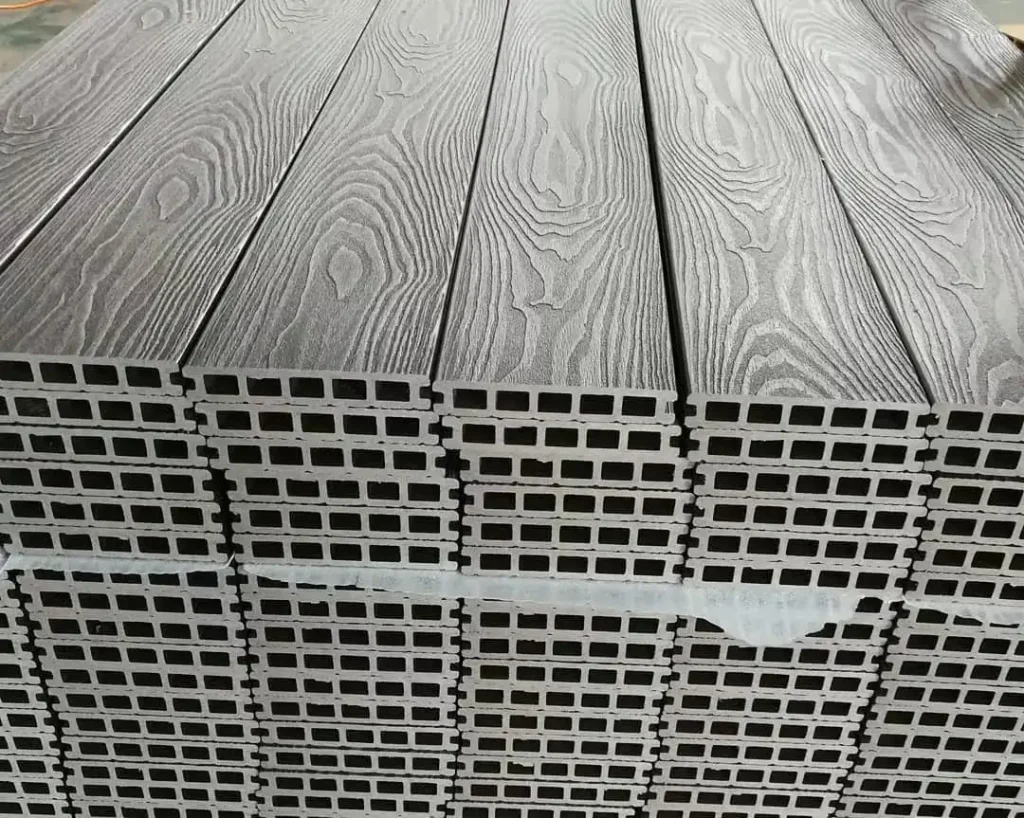
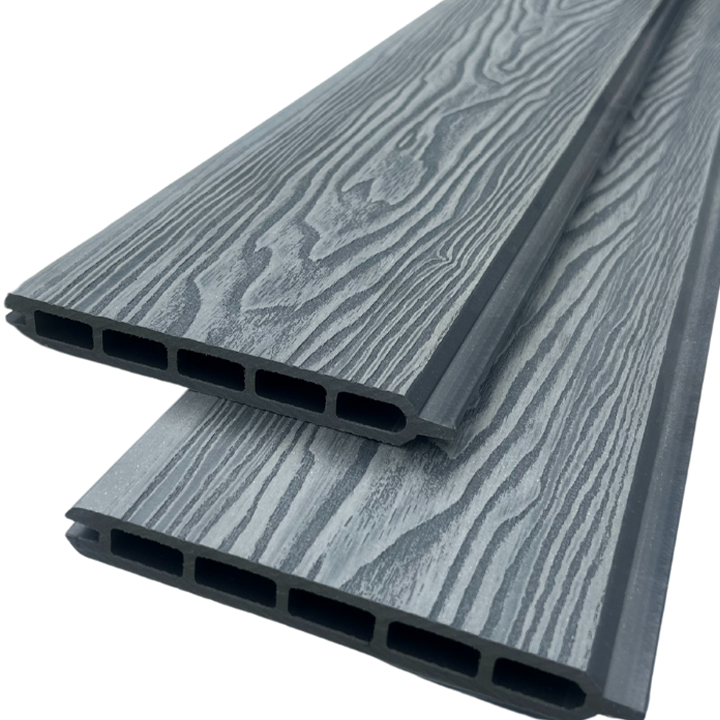
4. Hollow Composite Wood Decking
Hollow composite decking contains internal chambers that reduce the amount of material used during production.
The hollow structure makes the boards lighter while maintaining sufficient strength for many residential applications.
Advantages of Hollow Composite Decking
Benefits include:
- Lower weight
- Easier transportation
- Faster installation
- Reduced material consumption
- Lower project costs
Hollow decking is often selected for:
- Home patios
- Garden decks
- Residential balconies
- Decorative outdoor areas
However, hollow boards may have lower impact resistance compared with solid boards. Proper installation with suitable support spacing is important to ensure long-term stability.
5. Co-Extruded Composite Wood Decking
Co-extruded composite decking is a premium type of composite decking manufactured using a multi-layer extrusion process.
During production, a protective outer layer is bonded with the composite core, creating a highly durable decking board.
Characteristics of Co-Extruded Decking
This type offers:
- Superior weather resistance
- High color stability
- Strong surface protection
- Excellent stain resistance
- Realistic wood grain appearance
The advanced manufacturing process allows manufacturers to create decking boards with improved performance in extreme environments.
Co-extruded composite decking is widely used in:
- High-end residential developments
- Hospitality projects
- Commercial landscapes
- Premium outdoor spaces
6. PVC Composite-Like Decking
Although PVC decking does not contain traditional wood fibers, it is often compared with composite decking because it provides similar outdoor performance advantages.
PVC decking is made primarily from polyvinyl chloride materials and offers excellent resistance to moisture and insects.
Benefits of PVC Decking
Advantages include:
- Complete water resistance
- Lightweight structure
- Low maintenance
- Strong resistance to decay
- Long outdoor lifespan
PVC decking is especially suitable for areas exposed to constant moisture, such as pool surroundings and waterfront properties.
However, some buyers prefer traditional composite decking because it provides a more natural wood appearance.
Types of Composite Decking Surface Finishes
In addition to structural differences, composite decking boards are also available with different surface treatments.
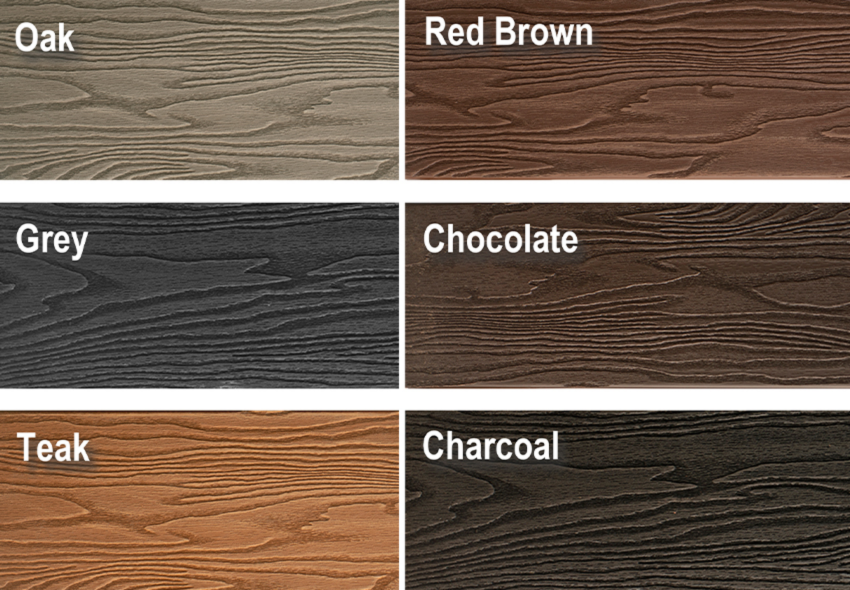
Wood Grain Composite Decking
Wood grain finishes are designed to imitate the appearance of natural timber. Manufacturers use embossing technology to create realistic textures.
Benefits include:
- Natural appearance
- Better outdoor aesthetics
- Improved slip resistance
- Comfortable walking surface
Wood grain composite decking is popular for residential gardens, patios, and landscaping projects.
Brushed Composite Decking
Brushed surfaces provide a textured finish created through mechanical processing.
This surface treatment can improve:
- Traction
- Scratch resistance
- Visual appeal
It is suitable for areas where both appearance and functionality are important.
Smooth Composite Decking
Smooth decking has a clean and modern appearance. It is often used in contemporary architectural projects.
Advantages include:
- Minimalist design
- Easy cleaning
- Modern appearance
However, smooth surfaces may require additional consideration in areas exposed to water.
How to Choose the Right Type of Composite Wood Decking
Selecting the best decking material depends on several important factors.
Consider the Application Environment
The location of installation plays a major role in material selection.
For example:
- Pool areas require strong moisture resistance
- Coastal areas need corrosion and weather resistance
- Commercial projects require high durability
- Residential gardens may prioritize appearance and comfort
Understanding environmental conditions helps determine the most suitable decking type.
Evaluate Durability Requirements
Different projects have different performance expectations.
High-traffic areas should generally use stronger materials such as solid or capped composite decking. For decorative applications, lighter hollow boards may provide sufficient performance.
Important durability factors include:
- Load capacity
- Impact resistance
- UV resistance
- Water resistance
- Temperature stability
Compare Maintenance Requirements
One of the main advantages of composite decking is reduced maintenance compared with natural wood.
However, maintenance needs vary between different types.
Capped composite decking generally requires the least maintenance because the protective layer prevents stains and moisture penetration.
Consider Installation Requirements
Composite decking installation requires proper spacing, support structures, and fastening systems.
Factors to consider include:
- Board dimensions
- Joist spacing
- Expansion allowance
- Hidden fastening systems
- Cutting requirements
Choosing the correct decking profile can improve installation efficiency and reduce labor costs.
Composite Wood Decking vs Traditional Wood Decking
Traditional wood decking has a natural appearance and has been used for many years. However, it requires regular maintenance to prevent deterioration.
Composite decking provides several advantages:
- Higher moisture resistance
- Lower maintenance requirements
- Better insect resistance
- Longer service life
- More consistent appearance
Natural wood may require:
- Annual staining
- Sealing treatments
- Regular inspections
- Replacement of damaged boards
Composite decking reduces these maintenance demands, making it attractive for both homeowners and commercial property developers.
Future Trends in Composite Wood Decking
The composite decking industry continues to develop with improvements in material technology and sustainable manufacturing.
Future trends include:
Increased Use of Recycled Materials
Manufacturers are focusing on environmentally responsible production by increasing the use of recycled plastics and renewable materials.
Improved Natural Appearance
Advanced embossing and printing technologies are creating decking boards with more realistic wood textures and colors.
Better Performance Features
New composite decking products continue to improve in areas such as:
- Fire resistance
- Slip resistance
- UV protection
- Structural strength
These developments are expanding the applications of composite decking in modern construction.
Conclusion
Understanding the different types of composite wood decking is essential for selecting the right material for outdoor construction projects. From capped composite boards and co-extruded decking to solid and hollow profiles, each type provides different advantages in terms of durability, appearance, maintenance, and cost.
Capped and co-extruded composite decking are ideal for demanding environments where maximum protection is required, while hollow and uncapped options provide practical solutions for budget-friendly residential applications. Solid composite decking offers excellent strength for heavy-duty projects, while specialized surface finishes provide additional design flexibility.
As outdoor living spaces continue to grow in popularity, composite wood decking remains a reliable and sustainable alternative to traditional timber. By evaluating project requirements, environmental conditions, and long-term performance expectations, buyers can choose the most suitable decking solution for their specific needs.