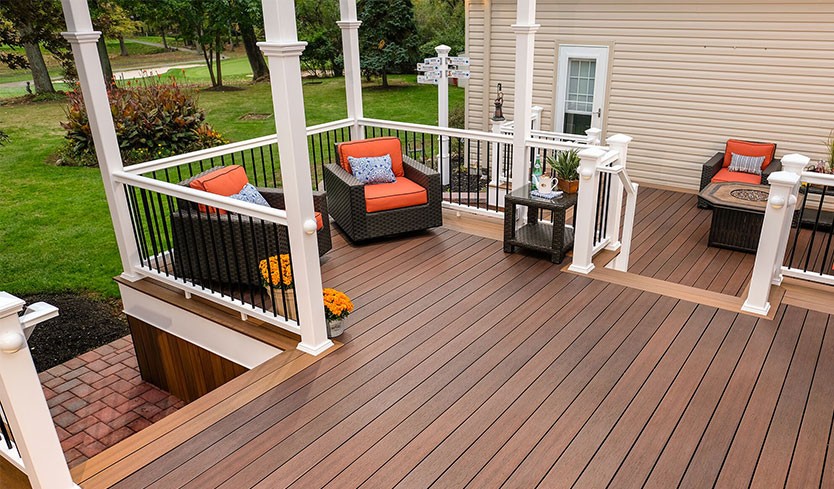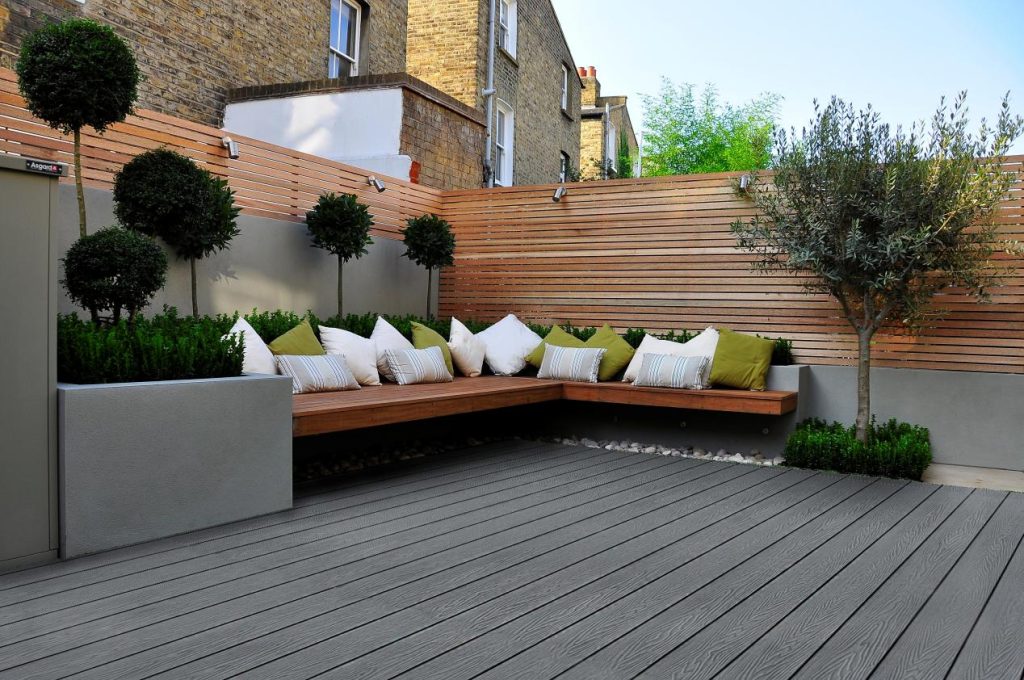
The global demand for outdoor living solutions has driven rapid growth in the composite decking industry. Homeowners, contractors, and developers increasingly prefer durable, low-maintenance, and eco-friendly alternatives to traditional wood decking, making it essential for businesses to evaluate top composite decking manufacturers based on quality, production capacity, customization, and reliability. Composite decking combines the natural appearance of wood with enhanced durability, offering better resistance to moisture, insects, cracking, and fading. However, choosing the right supplier requires more than price comparison. Professional manufacturers should provide consistent quality, advanced technology, flexible customization, and reliable service to support long-term business growth.
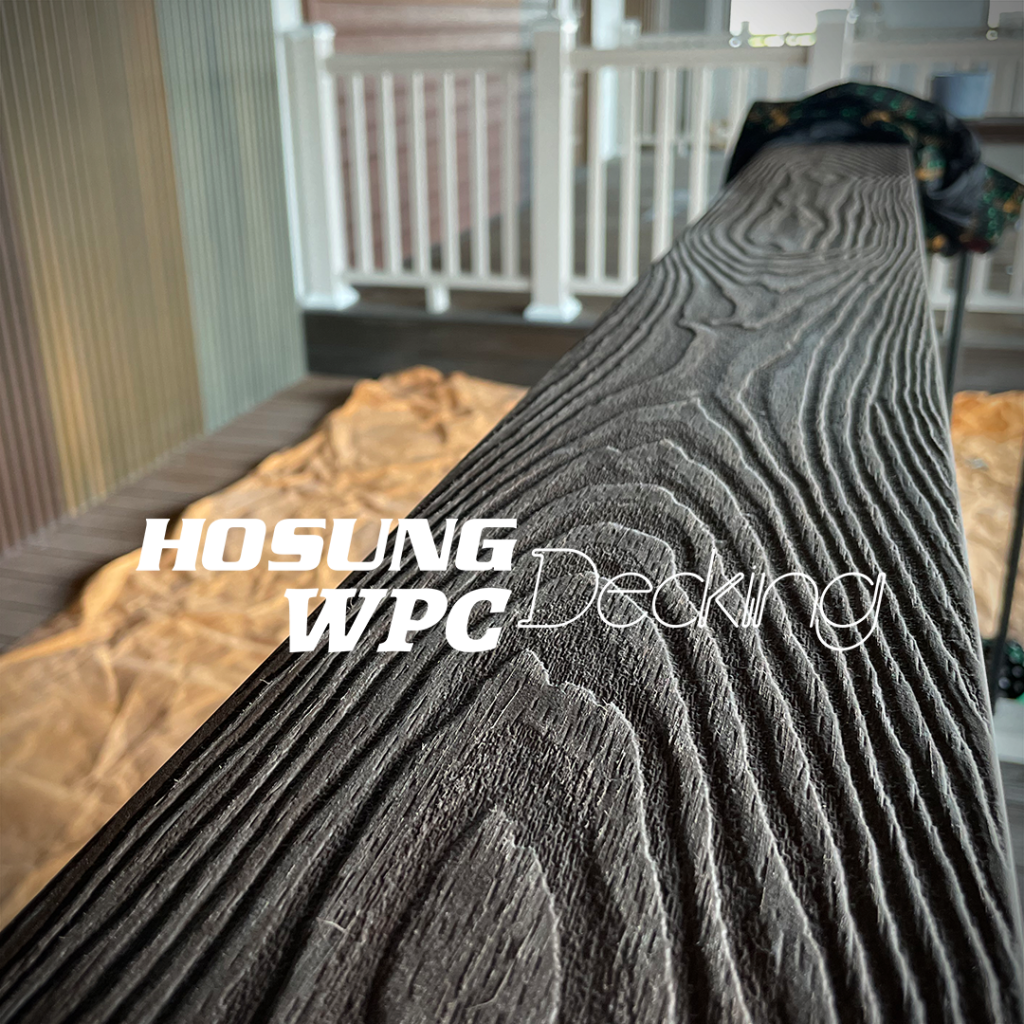
Table of Contents
Growing Market Demand for Composite Decking
The outdoor construction industry has experienced significant transformation as consumers increasingly prioritize sustainability, durability, and reduced maintenance costs. Traditional wooden decking requires frequent maintenance, including staining, sealing, and replacement due to weather exposure. Composite decking addresses many of these challenges by using a combination of recycled polymers and wood fibers.
The increasing adoption of composite decking is influenced by several market trends:
1. Rising Demand for Low-Maintenance Outdoor Products
Modern consumers prefer outdoor materials that maintain their appearance without requiring intensive maintenance. Composite decking provides a practical solution because it does not require regular painting or sealing. This makes it especially attractive for residential properties, hotels, resorts, commercial spaces, and public landscapes.
2. Growing Focus on Sustainable Building Materials
Environmental concerns have encouraged the construction industry to explore renewable and recycled materials. Many composite decking products incorporate recycled plastics and reclaimed wood fibers, reducing dependence on natural timber resources.
3. Expansion of Outdoor Living Spaces
Outdoor areas are increasingly viewed as extensions of indoor living spaces. Decks, patios, balconies, pool surroundings, and garden areas are becoming important parts of modern architectural design. This trend continues to create opportunities for composite decking suppliers and manufacturers.
Key Factors to Consider When Selecting Composite Decking Manufacturers
Finding suitable suppliers requires a comprehensive evaluation of manufacturing capabilities, product performance, and business reliability. Companies looking for top composite decking manufacturers should consider several important factors before making purchasing decisions.
1. Manufacturing Experience and Industry Expertise
A manufacturer’s experience directly affects product quality and production reliability. Companies with years of industry experience usually have better control over raw material selection, extrusion processes, surface treatment technologies, and quality inspection procedures.
Experienced manufacturers understand different market requirements and can provide decking solutions suitable for various climates, including regions with high humidity, strong sunlight, heavy rainfall, or temperature fluctuations.
Professional manufacturers typically invest in continuous improvement, optimizing production processes to achieve better stability, appearance, and performance.
2. Advanced Production Technology
Composite decking quality depends heavily on manufacturing technology. Modern production lines allow manufacturers to achieve precise dimensions, consistent colors, and improved structural performance.
Important production technologies include:
Co-extrusion Technology
Co-extruded composite decking uses multiple layers to improve surface protection. The outer protective layer enhances resistance against stains, scratches, UV exposure, and moisture penetration.
This technology helps extend product lifespan while maintaining an attractive appearance over many years.
Embossing Technology
Surface embossing creates realistic wood grain patterns, making composite decking visually similar to natural wood. High-quality manufacturers use advanced embossing techniques to produce realistic textures while maintaining slip resistance.
Precision Extrusion
Accurate extrusion processes ensure uniform thickness, stable dimensions, and reliable installation performance. Consistent production quality is especially important for large construction projects and international distribution.
Product Quality Standards and Performance Evaluation
Quality control is one of the most important differences between ordinary suppliers and professional manufacturers. Businesses purchasing composite decking in bulk need products that can maintain performance throughout their service life.
Weather Resistance
Outdoor decking is constantly exposed to environmental conditions such as sunlight, rain, temperature changes, and humidity. High-quality composite decking should demonstrate strong resistance against:
- UV radiation
- Moisture absorption
- Temperature expansion and contraction
- Mold and mildew growth
- Color fading
Manufacturers should conduct weather resistance testing to ensure products meet expected performance requirements.
Structural Strength
Composite decking must withstand daily loads from furniture, foot traffic, and outdoor activities. Important performance indicators include:
- Flexural strength
- Impact resistance
- Load-bearing capacity
- Dimensional stability
Reliable manufacturers carefully control material formulas and production parameters to achieve strong mechanical performance.
Slip Resistance
Safety is a major consideration for outdoor applications, especially around swimming pools, gardens, and commercial areas. Decking surfaces should provide sufficient traction under both dry and wet conditions.
Manufacturers often improve slip resistance through surface textures, embossing patterns, and material optimization.
Material Composition and Manufacturing Process
Understanding the composition of composite decking helps buyers evaluate supplier capabilities.
Most composite decking products are manufactured using a combination of:
- Wood fibers or wood flour
- Recycled plastics or polymer materials
- Additives for UV resistance
- Color pigments
- Stabilizers and performance enhancers
The manufacturing process generally includes several stages:
Material Preparation
Raw materials are carefully measured and mixed according to specific formulas. Proper blending ensures uniform performance throughout the decking board.
Extrusion
The mixed materials are heated and formed through extrusion equipment. This process determines the basic shape, density, and structural characteristics of the decking boards.
Surface Treatment
After extrusion, manufacturers may apply surface treatments such as embossing, brushing, or protective coatings to improve appearance and durability.
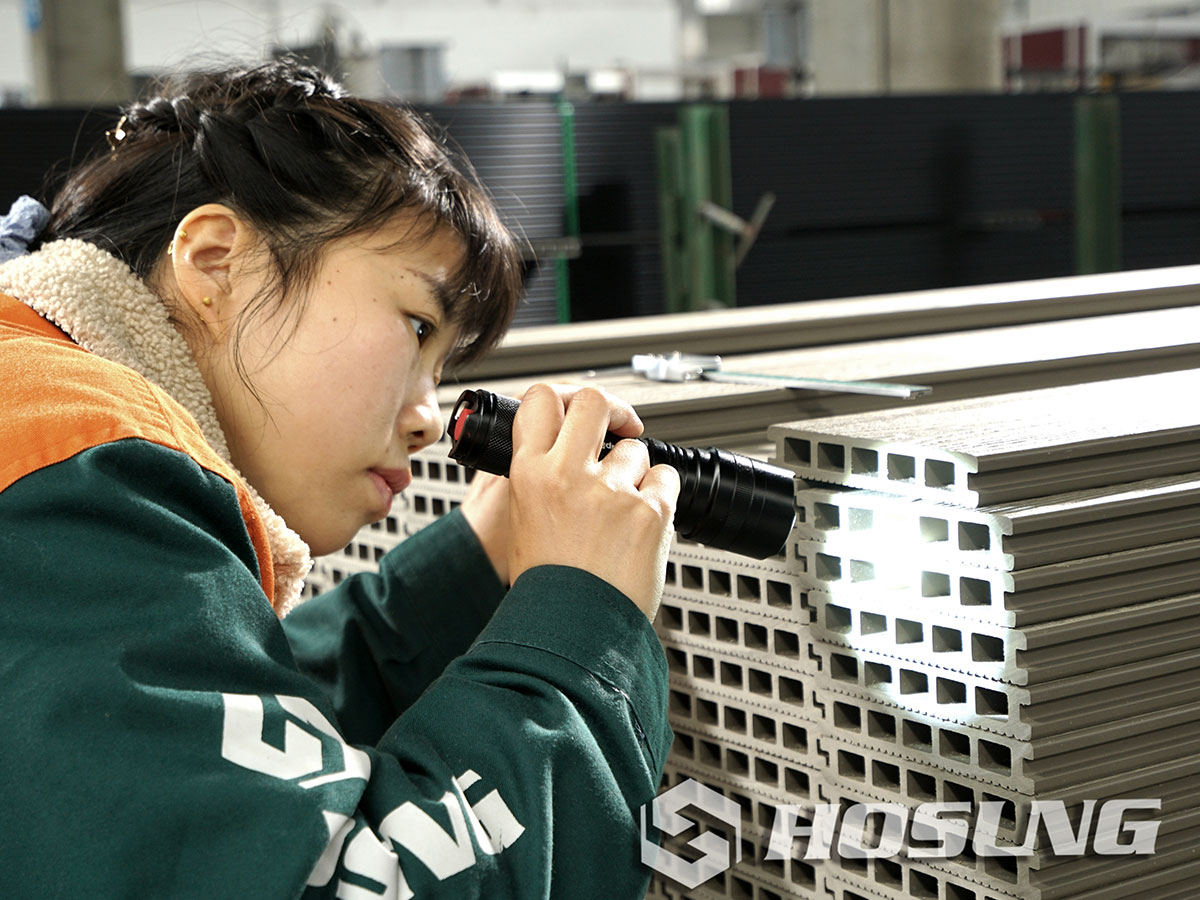
Quality Inspection
Finished products are tested for dimensions, appearance, strength, water resistance, and other performance characteristics before shipment.
A manufacturer with strict quality control procedures can provide more consistent products and reduce problems during installation.
Customization Capabilities Offered by Professional Composite Decking Manufacturers
For distributors, wholesalers, and construction companies, customization capability is an important factor when selecting a long-term supplier. Different markets often have different requirements regarding colors, surface textures, dimensions, packaging, and product specifications.
Professional composite decking manufacturers usually provide customization services such as:
Customized Colors and Surface Designs
Although traditional wood colors remain popular, modern outdoor designs increasingly require diverse appearance options. Manufacturers with advanced production capabilities can develop different colors, patterns, and finishes according to customer requirements.
Common color options include:
- Natural wood tones
- Dark contemporary shades
- Grey modern finishes
- Multi-color mixed effects
Surface designs can also vary from realistic wood grain textures to modern architectural styles, allowing customers to create unique outdoor environments.
Customized Sizes and Profiles
Different construction projects may require different decking dimensions and structural designs. Experienced manufacturers can provide various board sizes, thicknesses, widths, and profiles to meet specific installation requirements.
Common customization options include:
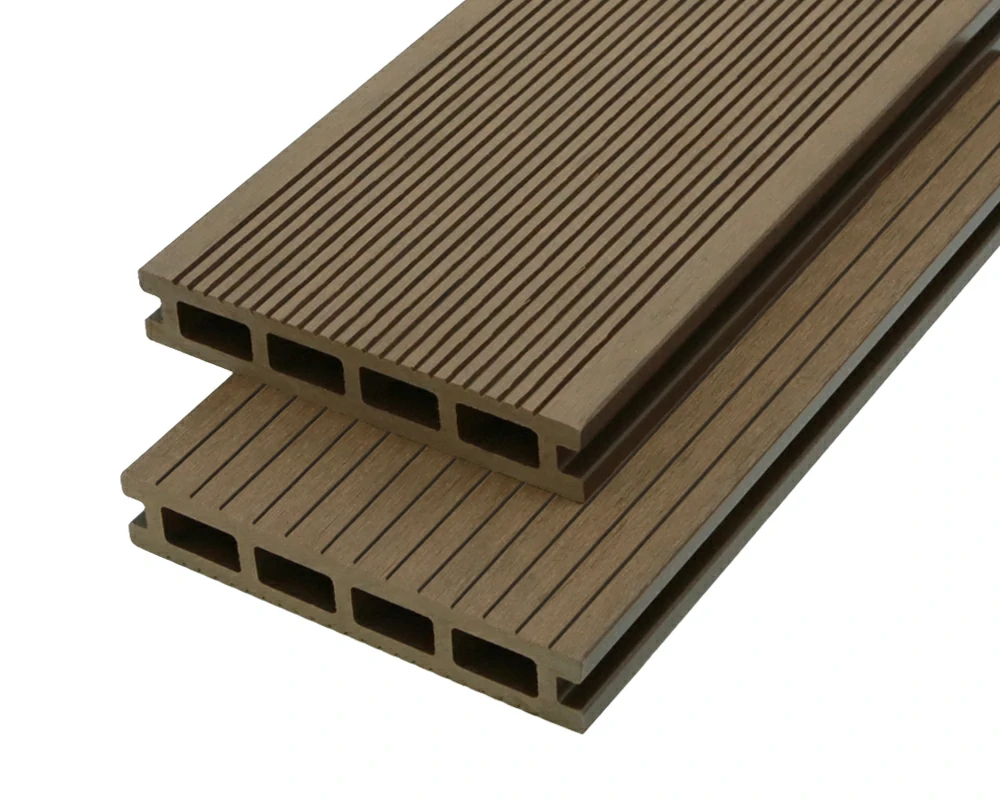
- Hollow or solid decking structures
- Different edge designs
- Special installation systems
- Customized lengths for large projects
Flexible production capabilities allow suppliers to support both standard orders and specialized projects.
Private Label and Packaging Solutions
Many international buyers prefer working with manufacturers that support private label services. This allows distributors to develop their own product lines while relying on professional production facilities.
Private label services may include:
- Custom packaging design
- Product labeling
- Customized instruction manuals
- Brand-specific product documentation
These services help businesses strengthen their market presence and improve competitiveness.
Importance of Certifications and Quality Management Systems
When evaluating top composite decking manufacturers, buyers should pay close attention to certifications and quality management systems. International markets often require products to meet specific safety, environmental, and performance standards.
Reliable manufacturers usually maintain quality control systems covering every stage of production, from raw material inspection to final shipment.
Important certifications and testing standards may include:
Environmental Certifications
As sustainability becomes increasingly important, buyers often look for products made with environmentally responsible materials. Certifications related to recycled materials and sustainable production can help demonstrate a manufacturer’s commitment to environmental protection.
Product Performance Testing
Professional suppliers typically conduct tests related to:
- Water absorption
- UV resistance
- Slip resistance
- Impact strength
- Fire performance
- Color stability
Testing data helps buyers understand product reliability and expected service life.
Factory Quality Management
A well-managed factory should have clear inspection procedures, production records, and quality control systems. These systems reduce manufacturing variations and ensure consistent product performance.
Comparing Different Types of Composite Decking Suppliers
Not all suppliers offer the same level of manufacturing capability. Buyers should understand the differences between various types of companies in the market.
Trading Companies
Trading companies may provide access to multiple products from different factories. They can be useful for buyers who need various product categories from one source.
However, trading companies may have limited control over:
- Production processes
- Material formulas
- Quality inspection
- Product customization
For businesses requiring stable long-term supply, direct cooperation with manufacturers is often more beneficial.
Small Manufacturers
Small factories may offer competitive pricing and flexible communication. They can sometimes handle customized orders effectively.
However, buyers should carefully evaluate:
- Production capacity
- Equipment condition
- Quality management
- Export experience
Limited production capability may create challenges for large-volume orders.
Large Professional Manufacturers
Established manufacturers usually have stronger advantages in technology, production capacity, quality control, and international service.
Their benefits often include:
- Stable supply capacity
- Advanced production equipment
- Professional research and development teams
- Better quality consistency
- Stronger export support
For distributors and commercial projects, working with experienced manufacturers can reduce supply chain risks.
How to Evaluate Composite Decking Suppliers Before Cooperation
Before placing large orders, buyers should conduct a detailed supplier evaluation process.
Review Product Samples
Requesting samples is one of the most effective ways to evaluate product quality. Buyers should examine:
- Surface appearance
- Color consistency
- Board strength
- Installation performance
- Texture quality
Samples can help determine whether the products meet market expectations.
Check Production Capacity
A reliable supplier should have sufficient production capacity to support future business growth. Buyers should ask about:
- Factory size
- Production lines
- Monthly output capacity
- Lead times
- Inventory management
Stable production capability is especially important for importers and distributors handling continuous market demand.
Evaluate Export Experience
International trade requires more than manufacturing ability. Export experience helps ensure smoother cooperation regarding:
- Documentation
- Shipping arrangements
- Packaging requirements
- Customs procedures
- International communication
Manufacturers familiar with global markets can provide better support throughout the purchasing process.
Analyze Cost and Value
Price is an important consideration, but it should not be the only deciding factor. Extremely low prices may indicate compromises in raw materials, production technology, or quality control.
A better approach is to evaluate overall value, including:
- Product lifespan
- Maintenance requirements
- Warranty support
- Consistency
- Supplier reliability
A slightly higher initial investment can often provide better long-term returns.

Why Choosing the Right Manufacturer Matters for Long-Term Business Growth
For importers, distributors, and contractors, selecting the right supplier is a strategic decision rather than a simple purchasing choice. A reliable manufacturing partner can provide consistent quality, competitive advantages, and continuous product support.
The best suppliers combine advanced production technology, strict quality management, customization flexibility, and strong customer service. They understand market trends and help customers develop products that meet regional demands.
When searching for top composite decking manufacturers, businesses should focus on long-term cooperation potential instead of short-term price advantages. A dependable supplier can help reduce operational risks, improve customer satisfaction, and create sustainable business growth.
For companies seeking experienced composite decking solutions, Hosung WPC provides professional manufacturing capabilities and customized outdoor decking products to support global partners in developing high-quality outdoor living solutions.