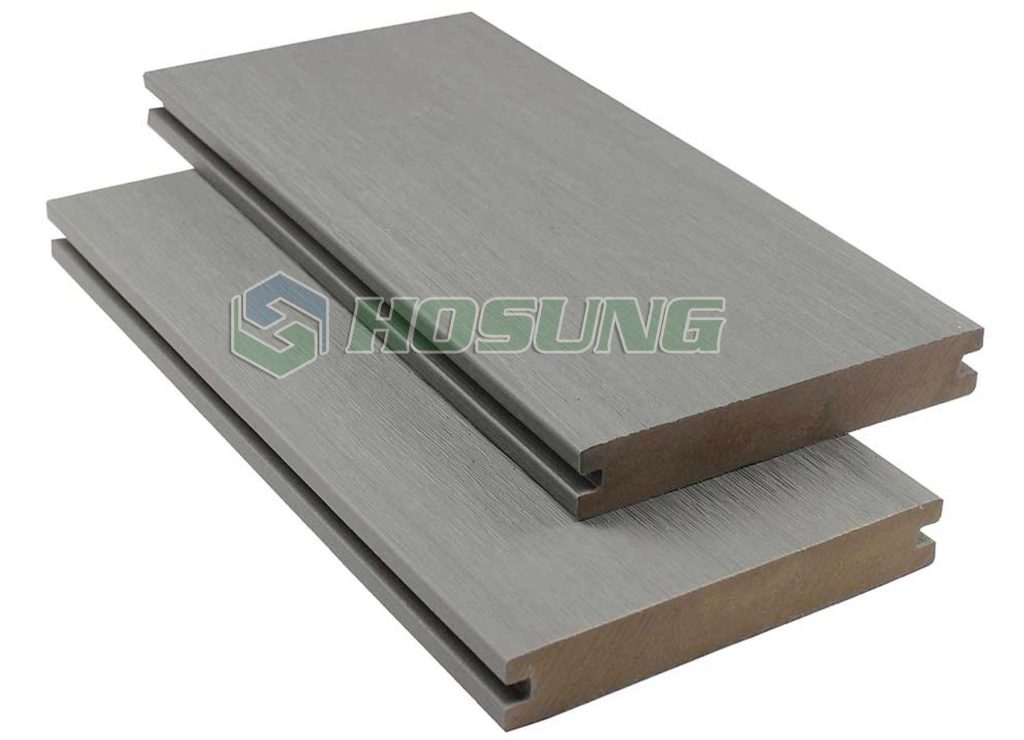
Outdoor living spaces are becoming an important part of modern homes, commercial properties, and hospitality areas across the UK. Homeowners and developers increasingly prefer decking solutions that offer durability, attractive design, and low maintenance. The popularity of light grey composite decking uk continues to grow as it provides a practical alternative to traditional timber decking, offering better resistance to moisture, weather changes, and daily wear. With its clean and modern appearance, light grey composite decking complements various architectural styles and creates stylish outdoor areas for gardens, balconies, terraces, and commercial spaces.
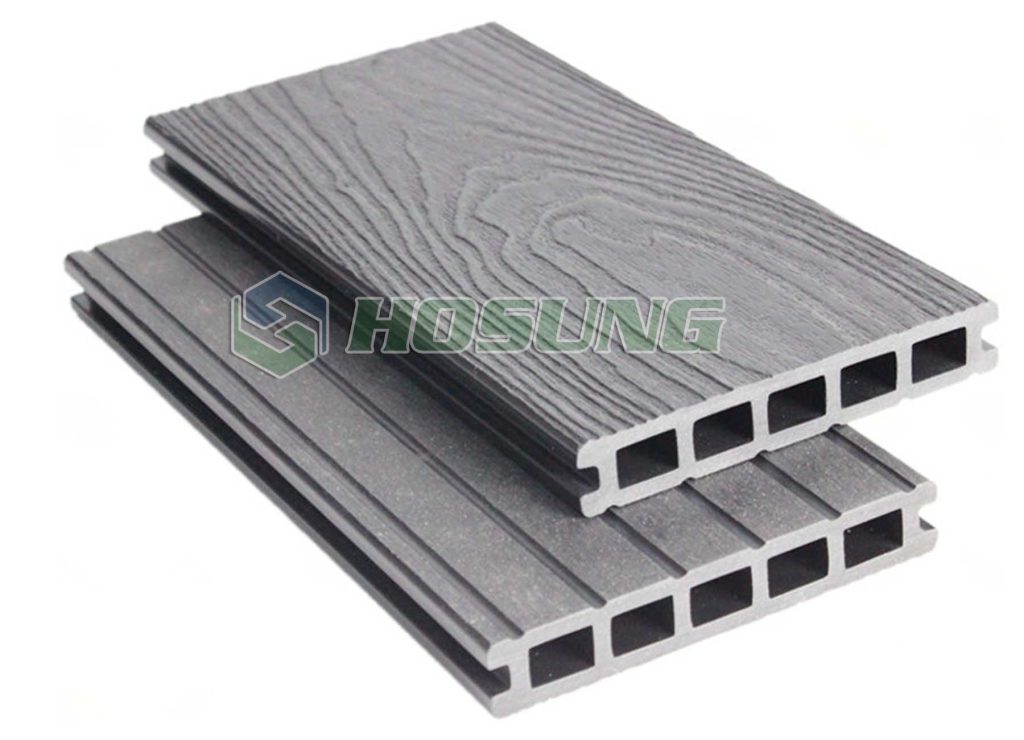
Table of Contents
Understanding the Advantages of Light Grey Composite Decking
Modern Appearance Suitable for Different Outdoor Designs
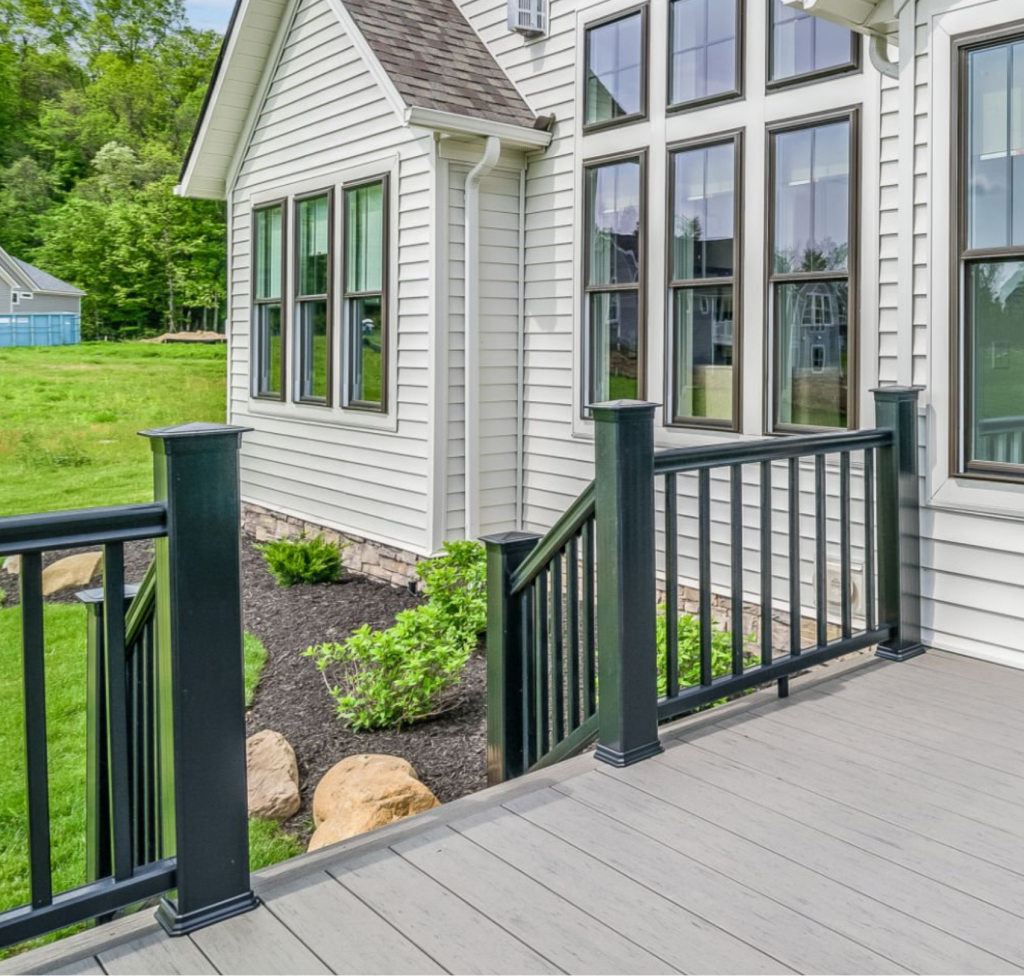
One of the main reasons property owners choose light grey decking is its contemporary visual appeal. Grey tones have become increasingly popular in exterior design because they provide a neutral background that works well with various colours, materials, and landscaping elements.
Light grey boards can create a bright and spacious feeling, making outdoor areas appear larger and more open. Compared with darker decking colours, light grey surfaces reflect more natural light, which can help create a comfortable atmosphere during daytime use.
This colour also pairs well with popular outdoor design features, including:
- White or black outdoor furniture
- Natural stone pathways
- Glass balcony systems
- Green plants and garden landscapes
- Modern architectural materials
For designers working on residential projects, the flexibility of light grey decking allows them to create outdoor spaces that remain visually attractive for many years.
Low Maintenance Compared with Traditional Wood Decking
Traditional timber decking has a natural appearance, but it requires regular maintenance to maintain its performance. Exposure to rain, sunlight, temperature changes, and humidity can cause wood boards to fade, crack, warp, or develop mould.
Composite decking reduces many of these problems because of its engineered structure. High-quality composite boards typically offer:
- Resistance to moisture absorption
- Reduced risk of cracking and splitting
- Better colour stability
- Protection against common outdoor conditions
- Easier cleaning requirements
For UK properties where rainfall and changing weather conditions are common, composite decking provides a practical solution that reduces maintenance time and long-term costs.
Excellent Weather Resistance for the UK Climate
The UK climate presents several challenges for outdoor construction materials. Frequent rain, seasonal temperature changes, and exposure to UV radiation can affect traditional materials over time.
Light grey composite decking is designed to withstand outdoor conditions while maintaining structural performance. Quality composite boards are manufactured with protective technologies that help prevent damage caused by moisture, mould, and ultraviolet exposure.
This makes composite decking suitable for different regions across the UK, including areas with high rainfall or coastal environments where humidity and salt exposure may accelerate material deterioration.
How to Choose the Right Light Grey Composite Decking for UK Projects
Consider Board Quality and Material Composition
When selecting decking materials, buyers should pay close attention to the quality of raw materials and manufacturing processes. Composite decking boards are generally produced using a combination of wood fibres and polymer components, but the ratio and production technology can significantly influence product performance.
Important factors to evaluate include:
- Density of the decking board
- Strength and load-bearing capacity
- Moisture resistance
- Surface protection technology
- Resistance to fading and staining
For commercial projects or high-traffic areas, selecting boards with stronger structural performance can help ensure longer service life.
Select the Appropriate Surface Design
Composite decking is available with different surface textures and finishes. The right surface design depends on the application environment and aesthetic requirements.
Common surface options include:
Wood Grain Finish
Wood grain surfaces provide a natural timber appearance while maintaining the benefits of composite materials. This style is popular for residential gardens because it combines traditional outdoor aesthetics with modern performance.
Brushed or Textured Surface
Textured surfaces improve grip and create a more natural feel underfoot. They are often suitable for areas exposed to water, such as garden paths, balconies, and outdoor entertainment areas.
Modern Smooth Finish
Smooth finishes provide a cleaner architectural appearance and are often selected for contemporary commercial projects, rooftop terraces, and modern residential developments.
Check Decking Dimensions and Installation Requirements
Before purchasing composite decking, it is important to understand the required board dimensions and installation system. Different projects may require different thicknesses, widths, and lengths depending on structural requirements.
Key considerations include:
- Decking board thickness
- Joist spacing requirements
- Fixing systems
- Expansion gaps
- Edge finishing solutions
Proper installation plays an important role in ensuring decking performance. Even high-quality boards may experience problems if installation guidelines are not followed correctly.
Applications of Light Grey Composite Decking in the UK
Residential Gardens and Outdoor Living Areas
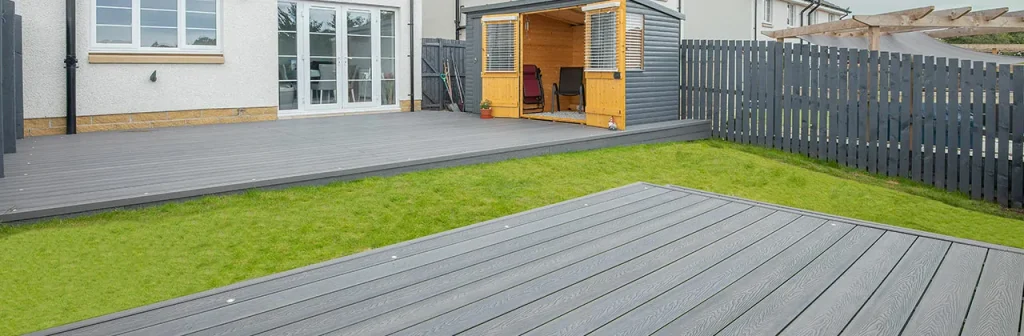
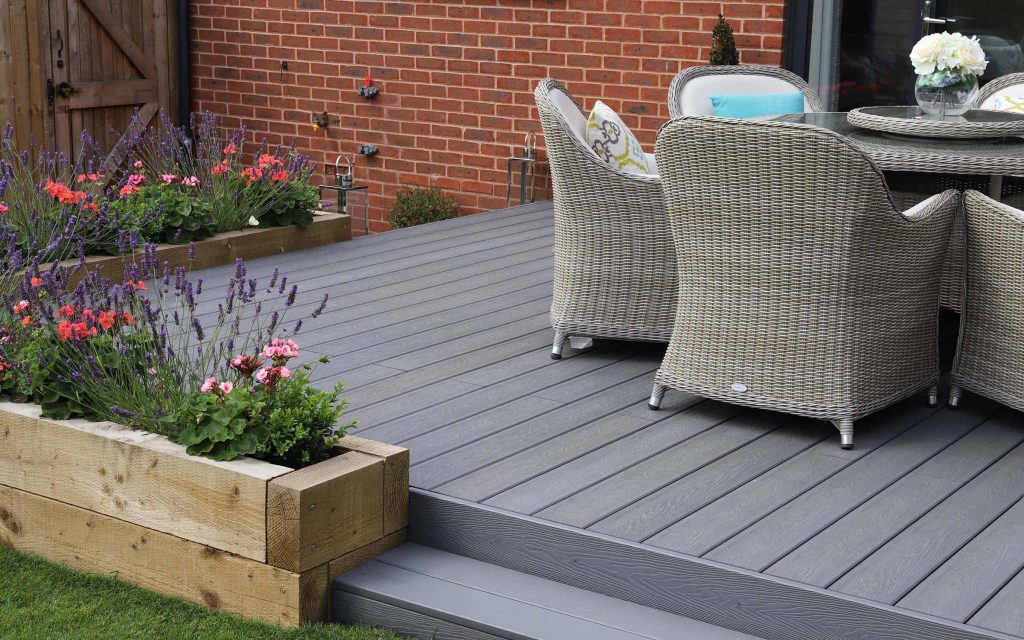
Residential applications represent one of the largest markets for composite decking. UK homeowners increasingly use outdoor spaces for relaxation, dining, entertainment, and family activities.
Light grey decking works particularly well in:
- Garden terraces
- Patio extensions
- Outdoor dining areas
- Balcony spaces
- Private courtyards
The neutral colour allows homeowners to easily match decking with existing garden furniture and landscaping designs.
Commercial Outdoor Spaces
Businesses such as hotels, restaurants, cafes, and leisure facilities require outdoor materials that provide both visual appeal and durability.
Composite decking is commonly used in:
- Restaurant terraces
- Hotel garden areas
- Public seating spaces
- Exhibition outdoor areas
- Retail environments
The low-maintenance characteristics make it especially suitable for commercial properties where reducing ongoing maintenance costs is important.
Landscaping and Property Development Projects
Landscape contractors and property developers often choose composite decking for new construction projects because it provides consistent appearance and reliable performance.
For large-scale developments, advantages include:
- Uniform colour appearance
- Stable supply availability
- Faster installation
- Reduced future maintenance requirements
Light grey tones are particularly suitable for modern housing developments because they match current architectural trends and appeal to a wide range of buyers.
Installation Tips for Light Grey Composite Decking Projects
Preparing the Installation Area Properly
A successful decking project depends not only on the quality of the boards but also on proper preparation before installation. The foundation, drainage system, and support structure all influence the long-term performance of composite decking.
Before installation, the construction area should be carefully inspected to ensure that:
- The ground is stable and level
- Water can drain effectively
- The supporting framework is strong enough
- The installation surface is clean and prepared
Unlike indoor flooring, outdoor decking is exposed to rain and temperature fluctuations. Proper drainage is particularly important because standing water can affect the supporting structure and reduce the lifespan of the entire decking system.
For ground-level applications, installers usually prepare a suitable substructure using materials that can provide stability and ventilation beneath the decking boards. Adequate airflow helps prevent moisture accumulation and improves long-term durability.
Maintaining Correct Spacing Between Boards
Composite decking expands and contracts slightly with temperature changes. Therefore, correct spacing between boards is essential during installation.
Professional installers usually consider:
- Expansion gaps between boards
- Distance between decking and surrounding walls
- Proper spacing between support joists
- Ventilation requirements underneath the deck
Incorrect spacing may lead to movement, deformation, or installation issues over time. Following manufacturer recommendations ensures that the decking system performs reliably throughout different seasons.
Using Suitable Fixing Accessories
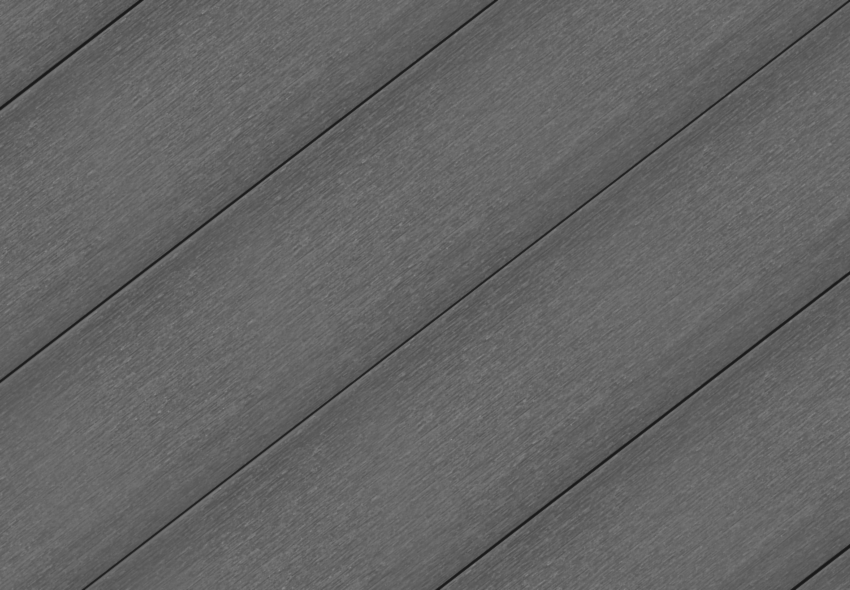
A complete decking installation requires suitable fixing components, including clips, screws, and edge finishing accessories. Hidden fixing systems are often preferred because they provide a cleaner appearance compared with traditional visible screws.
For modern outdoor projects, hidden fastening systems offer several advantages:
- Improved visual appearance
- Reduced surface damage
- More consistent board alignment
- Easier replacement of individual boards
A professional installation approach helps maintain the attractive appearance of light grey decking while improving structural stability.
Maintenance Guide for Composite Decking in the UK
Regular Cleaning for Long-Term Appearance
Although composite decking requires significantly less maintenance than timber, regular cleaning helps preserve its appearance and performance.
Typical cleaning methods include:
- Sweeping away leaves and debris
- Washing surfaces with water
- Using mild soap for stains
- Removing dirt from gaps between boards
Outdoor environments naturally collect dust, pollen, and organic materials. Cleaning the surface periodically prevents the accumulation of unwanted marks and helps maintain the original colour.
Handling Common Outdoor Stains
Composite decking is designed to resist many common stains, but certain substances should still be cleaned as soon as possible.
Examples include:
- Food and beverage spills
- Oil marks from outdoor cooking areas
- Mud and soil deposits
- Organic stains from leaves or plants
Quick cleaning reduces the chance of permanent staining and keeps the decking surface looking attractive.
Protecting Decking During Seasonal Changes
The UK experiences different weather conditions throughout the year, from cold winters to warm summers. Although composite decking is engineered for outdoor use, seasonal care can further improve its lifespan.
During autumn and winter, property owners should regularly remove fallen leaves and prevent excessive moisture accumulation. In areas with heavy snowfall, using appropriate tools instead of sharp metal equipment can help avoid surface scratches.
Comparing Light Grey Composite Decking with Traditional Timber Decking
Differences in Durability
Timber decking has been popular for many years because of its natural appearance. However, wood is a natural material that reacts to environmental conditions.
Common issues with timber decking include:
- Rot caused by moisture
- Cracking and splitting
- Colour fading
- Insect damage
- Regular treatment requirements
Composite decking provides improved resistance against these challenges because it combines engineered materials designed for outdoor performance.
For homeowners and commercial buyers looking for a long-term outdoor flooring solution, composite decking can provide greater reliability with fewer maintenance requirements.
Differences in Appearance
Natural wood has unique grain patterns, but its appearance can change over time due to weather exposure. Without regular maintenance, timber decking may lose its original colour and develop an aged appearance.
Modern composite decking technology allows manufacturers to create realistic wood textures while maintaining better colour stability. Light grey finishes provide a stylish alternative that matches contemporary outdoor design trends.
Differences in Long-Term Cost
The initial cost of composite decking may be higher than some basic timber options. However, the overall investment should consider maintenance expenses over the product lifespan.
Timber decking often requires:
- Protective coatings
- Regular staining
- Repair work
- Replacement of damaged boards
Composite decking reduces these ongoing costs, making it an economical choice for many long-term projects.
Design Ideas Using Light Grey Composite Decking
Creating a Contemporary Garden Space
Light grey decking can transform an ordinary garden into a modern outdoor living area. The neutral colour provides a foundation for creative landscaping designs.
Popular design combinations include:
- Grey decking with green plants
- Decking combined with stone pathways
- Outdoor lighting integrated into the deck structure
- Minimalist furniture arrangements
These design approaches create comfortable outdoor environments suitable for relaxation and entertainment.
Combining Different Materials
Modern landscape design often combines multiple materials to create visual contrast. Light grey composite decking works effectively alongside:
- Natural stone
- Concrete surfaces
- Glass features
- Metal structures
- Wooden garden elements
The subtle colour allows designers to create balanced outdoor spaces without making the decking visually overwhelming.
Suitable for Modern Architecture
Contemporary buildings often feature simple lines, neutral colours, and functional outdoor areas. Light grey composite decking complements these architectural characteristics by providing a clean and sophisticated appearance.
It is commonly selected for:
- Modern residential developments
- Apartment balconies
- Rooftop gardens
- Commercial outdoor areas
Factors Affecting the Price of Composite Decking in the UK
Material Quality and Manufacturing Technology
The price of composite decking depends on various factors, including material composition, production technology, and surface treatment.
Higher-quality boards generally provide:
- Better durability
- Improved colour retention
- Stronger structural performance
- Longer service life
When comparing suppliers, buyers should consider overall value rather than focusing only on the lowest purchase price.
Project Size and Installation Complexity
The total project cost also depends on installation conditions and project scale.
Factors that influence cost include:
- Total decking area
- Installation difficulty
- Required accessories
- Substructure materials
- Labour requirements
Large commercial projects may benefit from bulk purchasing, while residential projects may require more customised solutions.
Supplier Reliability and Product Support
Choosing a reliable supplier is important for long-term projects. Professional suppliers should provide consistent product quality, technical information, and support for installation requirements.
For international buyers, working with experienced manufacturers can help ensure stable supply, customised specifications, and better project coordination.
Conclusion
Choosing the right outdoor decking material requires careful consideration of appearance, durability, maintenance requirements, and long-term value. For many residential and commercial projects, light grey composite decking uk offers an ideal combination of modern style, weather resistance, and practical performance.
Its neutral colour, low maintenance requirements, and ability to withstand changing UK weather conditions make it a popular choice for gardens, terraces, balconies, hospitality areas, and large-scale development projects. Compared with traditional timber decking, composite solutions provide a more convenient option for those seeking a durable outdoor surface with reduced upkeep.
For businesses searching for a reliable composite decking supplier, working with an experienced manufacturer is essential. Companies such as Hosung WPC provide professional composite decking solutions designed to meet different project requirements, helping customers achieve attractive and durable outdoor spaces for residential and commercial applications.