Choosing the right decking material is an important decision for any outdoor construction project. The choice between wood and composite decking affects appearance, maintenance requirements, durability, installation costs, and long-term value. Both materials have their own advantages and limitations, so understanding their differences can help homeowners, contractors, and designers select the most suitable option for different outdoor spaces.
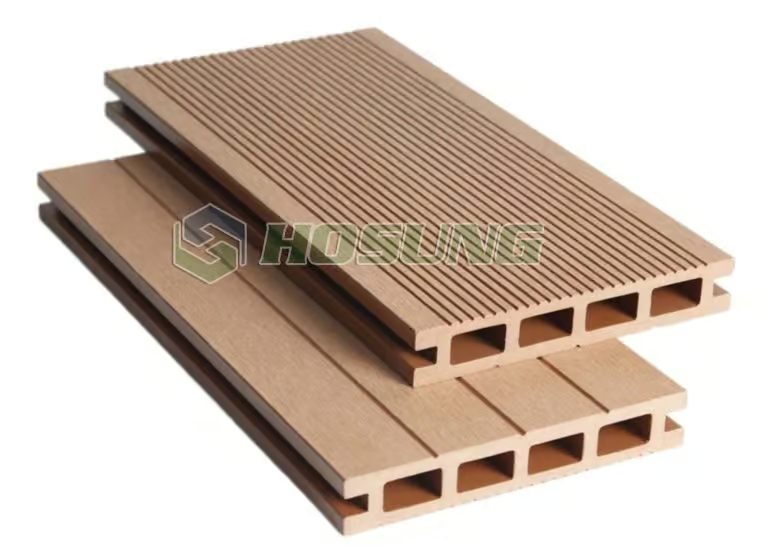
Table of Contents
Appearance and Design Options
The visual appearance of decking is often one of the first factors people consider. Outdoor decks are not only functional areas but also extensions of living spaces, so the material needs to match the surrounding environment and overall design style.
Wood decking has been popular for many years because of its natural appearance. The unique grain patterns, textures, and color variations of wood create a warm and traditional outdoor atmosphere. Each board has its own characteristics, which gives a deck a natural and authentic look. For projects that aim for a classic outdoor style, wood can provide a timeless appearance.
However, the appearance of wood changes over time. Exposure to sunlight, rain, temperature changes, and humidity can cause wood surfaces to fade, turn gray, crack, or develop other signs of aging. Regular maintenance is usually required to preserve its original color and texture.
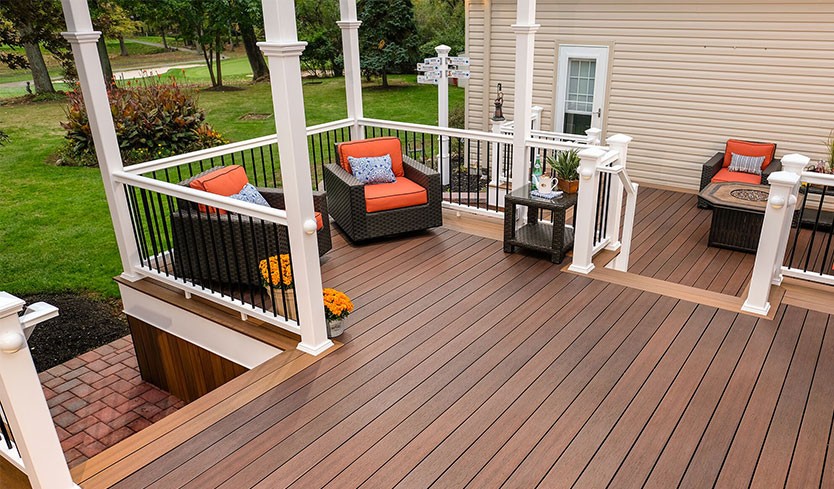
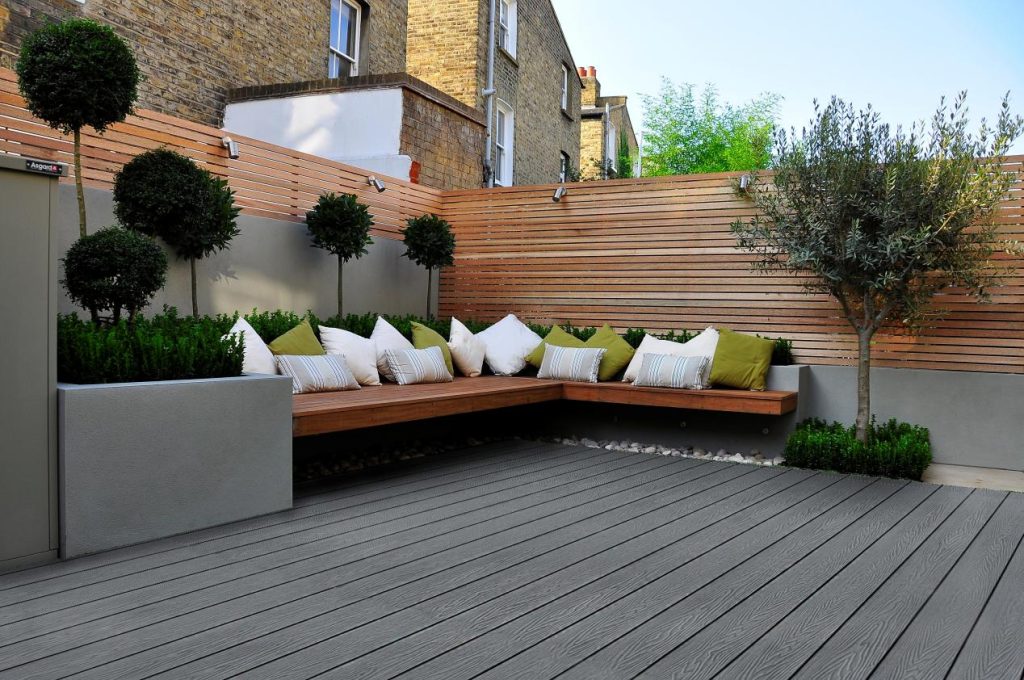
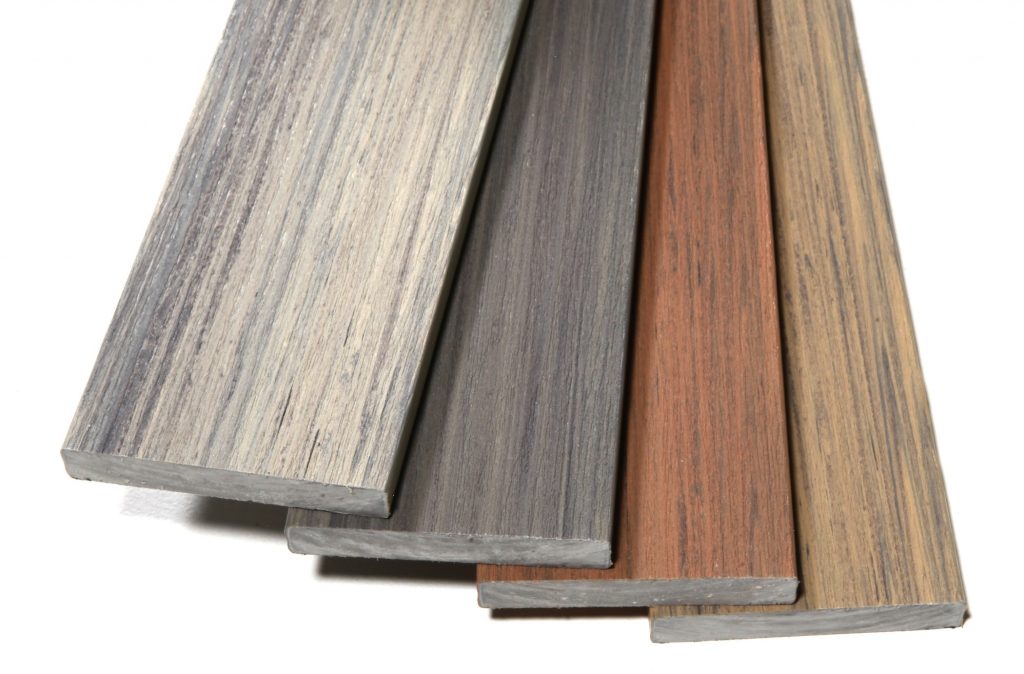
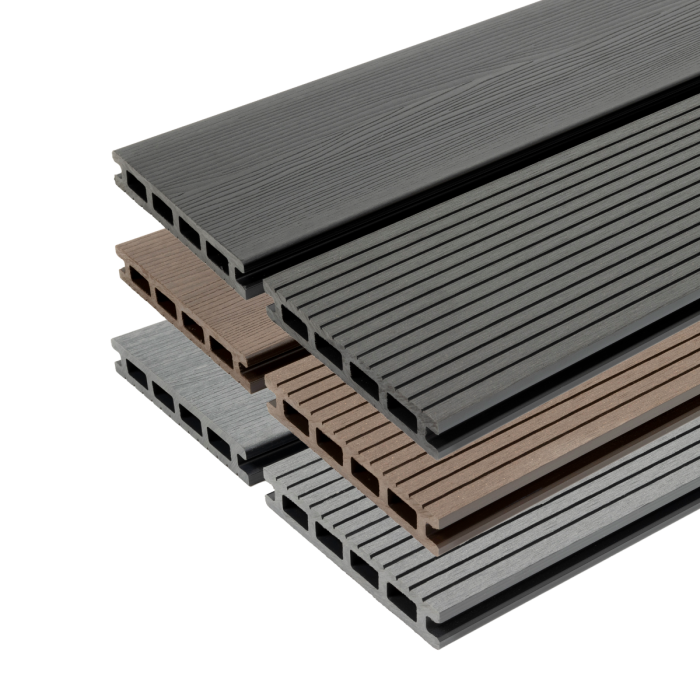
Composite decking is designed to provide a consistent and modern appearance. It can be manufactured with different surface textures, colors, and patterns that imitate the look of natural wood while offering improved resistance to outdoor conditions. Many composite boards have realistic wood-like finishes, allowing outdoor spaces to achieve a natural appearance without the same level of maintenance.
For modern residential gardens, balconies, pool areas, and commercial outdoor spaces, composite decking offers flexible design possibilities. The consistent color and texture across boards can also create a cleaner and more uniform visual effect.
Durability and Weather Resistance
Durability is one of the most important differences when comparing wood and composite decking.
Wood is a natural material, which means its performance can vary depending on the wood type, quality, and environmental conditions. Outdoor wood decks are exposed to moisture, insects, sunlight, and temperature fluctuations. Without proper protection, wood can absorb water, leading to swelling, warping, cracking, and decay.
In areas with heavy rainfall, high humidity, or significant seasonal temperature changes, maintaining a wood deck can require more attention. Protective treatments and regular inspections help extend the service life of wood decking, but natural materials will continue to respond to environmental changes.
Composite decking is engineered to handle outdoor conditions more effectively. It is made by combining wood fibers with plastic materials, creating boards that are more resistant to moisture and environmental damage. Composite decking generally does not absorb water like traditional wood, reducing problems related to rotting, splitting, and insect damage.
For outdoor areas that experience frequent weather changes, composite decking can provide a more stable long-term solution. It maintains its structure better under conditions where natural wood may require frequent repairs or replacement.
Maintenance Requirements
Maintenance is a major factor when deciding between wood and composite decking.
Wood decking requires regular care to maintain its performance and appearance. Depending on the local climate and the type of wood, maintenance tasks may include cleaning, sealing, staining, and repairing damaged areas. These tasks help protect the surface from moisture, ultraviolet exposure, and general wear.
Over time, wood decks may need additional work, such as replacing cracked boards, removing splinters, or refinishing faded surfaces. While some homeowners enjoy the process of caring for natural wood, others may prefer a decking material that requires less ongoing attention.
Composite decking is generally considered a low-maintenance option. Routine cleaning with water and mild cleaning solutions is usually enough to remove dirt, leaves, and everyday stains. Because composite boards are more resistant to moisture and insects, they typically require fewer repairs compared with wood decking.
For busy homeowners, rental properties, hotels, restaurants, and commercial areas, low maintenance can be a significant advantage. Reducing regular maintenance work can save both time and labor costs throughout the life of the deck.
Installation Considerations
The installation process is another important factor when selecting decking materials.
Wood decking is familiar to many builders and contractors because it has been used for outdoor structures for decades. Wood boards are relatively easy to cut, adjust, and install using standard woodworking tools. This flexibility can be useful for customized designs, curved layouts, or projects that require on-site modifications.
However, wood installation requires attention to details such as spacing, ventilation, and protection against moisture exposure. Incorrect installation can increase the risk of future problems, including movement, cracking, or water-related damage.
Composite decking installation often follows similar principles but may involve specific installation systems and recommended spacing requirements. Because composite boards have different expansion and contraction characteristics compared with wood, proper installation methods are important for achieving the best performance.
Many composite decking systems are designed for efficient installation, which can help reduce construction time. Hidden fastening solutions can also create a cleaner surface appearance by reducing visible screws or fasteners.
Cost Comparison Between Wood and Composite Decking
Initial cost is often one of the first considerations in a decking project.
Wood decking usually has a lower upfront material cost, making it attractive for projects with limited budgets. The availability of different wood options allows buyers to choose materials based on their preferred balance between price and performance.
However, the initial purchase price does not represent the total cost of ownership. Wood requires ongoing maintenance, including cleaning products, protective treatments, repairs, and possible replacement of damaged boards. Over many years, these additional expenses can increase the overall investment.
Composite decking generally has a higher initial cost compared with basic wood options. The manufacturing process and enhanced performance features contribute to the higher price. However, the reduced need for maintenance and longer service life can make composite decking more economical over the long term.
When evaluating decking costs, it is important to consider not only the purchase price but also future maintenance expenses, repair requirements, and expected lifespan.
Environmental Performance
Environmental considerations have become increasingly important in building material choices.
Wood decking comes from a renewable natural resource. When sourced responsibly, wood can be an environmentally friendly option. However, the environmental impact depends on factors such as forest management, transportation, treatment processes, and the lifespan of the material.
Because wood requires protective coatings and may need replacement more frequently in harsh environments, the overall environmental impact can vary.
Composite decking uses a combination of recycled and manufactured materials in many applications. Its longer service life and reduced maintenance requirements can help reduce resource consumption over time. Since composite boards are more resistant to common outdoor problems, fewer replacements may be needed during the life of a deck.
Both materials can have environmental benefits depending on how they are produced, used, and managed. Buyers should consider the complete lifecycle of the decking material rather than focusing only on the original material source.
Comfort and Outdoor Experience
The comfort of a deck is another factor that influences the final decision.
Wood decking provides a natural surface feel that many people appreciate. The texture and appearance of real wood create a comfortable outdoor environment. However, wood surfaces may develop splinters over time if they are not properly maintained.
Composite decking provides a smooth and consistent surface. It does not typically create splinters, making it suitable for areas where people walk barefoot, such as pool decks, patios, and family outdoor spaces.
Temperature can also affect outdoor comfort. Like many outdoor materials, both wood and composite decking can become warm when exposed to direct sunlight. The surface temperature depends on factors such as color, location, ventilation, and weather conditions.
Choosing lighter colors and providing proper shade can help improve comfort for both wood and composite decking installations.
Lifespan and Long-Term Performance
The expected lifespan of decking materials plays an important role in long-term planning.
Wood decking performance depends heavily on maintenance, climate conditions, and installation quality. A well-maintained wood deck can provide many years of service, but neglecting maintenance can significantly shorten its lifespan.
Composite decking is designed for long-term outdoor performance. Its resistance to moisture, insects, and surface damage allows it to maintain structural stability for many years with minimal maintenance.
For homeowners planning to keep a property for a long time, composite decking may provide better value because of its durability and reduced maintenance requirements. For temporary projects or situations where natural appearance is the highest priority, wood may still be a suitable choice.
Applications Suitable for Wood Decking
Wood decking remains a popular choice for many outdoor applications.
It is commonly used for:
- Residential garden decks
- Traditional outdoor patios
- Landscape projects
- Small balcony areas
- Outdoor structures requiring natural aesthetics
Wood is especially suitable for projects where the natural character of the material is an important design element. It works well with traditional architecture and outdoor environments that emphasize organic materials.
For smaller projects where maintenance is manageable, wood can provide an attractive and practical solution.
Applications Suitable for Composite Decking
Composite decking is widely used in situations where durability and low maintenance are priorities.
Common applications include:
- Large residential decks
- Poolside platforms
- Commercial outdoor areas
- Public spaces
- Hotels and hospitality environments
- High-traffic outdoor areas
Because composite decking requires less maintenance and offers strong resistance to outdoor conditions, it is suitable for projects where long-term performance is important.
For commercial properties, reducing maintenance downtime and repair costs can be a major advantage.
Which Is Better for Different Users?
There is no single answer to whether wood or composite decking is better. The right choice depends on individual project requirements.
Wood decking may be the better option for people who:
- Prefer a natural material appearance
- Enjoy regular maintenance work
- Need a lower initial investment
- Want a traditional outdoor style
Composite decking may be the better option for people who:
- Want minimal maintenance
- Need better resistance to weather conditions
- Prefer consistent appearance
- Focus on long-term value
The best decking material should match the purpose of the outdoor space, the local climate, the available maintenance time, and the overall project budget.
Factors to Consider Before Choosing Decking Material
Before making a final decision, several questions should be considered:
Climate Conditions
Local weather has a major impact on decking performance. Areas with heavy rain, strong sunlight, or high humidity may require materials with stronger resistance to environmental changes.
Maintenance Expectations
Consider how much time and effort can be dedicated to cleaning and maintenance. A material that requires frequent care may not be suitable for every homeowner or commercial project.
Design Requirements
The desired appearance of the outdoor space should influence the choice. Natural textures, modern designs, color consistency, and surface finishes all play a role.
Budget Planning
A realistic budget should include both installation costs and future maintenance expenses. A lower initial price does not always mean lower overall costs.
Project Purpose
A private garden deck, commercial terrace, pool area, and public outdoor space may have different requirements. Choosing a material based on actual usage conditions can improve long-term satisfaction.
Final Thoughts
When comparing wood and composite decking, both materials offer valuable benefits. Wood provides natural beauty, traditional appeal, and a unique outdoor atmosphere, while composite decking offers durability, low maintenance, and reliable long-term performance.
The better choice depends on priorities. For projects that focus on natural appearance and a classic style, wood decking can be an excellent option. For those looking for easier maintenance, stronger weather resistance, and long-term convenience, composite decking may provide greater advantages.
By carefully considering appearance, durability, maintenance, cost, environmental impact, and intended use, property owners can choose the decking material that best fits their outdoor living needs.