Outdoor decking plays an important role in creating comfortable, attractive, and functional exterior spaces. Whether the project is a residential patio, garden walkway, balcony, poolside area, rooftop terrace, or commercial outdoor space, choosing the right decking material can affect both appearance and long-term performance. Among the available options, 4m grey composite decking has become a practical choice for projects that require a modern appearance, convenient installation, and reliable outdoor performance.
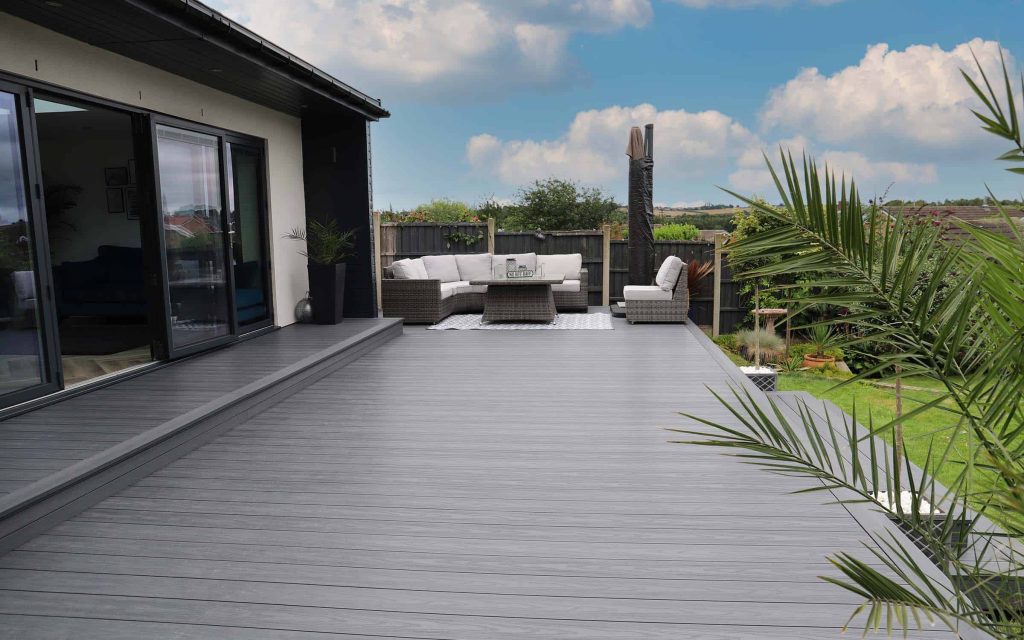
Table of Contents
The combination of a 4-meter board length and grey coloring provides several advantages for installers, designers, contractors, and property owners. Longer boards can reduce the number of joints required across a deck, while grey offers a neutral appearance that works well with many architectural styles. Composite construction can also provide an alternative to traditional timber where reduced maintenance and consistent appearance are important considerations.
What Is 4m Grey Composite Decking?
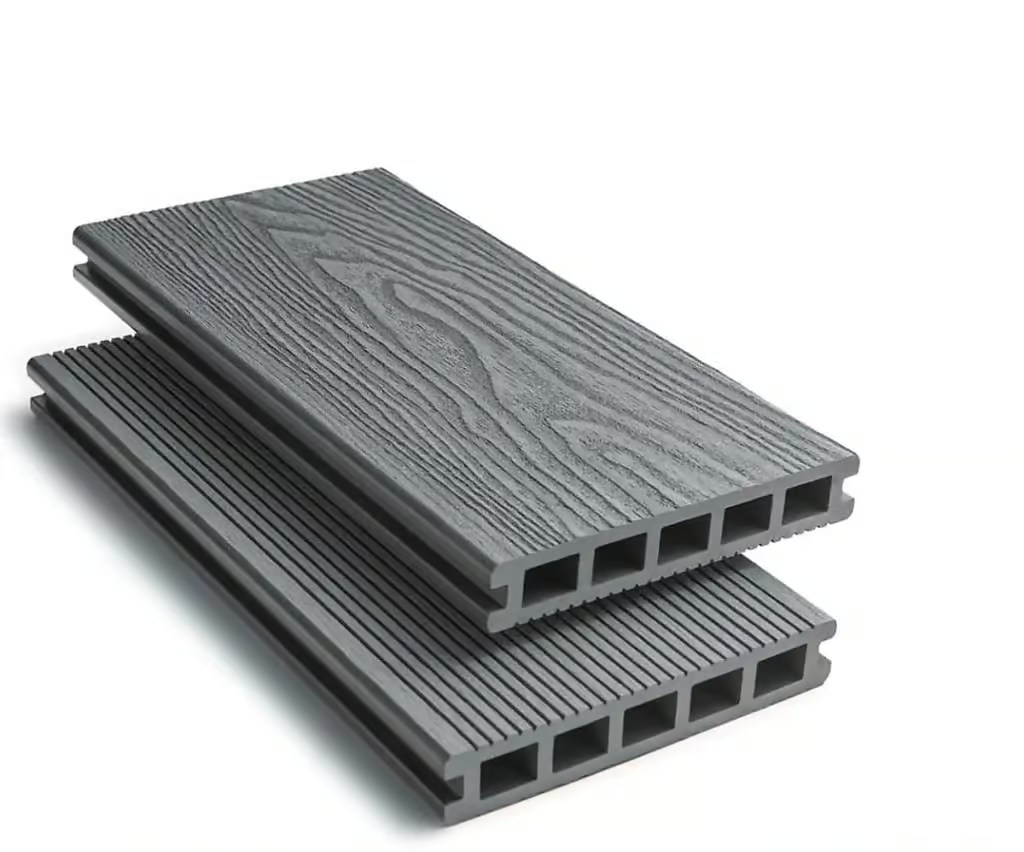
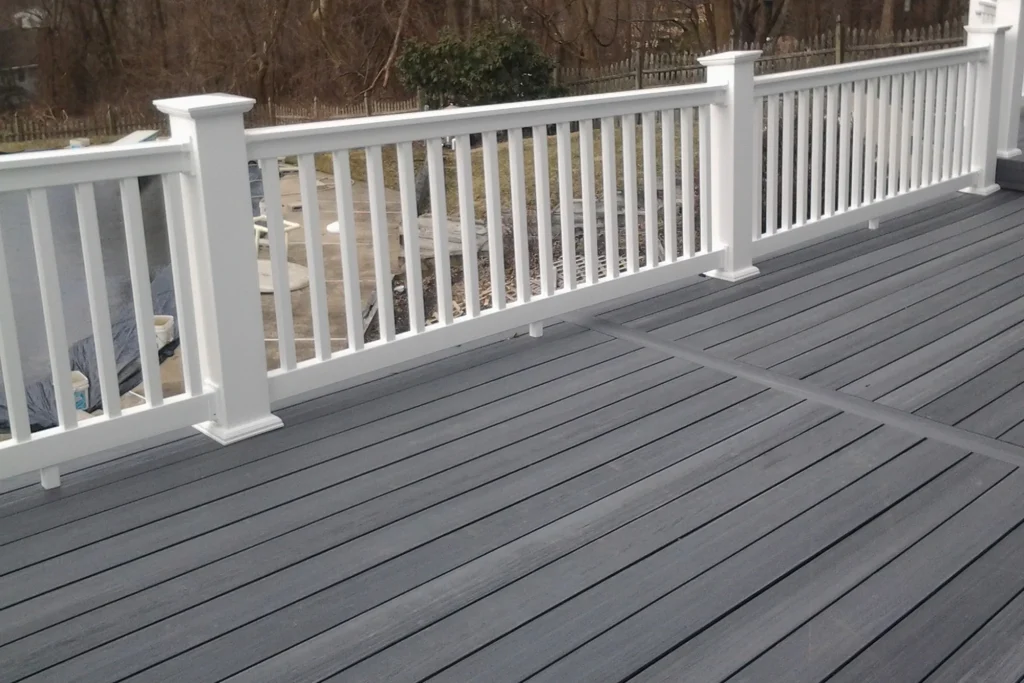
4m grey composite decking refers to composite decking boards manufactured at approximately four meters in length and finished in a grey tone. Composite decking is generally produced from a combination of wood fibers or other reinforcing materials and polymer components. Depending on the manufacturing process, additional additives may be used to improve weather resistance, color stability, dimensional performance, and surface characteristics.
The 4-meter length is particularly useful for projects with relatively long installation runs. Instead of joining several shorter boards together, installers may be able to cover a greater distance with fewer individual pieces. This can create a cleaner visual effect while potentially reducing cutting, alignment, and joint-related work.
Grey is another important characteristic. It provides a contemporary and understated appearance that can complement concrete, stone, glass, metal, brick, and other common exterior materials. Different shades, from light grey to darker charcoal tones, can create significantly different visual effects.
Why Choose a 4-Meter Board Length?
Board length can influence both installation efficiency and the final appearance of a deck. Longer decking boards can be advantageous when the project layout allows them to be used effectively.
One major benefit is the reduction of butt joints. When shorter boards are installed end to end, additional joints are required, which can create visible lines across the deck. Longer boards can reduce the number of these connections and contribute to a more continuous surface.
Longer boards may also help simplify installation. When a board covers a larger section of the deck, installers may spend less time measuring and connecting multiple pieces. However, the practical benefits depend on the project dimensions, deck design, access conditions, and available installation equipment.
Transportation and handling should also be considered. A four-meter board is longer and may require more space for storage, transportation, and positioning during installation. For larger commercial projects, contractors should plan delivery and handling procedures before purchasing materials.
Why Is Grey a Popular Decking Color?
Grey decking has become popular because it provides a balanced combination of modern appearance and practical visual characteristics. Unlike very bright colors, grey tends to blend naturally into outdoor environments.
A light grey deck can create a clean and open appearance, especially when used around gardens, patios, or contemporary buildings. Darker grey tones can provide stronger contrast with light-colored walls, furniture, or landscaping features.
Grey can also work effectively with different design themes. It may suit minimalist residential architecture, traditional gardens, modern commercial buildings, hospitality areas, and recreational spaces. Because it is relatively neutral, outdoor furniture and decorative elements can be changed without necessarily making the decking appear visually incompatible.
The surface appearance is also important. Depending on the manufacturing method, composite decking may feature wood-grain textures, brushed surfaces, or other patterns designed to provide visual depth and improve underfoot characteristics.
Main Benefits of Composite Decking
One of the primary reasons property owners consider composite decking is its relatively low-maintenance nature. Traditional timber decking may require regular staining, sealing, painting, or other treatments to maintain its appearance and protect the material. Composite decking is generally designed to reduce the frequency of these maintenance requirements.
Resistance to moisture is another important advantage. Composite materials can be less susceptible to common timber-related problems such as rotting and splintering when properly manufactured and installed. Nevertheless, product performance varies, so buyers should always review technical specifications and installation requirements before making a purchasing decision.
Composite decking can also provide consistent dimensions and appearance. High-quality manufacturing processes help maintain board uniformity, which can make installation more predictable.
For outdoor projects, resistance to changing weather conditions is especially important. Decking may be exposed to sunlight, rain, humidity, temperature changes, and repeated use. Selecting a product designed for the intended environment can help support long-term performance.
Where Can 4m Grey Composite Decking Be Used?
4m grey composite decking can be suitable for a wide range of outdoor applications. Residential patios are one common use because homeowners often want an attractive surface that requires less routine maintenance.
Garden paths and platforms are another possibility. The neutral grey appearance can provide a visual transition between buildings, landscaping, and outdoor furniture.
Poolside areas may also benefit from composite decking, provided the selected product is appropriate for wet environments and installed according to the manufacturer’s requirements. Drainage, ventilation, substructure design, and surface characteristics should all be considered.
Commercial applications can include restaurant terraces, hotel outdoor areas, recreational facilities, balconies, and shared residential spaces. In these environments, durability and maintenance requirements can have a direct effect on operating costs and user experience.
Rooftop terraces can also use composite decking where building structure, weight limitations, drainage, fire requirements, and local regulations have been properly evaluated.
Installation Considerations
Proper installation is essential for achieving good long-term performance. Before installation begins, the supporting structure should be checked to ensure that it is stable, level, and suitable for the decking system.
Joist spacing should follow the technical recommendations for the specific board. Insufficient support can increase movement or deflection, while incorrect spacing may affect the stability and appearance of the finished surface.
Adequate expansion space is also important. Composite materials can expand and contract as temperatures change. Installers should therefore follow the manufacturer’s recommended gaps at board ends, sides, walls, and other fixed structures.
Ventilation and drainage should not be overlooked. Outdoor decking should allow water to move away from the surface and should not create conditions where moisture remains trapped beneath the boards.
Because four-meter boards are relatively long, installation teams should also consider handling. Having sufficient workers or appropriate equipment can make positioning easier and reduce the possibility of damaging boards during installation.
How to Select the Right Grey Composite Decking
When purchasing 4m grey composite decking, buyers should evaluate more than color and board length. Material composition, board structure, surface texture, dimensions, load requirements, weather resistance, and installation method can all affect suitability.
It is also useful to request technical documentation from the supplier. Information about board dimensions, recommended joist spacing, fastener requirements, allowable applications, and maintenance procedures can help contractors plan accurately.
Color consistency should also be considered for larger projects. If materials are purchased in several batches, buyers may want to confirm whether the manufacturer can maintain a consistent color across production runs.
Project quantity should be calculated carefully as well. Although longer boards can reduce joints, some cutting waste may still occur depending on the deck layout. A detailed installation plan can help determine the required quantity and reduce unnecessary material waste.
Maintenance Tips for Long-Term Use
Composite decking generally requires less maintenance than many traditional timber alternatives, but it still benefits from routine cleaning. Dirt, leaves, dust, food residue, and other contaminants should be removed regularly.
For normal cleaning, sweeping the surface and washing it with suitable water and cleaning solutions may be sufficient. Spills should be addressed promptly, particularly in areas where food and beverages are frequently used.
Heavy furniture should be positioned carefully, and sharp objects should not be dragged across the surface. Although composite decking is designed for outdoor use, proper care can help preserve its appearance and functional performance.
Periodic inspection is also recommended. Check fasteners, joints, support structures, drainage areas, and other installation components to identify potential problems at an early stage.
Conclusion
4m grey composite decking in Hosung Factory combines a practical long-board format with a versatile neutral appearance, making it suitable for many residential, commercial, and landscaping projects. Its four-meter length can help reduce joints and simplify certain installation layouts, while grey provides a contemporary appearance that can coordinate with a wide range of outdoor materials.
For buyers and contractors, the best results come from considering the entire project rather than focusing on appearance alone. Material quality, board dimensions, structural requirements, drainage, installation methods, environmental conditions, and maintenance expectations should all be evaluated before purchase.
With appropriate planning and installation, four-meter grey composite boards can provide an attractive and functional outdoor surface designed to support comfortable outdoor living and commercial use for years to come.