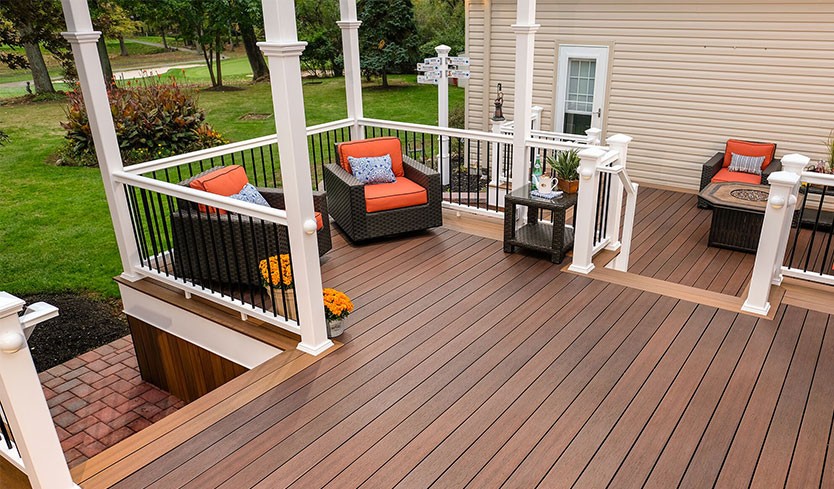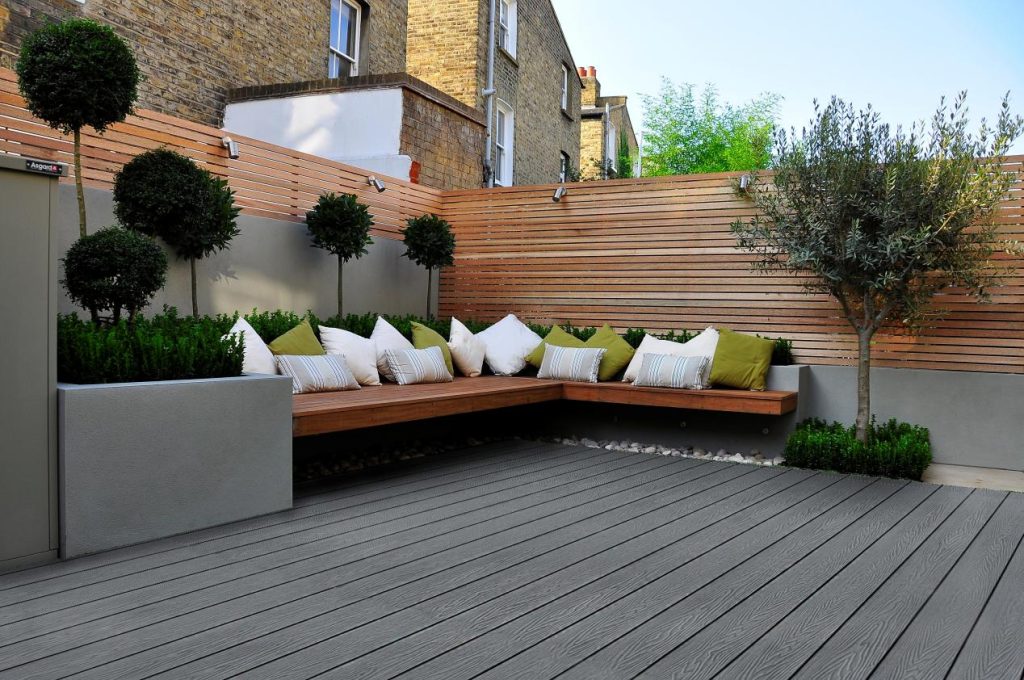
If you are planning a new outdoor deck, patio, balcony, or garden walkway, one of the first questions to ask is: where can you buy composite decking? The answer depends on your project size, budget, location, required board specifications, and whether you need installation support. Composite decking is widely available through home improvement stores, specialist suppliers, online marketplaces, local building merchants, and manufacturers.
Choosing the right purchasing channel is important because the supplier can affect product quality, delivery time, technical support, and overall project cost. This guide explains the main places to buy composite decking and what you should consider before placing an order.
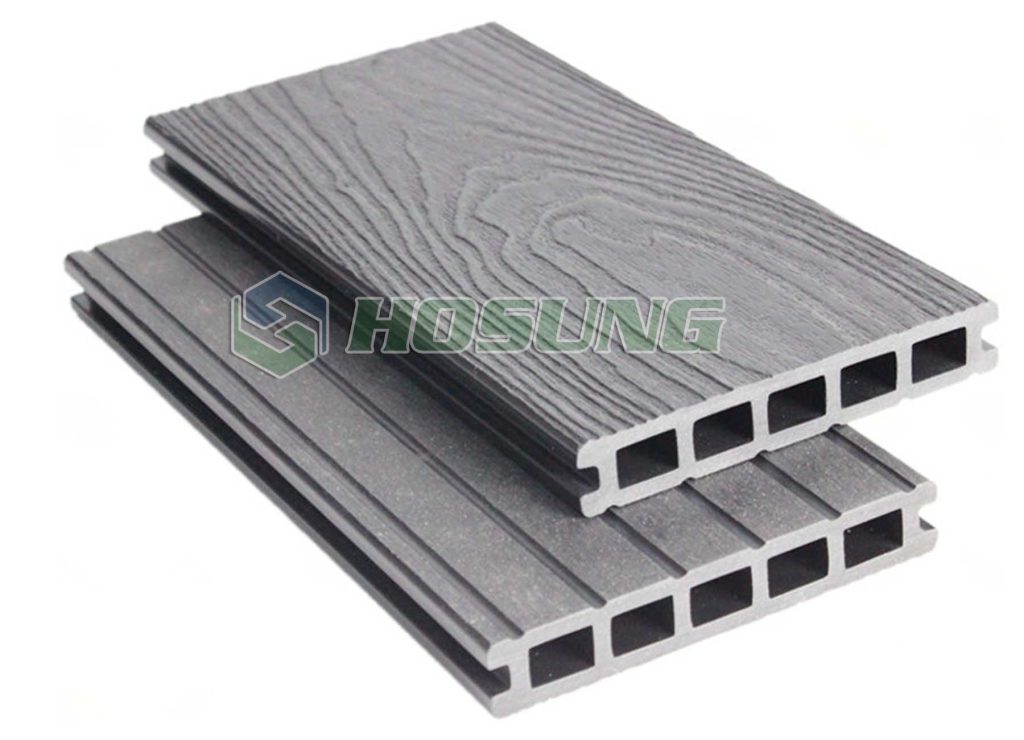
Table of Contents
Where Can You Buy Composite Decking?
There are several common purchasing channels. Each one has different advantages, so the best option depends on the type of project you are working on.
1. Home Improvement Stores
Large home improvement stores are one of the easiest places to start when looking for composite decking. These stores typically sell decking boards alongside joists, clips, screws, posts, lighting, and other installation accessories.
The biggest advantage is convenience. You can often compare different board colours and profiles in person, purchase accessories at the same time, and arrange home delivery or store collection.
This option is particularly suitable for homeowners completing small or medium-sized projects themselves.
However, large retail stores may have a relatively limited selection compared with specialist suppliers. You may also find fewer options for custom colours, unusual dimensions, commercial-grade boards, or large-volume orders.
Before buying, check whether the store has enough stock for your entire project. Purchasing boards from different production batches can sometimes create differences in colour or surface appearance.
2. Specialist Decking Suppliers
Specialist decking suppliers are another excellent answer to the question, where can you buy composite decking?
Unlike general hardware retailers, specialist suppliers focus heavily on outdoor flooring and landscaping products. They often carry multiple board profiles, colours, surface finishes, and structural designs.
A specialist supplier can be particularly useful if you need help selecting:
- Solid or hollow composite boards
- Grooved or ungrooved profiles
- Different board widths and thicknesses
- Matching fascia boards
- Hidden fixing systems
- Joists and subframe materials
- Decking steps and edge finishing
- Accessories for drainage and installation
Specialist suppliers may also provide samples, technical specifications, installation guidance, and delivery services.
For larger residential projects, landscaping businesses, and contractors, specialist suppliers can offer a better balance between product choice and professional support.
3. Local Building Material Merchants
Local builders’ merchants and landscaping material suppliers are worth considering, especially when your project requires fast delivery.
Buying locally can make logistics easier because you may be able to inspect samples, discuss your requirements with staff, and collect materials directly. Local suppliers can also be useful when you need additional boards or accessories during installation.
Another advantage is that some local merchants have relationships with contractors and installers. If you are unfamiliar with composite decking installation, they may be able to recommend local professionals.
However, stock levels can vary considerably. A small merchant may only carry a few colours or board styles, so it is important to confirm availability before planning the entire project around a particular product.
4. Online Retailers
Online retailers have become an increasingly popular way to buy composite decking.
The biggest advantage is product comparison. You can review board dimensions, colours, technical specifications, accessories, warranties, customer feedback, and delivery information without visiting several physical stores.
Online purchasing is particularly convenient for buyers who already know exactly what they need.
However, there is one major disadvantage: it can be difficult to judge the actual colour and texture of composite decking from photographs. Screen settings can affect how colours appear, while photographs may not fully show surface texture.
For this reason, requesting a physical sample before ordering a large quantity can be a sensible approach.
You should also check delivery charges carefully. Composite decking boards are long and relatively heavy, so freight costs can have a meaningful effect on the final purchase price.
5. Online Marketplaces
Large online marketplaces provide another option when searching for composite decking.
Marketplaces can offer a wide range of products from different sellers, making it easy to compare prices and specifications. They may also provide customer reviews and convenient delivery options.
However, buyers should pay particular attention to seller information.
Before ordering, check:
- Manufacturer or supplier details
- Board dimensions
- Material composition
- Product weight
- Available colours
- Surface finish
- Warranty terms
- Installation requirements
- Return conditions
- Delivery charges
- Stock availability
A low advertised price does not necessarily mean lower total project cost. If the product has limited accessories, high delivery charges, or inconsistent quality, the final cost may be higher than expected.
6. Buy Directly From a Manufacturer
For contractors, distributors, developers, landscaping companies, and buyers with larger requirements, purchasing directly from a manufacturer can be an attractive option.
Factory-direct purchasing can reduce the number of intermediaries between production and the final buyer. For larger orders, manufacturers may also provide volume pricing and project-specific quotations.
Another important advantage is product customization. Depending on the manufacturer, buyers may be able to discuss board dimensions, colours, surface textures, packaging, private-label requirements, and other specifications.
Direct purchasing is especially relevant for commercial projects where hundreds or thousands of square metres may be required.
Factory-direct sourcing can also make it easier to obtain technical documents, product samples, test reports, installation instructions, and material information before making a purchasing decision.
However, this approach requires more planning. Minimum order quantities, production schedules, international shipping, customs, payment terms, and lead times should all be considered.
Should You Buy Composite Decking Online or In Store?
Both options have advantages.
Buying in store allows you to physically inspect the boards before purchasing. You can see the actual colour, feel the surface texture, and ask questions directly. This is especially useful if appearance is an important part of your project.
Buying online offers convenience and a broader range of choices. It is also easier to compare prices and specifications across multiple suppliers.
For a small DIY project, visiting a local supplier and comparing samples may be the safest approach.
For a larger project, online research followed by sample testing and direct communication with the supplier can provide a more efficient purchasing process.
What Should You Check Before Buying Composite Decking?
Knowing where to buy composite decking is only the first step. You also need to determine whether the product is appropriate for your project.
Board Construction
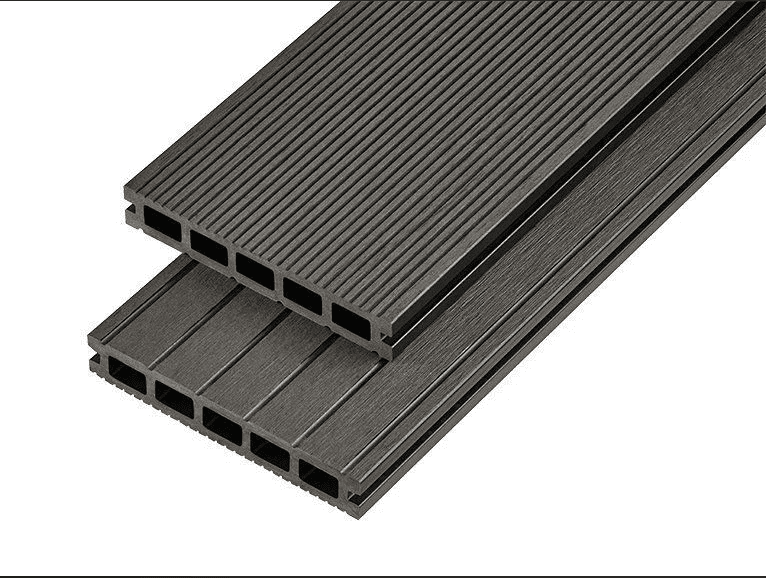
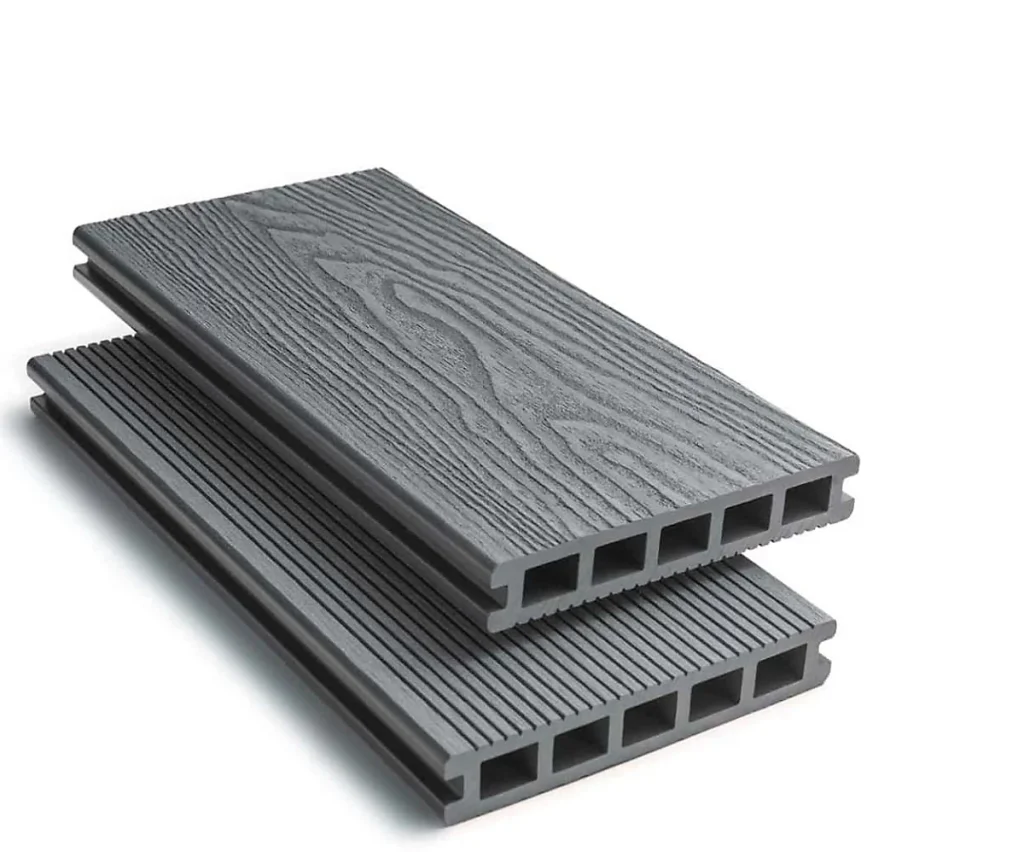
Composite decking can have different internal structures. Solid boards generally have a heavier construction, while hollow boards can reduce weight and material usage.
Neither structure is automatically suitable for every application. Consider expected foot traffic, joist spacing, climate, installation conditions, and the manufacturer’s recommendations.
Surface Finish
Surface texture affects both appearance and practical performance.
Wood-grain finishes can create a more natural appearance, while smooth surfaces provide a contemporary look. Textured or grooved surfaces may also provide additional grip in outdoor environments.
If possible, compare physical samples rather than relying exclusively on online photographs.
Colour
Composite decking is available in many colours, including grey, brown, black, red-brown, and natural wood-inspired shades.
Consider the colour of your house, walls, fencing, furniture, and landscaping before choosing the decking.
Darker colours can create a dramatic modern appearance, while lighter colours may provide a softer and more natural outdoor atmosphere.
Size and Length
Board dimensions can have a significant effect on installation.
Longer boards may reduce the number of joints, while wider boards can change the visual appearance of the finished deck. However, transportation and handling should also be considered when selecting long or wide boards.
Always calculate the required quantity based on the actual board dimensions rather than simply estimating the total area.
Don’t Forget the Accessories
One common purchasing mistake is focusing only on the decking boards.
A complete composite decking system may require:
- Joists
- Starter clips
- Hidden fastening clips
- Screws
- Edge clips
- Fascia boards
- Corner trims
- Stair components
- End caps
- Drainage materials
- Support posts
- Subframe components
Compatibility is important. Not every clip or screw system works with every decking board.
Ask the supplier for a complete installation system whenever possible. This can reduce compatibility problems and make installation more straightforward.
How Much Composite Decking Should You Buy?
Start by measuring the total deck area.
For a simple rectangular deck, multiply the length by the width to calculate the basic square metre requirement.
For irregular shapes, divide the space into smaller rectangles or other simple sections and calculate each area separately.
You should then account for cutting and installation waste. The exact allowance depends on the deck shape, board length, installation pattern, and installer experience.
It is also worth considering future repairs. If the product is discontinued, matching replacement boards may be difficult to find. Purchasing a small number of spare boards can therefore be useful, particularly for large or long-term projects.
Final Thoughts: Where Can You Buy Composite Decking?
So, where can you buy composite decking? You can purchase it from home improvement stores, specialist decking suppliers, local builders’ merchants, online retailers, online marketplaces, and manufacturers.
The best choice depends on your project.
For a small DIY deck, local stores and online retailers offer convenience. For homeowners who want expert guidance, specialist suppliers can provide samples and technical support. For contractors, distributors, developers, and large commercial projects, buying directly from a manufacturer can provide better opportunities for volume pricing, product customization, and long-term supply.
Regardless of where you buy, compare more than the initial board price. Look at material quality, board structure, dimensions, surface finish, accessories, warranty, delivery, installation requirements, and after-sales support.
For buyers looking for a manufacturer capable of supplying composite decking for residential, commercial, or wholesale applications, Hosung WPC is one option to consider when comparing factory-direct suppliers. The key is to request samples, review specifications, confirm project requirements, and compare complete quotations before making your final decision.
With careful supplier selection and proper planning, composite decking can provide a durable, attractive, and low-maintenance outdoor surface for many years.