When planning an outdoor living area, material and color selection play a decisive role in the final result. Among the most popular options in today’s market, 12 ft gray composite decking stands out for its balance of aesthetics, performance, and installation efficiency. Whether you are designing a residential patio, poolside lounge, rooftop terrace, or commercial boardwalk, this specific size and color combination offers remarkable versatility. In this comprehensive guide, we will explore everything you need to know about 12 ft gray composite decking—from color psychology and style coordination to material types, structural advantages, performance features, installation tips, and long-term value.
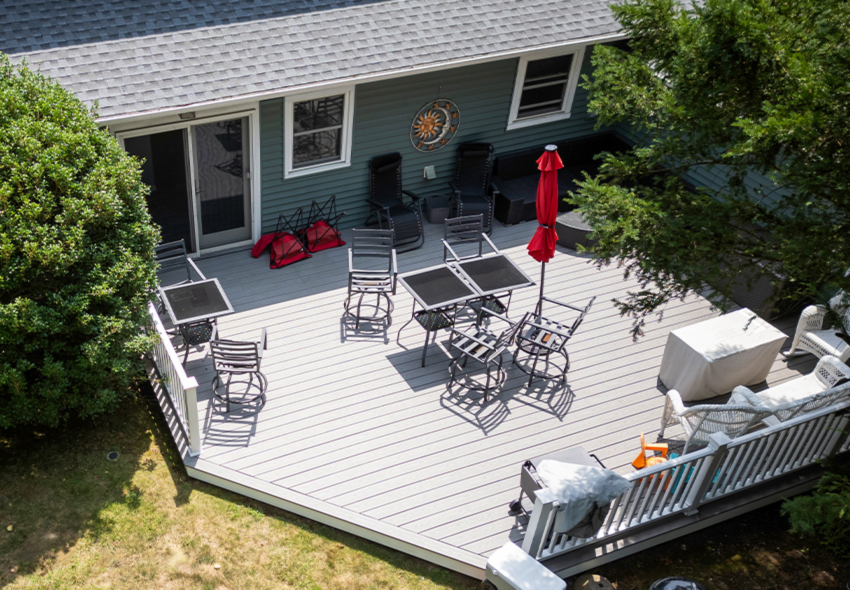
Table of Contents
Why Gray Composite Decking Is So Popular
The Rise of Gray in Outdoor Design
Gray has become a dominant color in modern architecture and landscaping. From contemporary homes in cities like Los Angeles to coastal properties in Sydney, gray tones represent sophistication, neutrality, and timeless appeal.
Unlike traditional brown wood decking, gray composite boards:
Complement modern minimalist designs
Pair well with metal, glass, and stone elements
Resist visible fading compared to darker shades
Provide a clean and cool visual aesthetic
Gray tones also reflect less heat than very dark decking, which can improve comfort underfoot during summer.
Why Choose the 12 ft Length?
When it comes to decking boards, length matters significantly. The 12 ft dimension has become one of the most practical and widely specified sizes for both residential and commercial projects.
1. Reduced Seams and Cleaner Layout
Longer boards like 12 ft planks reduce the number of butt joints required across the deck surface. This creates:
A smoother visual flow
Fewer visible seams
Less structural interruption
For medium-sized patios and backyard decks, 12 ft boards often span the full width, eliminating unnecessary joint lines.
2. Easier Handling Compared to 16 ft Boards
While 16 ft and 20 ft boards exist, they are heavier and harder to transport and maneuver. The 12 ft size offers an ideal balance:
Manageable for two installers
Easier loading and storage
Lower risk of bending during transport
This improves jobsite efficiency without sacrificing aesthetic continuity.
3. Less Material Waste
Many residential deck designs are based on modular dimensions that align well with 12 ft spans. As a result:
Cutting waste is minimized
Layout planning becomes simpler
Project cost efficiency improves
Types of 12 ft Gray Composite Decking
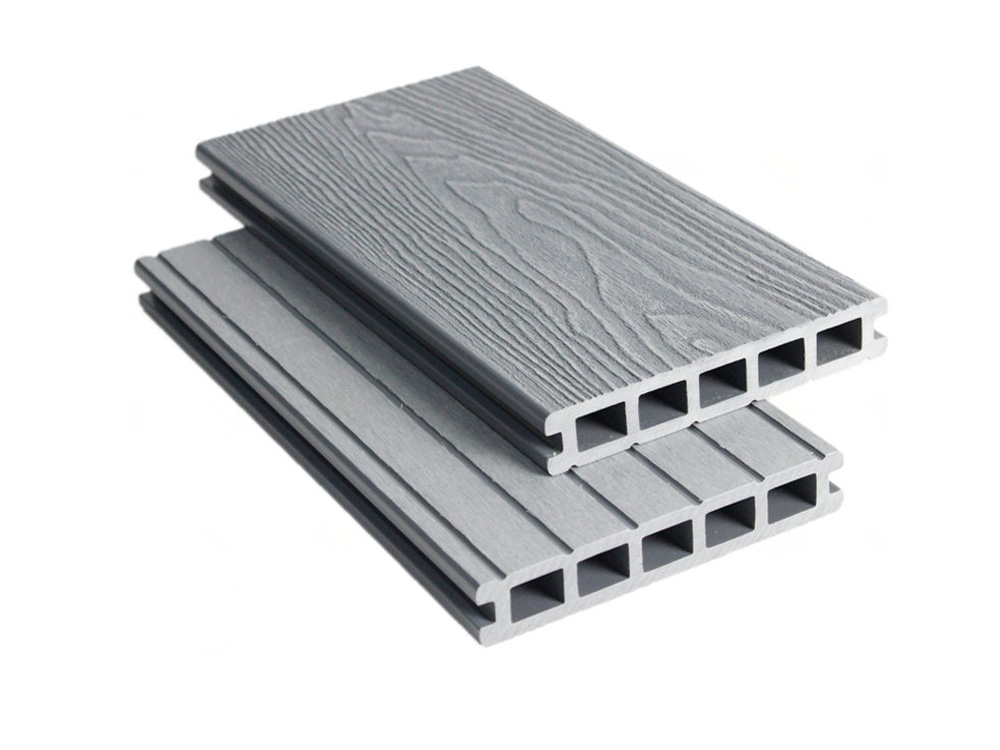
Composite decking is not a single product category—it includes multiple structural and surface variations. Understanding these options in greater depth helps you choose the right 12 ft gray composite decking for structural performance, visual appeal, and long-term durability.
Solid vs Hollow Core: A Closer Look
When selecting between solid and hollow composite boards, it’s important to consider load requirements, installation environment, and budget expectations.
Solid Composite Boards
Solid composite boards are manufactured with a dense internal structure, which gives them greater weight and rigidity. Because of their density, they provide enhanced edge durability, making them especially suitable for:
Stair treads
Picture-frame borders
Deck edges exposed to impact
Commercial boardwalks
High-traffic entertainment areas
Their strength makes them less prone to flexing under heavy furniture, grills, or large gatherings. In commercial settings such as restaurants, resorts, or public outdoor walkways, solid 12 ft gray composite decking offers additional peace of mind due to its structural reliability.
However, the added density means:
Heavier lifting during installation
Slightly higher material costs
More robust substructure support may be required
Despite these factors, solid boards remain the preferred choice where maximum durability is essential.
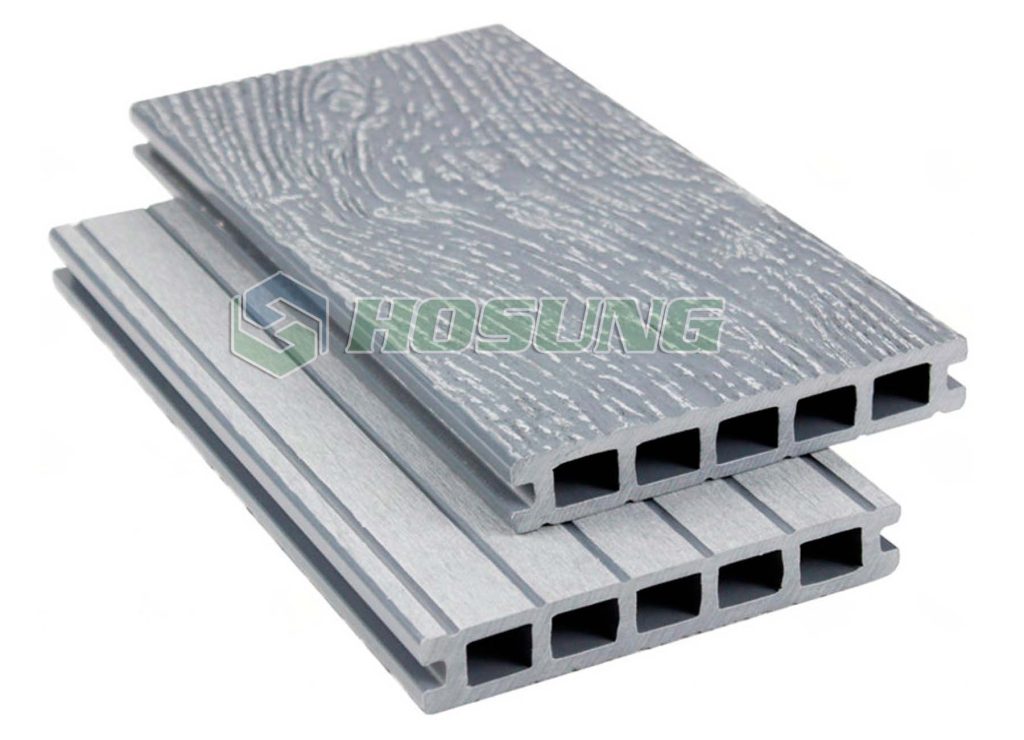
Hollow Composite Boards
Hollow composite boards are engineered with internal cavities that reduce weight without sacrificing core performance for typical residential use. The internal design often includes circular or rectangular chambers that maintain strength while lowering overall material usage.
Advantages include:
Easier handling and transport
Faster installation
Reduced structural load
More budget-friendly pricing
For backyard patios, family decks, and rooftop terraces, hollow 12 ft gray composite decking typically performs exceptionally well. It delivers the same modern gray appearance while improving installation efficiency.
That said, hollow boards may require end caps for a clean finish, especially when board ends are visible.
Capped vs Uncapped Composite: Surface Protection Matters
Beyond structural design, surface technology plays a major role in performance.
Uncapped Composite
Uncapped composite boards represent the first generation of composite decking. They consist of a blended mixture of wood fibers and plastic materials. While they offer good structural stability, their surface is more exposed to environmental elements.
Limitations may include:
Higher susceptibility to staining
More noticeable fading over time
Greater moisture absorption compared to capped boards
Uncapped boards are generally more affordable, but they may require more attentive cleaning to maintain their original gray tone.
Capped Composite
Capped composite boards feature a protective polymer shell that fully or partially wraps the core material. This advanced outer layer significantly enhances performance.
Key benefits include:
Superior stain resistance (food, wine, grease)
Improved UV protection
Reduced moisture penetration
Longer manufacturer warranties
For homeowners seeking long-term color stability in 12 ft gray composite decking, capped boards are now the industry standard. The protective shell also makes cleaning easier, which is particularly important for outdoor dining spaces.
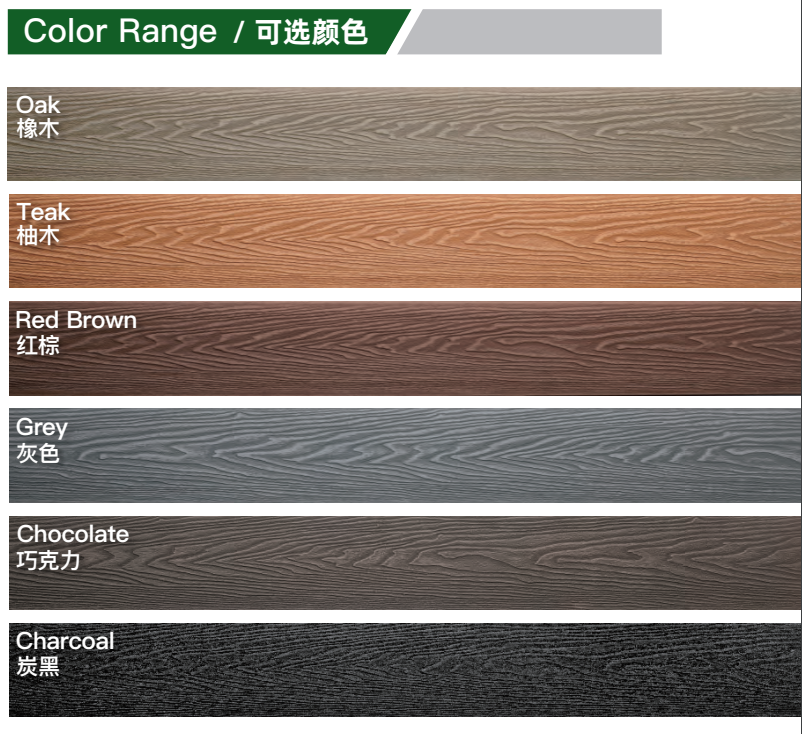
Shades of Gray: More Than Just One Color
Gray composite decking comes in a spectrum of tones, and selecting the right shade can dramatically influence the atmosphere of your outdoor space.
Light Gray
Light gray boards create an open and airy feel. They visually expand smaller decks and reflect more sunlight, helping to maintain a cooler surface temperature. These shades are particularly popular in coastal-style homes and contemporary minimalist designs.
Light gray works beautifully with:
White railings
Glass panels
Soft beige outdoor furniture
Light stone pavers
Medium Gray
Medium gray remains the most versatile and widely selected option. It balances warmth and neutrality, making it suitable for both traditional and modern homes.
It pairs well with:
Natural stone walls
Brick exteriors
Concrete patios
Wood pergolas
Because it hides dirt and minor debris better than very light tones, medium gray is practical for busy households.
Charcoal or Dark Gray
Charcoal gray delivers bold contrast and dramatic visual impact. It creates a sleek, upscale appearance and complements black aluminum railings or dark window frames.
Dark gray is often chosen for:
Industrial-style homes
Urban rooftop decks
Luxury outdoor entertainment areas
In colder climates, darker gray tones add perceived warmth and richness. In warmer regions, lighter shades may be preferable to reduce heat absorption.
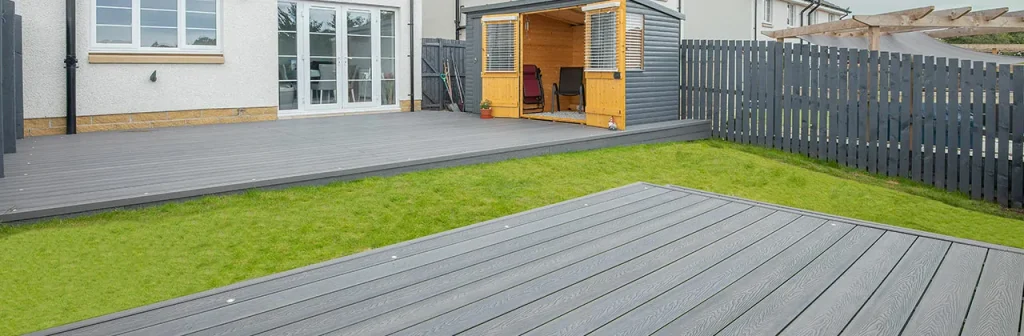
Matching 12 ft Gray Composite Decking with Other Elements
Railing Systems
Gray decking pairs beautifully with:
Black aluminum railings
Glass panel systems
White PVC railings
Stainless steel cable railings
For ultra-modern homes, frameless glass railings create a seamless connection between deck and view.
House Exterior
Gray composite boards harmonize with:
White siding
Dark charcoal façades
Natural stone cladding
Red brick walls
The neutrality of gray allows homeowners to change exterior paint colors later without replacing the deck.
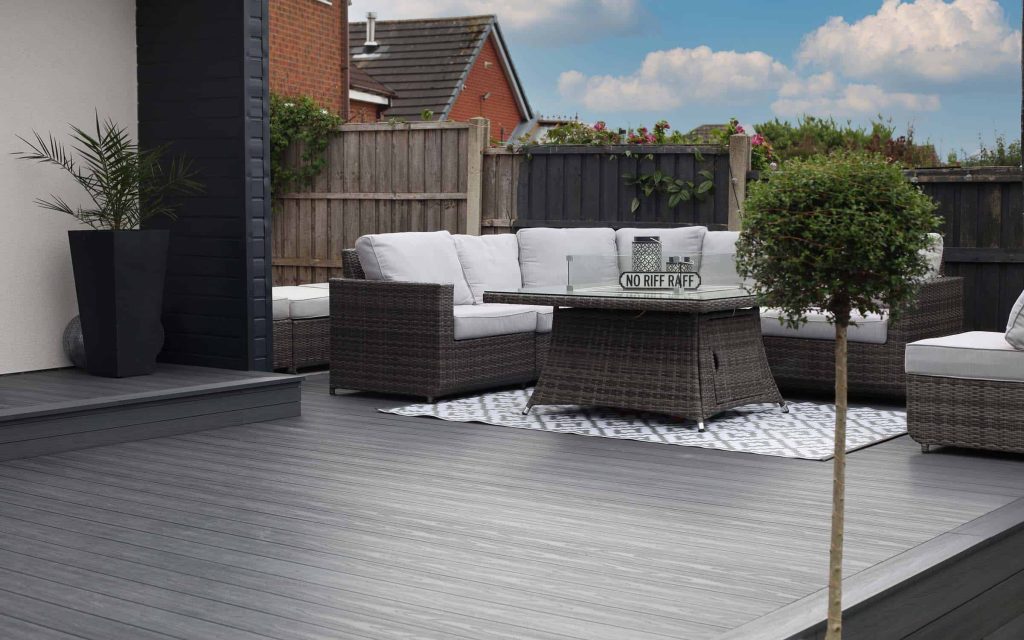
Furniture and Accessories
Outdoor furniture in teak, black metal, beige wicker, or even bright accent cushions contrasts elegantly against gray decking.
Fire pits, pergolas, and outdoor kitchens also blend well with this neutral foundation.
Performance Advantages of 12 ft Gray Composite Decking
Beyond aesthetics, composite decking is chosen primarily for performance.
1. Moisture Resistance
Unlike natural wood, composite boards:
Do not rot
Resist mold growth
Withstand humidity and rain
This makes them suitable for coastal regions such as Miami where humidity levels are high.
2. Low Maintenance
Traditional wood decks require:
Annual staining
Sealing
Sanding
Composite decking requires only occasional cleaning with soap and water.
3. Fade and UV Resistance
Modern capped composites are engineered to resist UV damage. Gray tones particularly help conceal minor color changes over time.
4. Slip Resistance
Many 12 ft gray composite decking boards feature embossed wood-grain textures, improving traction in wet conditions.
Environmental Benefits
Composite decking often uses recycled materials:
Recycled plastic
Reclaimed wood fibers
This reduces landfill waste and decreases reliance on virgin timber.
By choosing 12 ft gray composite decking, homeowners contribute to sustainable construction practices while achieving long-term durability.
Installation Considerations
Proper Substructure
Deck joists should be spaced according to manufacturer recommendations—typically:
16 inches on center for residential
12 inches on center for heavy load areas
Proper ventilation beneath the deck ensures longevity.
Expansion Gaps
Composite materials expand and contract slightly with temperature changes. Installers must:
Leave end-to-end spacing
Follow side gap recommendations
Avoid over-tightening fasteners
Hidden Fastener Systems
Most modern composite decks use hidden clip systems that:
Provide clean surface appearance
Allow controlled expansion
Improve installation speed
Cost vs Value
While 12 ft gray composite decking costs more upfront than pressure-treated wood, the lifetime value is superior.
Lower Maintenance Costs
Over 10–15 years, homeowners save significantly by avoiding:
Staining materials
Labor
Replacement boards
Increased Property Appeal
Modern gray decks enhance resale value, especially in competitive real estate markets.
Common Applications of 12 ft Gray Composite Decking
One of the biggest advantages of 12 ft gray composite decking is its versatility. Thanks to its balanced board length, neutral color tone, and low-maintenance performance, it can be used in a wide variety of residential and commercial settings. Below, we explore the most common and practical applications in greater depth.
Residential Backyard Decks
For homeowners, the backyard deck is often the heart of outdoor living. It serves as a space for relaxation, entertainment, and family gatherings. The 12 ft board length is particularly suitable for medium-sized residential decks because it reduces seams while remaining easy to handle during installation.
Outdoor Dining Areas
Gray composite decking provides a neutral, modern foundation for outdoor dining furniture. Whether you prefer a minimalist metal dining set or a rustic wooden table, gray tones blend effortlessly with different materials and styles. The stain resistance of capped composite boards is especially useful in dining areas where food spills, sauces, or beverages are common.
Unlike traditional wood, composite boards do not require annual sealing to protect against moisture and grease stains. This makes them ideal for homeowners who want a beautiful dining space without ongoing maintenance.
Family Entertainment Spaces
Backyard decks often function as multi-purpose entertainment zones. Children playing, pets running, and guests moving furniture all place stress on the surface. Solid or hollow 12 ft gray composite decking offers:
Splinter-free safety for barefoot walking
Stable footing due to textured surfaces
Resistance to scratches and wear
Minimal fading over time
Because gray tones hide dust and minor debris better than very dark or very light colors, they remain visually appealing even with frequent use.
BBQ Patios
Grilling areas benefit significantly from composite decking. Traditional wood can stain easily from grease or charcoal residue. Capped gray composite boards provide enhanced stain resistance and are easier to clean after outdoor cooking sessions.
Additionally, gray decking pairs well with stainless steel grills, black metal smokers, and stone outdoor kitchens, creating a cohesive and modern look.
Poolside Surrounds
Pool decks demand materials that can handle constant exposure to water, humidity, and sunlight. This is where 12 ft gray composite decking truly excels.
Gray composite boards complement:
Blue pool tiles
White coping stones
Natural stone pool edging
Modern concrete finishes
The neutral tone enhances the water’s visual clarity while maintaining a clean aesthetic.
From a functional standpoint, composite decking offers:
Excellent moisture resistance
Reduced risk of splintering
Textured surfaces for better slip resistance
Long-term resistance to mold and mildew
Lighter gray shades are particularly beneficial in sunny climates because they absorb less heat than darker surfaces, improving comfort for bare feet around the pool area.
Rooftop Terraces
Urban living increasingly includes rooftop outdoor spaces. In these applications, structural load considerations become critical. Hollow 12 ft gray composite decking is often preferred because it is lighter than solid boards while still delivering durability.
Key advantages for rooftop installations include:
Reduced structural weight
Easier transport to upper floors
Cleaner visual lines due to fewer board joints
Compatibility with pedestal systems
The modern gray color complements glass railings, metal planters, and contemporary rooftop furniture. It creates a refined, minimalist environment that aligns well with urban architectural trends.
Commercial Projects
Commercial environments require materials that can withstand high foot traffic and constant exposure to the elements. Many restaurants, hotels, resorts, and waterfront properties choose gray composite decking for both durability and aesthetics.
Restaurants and Cafés
Outdoor dining areas benefit from stain resistance, easy cleaning, and professional appearance. Gray decking provides a sophisticated background that does not compete with branding or décor elements.
Hotels and Resorts
Hospitality projects often require materials that maintain visual consistency over time. Composite decking resists fading and moisture damage, reducing maintenance costs and operational downtime.
Waterfront Properties
Marinas and boardwalks demand materials that resist moisture and salt exposure. Solid core gray composite boards are frequently selected for these demanding environments because of their enhanced structural integrity.
Comparing 12 ft Gray Composite Decking to Wood
| Feature | Composite | Wood |
|---|---|---|
| Maintenance | Low | High |
| Rot Resistance | Excellent | Poor |
| Insect Resistance | Excellent | Vulnerable |
| Color Stability | High | Fades quickly |
| Lifespan | 20+ years | 10–15 years |
Wood may initially appear cheaper, but composite wins in long-term reliability.
Final Thoughts
12 ft gray composite decking combines optimal board length, contemporary color appeal, and advanced material performance. Its neutral tone complements nearly any architectural style, while its composite structure delivers durability that traditional wood simply cannot match.
Whether you are building a new outdoor living space or upgrading an aging wooden deck, choosing 12 ft gray composite decking ensures a balance of beauty, strength, and low maintenance for years to come.
If you are planning your next decking project, consider how the right size and color choice can transform your outdoor environment into a functional and visually stunning retreat.
Want to get more information about gray composite decking? Contact Hosung for details right now!