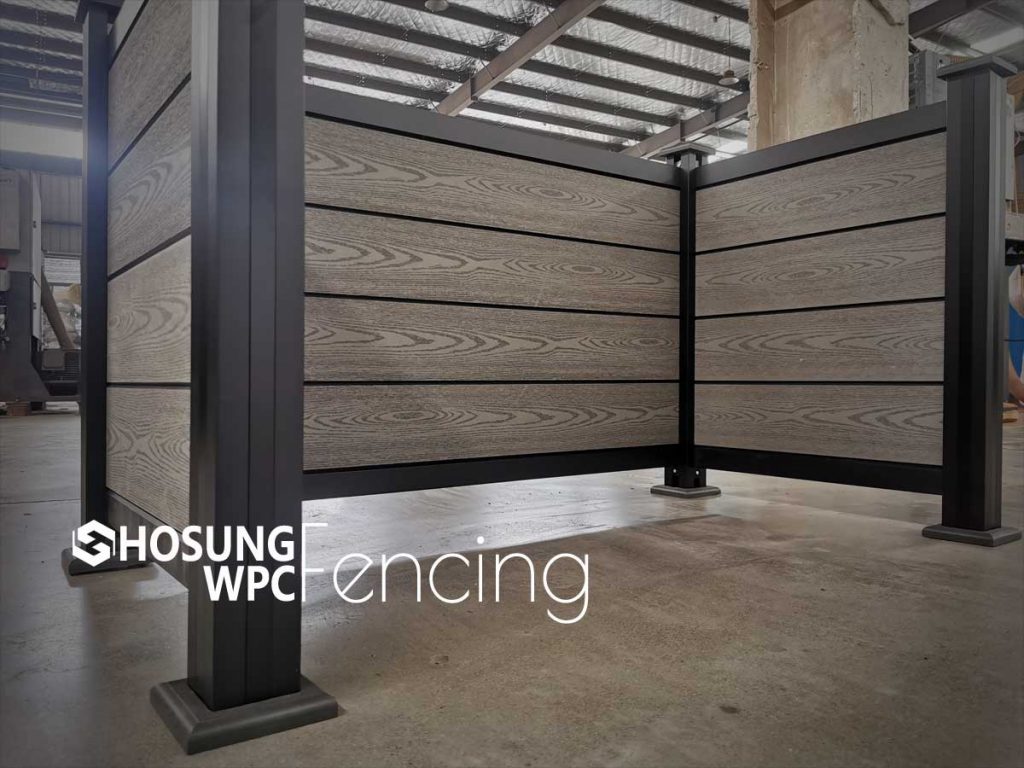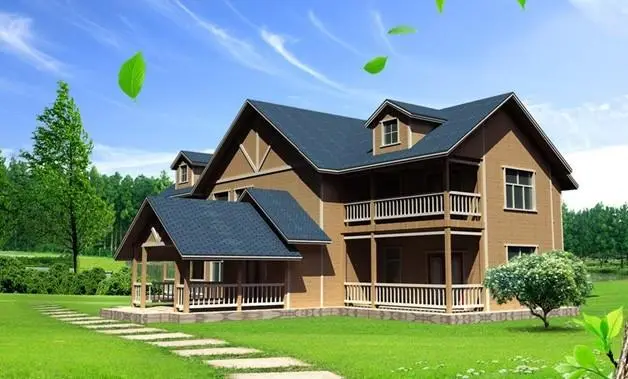
Charcoal composite decking has grown in popularity due to its sleek, modern appearance and unparalleled durability. With more homeowners opting for low-maintenance yet stylish decking solutions, composite decking, particularly in the rich charcoal hue, offers the best of both worlds. This material is designed to last longer than traditional wood decking, standing up to the rigors of weather, wear, and tear with little upkeep. In this comprehensive guide, we’ll delve into everything you need to know about charcoal composite decking, including types, pairing ideas, installation tips, maintenance advice, and selection strategies. Whether you’re building a deck for the first time or upgrading your outdoor living space, this guide will help you make an informed decision.
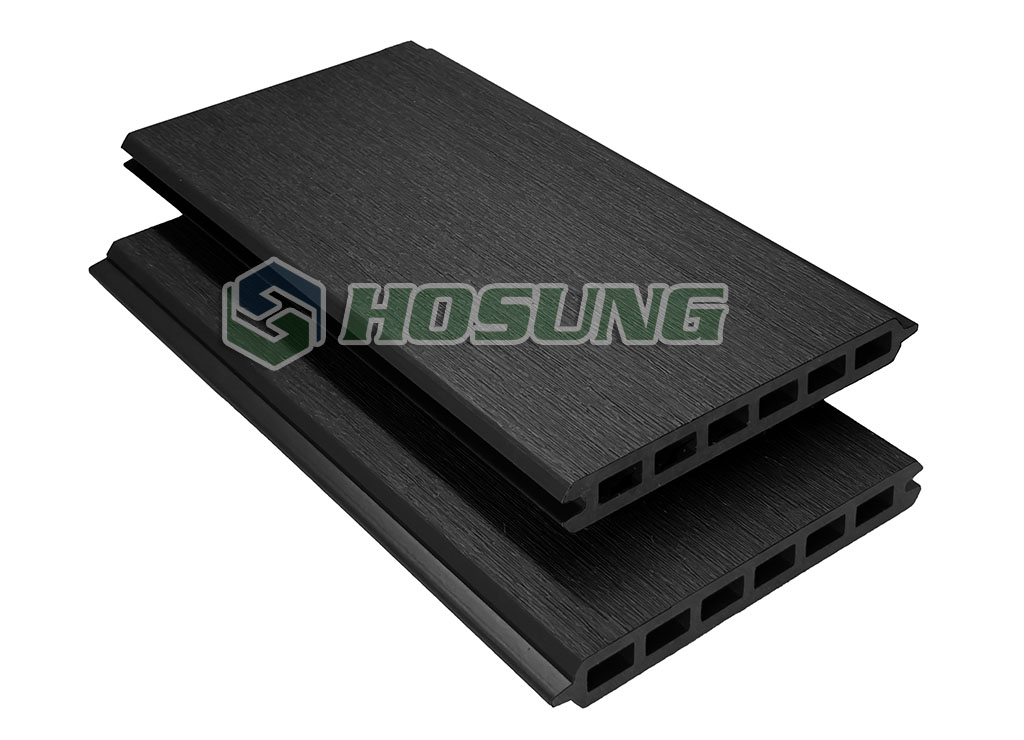
Table of Contents
What is Charcoal Composite Decking?
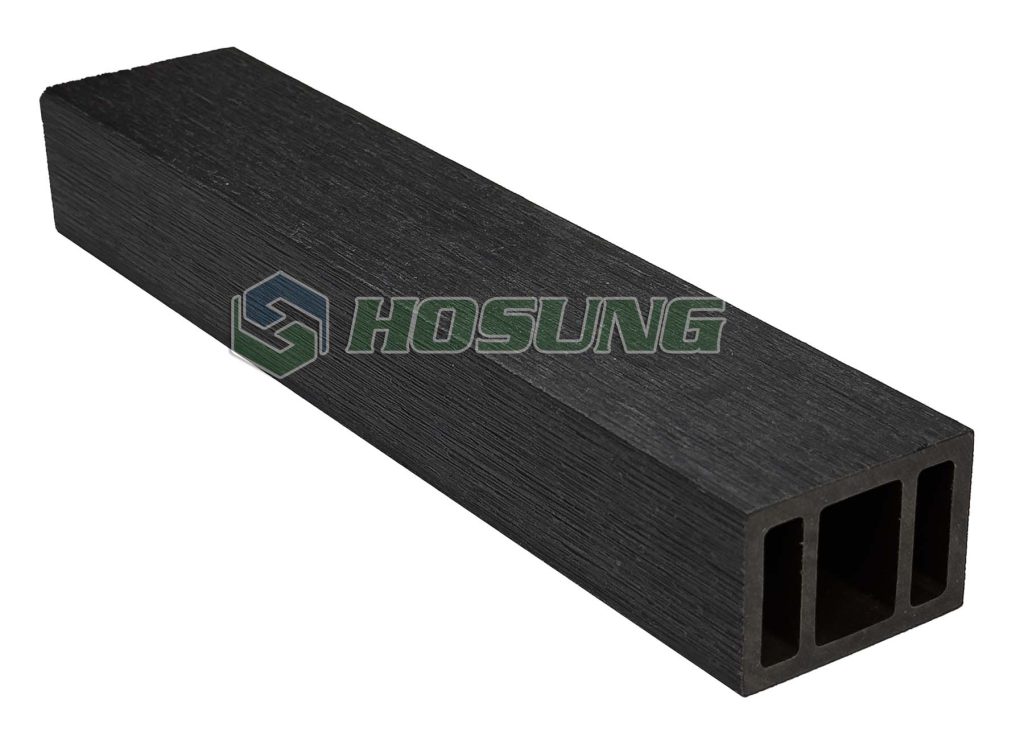
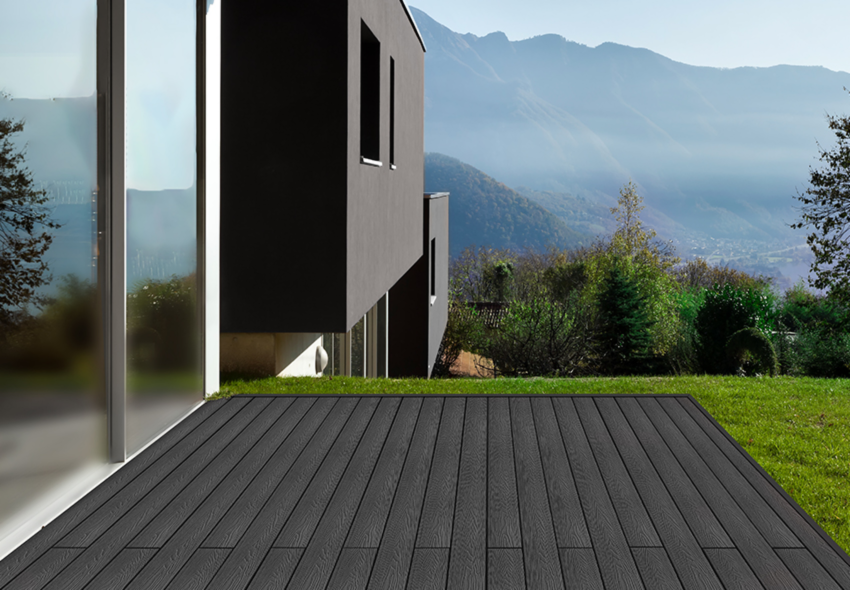
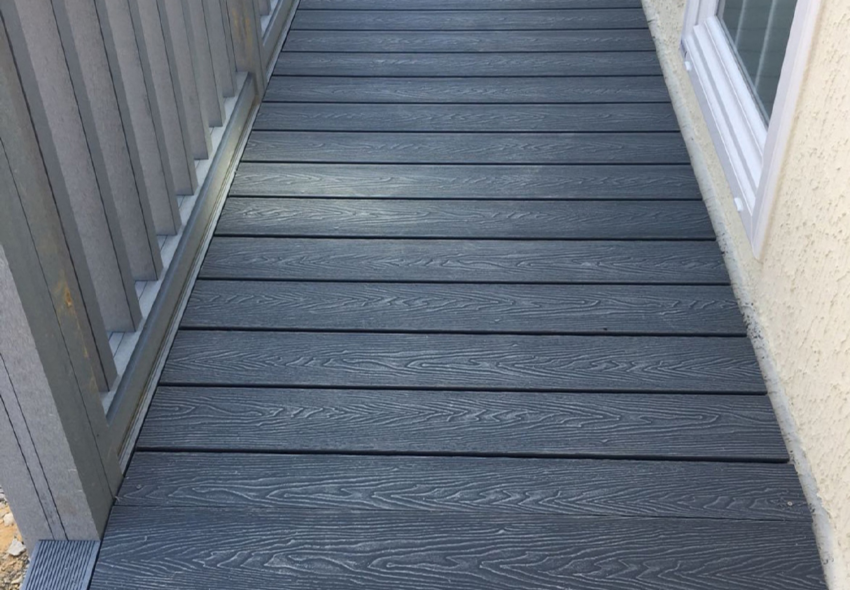
Charcoal composite decking is a synthetic decking material made primarily from a blend of wood fibers, plastic, and binding agents. This fusion creates a strong, weather-resistant material that mimics the appearance of natural wood while offering enhanced durability and reduced maintenance. The deep, dark tones of charcoal give the decking a sophisticated and modern look, ideal for contemporary and minimalist outdoor spaces.
One of the key advantages of composite decking is that it is engineered for resilience. Unlike traditional wood, it doesn’t require periodic sealing, staining, or painting. Charcoal composite decking is also resistant to moisture, mold, mildew, and insects, which are common challenges for wood decking.
Key Benefits of Charcoal Composite Decking:
Durability: Highly resistant to weather, moisture, and pests, ensuring long-lasting performance.
Low Maintenance: No need for staining, sealing, or painting. Easy to clean.
Sustainable: Made from recycled wood fibers and plastics.
Aesthetic Appeal: The sleek, dark charcoal color adds elegance to any outdoor space.
Safety: Slip-resistant surface, even when wet.
Types of Charcoal Composite Decking
Not all charcoal composite decking is created equal. Various manufacturers offer different styles and types of composite materials, each with unique features and advantages. Let’s explore the key types of charcoal composite decking available in the market.
| Type of Charcoal Composite Decking | Description | Advantages | Best For |
|---|---|---|---|
| Solid Charcoal Composite Decking | Solid composite decking is made with a dense, solid core. The material is often heavier and thicker than hollow decking, providing greater strength and stability. | – Durable and heavy-duty – Ideal for high-traffic areas – Higher resistance to impact and wear | – Large decks – High-traffic areas – Areas with extreme weather |
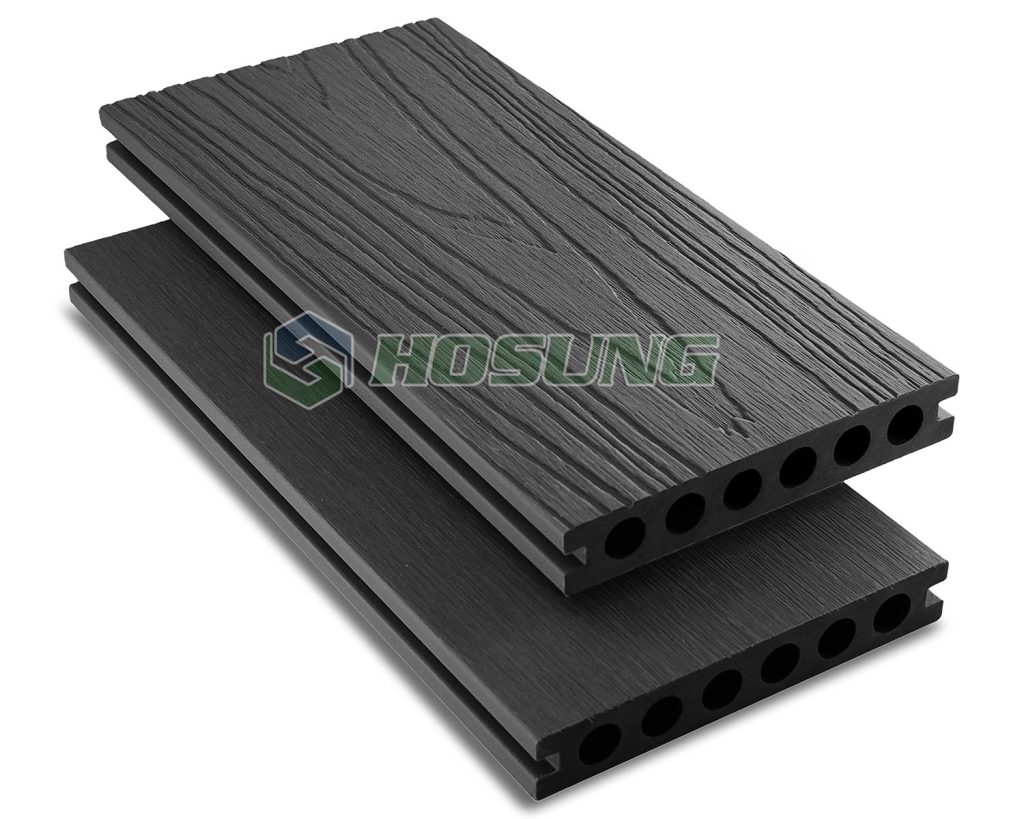
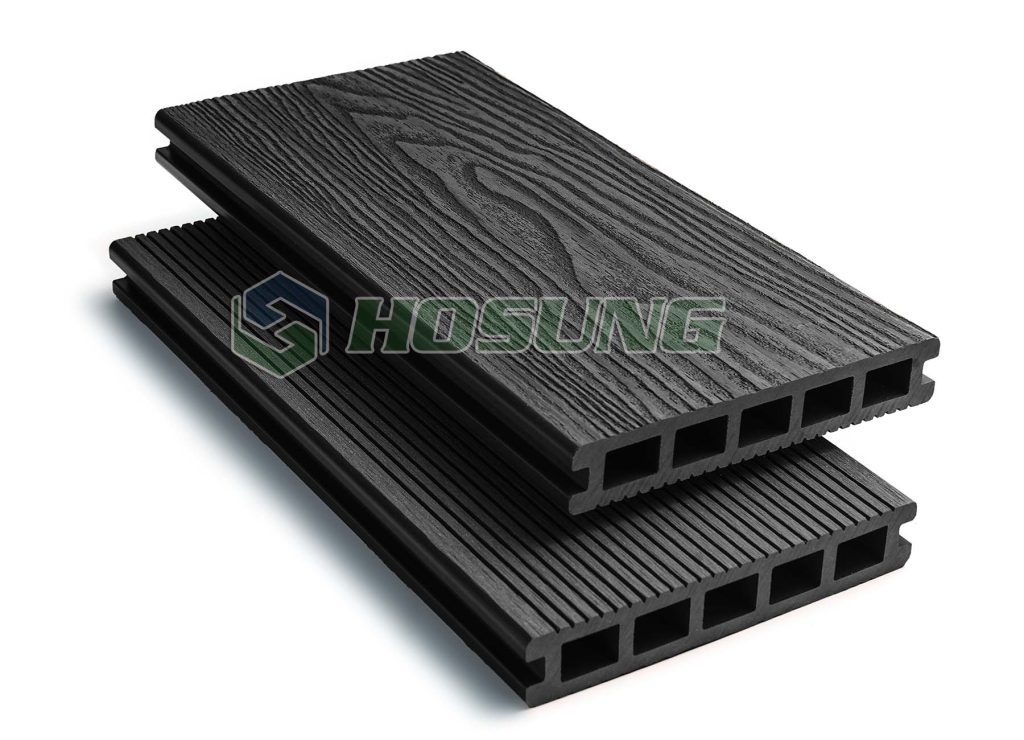
| Hollow Charcoal Composite Decking | Hollow composite decking features a hollow core, making it lighter and easier to handle during installation. It offers good performance but is not as sturdy as solid decking. | – Lightweight and easy to handle – Cost-effective option – Easier to install | – Small decks – Budget-conscious buyers – DIY installations |
| Capped Charcoal Composite Decking | Capped composite decking has a protective layer on top, which shields the core material from water, dirt, and UV rays. This cap ensures the decking stays pristine for longer. | – Excellent UV and moisture resistance – Long-lasting color and texture – Low maintenance | – Coastal areas – Areas prone to moisture or humidity – Long-term investments |
| Uncapped Charcoal Composite Decking | Uncapped composite decking is a more basic version that lacks the protective outer layer. While it performs well in most conditions, it requires more maintenance than capped options. | – More affordable – Simpler look – Can be sealed for extra protection | – Budget-friendly options – Low-maintenance environments |
Choosing the Right Type for Your Needs
The type of charcoal composite decking you choose will largely depend on your specific needs and preferences. Here are some tips for selecting the best option:
For Extreme Weather Areas: If you live in a region that experiences heavy rain, snow, or humidity, capped charcoal composite decking is the best choice. The cap provides extra protection against moisture, ensuring the decking lasts longer.
For High-Traffic Areas: Solid composite decking is more durable and resistant to wear. It’s ideal for decks that will be used frequently or that need to withstand heavy furniture, large crowds, or pets.
For Budget-Conscious Homeowners: Hollow composite decking offers great performance at a lower cost. If you’re looking for an affordable, functional decking solution, this option will provide value while still offering the aesthetics and durability of composite materials.
How to Select Charcoal Composite Decking for Your Space
Choosing the perfect charcoal composite decking for your home requires careful consideration of several factors. Here’s a guide to help you make an informed decision:
a) Climate and Weather Resistance
If you live in a coastal area, regions with high humidity, or places prone to snow, it’s crucial to pick a decking material that can withstand harsh weather conditions. Capped composite decking is an excellent option, as it provides added protection against moisture, UV rays, and temperature fluctuations.
b) Size and Layout of Your Deck
The size and layout of your deck will affect how much composite decking material you need and the type of material you should select. For large decks or areas with high traffic, solid composite decking may be more suitable for its strength and stability. On the other hand, smaller decks or areas with moderate foot traffic can benefit from the lightweight, budget-friendly hollow composite decking.
c) Aesthetic Considerations
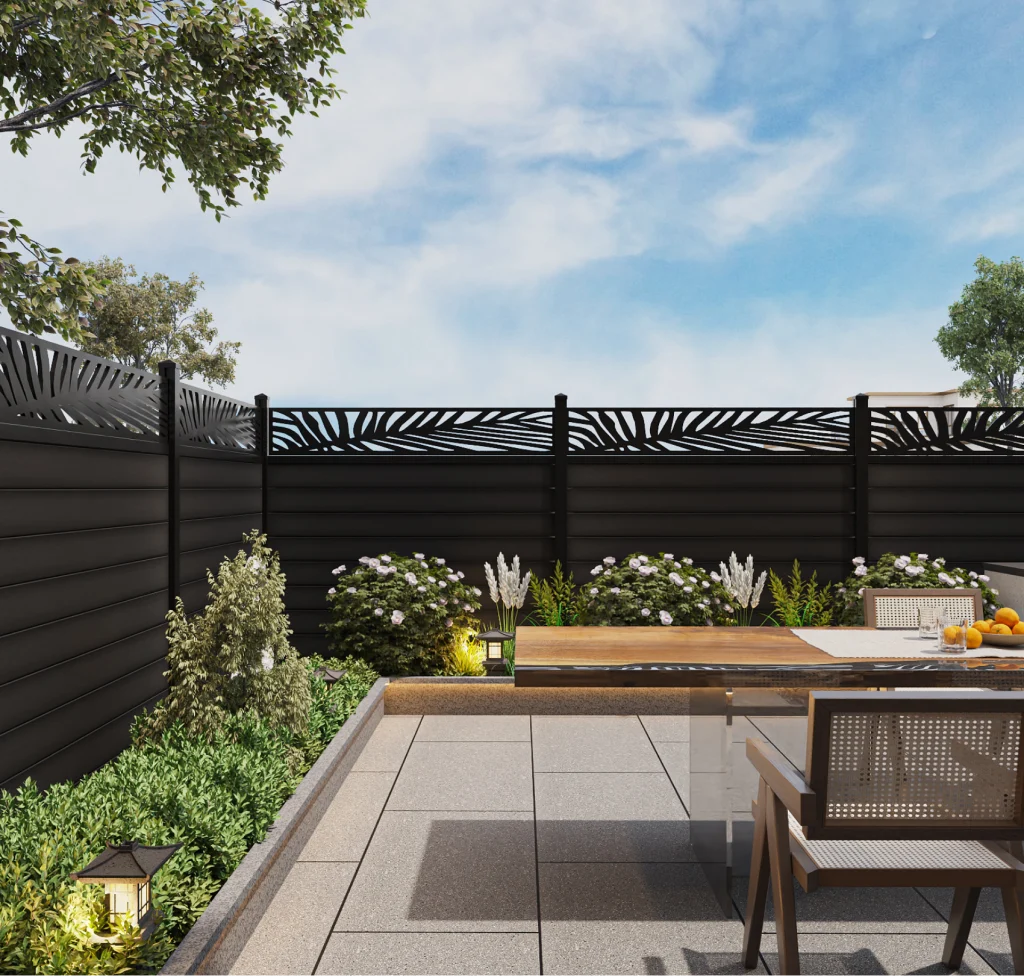
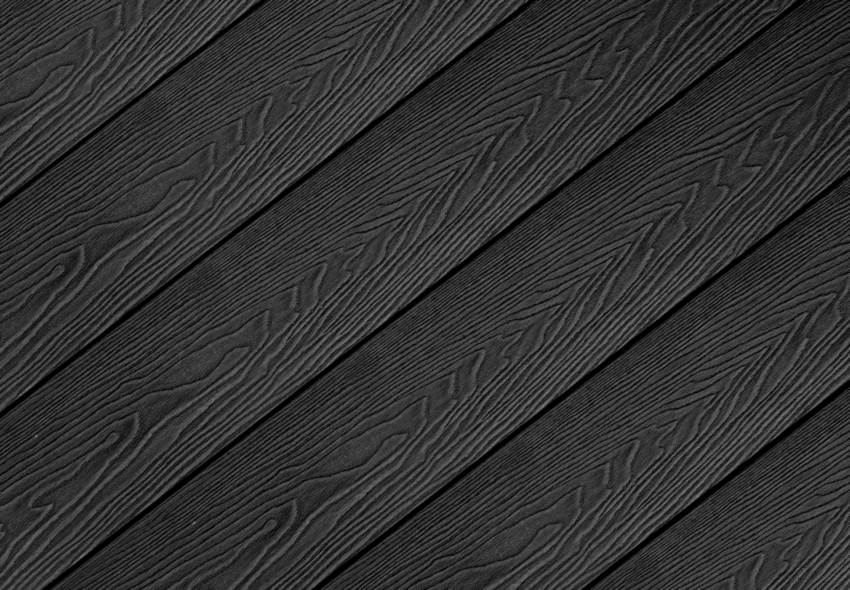
The deep charcoal tones of composite decking work well with a variety of design styles, including modern, minimalist, and industrial. If you’re looking to achieve a specific aesthetic, consider pairing charcoal composite decking with complementary materials like wood accents, stone, or metal railings.
d) Budget
Budget is always a key consideration in any home improvement project. While capped and solid composite decking are often more expensive, they offer superior durability and longevity, making them better long-term investments. Hollow decking, while more affordable, provides an excellent balance of style and performance at a lower cost.
e) Maintenance
One of the main selling points of composite decking is its low maintenance. However, some types, like capped composite decking, require even less maintenance than others. If you want to minimize upkeep, choose capped decking, which resists staining, fading, and moisture better than uncapped options.
Pairing Charcoal Composite Decking with Other Materials
To create a truly stylish and functional outdoor space, it’s important to consider how your charcoal composite decking pairs with other materials. Here are some ideas:
a) Wood Accents
Charcoal composite decking looks stunning when paired with natural wood accents such as railings, benches, or steps. The combination of the dark charcoal tones and the warm hues of wood creates a visually striking contrast. For example, use wooden railings or posts alongside your charcoal composite deck to add texture and warmth.
b) Stone or Gravel
Stone or gravel is a great addition to decks made of composite materials. The natural look of stone complements the modern appearance of charcoal composite decking. Stone can be used for pathways, garden borders, or even as a base for outdoor fire pits or seating areas.
c) Metal Accents
For a sleek, modern design, pair charcoal composite decking with metal accents. Stainless steel, wrought iron, or matte black metals work especially well with dark decking materials, giving your deck an industrial and contemporary feel. Metal railings, chairs, and tables can enhance the overall aesthetic.
d) Outdoor Furniture and Accessories
Pair your deck with stylish outdoor furniture to create a comfortable and inviting atmosphere. Wicker, metal, and contemporary designs work well with charcoal composite decking. You can also introduce cushions, throws, and decorative planters to brighten the space and make it feel more homely.
Installation Tips for Charcoal Composite Decking
Proper installation is essential to ensure that your deck performs well and lasts for many years. Here are some key installation tips:
a) Prepare the Site
Before installing your deck, ensure the ground is level and properly prepared. Poor drainage or an uneven foundation can lead to issues like sagging or moisture buildup. If needed, install a substructure using pressure-treated wood or composite materials.
b) Leave Expansion Gaps
Composite decking expands and contracts with changes in temperature. Be sure to leave expansion gaps between the boards to allow for this natural movement. Failure to do so can result in warped or buckled decking over time.
c) Use Appropriate Fasteners
Different composite decking brands may require specific fasteners to ensure proper installation. Follow the manufacturer’s recommendations for the type of screws or clips to use, as these can affect the stability and longevity of your deck.
d) Follow the Manufacturer’s Guidelines
Every composite decking product comes with detailed installation instructions. Following these guidelines is essential to ensure your warranty remains valid and the deck performs as expected.
Maintaining Charcoal Composite Decking
One of the biggest advantages of charcoal composite decking is its low maintenance. Here are some tips to help youmaintain its appearance and longevity:
a) Regular Cleaning
While composite decking is low-maintenance, regular cleaning is necessary to keep it looking its best. You should sweep or hose down your deck to remove dirt, leaves, and other debris. For deeper cleaning, use a mild soap solution or a composite decking cleaner recommended by the manufacturer. Avoid harsh chemicals like bleach, as they can damage the surface of the deck.
b) Removing Stains
Although composite decking is designed to resist stains, some substances like food or oil may leave marks. For stubborn stains, use a soft-bristle brush and a non-abrasive cleaner to scrub the affected area. You can also use a pressure washer on a low setting to clean the deck, but be careful not to damage the surface.
c) Preventing Mold and Mildew
To prevent mold and mildew growth, ensure your deck is properly ventilated and that water does not pool in any areas. If mold or mildew develops, clean it promptly with a deck cleaner that is safe for composite materials. Regular inspections are essential to detect any signs of mold, as moisture can compromise the integrity of your deck.
d) Periodic Inspections
Even though composite decking is known for its durability, it’s still important to inspect the boards for any signs of damage, especially after extreme weather events. Look for cracks, warping, or any shifting in the decking material. If you notice any issues, address them quickly to prevent further damage.
Common Mistakes to Avoid When Installing Charcoal Composite Decking
While installing charcoal composite decking is a relatively straightforward process, there are several common mistakes that can affect the performance and longevity of your deck. Avoid these errors to ensure a successful installation:
a) Skipping the Proper Ground Preparation
One of the most common mistakes is failing to prepare the ground properly. An uneven surface or poor drainage can lead to issues with the stability and appearance of your deck. Make sure the foundation is level and that there is proper drainage beneath the deck to prevent water buildup.
b) Not Leaving Enough Expansion Gaps
Composite decking expands and contracts with temperature changes. If you fail to leave sufficient gaps between the boards, they may warp or buckle over time. Make sure to follow the manufacturer’s guidelines for spacing between each board.
c) Using the Wrong Fasteners
Each type of composite decking requires specific fasteners. Using the wrong type of screw or clip can result in loose boards or a weakened structure. Always follow the installation instructions provided by the manufacturer.
d) Not Following Manufacturer’s Installation Instructions
While it might seem tempting to cut corners, it’s crucial to follow the manufacturer’s installation guidelines to ensure the decking performs as expected. This includes using the right tools, fasteners, and installation techniques. Skipping steps or taking shortcuts can lead to costly repairs down the line.
Environmental Impact and Sustainability
One of the reasons composite decking, especially charcoal composite decking, has gained popularity is because of its sustainability. Many composite decking materials are made from recycled wood fibers, plastics, and other post-consumer materials, making it a greener choice compared to traditional wood decking. Here are some key environmental benefits:
a) Use of Recycled Materials
Most composite decking materials are made from recycled plastics and wood fibers, which helps reduce waste and lowers the demand for virgin timber. By opting for charcoal composite decking, you’re helping to promote the reuse of materials and reduce landfill waste.
b) Reduced Deforestation
Because composite decking does not require cutting down trees, it helps preserve forests and the wildlife that depend on them. This contributes to the overall health of our planet’s ecosystems.
c) Longer Lifespan
Composite decking materials, like charcoal composite, last much longer than traditional wood. This longevity means fewer replacements are needed over time, reducing the environmental impact of manufacturing and disposal.
d) Low Carbon Footprint
The manufacturing process for composite decking generates fewer carbon emissions compared to the production of wood decking. Furthermore, its low-maintenance nature means that no harsh chemicals (such as sealants or stains) are required, further reducing its environmental impact.
Charcoal Composite Decking vs. Wood Decking
While charcoal composite decking has a lot of benefits, it’s essential to compare it to traditional wood decking to determine which is right for your needs.
| Feature | Charcoal Composite Decking | Wood Decking |
|---|---|---|
| Durability | Highly durable, resistant to moisture, mold, and insects | Prone to rotting, splintering, and warping without regular maintenance |
| Maintenance | Low maintenance, requires occasional cleaning | High maintenance, needs regular sealing, staining, and painting |
| Lifespan | Long-lasting, up to 25-30 years | Typically lasts 10-15 years, depending on maintenance |
| Cost | Higher upfront cost but lower long-term maintenance costs | Lower initial cost, but higher long-term costs due to maintenance |
| Environmental Impact | Made from recycled materials, sustainable | Deforestation concerns unless sustainably sourced |
| Appearance | Sleek, modern, available in various colors | Natural, traditional look but fades over time |
Conclusion
Charcoal composite decking offers a sophisticated, modern aesthetic combined with exceptional durability and low maintenance. Whether you’re building a deck for a new home or upgrading your existing outdoor space, charcoal composite decking provides the ideal solution for those looking for long-lasting beauty and performance.
By understanding the different types of composite decking available, how to pair it with other materials, and the right installation and maintenance tips, you can ensure that your outdoor living area becomes a stylish, functional space for years to come. Choose wisely, and enjoy the benefits of a beautiful, durable deck that requires minimal upkeep. Charcoal composite decking is an excellent choice for homeowners who desire a sustainable, low-maintenance, and long-lasting outdoor space. It offers a sleek aesthetic with unparalleled durability, making it an investment that pays off over time. Whether you’re designing a small balcony or a sprawling backyard deck, charcoal composite decking provides the perfect blend of style, functionality, and sustainability.