Menu Close
Close

Main Types of 2 Inch Thick Composite Decking and Benefits

When it comes to building high-performance outdoor spaces, thickness is often overlooked—but it shouldn’t be. For commercial decks, waterfront platforms, rooftop terraces, public walkways, and heavy-load residential applications, 2 inch thick composite decking stands out as a structural-grade solution that offers exceptional strength, stability, and long-term value. Compared with standard decking profiles (typically 0.8–1.2 inches thick), 2 inch thick composite decking boards are engineered to handle higher loads, wider joist spacing, and more demanding environmental conditions. This makes them increasingly popular among architects, contractors, developers, and project owners who prioritize durability and reduced lifecycle costs. In this article, we’ll take a deep dive into the main types of 2 inch thick composite decking and benefits, breaking down material structures, performance characteristics, ideal applications, and how to choose the right option for your project.
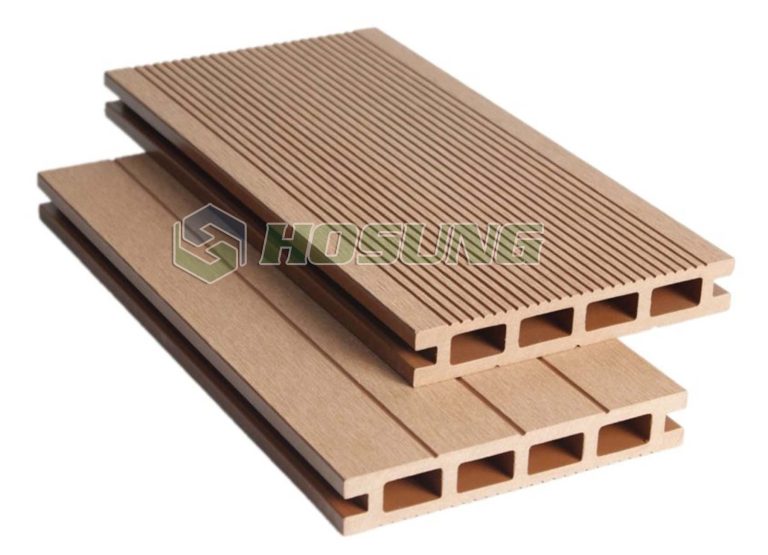
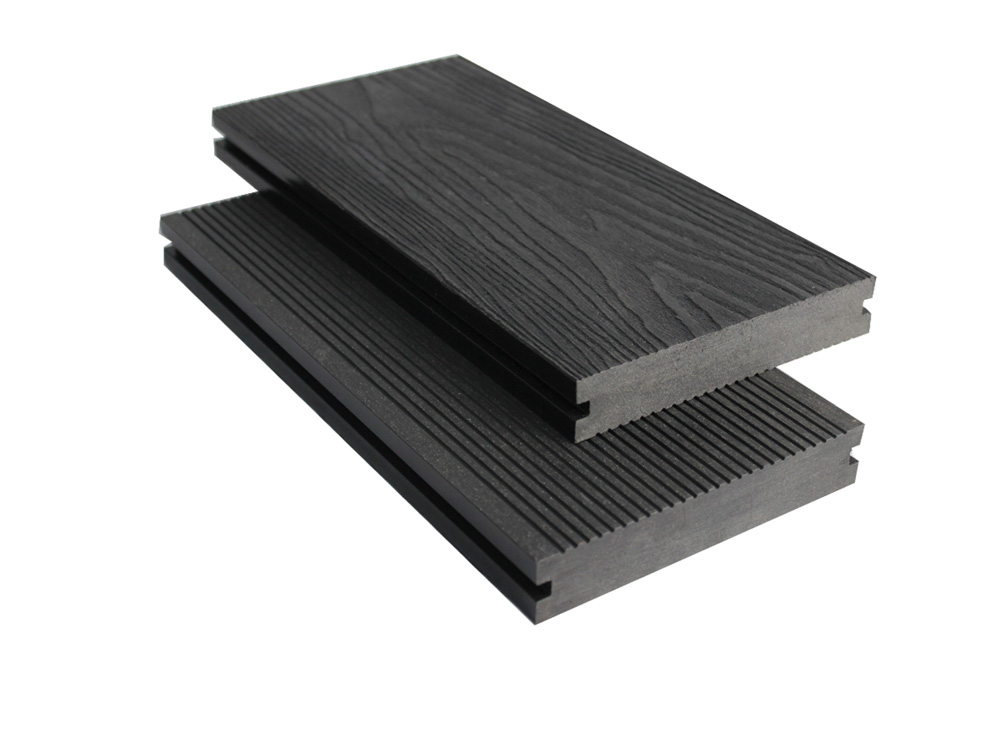
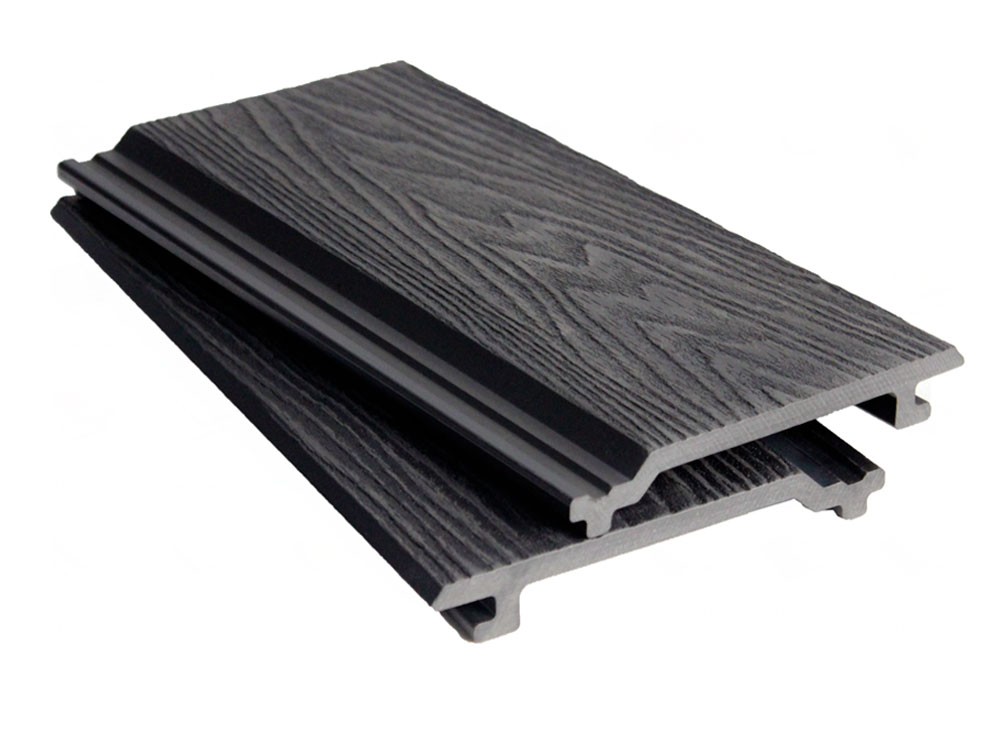
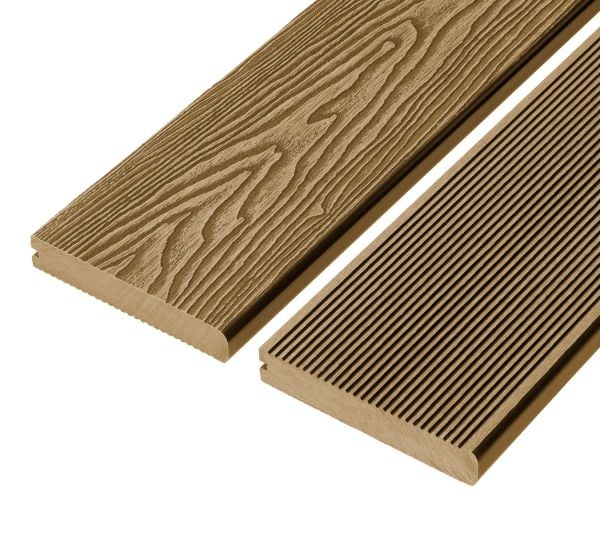
HX150K25E 2 inch thick composite decking,2 inch thick composite decking boards - HOSUNG WPC Composite

Table of Contents

Why Thickness Matters in Composite Decking Systems

Before exploring the different types, it’s important to understand why thickness plays such a critical role in decking performance.

Decking thickness directly impacts:

  • Load-bearing capacity

  • Resistance to bending and sagging

  • Span capability between joists

  • Long-term dimensional stability

  • Overall structural safety

Standard composite decking boards are suitable for residential patios and light foot traffic. However, once the project involves higher loads, frequent traffic, or longer spans, thicker boards become essential.

2 inch thick composite decking is designed to meet these more demanding requirements without compromising aesthetics or sustainability.

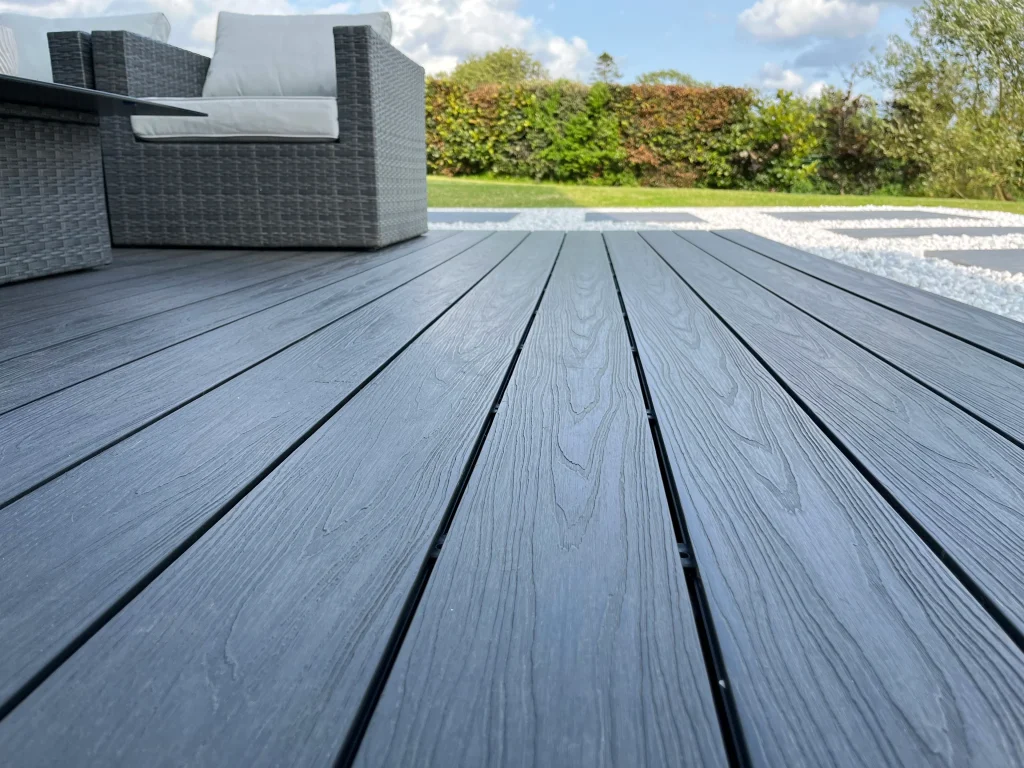
FW140S25D-Black

Overview of 2 Inch Thick Composite Decking

2 inch thick composite decking boards are typically manufactured using advanced wood-plastic composite (WPC) or mineral-filled composite formulations. The increased thickness allows for enhanced internal structure—either solid or reinforced hollow designs—resulting in superior mechanical strength.

Key characteristics include:

  • Nominal thickness of approximately 50 mm (2 inches)

  • Higher density than standard decking boards

  • Improved impact resistance

  • Reduced deflection under load

  • Longer service life in harsh environments

Now, let’s explore the main types of 2 inch thick composite decking available on the market.

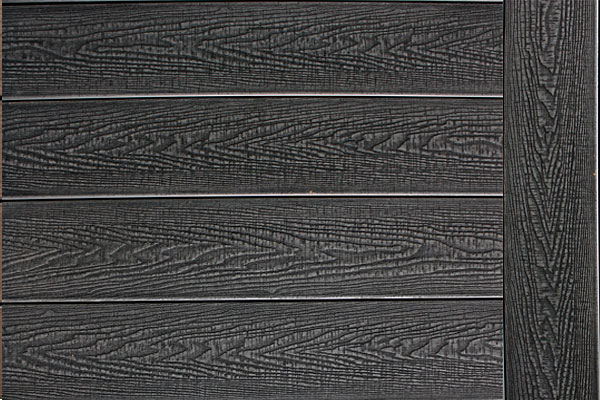
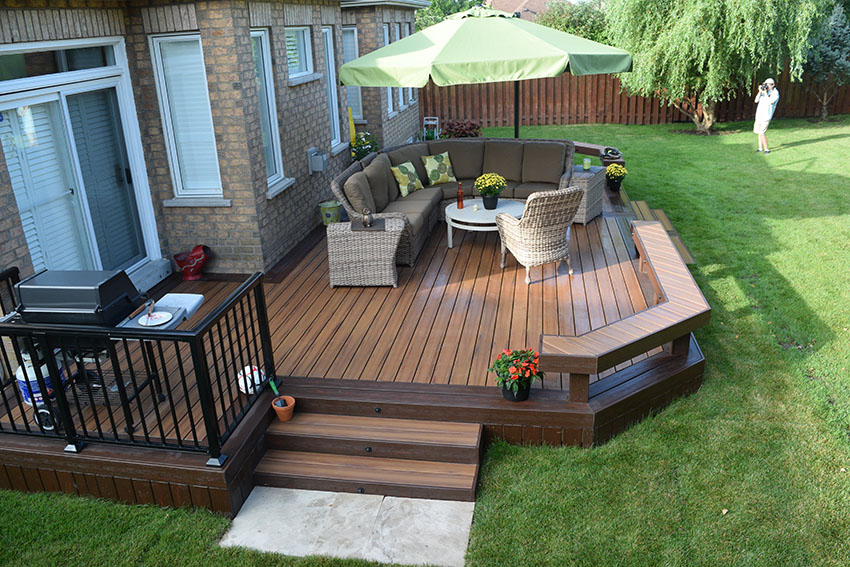
FW156W21D-Black

Solid 2 Inch Thick Composite Decking Boards

Structural Composition

Solid 2 inch thick composite decking boards are manufactured with a fully solid cross-section, meaning there are no internal cavities. The material composition typically includes:

  • High-quality recycled wood fibers

  • Premium thermoplastics (HDPE or similar)

  • UV stabilizers and anti-oxidation additives

This dense structure gives solid boards exceptional strength and rigidity.

Key Benefits of Solid Boards

Maximum Load Capacity
Solid 2 inch thick composite decking offers the highest load-bearing performance among all composite decking types. It can comfortably support heavy furniture, planters, public foot traffic, and even light service vehicles in some commercial scenarios.

Superior Impact Resistance
Because there are no hollow chambers, solid boards resist cracking, denting, and deformation under sudden impact.

Excellent Long-Term Stability
Solid boards are less prone to internal stress fatigue, making them ideal for projects that require decades of service life.

Ideal Applications

  • Commercial decks and promenades

  • Rooftop terraces

  • Outdoor stages and platforms

  • Public parks and boardwalks

  • Industrial walkways

Solid 2 inch thick composite decking boards are often selected when safety regulations or engineering specifications demand higher structural integrity.

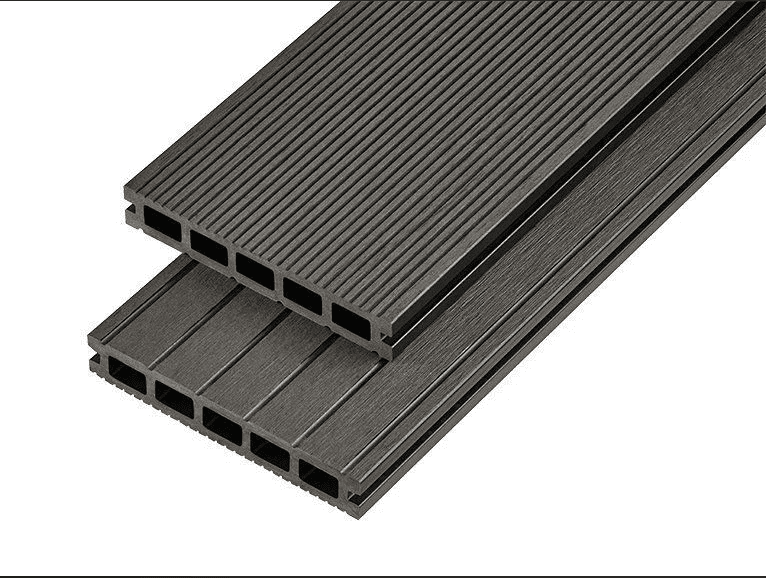
Hollow-Core 2 Inch Thick Composite Decking Boards

Structural Composition

Hollow-core boards feature internal chambers running lengthwise through the board. In 2-inch profiles, these chambers are carefully engineered to balance strength and material efficiency.

The outer walls are significantly thicker than those found in standard hollow decking, ensuring structural reliability.

Key Benefits of Hollow-Core Boards

Reduced Weight
Despite their thickness, hollow-core boards are lighter than solid boards, making transportation and installation easier.

Material Efficiency
Lower material usage helps reduce cost while still delivering enhanced performance compared to thinner decking boards.

Improved Thermal Performance
The internal air chambers can help reduce heat buildup, improving barefoot comfort in hot climates.

Ideal Applications

  • Residential decks with larger spans

  • Elevated balconies

  • Garden platforms

  • Semi-commercial outdoor spaces

Hollow-core 2 inch thick composite decking is a popular choice for projects that need extra strength without the full weight and cost of solid boards.

anthracite composite decking wide composite decking

Capped 2 Inch Thick Composite Decking

Structural Composition

Capped composite decking features a protective polymer shell (cap) that fully or partially encases the core material. In 2-inch thick boards, the cap is typically thicker and more robust.

The cap layer provides:

  • Enhanced moisture resistance

  • Improved stain resistance

  • Strong UV protection

Key Benefits of Capped Boards

Outstanding Weather Resistance
Capped 2 inch thick composite decking boards perform exceptionally well in high-humidity, coastal, or freeze-thaw environments.

Low Maintenance Requirements
The cap prevents water absorption and staining, reducing the need for frequent cleaning or surface treatments.

Color and Texture Stability
The cap protects the core from fading, ensuring long-term aesthetic consistency.

Ideal Applications

  • Coastal decks and marine environments

  • Poolside decks

  • Rooftop gardens

  • Luxury residential projects

For clients who want both strength and premium appearance, capped 2 inch thick composite decking offers an excellent balance.

hollow composite decking

Reinforced Structural Composite Decking (2 Inch Profile)

Structural Composition

Reinforced composite decking incorporates additional strengthening elements such as:

  • Fiberglass reinforcement

  • Internal ribbing structures

  • Mineral-filled composite cores

These enhancements significantly increase stiffness and load capacity.

Key Benefits of Reinforced Boards

Extended Joist Spacing
Some reinforced 2 inch thick composite decking boards allow wider joist spacing, reducing substructure costs.

Minimal Deflection
Even under heavy loads, reinforced boards maintain excellent flatness and rigidity.

Engineering-Grade Performance
These boards are often used in projects that require structural calculations and certifications.

Ideal Applications

  • Commercial bridges and walkways

  • Public infrastructure projects

  • Heavy-duty rooftop decks

  • High-rise developments

Reinforced 2 inch thick composite decking boards are often specified by engineers for mission-critical installations.

Slip-Resistant 2 Inch Thick Composite Decking

Surface Design and Texture

Slip-resistant decking features specially designed surface textures or embedded particles to improve traction. When combined with a 2-inch thickness, these boards deliver both safety and strength.

Key Benefits

Enhanced Safety
Slip-resistant surfaces reduce the risk of accidents in wet or high-traffic areas.

Durability Under Traffic
Thicker boards withstand constant foot traffic without surface wear compromising performance.

Ideal Applications

Slip-resistant 2 inch thick composite decking is often chosen where safety compliance is a priority.

wpc black composite decking board 2.9 m length

Key Benefits of 2 Inch Thick Composite Decking

Now let’s look at the broader benefits that apply across all main types.

Exceptional Load-Bearing Capacity

One of the most significant advantages of 2 inch thick composite decking boards is their ability to handle higher static and dynamic loads.

This makes them suitable for:

  • Heavy outdoor furniture

  • Crowded public spaces

  • Equipment placement

  • Commercial usage

Thicker boards distribute weight more evenly, reducing stress on both the decking and the substructure.

Longer Service Life

The increased material volume enhances resistance to:

  • Cracking

  • Warping

  • Structural fatigue

  • Long-term deformation

Many manufacturers rate 2-inch boards for longer service lives compared to standard profiles, making them a cost-effective choice over time.

Improved Structural Stability

Thicker composite decking boards exhibit less flexing and vibration underfoot, resulting in a more solid and premium feel.

This stability is especially important for:

  • Elevated decks

  • Rooftop installations

  • Long-span designs

Reduced Maintenance Costs

Because 2 inch thick composite decking is inherently more durable, it requires fewer repairs and replacements over its lifetime.

When combined with capped technology, maintenance can be limited to basic cleaning—no sanding, staining, or sealing required.

Better Performance in Extreme Climates

Thicker boards are less susceptible to temperature-related expansion and contraction.

They perform well in:

  • Hot, sunny regions

  • Cold climates with freeze-thaw cycles

  • High-humidity coastal areas

This makes them suitable for global projects with varying environmental conditions.

Design Flexibility for Large-Scale Projects

Architects and designers often prefer 2 inch thick composite decking boards because they allow:

  • Wider joist spacing

  • Cleaner structural layouts

  • Fewer support points

This opens up more creative freedom in deck design.

Sustainability Advantages

Most composite decking products—including 2-inch thick profiles—are made using recycled materials.

Benefits include:

  • Reduced deforestation

  • Reuse of plastic waste

  • Long lifecycle reduces replacement frequency

From a sustainability perspective, thicker boards often result in a lower environmental impact over time.

deckorators composite decking

Comparing 2 Inch Thick Composite Decking to Standard Thickness Boards

FeatureStandard Composite Decking2 Inch Thick Composite Decking
Thickness0.8–1.2 inches~2 inches
Load CapacityModerateHigh
Joist SpacingShorterWider
Deflection ResistanceLimitedExcellent
Service LifeGoodExtended
Commercial SuitabilityLimitedExcellent

How to Choose the Right 2 Inch Thick Composite Decking

When selecting the best option, consider the following factors:

  • Load requirements (residential vs commercial)

  • Environmental exposure (moisture, UV, salt air)

  • Aesthetic preferences (wood grain, color, finish)

  • Budget constraints

  • Installation method and substructure design

For heavy-duty applications, solid or reinforced boards are usually the best choice. For premium residential or coastal projects, capped hollow-core boards may offer the best balance.

composite decking planks for sale

Installation Considerations for 2 Inch Thick Composite Decking Boards

Because of their thickness and weight, proper installation is critical.

Key considerations include:

  • Strong, level substructure

  • Manufacturer-recommended joist spacing

  • Proper ventilation beneath the deck

  • Expansion gap allowances

  • Correct fastening systems

Professional installation is strongly recommended for large-scale or commercial projects.

Final Thoughts: Is 2 Inch Thick Composite Decking Worth It?

If your project demands strength, durability, and long-term performance, the answer is yes.

While the initial investment may be higher than standard decking, 2 inch thick composite decking delivers superior structural performance, reduced maintenance, and extended service life—often resulting in lower total ownership costs.

Whether you’re designing a public boardwalk, a rooftop terrace, or a high-end residential deck, 2 inch thick composite decking boards from Hosung WPC offer a reliable, future-proof solution that meets modern construction standards.

Scroll to Top