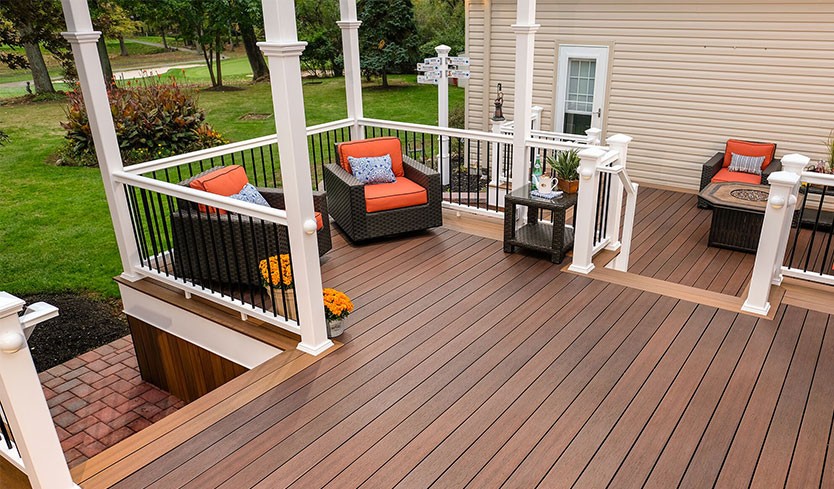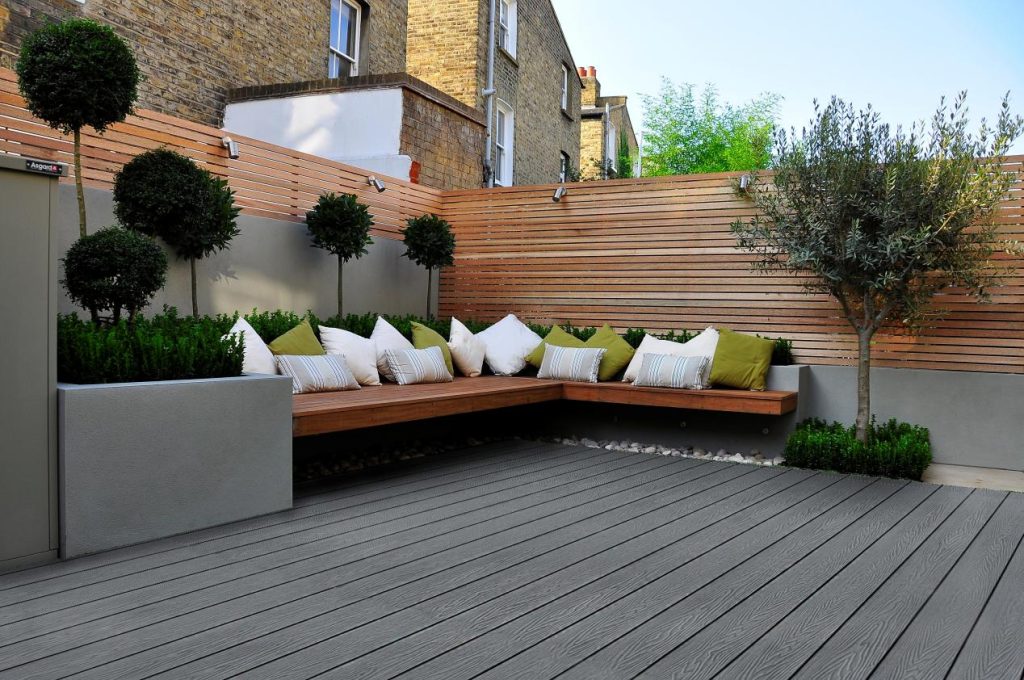
When it comes to enhancing your outdoor living space, few materials offer the combination of beauty, durability, and low maintenance like composite decking. Over the past few decades, composite decking has gained immense popularity as a superior alternative to traditional wood. Whether you’re looking to build a brand-new deck or replace an existing one, choosing the best composite decking can significantly affect the look, feel, and longevity of your outdoor space. In this comprehensive guide, we’ll explore the different types of composite decking, what makes composite materials stand out, and how to choose the best composite decking for your needs. At the end of this article, we’ll provide a brief introduction to Hosung WPC, a leading manufacturer of composite decking solutions in China.
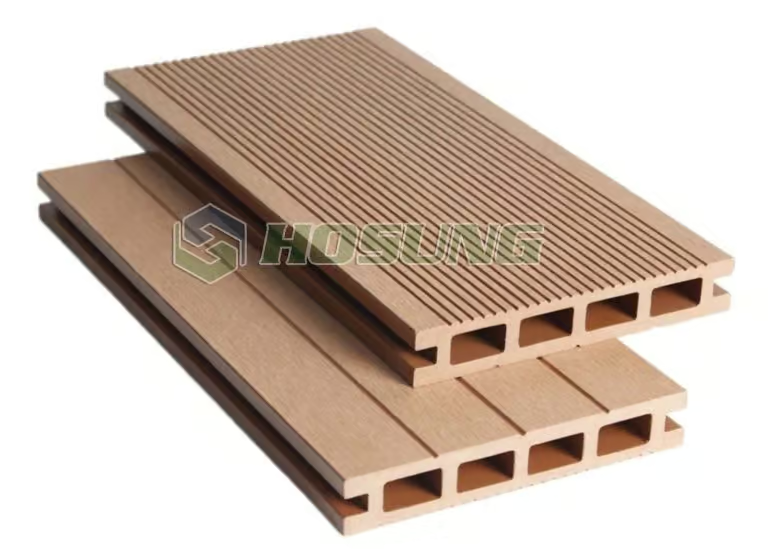
Table of Contents
What is Composite Decking?
Before diving into the best types of composite decking, it’s important to understand what composite decking is. In simple terms, composite decking is made from a mixture of wood fibers and plastic, combined to create a durable and low-maintenance alternative to traditional wood decking. The wood fibers typically come from recycled wood or sawdust, while the plastic components are usually made from recycled plastic bottles, bags, and other materials.
The benefits of composite decking are numerous. Not only is it more durable than wood, but it also resists fading, staining, scratching, and mold growth. Additionally, composite decking is generally more eco-friendly than traditional wood, as it makes use of recycled materials and requires less maintenance over time.
Types of Composite Decking
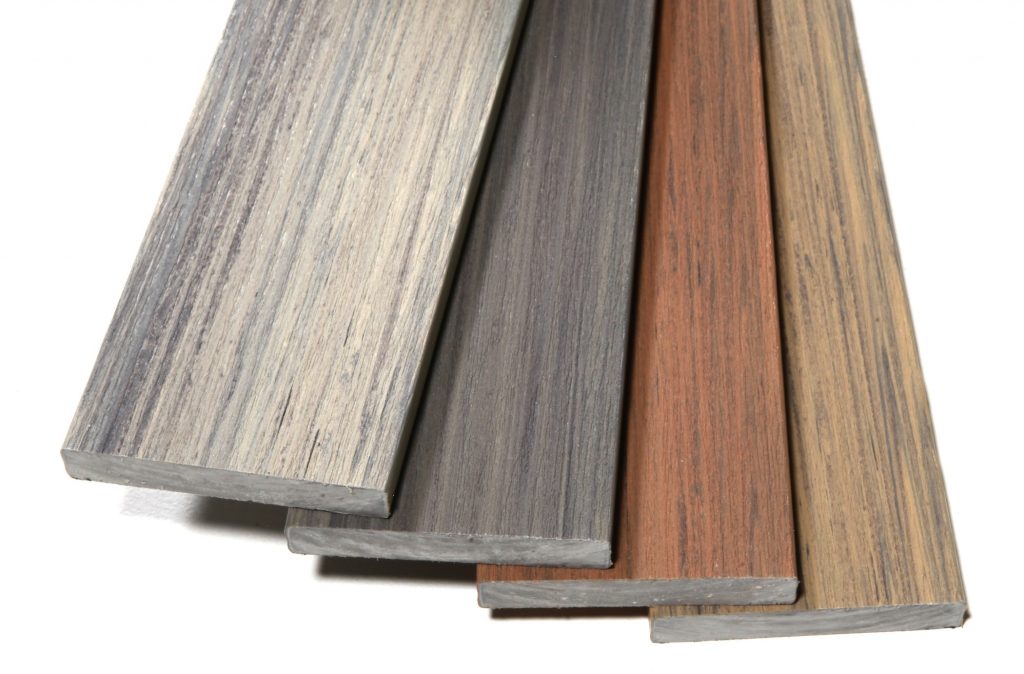
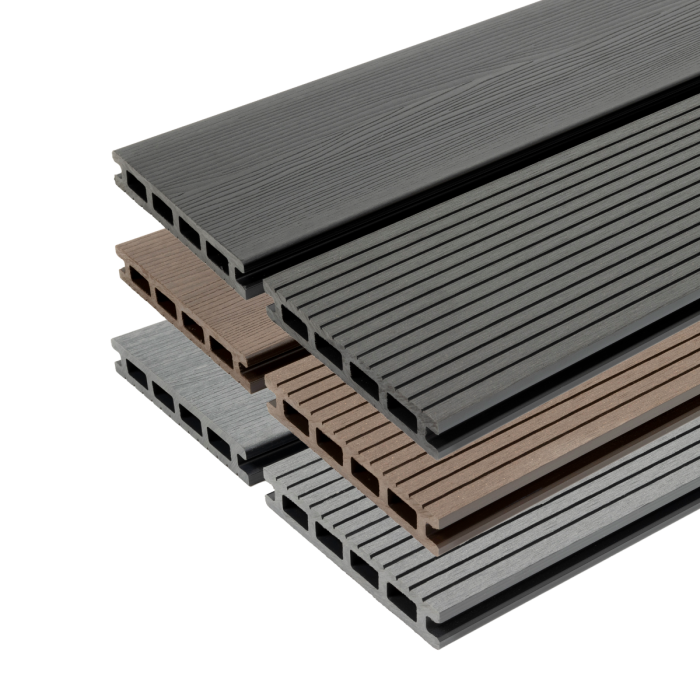
When choosing composite decking, it’s essential to understand the different types available. Each type of composite decking has its own set of features and benefits. Broadly, composite decking can be classified into three main categories:
1. Solid Composite Decking
Solid composite decking, as the name suggests, is made from solid, dense composite material that provides a sturdy and robust feel underfoot. These boards are typically thicker and heavier than hollow decking, providing superior strength and durability.
Advantages of Solid Composite Decking:
- Long-lasting and sturdy: Solid boards can withstand heavy foot traffic and harsh weather conditions.
- Resistant to warping: Solid composite decking is less prone to warping, cupping, or bending over time compared to other materials.
- Easier to clean and maintain: The absence of gaps between the boards makes cleaning easier and reduces the potential for mold or mildew growth.
- Natural look and feel: Solid composite decking is often designed to closely mimic the appearance of natural wood, offering a beautiful finish.
Drawbacks of Solid Composite Decking:
- Heavier: Solid composite boards are generally heavier, which can make installation more challenging.
- More expensive: Due to their dense construction, solid composite decking tends to cost more than hollow alternatives.
2. Hollow Composite Decking
Hollow composite decking is made by extruding a composite material into a hollow-core design, which helps reduce the overall weight of the decking boards without compromising structural integrity.
Advantages of Hollow Composite Decking:
- Lightweight: Hollow decking is easier to handle and install due to its lighter weight.
- Cost-effective: Hollow composite decking is usually less expensive than solid boards, making it a popular choice for budget-conscious homeowners.
- Good durability: Hollow composite decking still offers excellent resistance to moisture, fading, and pests.
Drawbacks of Hollow Composite Decking:
- Less sturdy: The hollow design can make the boards more prone to bending or warping under heavy weight.
- More maintenance required: Hollow boards may have more crevices where dirt, moisture, and mold can accumulate, which could increase the need for maintenance over time.
3. Capped Composite Decking
Capped composite decking is a popular choice for homeowners seeking a high-quality, low-maintenance option. The boards are made of a core of composite material, but they are coated with a layer (or “cap”) of protective plastic that shields the decking from the elements.
Advantages of Capped Composite Decking:
- Superior protection: The protective cap helps prevent the decking from absorbing moisture, reducing the risk of swelling, mold, and mildew.
- Enhanced durability: Capped composite decking offers a highly resistant surface that resists stains, scratches, and fading.
- Stylish appearance: Capped decking often features a more realistic wood-like finish, giving it a natural and high-end appearance.
Drawbacks of Capped Composite Decking:
- Price: Capped composite decking tends to be on the higher end of the pricing spectrum due to the additional layer of protection.
- Potential for scratching: While capped composite decking is highly resistant to scratches, it is not entirely impervious to damage, particularly under heavy impact.
4. Wood-Plastic Composite (WPC) Decking
Wood-plastic composite decking, or WPC decking, is one of the most common forms of composite decking. It is made by combining wood fibers with plastic materials to create a product that is both durable and versatile. WPC decking is available in a variety of colors, finishes, and textures, making it suitable for different architectural styles.
Advantages of WPC Decking:
- Eco-friendly: WPC decking uses a high percentage of recycled materials, including wood fibers and plastic, making it an environmentally friendly option.
- Water-resistant: WPC decking is highly resistant to moisture and will not rot, unlike traditional wood decking.
- Versatile designs: The material can be molded into different shapes and sizes, offering a wide range of aesthetic possibilities.
Drawbacks of WPC Decking:
- Not entirely scratch-proof: While WPC decking is generally resistant to wear and tear, it may still be susceptible to scratches and dents, particularly in high-traffic areas.
- Requires periodic cleaning: WPC decks require occasional cleaning to prevent the accumulation of dirt and debris.
5. PVC Decking
Although technically not a composite, PVC decking deserves mention due to its similarity to composite decking. PVC decking is made entirely from plastic, which makes it extremely durable and virtually maintenance-free. The material is resistant to moisture, insects, and UV rays, making it an excellent choice for outdoor environments.
Advantages of PVC Decking:
- No wood content: Since PVC decking is made from 100% plastic, it does not contain any organic material that could rot or degrade over time.
- Extremely low maintenance: PVC decking requires very little upkeep, as it is not susceptible to mold, mildew, or moisture damage.
- Variety of colors and finishes: PVC decking comes in various colors, and its smooth surface makes it easy to clean and maintain.
Drawbacks of PVC Decking:
- Heat retention: PVC can become quite hot to the touch when exposed to direct sunlight, which could be uncomfortable for barefoot use.
- Can look artificial: While some modern PVC decking options mimic the look of wood, others can appear too synthetic for those looking for a more natural appearance.
How to Choose the Best Composite Decking
Choosing the best composite decking for your project depends on a variety of factors, including your budget, aesthetic preferences, and desired level of maintenance. Here are some important considerations when selecting composite decking:
1. Climate and Weather Resistance
If you live in an area with extreme temperatures or high humidity, you’ll want to choose composite decking that can withstand these conditions without warping, cracking, or fading. Capped composite decking or PVC decking is an excellent choice for areas with harsh weather, as they provide added protection against moisture and UV rays.
2. Durability and Maintenance
Some types of composite decking require more maintenance than others. Solid composite decking tends to be more durable and easier to clean, but it may come at a higher cost. Hollow composite decking, on the other hand, is lightweight and cost-effective but may require more frequent maintenance to keep it looking its best.
3. Aesthetic Appeal
The look and feel of your deck can significantly impact the overall ambiance of your outdoor space. Choose a composite decking material that complements your home’s style and color scheme. Many composite decking options are designed to mimic the appearance of natural wood, offering a realistic finish that is both beautiful and durable.
4. Environmental Impact
If sustainability is important to you, consider choosing composite decking made from recycled materials. Many composite decking products are made from a combination of recycled wood fibers and plastic, reducing the environmental impact of your project.
5. Budget
Composite decking is an investment, so it’s essential to find an option that fits within your budget. While higher-end options like capped composite or PVC decking offer superior durability and low maintenance, they can come at a higher price. Be sure to balance cost with your long-term needs.
Hosung WPC: A Leading Manufacturer of Composite Decking in China
Hosung WPC is a trusted name in the composite decking industry, providing high-quality wood-plastic composite products for customers around the world. As a leading manufacturer in China, we specialize in creating durable, eco-friendly composite decking that is perfect for a wide range of outdoor applications.
Our composite decking options are designed to resist moisture, fading, and wear, ensuring that your deck remains beautiful for years to come. With a wide selection of colors, textures, and finishes, Hosung WPC provides the ideal solution for anyone looking to create a stylish, low-maintenance outdoor space.
If you’re interested in learning more about Hosung WPC’s composite decking products or want to request a quote, feel free to contact us directly. We look forward to helping you bring your outdoor vision to life!
Conclusion
Composite decking is an excellent choice for anyone looking to create a beautiful, durable, and low-maintenance outdoor living space. Whether you choose solid, hollow, capped, WPC, or PVC decking, there is a composite material that meets your specific needs and budget.
By understanding the different types of composite decking and considering factors like climate, maintenance, and aesthetic preferences, you can make an informed decision and enjoy a stunning deck that lasts for years to come.