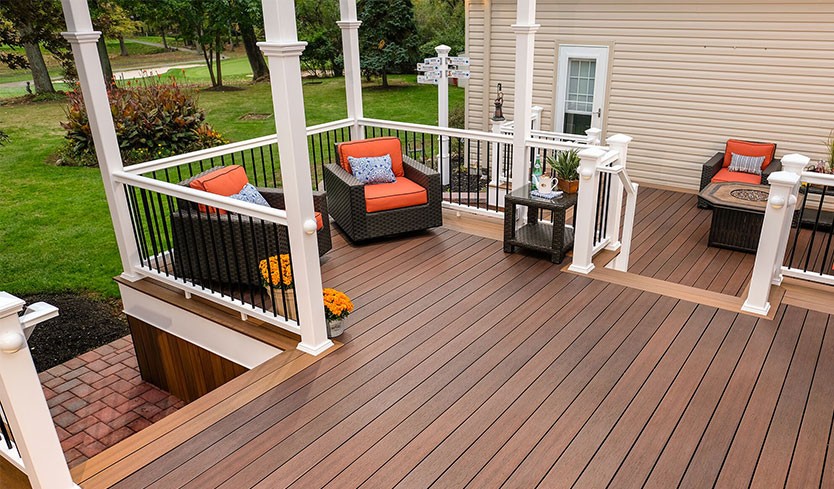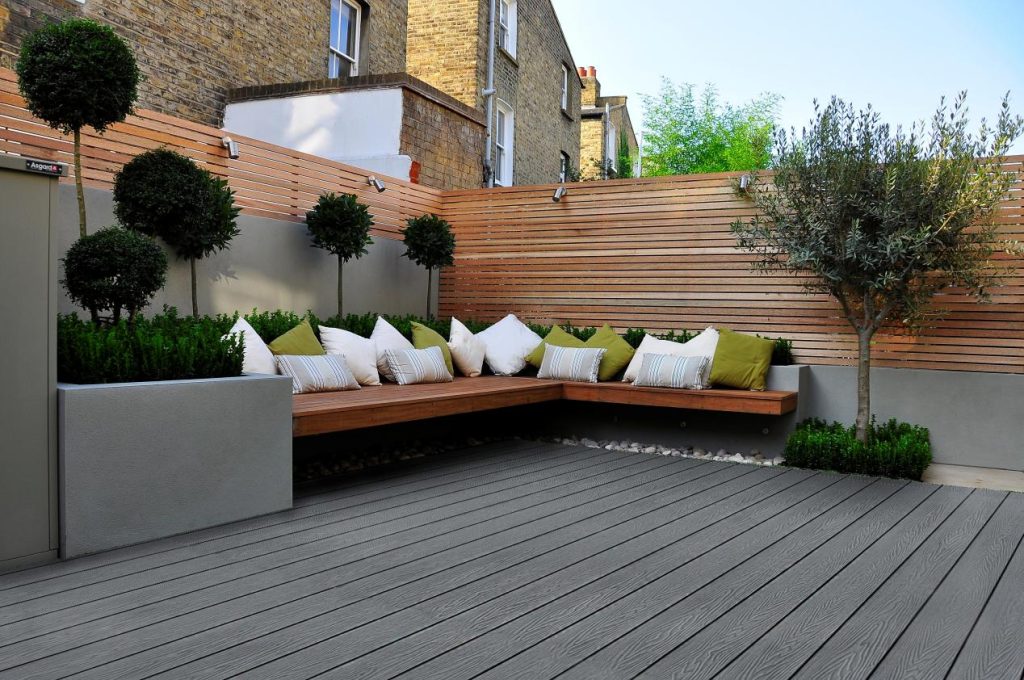
When you want to building outdoor stairs, homeowners are increasingly turning to composite decking as an alternative to traditional materials like wood. Composite decking, made from a blend of wood fibers and plastic, has long been celebrated for its durability, low-maintenance qualities, and aesthetic appeal. But can composite decking be used for stairs, and is it a good choice? In this article, we will explore the benefits and drawbacks of using composite decking for stairs, how it compares to other materials, and the installation considerations you need to know.
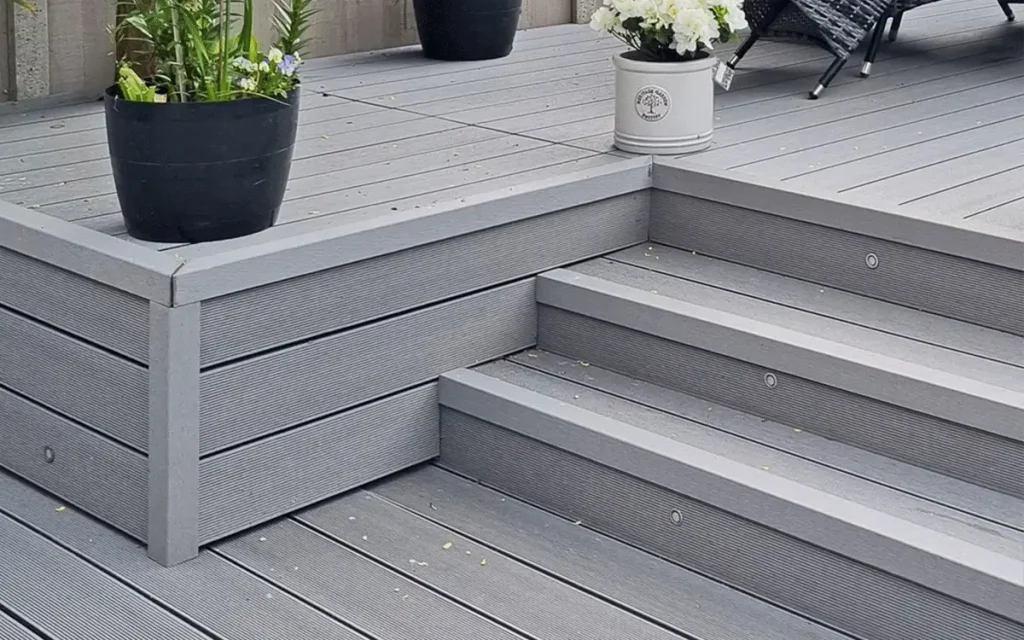
Table of Contents
What is Composite Decking?
Composite decking is a man-made material composed primarily of recycled wood fibers and plastic. The result is a product that combines the natural beauty of wood with the durability and low-maintenance characteristics of plastic. Composite decking has become increasingly popular because it resists rot, fading, and splintering, making it an excellent choice for areas exposed to the elements.
Some key benefits of composite decking include:
- Durability: It doesn’t warp or crack like wood, and it’s resistant to termites and other pests.
- Low Maintenance: Unlike wood, it doesn’t require regular sanding, staining, or sealing.
- Eco-Friendly: Most composite decking is made from recycled materials, making it a more sustainable option.
- Variety of Styles: Composite decking comes in a variety of colors, textures, and finishes, allowing homeowners to match their outdoor spaces to their aesthetic preferences.
Given these qualities, it’s natural to wonder whether composite decking can be used for stairs, which experience high foot traffic and are subjected to frequent exposure to outdoor elements.
Benefits of Using Composite Decking for Stairs
1. Durability and Weather Resistance
One of the most significant benefits of composite decking for stairs is its durability. Traditional wooden stairs are susceptible to the elements: they can rot, splinter, or warp over time, especially if not properly maintained. Composite decking is resistant to moisture, UV rays, and temperature fluctuations. These factors make it an excellent choice for outdoor staircases that need to stand up to rain, snow, heat, and humidity.
Moreover, composite decking doesn’t splinter like wood, so it provides a safer surface, especially for families with children or pets.
2. Low Maintenance
Another compelling reason to use composite decking for stairs is the low maintenance required. While wooden stairs need to be sanded, stained, or painted regularly to maintain their appearance and longevity, composite decking only requires periodic cleaning with soap and water. This makes it a hassle-free choice for homeowners who want to enjoy their stairs without the constant upkeep that wood demands.
3. Aesthetic Appeal
Composite decking offers a wide range of colors, textures, and finishes. Whether you’re building a modern or traditional outdoor space, you can find a composite decking style that complements your design. The variety of colors allows you to match the look of your stairs to your deck or overall outdoor theme, creating a seamless aesthetic.
In addition, composite decking has a more uniform appearance than natural wood, which can have inconsistencies in grain patterns and color variations. If you’re aiming for a more cohesive and polished look, composite decking can provide that.
4. Slip Resistance
Many composite decking options are designed with a textured surface that provides better grip and slip resistance than wood or concrete, especially when wet. This is particularly important for stairs, where slip hazards are a concern. Composite decking’s textured surface offers enhanced traction, making your stairs safer for everyone who uses them.
Potential Drawbacks of Using Composite Decking for Stairs
1. Weight and Handling
Composite decking is heavier than traditional wood, which can make handling and installation more challenging. Stairs require precise cuts and measurements, and the added weight of composite boards can make it a bit more cumbersome to work with. It’s essential to have the right tools and potentially extra help during the installation process to ensure the job goes smoothly.
2. Cost
Although the long-term savings in maintenance may offset the initial investment, composite decking can be more expensive than traditional wood. This is especially true for high-quality composite boards that offer superior durability and aesthetic appeal. For those on a tight budget, the upfront cost of composite decking might be a deterrent.
However, considering the durability and low maintenance costs, many homeowners find that composite decking is a more cost-effective choice in the long run.
3. Heat Retention
Composite decking tends to absorb heat more than wood, meaning that on very hot days, the surface of the decking can get uncomfortably hot. If your stairs are exposed to full sun for extended periods, you may need to consider this factor, particularly in areas where temperatures can climb significantly in the summer. Some composite decking options have heat-resistant coatings to mitigate this issue, so it’s essential to choose a product designed for high-temperature environments.
4. Expansion and Contraction
Like other plastic-based materials, composite decking expands and contracts with temperature changes. While this is a natural characteristic of the material, it’s essential to account for this when installing composite decking on stairs. Proper installation, including leaving the recommended gap between boards, is crucial to avoid warping or buckling over time.
Installation Considerations for Composite Decking on Stairs
1. Proper Framing
When building stairs with composite decking, the framing is just as important as the decking itself. You’ll need to ensure that your stair framing is strong enough to support the weight of the composite boards. Since composite decking is heavier than wood, the framing should be spaced more closely together to provide sufficient support. Typically, 12-inch spacing is recommended for composite decking on stairs.
2. Stair Treads and Risers
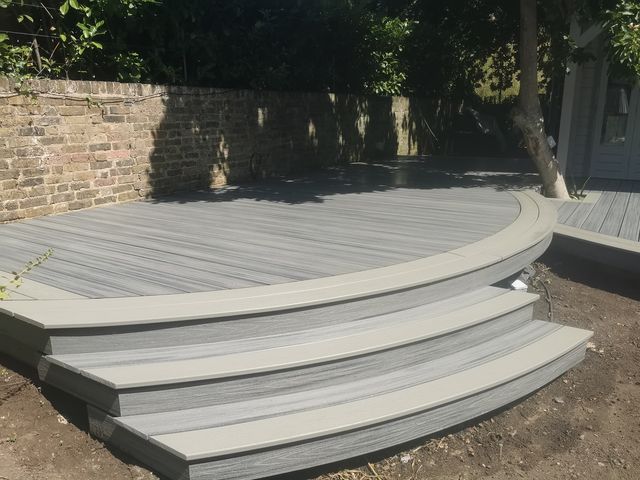
The tread is the part of the stair that you step on, while the riser is the vertical part that connects each tread. Composite decking can be used for both treads and risers, but the installation may require additional planning. For example, you’ll need to ensure that the composite boards are cut precisely to fit the dimensions of each stair tread.
Many manufacturers offer stair tread options specifically designed for use with composite decking. These pre-cut stair treads can make the installation process faster and more straightforward, ensuring that each step fits perfectly.
3. Dealing with Expansion and Contraction
As mentioned earlier, composite decking expands and contracts with temperature changes. To prevent issues such as buckling or gapping, it’s essential to leave a small gap (usually 1/8 to 1/4 inch) between the boards when installing composite decking on stairs. Additionally, leave some space around the perimeter to allow the material to expand and contract naturally without causing problems.
4. Cutting and Fastening
Composite decking requires precise cuts to ensure a clean and professional-looking staircase. If you don’t have the proper tools, such as a fine-toothed saw or a circular saw with a high-quality blade, you may end up with rough edges. Make sure to use the right equipment and techniques when cutting composite boards for stairs.
Fastening composite decking is also different from wood. Many composite decking products come with hidden fasteners that give your stairs a sleek, clean appearance. These fasteners are designed to secure the boards without visible screws, reducing the risk of tripping hazards.
5. Adding Trim and Railings
To give your stairs a finished look, you can add trim around the edges and install railings for safety. Composite decking materials are available in matching trims and railings, allowing you to maintain a consistent look throughout your outdoor space.
Comparing Composite Decking to Other Materials for Stairs
Wood Stairs vs. Composite Decking
Wooden stairs are the traditional choice, but they require much more maintenance than composite decking. Wood stairs need regular sanding, sealing, and painting to prevent rot and deterioration. Over time, wood can splinter and warp, creating safety hazards. While composite decking is initially more expensive, it offers long-term durability with far less maintenance.
Concrete Stairs vs. Composite Decking
Concrete stairs are highly durable and require minimal maintenance, but they lack the aesthetic appeal of wood or composite decking. Concrete can be cold and slippery, especially when wet, which can be a safety concern. Additionally, concrete stairs can be difficult to modify or update. Composite decking offers a more flexible, customizable option for homeowners looking for both style and function.
Metal Stairs vs. Composite Decking
Metal stairs, often made from aluminum or steel, are highly durable and resistant to weather conditions. However, they can get very hot in the sun and can be slippery. Composite decking provides a warmer, more slip-resistant option compared to metal stairs.
Conclusion
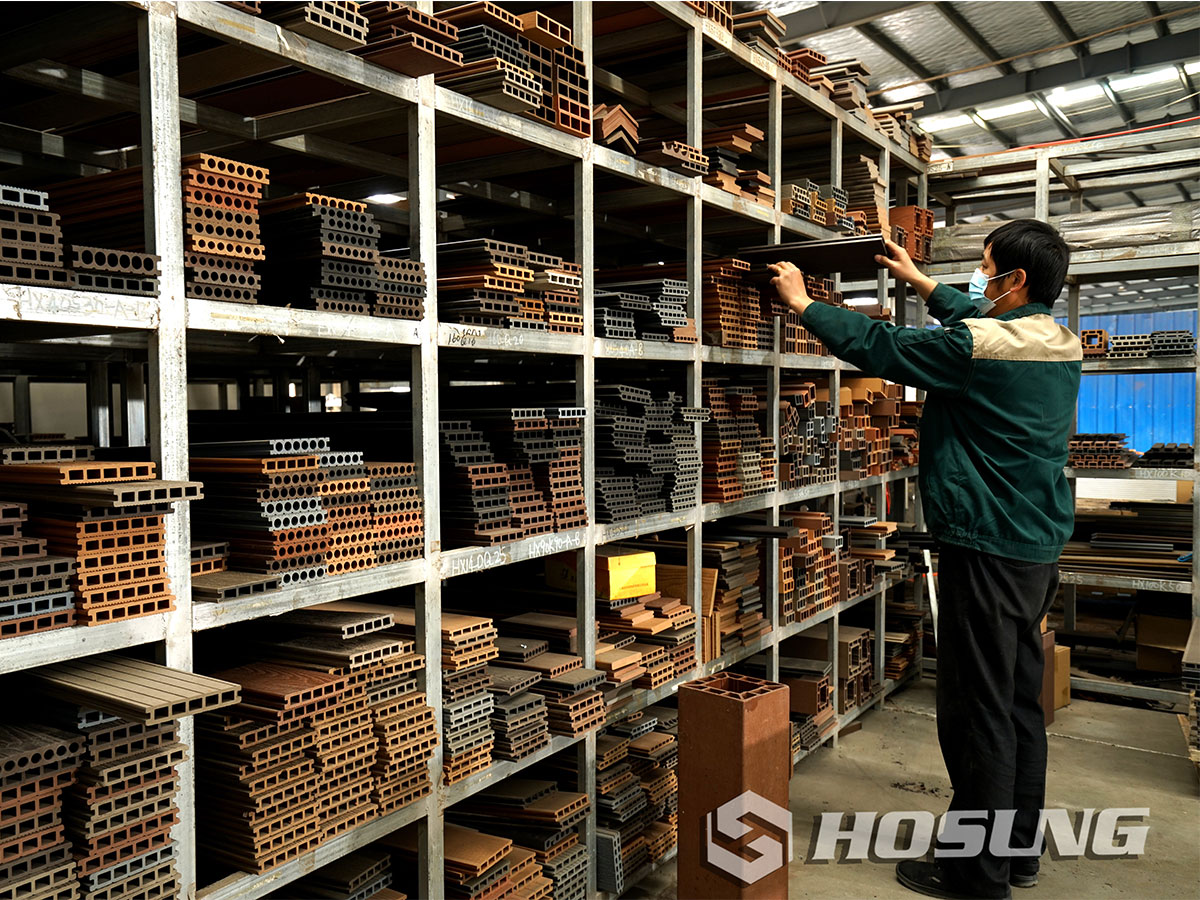
In summary, composite decking from Hosung Company can absolutely be used for stairs, offering numerous benefits such as durability, low maintenance, aesthetic appeal, and enhanced safety. While it may be more expensive than traditional wood and requires careful installation, composite decking is a long-lasting solution for outdoor stairs that withstands the elements. If you’re looking for an easy-to-maintain, visually appealing, and durable material for your stairs, composite decking is a fantastic choice.
When choosing composite decking for stairs, always consider factors such as weight, cost, heat retention, and expansion. Be sure to follow proper installation guidelines to ensure your stairs perform optimally and maintain their appearance for years to come.