When building or renovating a dock, one of the most crucial decisions you’ll make is selecting the best composite decking material. A dock is constantly exposed to water, sun, and the elements, so choosing decking that can withstand these challenges is vital. Traditional wood decking, while attractive, often succumbs to rot, warping, and other issues that compromise both its appearance and performance. Composite decking, on the other hand, offers a more durable, low-maintenance solution. In this article, we’ll explore why composite decking is ideal for docks and highlight some of the best options available for your waterfront project.
Table of Contents
Why Composite Decking for Docks?
Composite decking has gained immense popularity over the years due to its superior durability, ease of maintenance, and aesthetic appeal. Unlike traditional wood, composite decking is made from a blend of wood fibers and plastic, making it resistant to moisture, insects, and decay. This is particularly beneficial for docks, which are often submerged in water or exposed to high humidity.
Water exposure can cause wood decking to swell, rot, or splinter over time. Composite decking eliminates these concerns, offering a material that can handle the fluctuations in temperature and moisture levels. Furthermore, composite decking comes in a wide range of colors and textures, so you can choose a look that complements the natural beauty of your waterfront setting.
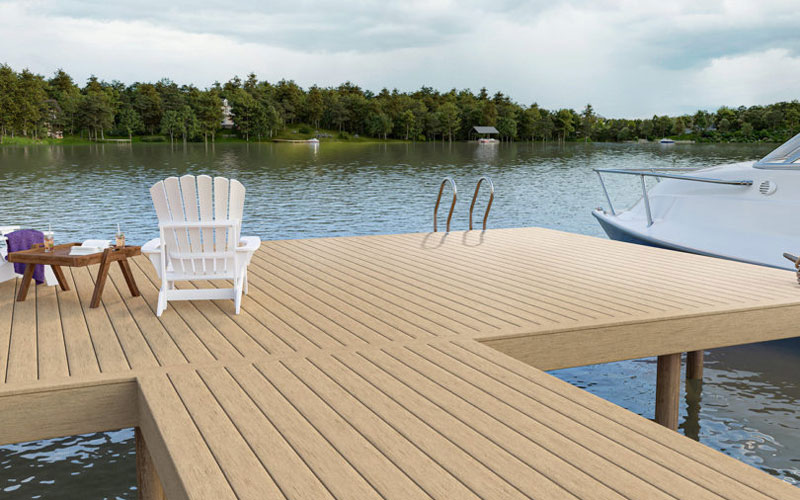
Features to Look for in the Best Composite Decking for Docks
When selecting the best composite decking for docks, there are several factors to consider. These include water resistance, slip resistance, UV stability, and overall durability. Here’s a breakdown of key features to look for:
1. Water Resistance
The primary advantage of composite decking for docks is its ability to withstand exposure to water without degrading. Choose decking with enhanced water resistance, especially for areas that are frequently submerged or exposed to high tides. Some composite decking options have a capped surface that offers additional protection against moisture penetration, preventing swelling, mold, and mildew growth.
2. Slip Resistance
Since docks are often wet due to the proximity to water, slip resistance is crucial for safety. Look for composite decking products that have a textured surface or a slip-resistant coating. Some composite decking manufacturers offer specialized grooves or patterns designed to provide traction, even when wet. This is particularly important if you plan to walk barefoot or use your dock in wet conditions.
3. UV Resistance
Sun exposure can cause decking materials to fade, discolor, or become brittle over time. The best composite decking for docks should be UV-resistant, maintaining its color and structural integrity despite prolonged sun exposure. Look for products that feature a protective cap or coating designed to block UV rays, ensuring that your dock remains attractive and functional for years.
4. Durability
Dock decking must endure a lot of wear and tear, from boat traffic to the harsh effects of weather. High-quality composite decking for docks is engineered to resist impacts, scratches, and stains. Look for options that are backed by long-term warranties, ensuring that your decking will last for many years with minimal upkeep.
5. Low Maintenance
One of the major benefits of composite decking is its low-maintenance nature. Unlike wood, which requires regular sealing, staining, or painting, composite decking only needs occasional cleaning with soap and water to maintain its appearance. For a dock, this means less time spent on maintenance and more time enjoying the water.
Top Types of Composite Decking for Docks
When choosing the best composite decking for docks, it’s essential to understand the different types available. The key to making an informed decision is knowing the features of each decking type to ensure long-lasting performance in a marine environment. Here are some of the most popular types of composite decking to consider for your dock:
1. Capped Composite Decking
Capped composite decking is one of the most popular choices for docks due to its enhanced durability and water resistance. This type of decking features a protective outer layer, or “cap,” which shields the inner composite material from moisture, stains, and UV rays. The cap is typically made from a plastic or polymer material, making it highly resistant to water damage and mold growth—perfect for docks exposed to constant moisture.
In addition to its protection against environmental factors, capped composite decking offers excellent aesthetics, mimicking the look of natural wood without the need for regular maintenance like staining or sealing. The high-performance cap also prevents the decking from fading or staining, ensuring it retains its beauty over time.
2. Solid-Core Composite Decking
Solid-core composite decking is made entirely from a composite material, without the use of a cap layer. This decking is dense and durable, offering superior protection against moisture absorption. While it may not be as resistant to fading or staining as capped composite decking, solid-core decking is a great option for docks exposed to a lot of water. It’s often known for its ability to withstand heavy traffic and environmental stress, which makes it ideal for commercial docks or areas with high foot traffic.
Solid-core composite decking also typically offers better insulation properties, reducing the chance of warping or cracking. Since it’s composed of a single, unified material, it’s less likely to develop moisture traps, making it easier to maintain in the long term.
3. PVC Decking
PVC (polyvinyl chloride) decking is a type of composite material made entirely from plastic. While it may not contain any wood fibers like traditional composite decking, PVC decking is incredibly resistant to moisture, mold, and mildew. This makes it one of the best choices for areas with high moisture exposure, such as docks. PVC decking also provides exceptional UV resistance, preventing it from fading or discoloring over time.
Another advantage of PVC decking is its low-maintenance nature. It doesn’t require sealing, staining, or painting, and cleaning it is as simple as using a hose or mild soap and water. While it may not offer the same natural appearance as wood or wood-based composites, modern PVC decking options are available in a variety of colors and textures that mimic the look of wood.
4. Wood-Plastic Composite (WPC) Decking
Wood-plastic composite (WPC) decking is a blend of wood fibers and plastic, offering a balance between the aesthetic appeal of natural wood and the durability of synthetic materials. WPC decking is highly resistant to rot, splitting, and insect damage, making it a great option for docks exposed to water. It also retains the natural look and feel of wood, making it ideal for those who want the beauty of wood decking without the maintenance.
While WPC decking is generally water-resistant, it’s important to note that the quality of the wood fibers and plastic content can vary across different products. High-quality WPC decking is typically capped or treated to ensure better performance in marine environments, making it a solid choice for residential docks.
5. Composite Decking with a Wood-Grain Surface
Some composite decking products feature a wood-grain surface texture, which provides an ultra-realistic appearance that closely mimics natural hardwood. These products are typically capped or made from a blend of plastic and wood fibers, offering enhanced resistance to moisture and UV rays. The wood-grain surface not only adds a natural look but also provides additional slip resistance—an essential feature for dock areas prone to wet conditions.
This type of decking offers the best of both worlds: the durability and low maintenance of composite materials with the classic, rich aesthetic of real wood. It’s an excellent choice for waterfront settings where you want both durability and beauty.
6. Recycled Composite Decking
Recycled composite decking is made from recycled wood fibers and plastic materials, making it an eco-friendly option for your dock. Not only does this type of decking offer all the benefits of traditional composite decking—such as water resistance and low maintenance—but it also reduces the environmental impact of your project. Recycled composite decking is durable and resistant to moisture, making it ideal for use in marine environments.
Additionally, this type of decking is often available in a range of colors and finishes, providing flexibility in design. While it may not be as readily available as other composite options, recycled composite decking is becoming more popular for those looking to reduce their environmental footprint without compromising on quality.
Maintaining Your Composite Decking for Docks
While composite decking requires much less maintenance than traditional wood, regular care will ensure it remains in optimal condition. Here are a few tips for maintaining the best composite decking for docks:
- Clean Regularly: To keep your composite decking looking fresh, clean it periodically with a broom, hose, or mild soap and water. This will prevent dirt, algae, and mildew buildup, which can cause staining over time.
- Check for Debris: Ensure that debris like leaves, twigs, or algae doesn’t accumulate on the surface, as this can trap moisture and lead to staining or mold growth.
- Inspect for Damage: Periodically inspect your decking for signs of damage, such as loose boards or warped planks. Although composite decking is durable, some wear and tear can still occur over time.
Conclusion
Choosing the best composite decking for docks from Hosung Factory is essential to ensuring that your waterfront structure remains durable, safe, and visually appealing for years. Whether you opt for capped composite, PVC, wood-plastic composite, or recycled composite decking, each type offers a unique combination of water resistance, slip resistance, and low maintenance that makes it ideal for dock applications. By selecting the right decking material, you can enhance the beauty of your dock while ensuring its long-lasting performance, even in harsh marine environments.
Investing in the best composite decking for docks is a smart decision for anyone looking to create a functional and beautiful waterfront area that can withstand the elements and provide years of enjoyment. With the right decking choice, your dock will remain a reliable and attractive place to relax and enjoy the water, year after year.