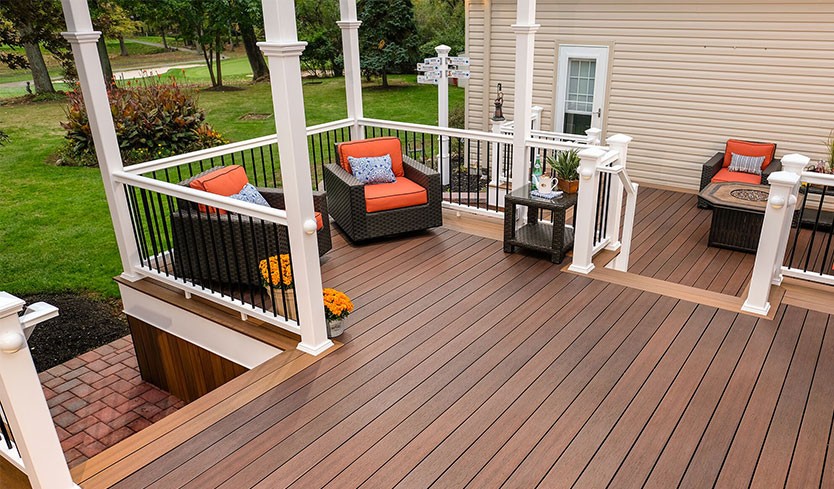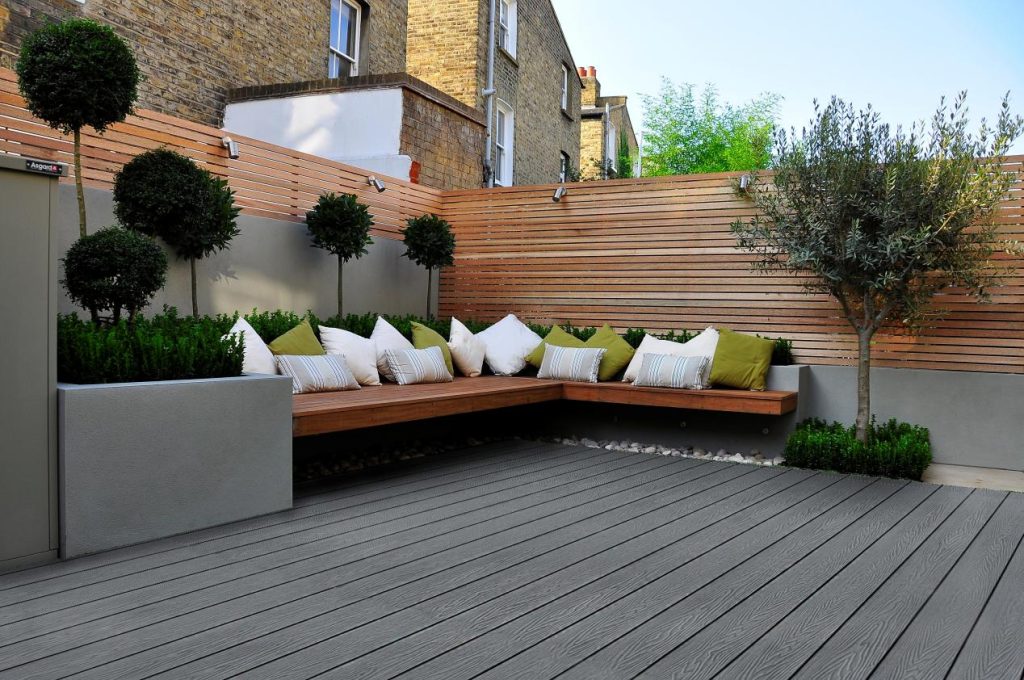
A pool area is more than just a place for swimming. It is an outdoor living space where people relax, entertain guests, enjoy family time, and create memorable experiences. Because pool decks are constantly exposed to water, sunlight, temperature changes, and frequent foot traffic, choosing the right decking material is essential for long-term performance and safety. Among various outdoor flooring options, composite decking has become increasingly popular due to its excellent durability, water resistance, low maintenance requirements, and attractive appearance. However, not all decking products are equally suitable for wet environments. The best composite decking around pool areas should provide a balance of safety, strength, weather resistance, and visual appeal.
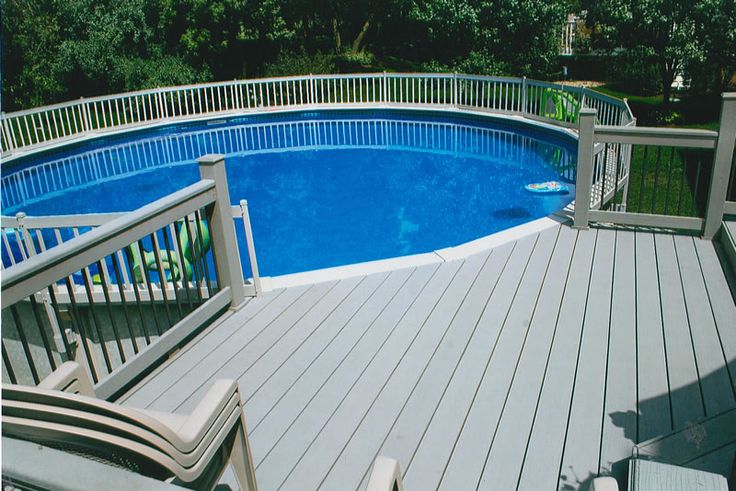
Table of Contents
Whether you are designing a residential pool deck, a resort swimming area, or a commercial outdoor recreation space, selecting the right composite decking can significantly improve the usability and lifespan of the entire pool environment.
Why Choosing the Right Decking Around a Pool Matters
Pool surroundings are one of the most challenging environments for outdoor decking materials. Unlike ordinary patios or garden decks, pool areas experience constant exposure to water, chlorine, cleaning chemicals, and changing weather conditions.
Traditional wood decking may look attractive when newly installed, but it often requires regular maintenance to prevent problems such as rotting, cracking, warping, fading, and moisture damage. Continuous exposure to pool water can accelerate deterioration, especially in areas with high humidity or frequent rainfall.
The best composite decking around pool areas is designed to overcome many of these challenges. It combines recycled materials and advanced manufacturing technology to create boards that maintain structural stability while providing a natural wood-like appearance.
A high-quality composite pool deck can help property owners reduce maintenance costs, improve safety, and create a more comfortable outdoor environment.
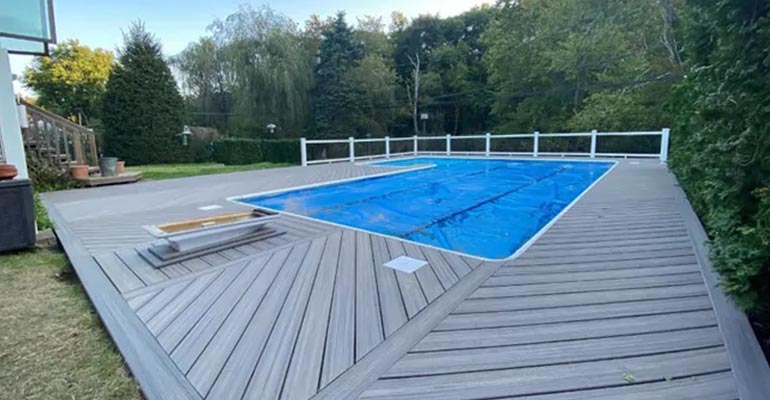
Key Features of the Best Composite Decking Around Pool
When selecting composite decking for a pool area, several important factors should be considered. The ideal material should not only look good but also perform reliably under demanding outdoor conditions.
Excellent Water Resistance
Water exposure is the biggest challenge for any pool decking material. Deck boards installed around swimming pools are frequently exposed to splashes, wet feet, and standing water.
High-performance composite decking has a low water absorption rate, which helps prevent swelling, cracking, and structural damage. Unlike natural wood, composite boards do not absorb moisture easily, making them a suitable choice for areas where water exposure is unavoidable.
Good water resistance also helps prevent mold and mildew growth. This is especially important around pools because damp surfaces can create an unhealthy environment and increase cleaning requirements.
When evaluating the best composite decking around pool installations, water resistance should always be one of the top priorities.
Improved Slip Resistance for Pool Safety
Safety is one of the most important considerations when designing a pool deck. Wet surfaces can become slippery, increasing the risk of falls and injuries.
Quality composite decking designed for pool areas usually features textured surfaces that improve traction even when wet. The surface design allows water to drain effectively while providing a more secure walking experience.
For families with children, elderly users, or frequent pool guests, slip-resistant decking can provide additional confidence and comfort.
A safe pool deck should allow people to walk naturally without worrying about slippery conditions after swimming or during rainy weather.
Strong Resistance to Weather Conditions
Outdoor decking materials must withstand changing weather conditions throughout the year. Pool decks are exposed to strong sunlight, heavy rain, humidity, and temperature fluctuations.
Composite decking is engineered to maintain its performance under outdoor exposure. It resists common issues associated with traditional wood, including splitting, cracking, and deformation caused by moisture and temperature changes.
UV-resistant properties also help reduce color fading caused by prolonged sunlight exposure. This allows the pool deck to maintain a more consistent appearance over time.
For locations with extreme climates, choosing a weather-resistant decking solution is especially important for ensuring long-term durability.
Low Maintenance Benefits of Composite Pool Decking
One of the biggest advantages of composite decking is its minimal maintenance requirements.
Natural wood decking usually requires regular staining, sealing, painting, and repairs to maintain its appearance and protect it from environmental damage. These maintenance tasks can become expensive and time-consuming, especially for large pool areas.
Composite decking requires much less maintenance. Routine cleaning with water and mild soap is usually enough to remove dirt, dust, and everyday stains.
Because composite boards do not require frequent sealing or painting, property owners can spend more time enjoying their outdoor spaces instead of maintaining them.
For hotels, resorts, rental properties, and commercial pool facilities, low maintenance performance can significantly reduce operational costs.
Attractive Design Options for Pool Areas
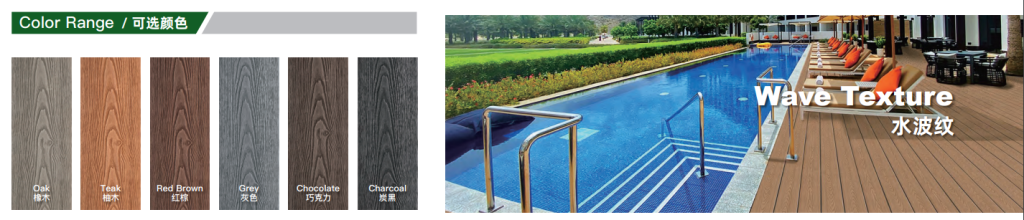
Modern composite decking is available in a wide range of colors, textures, and surface designs. This allows designers and homeowners to create pool areas that match different architectural styles and outdoor environments.
Many composite boards are designed with realistic wood grain patterns, providing the warm appearance of natural timber while offering better durability.
Different colors can be used to create visual separation between swimming areas, walking paths, seating zones, and entertainment spaces. Some projects may combine multiple shades to achieve a customized outdoor design.
The flexibility of composite decking makes it suitable for many applications, including:
- Residential swimming pools
- Hotel and resort pool areas
- Outdoor restaurants
- Public recreation facilities
- Garden entertainment spaces
- Rooftop pool decks
A well-designed composite pool deck can improve both the appearance and functionality of an outdoor area.
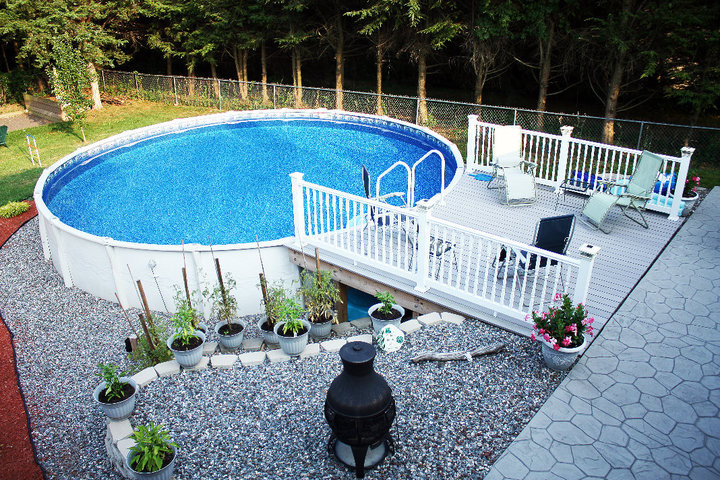
Composite Decking vs Traditional Pool Deck Materials
When choosing decking around a pool, it is useful to compare composite materials with other common options.
Composite Decking vs Wood
Wood has traditionally been a popular choice because of its natural appearance. However, it requires significant maintenance to protect against moisture, insects, and weather damage.
Composite decking provides a similar visual appeal while offering improved resistance to water, fading, and structural problems.
For pool applications, composite materials generally provide better long-term value because they require fewer repairs and less maintenance.
Composite Decking vs Concrete
Concrete is widely used for pool surrounds because it is strong and durable. However, concrete surfaces can become uncomfortable under direct sunlight because they absorb and retain heat.
Composite decking usually provides a more comfortable walking surface and creates a warmer, more inviting outdoor atmosphere.
Additionally, composite boards offer more design flexibility compared with plain concrete surfaces.
Composite Decking vs Tile
Tiles can create a stylish pool environment, but they may become slippery when wet. Some tile surfaces can also crack due to temperature changes or impact.
Composite decking offers better flexibility and impact resistance, making it a practical choice for active outdoor spaces.
How to Choose the Best Composite Decking Around Pool
Selecting the right decking requires careful consideration of several factors.
Consider Material Quality
The quality of raw materials and manufacturing processes directly affects decking performance. Look for products with strong resistance to moisture, UV exposure, and temperature changes.
High-quality composite boards should maintain their shape and appearance after years of outdoor use.
Evaluate Surface Texture
The surface texture affects both appearance and safety. A good pool decking surface should provide enough grip while still being comfortable for bare feet.
Avoid overly rough surfaces that may feel uncomfortable, especially in residential pool environments.
Check Thermal Performance
Pool decks are often exposed to direct sunlight for many hours. Some decking materials can become very hot, making walking uncomfortable.
Choosing composite decking with better heat management characteristics can improve user comfort during summer months.
Consider Installation Requirements
Proper installation is essential for achieving long-lasting performance. Factors such as board spacing, drainage, ventilation, and substructure quality can influence the durability of the finished deck.
Professional installation methods help ensure that water flows properly and prevents moisture accumulation beneath the boards.
Installation Considerations Around Pools
Installing composite decking around a pool requires attention to several technical details.
First, adequate drainage should be planned to prevent water from collecting on the deck surface. Standing water can create safety issues and affect the surrounding structure.
Second, sufficient expansion gaps should be maintained because composite materials naturally expand and contract with temperature changes.
The supporting framework should also be strong enough to handle regular foot traffic, furniture placement, and outdoor activities.
Proper installation not only improves appearance but also extends the service life of the decking system.
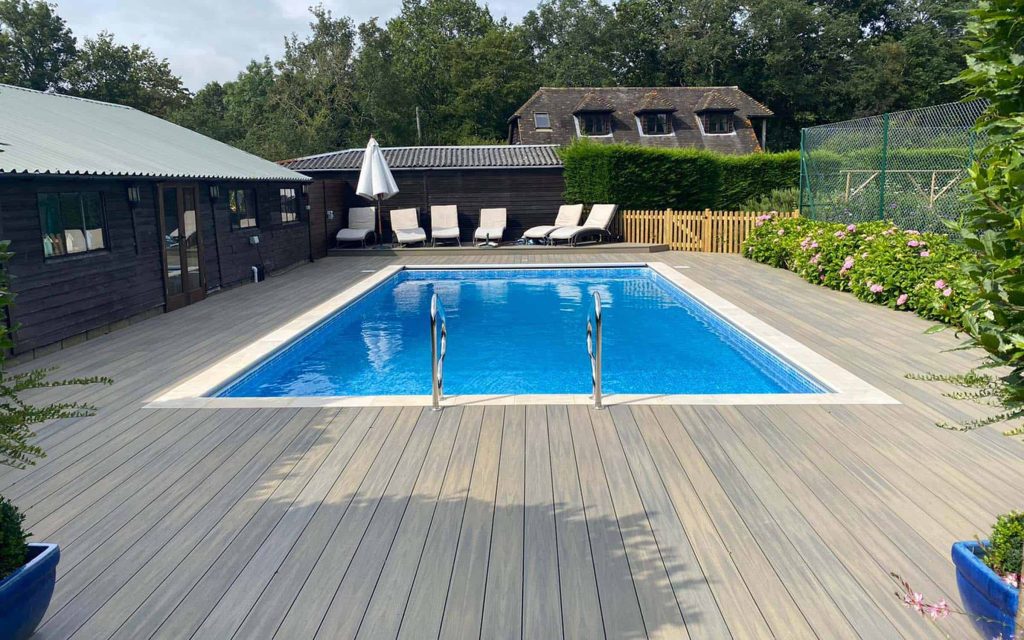
Maintenance Tips for Long-Term Performance
Although composite decking requires limited maintenance, regular care can help preserve its appearance.
Basic maintenance recommendations include:
- Cleaning dirt and debris regularly
- Removing leaves and organic materials
- Washing stains as soon as possible
- Avoiding harsh chemicals that may damage the surface
- Keeping drainage areas clear
For pool environments, it is also recommended to rinse the decking periodically to remove chlorine residue, sunscreen, and other substances that may accumulate over time.
With proper care, composite decking can maintain its appearance and performance for many years.
Conclusion
Choosing the right pool decking material is essential for creating a safe, durable, and visually appealing outdoor space. Composite decking offers excellent resistance to water, weather, fading, and daily wear, making it one of the most practical solutions for swimming pool environments. With proper selection and installation, it can provide long-lasting performance while reducing maintenance work and improving outdoor comfort. For businesses and projects looking for reliable composite decking solutions, Hosung WPC provides professional manufacturing capabilities and high-quality products designed to meet various outdoor application requirements.