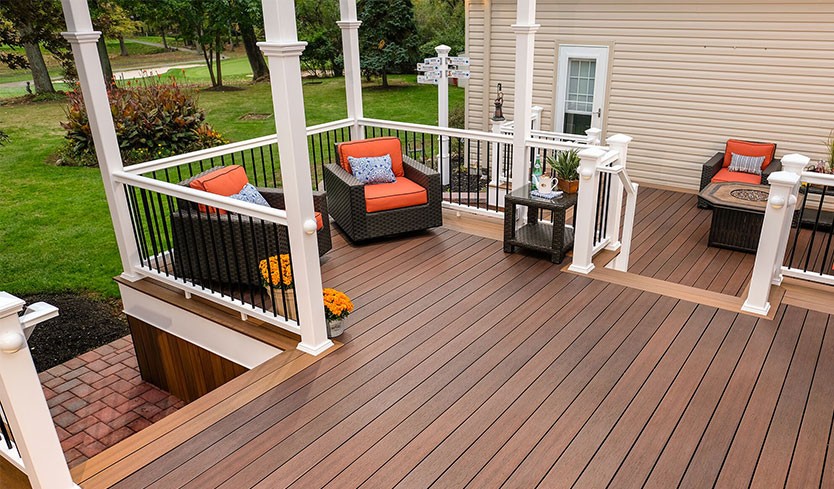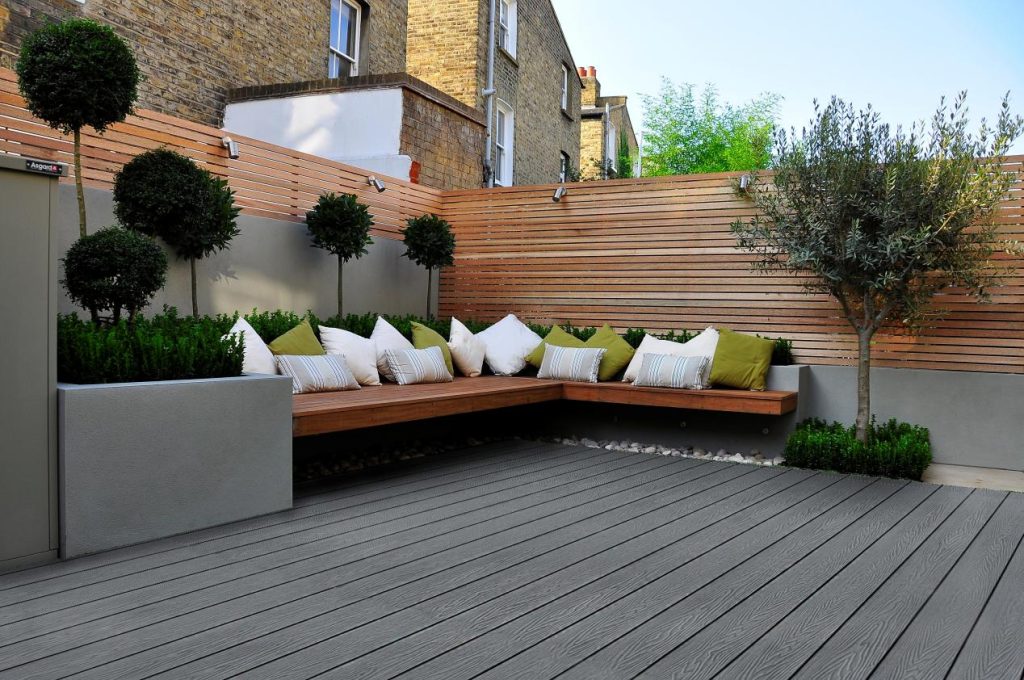
Composite decking is widely used for outdoor spaces due to its durability, low maintenance, and strong resistance to environmental factors. However, many homeowners and builders ask: can composite decking be submerged in water? The answer depends on material quality, water exposure time, installation methods, and environmental conditions. Although composite decking handles moisture better than traditional wood, long-term immersion may still affect its internal structure. Made from a combination of wood fibers and plastic, composite decking absorbs less water, helping prevent issues such as cracking, rotting, warping, and insect damage. However, continuous submersion presents greater challenges than normal outdoor moisture exposure.
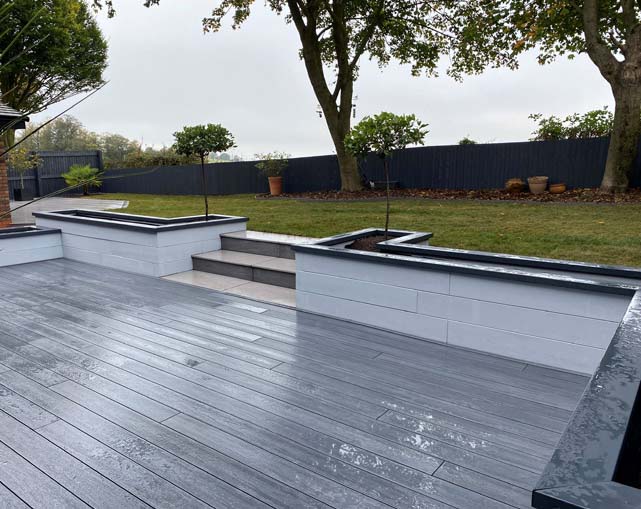
Table of Contents
How Composite Decking Reacts to Water Exposure
Short-Term Water Exposure and Daily Moisture
For most outdoor applications, composite decking performs very well when exposed to water. Rain, snow, splashing water from pools, and regular cleaning usually do not cause significant problems when the decking is properly manufactured and installed.
The plastic content in composite decking helps limit water absorption, allowing the boards to maintain their shape and strength even in wet conditions. This makes composite decking suitable for patios, balconies, pool surrounds, and gardens where moisture exposure is common.
In everyday situations, water typically remains on the surface temporarily before evaporating or draining away. As long as the decking has proper ventilation and drainage, short-term contact with water is unlikely to affect its performance.
Long-Term Water Submersion
When asking can composite decking be submerged in water, the main concern is prolonged exposure. Being underwater for days, months, or years creates different conditions compared with normal outdoor use.
Although composite decking has strong moisture resistance, continuous immersion may eventually affect the materials. Water can potentially enter small gaps, cut edges, or exposed areas if the boards are not designed for permanent underwater applications. Over time, this may lead to internal swelling, reduced strength, or changes in appearance.
The risk level depends greatly on the manufacturing process. High-quality composite decking usually has better protection against moisture because of improved material composition, stronger bonding between components, and more effective surface protection.
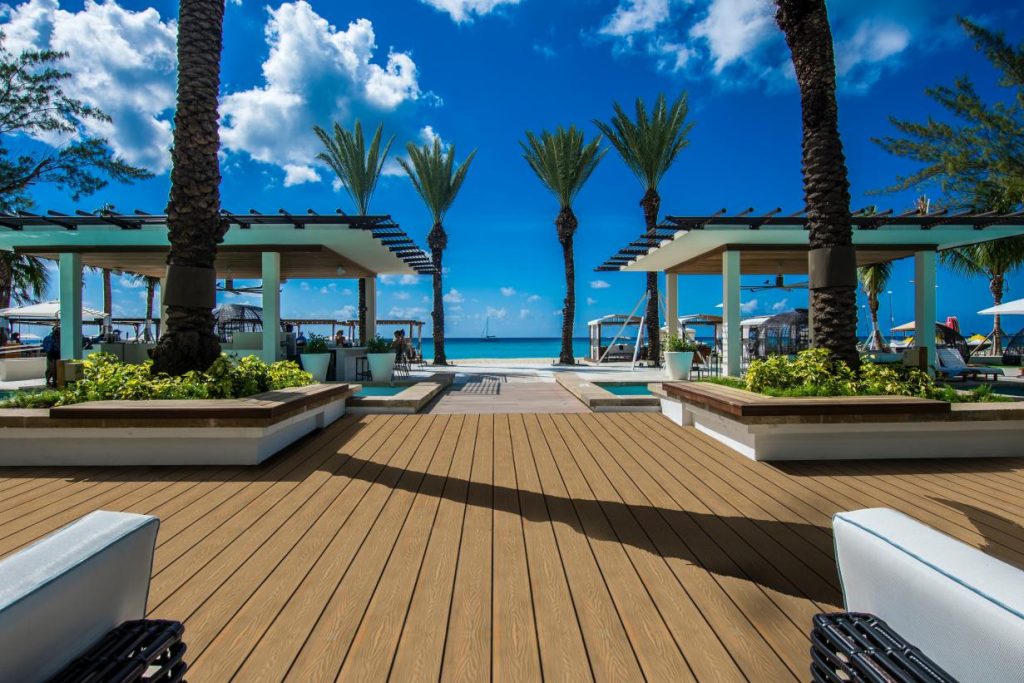
Factors That Affect Composite Decking Performance Underwater
Material Composition
The composition of composite decking plays an important role in determining how well it handles water. Decking with a higher plastic content generally provides better moisture resistance because plastic does not absorb water like wood fibers.
Wood fibers add natural appearance and texture, but they can be more sensitive to moisture if they are not properly protected. Advanced manufacturing techniques help encapsulate these fibers and reduce direct water contact.
A well-balanced material structure allows composite decking to maintain durability while providing a natural appearance suitable for outdoor environments.
Quality of Manufacturing
Not all composite decking products perform the same way. Manufacturing quality directly influences water resistance, dimensional stability, and long-term durability.
Important manufacturing factors include:
- Uniform mixing of wood fibers and plastic materials
- Strong bonding between internal components
- Effective moisture protection technology
- Consistent board density
- Reliable surface treatment
High-quality production reduces the possibility of water penetration and helps the boards maintain their original properties in challenging environments.
Installation Method
Proper installation is essential when composite decking is exposed to large amounts of water. Even highly water-resistant boards may experience problems if they are installed incorrectly.
Good installation practices include:
- Maintaining sufficient gaps between boards for drainage
- Providing proper airflow underneath the decking
- Avoiding direct contact with constantly wet surfaces when possible
- Using suitable support structures
- Ensuring water can flow away efficiently
Poor drainage can trap water beneath the decking, creating conditions where moisture remains for long periods. This may increase the risk of performance issues over time.
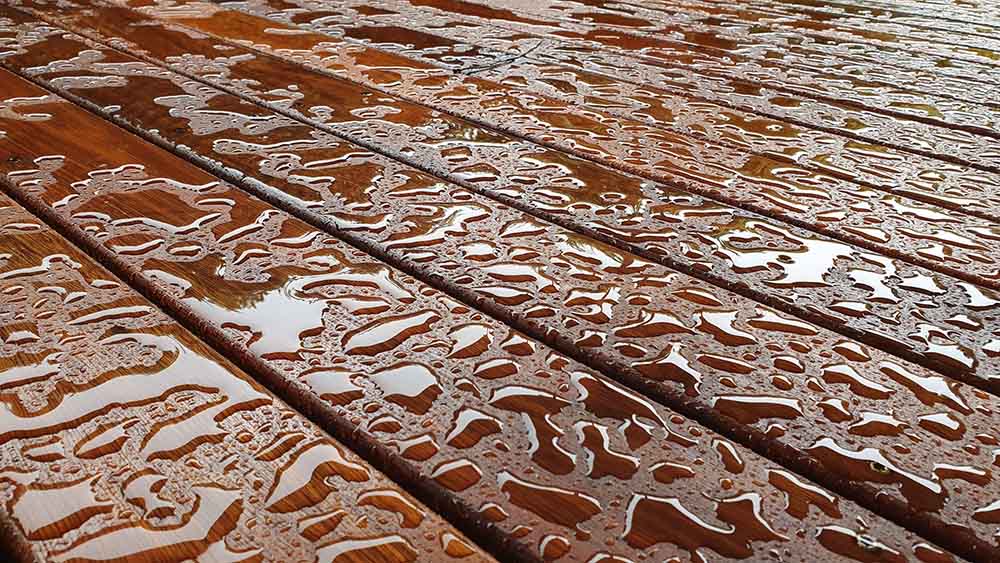
Can Composite Decking Be Used Around Pools and Wet Areas?
Pool Surround Applications
Many people ask can composite decking be submerged in water because they want to install decking around swimming pools. Pool environments involve frequent water exposure from splashing, cleaning, and wet feet.
Composite decking is generally an excellent choice for pool surroundings because it offers several advantages:
- Resistance to moisture
- Reduced risk of cracking compared with wood
- Easy cleaning and maintenance
- Better resistance to stains
- Comfortable surface for outdoor use
However, pool decking is usually exposed to intermittent water rather than permanent submersion. Water splashes onto the surface but does not normally keep the boards completely underwater.
Proper drainage design remains important because standing water around pools can create unnecessary stress on any outdoor material.
Waterfront and Marine Applications
For areas such as docks, lakeside platforms, and waterfront walkways, composite decking must handle more demanding conditions. These applications often involve higher humidity, stronger water exposure, and possible long-term contact with moisture.
Some composite decking systems are designed specifically for these environments, while others are better suited for residential outdoor spaces. Choosing suitable materials according to the application is important for achieving long service life.
Permanent underwater structures require careful consideration because even moisture-resistant materials have limitations when continuously submerged.
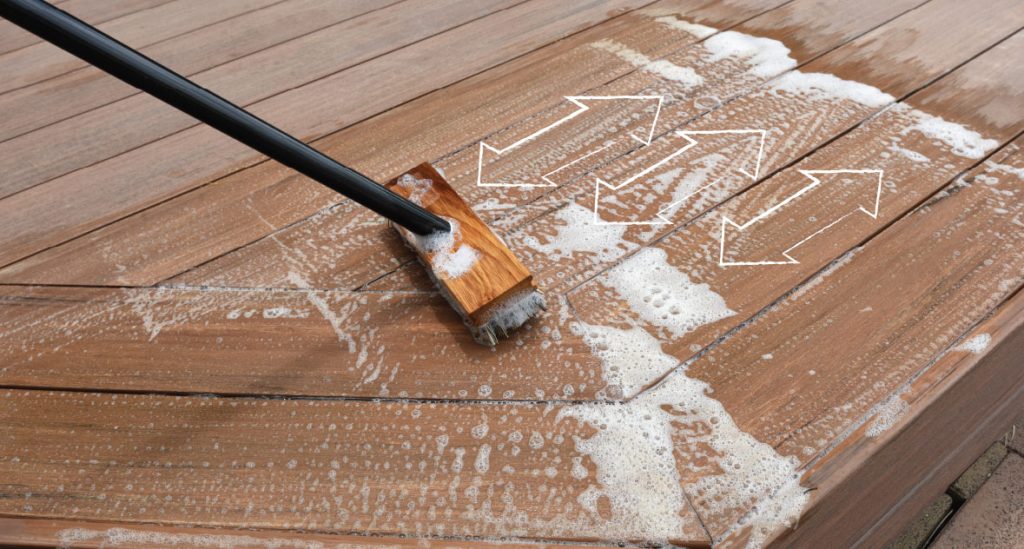
Does Water Damage Composite Decking?
Common Water-Related Problems
Although composite decking is highly resistant to moisture, certain conditions may create problems. Potential issues include:
Swelling
If water enters areas where internal materials are exposed, swelling may occur. This is more likely at cut edges, damaged surfaces, or improperly sealed areas.
Color Changes
Long-term water exposure combined with sunlight, chemicals, and environmental factors may gradually affect the appearance of decking boards.
Reduced Structural Performance
Continuous immersion can influence the internal stability of some materials, especially if water reaches areas that are not fully protected.
Mold and Surface Growth
Composite decking itself is generally resistant to decay, but dirt, leaves, and moisture trapped on the surface may create conditions where mold or algae can develop.
Regular cleaning and proper drainage help prevent these issues.
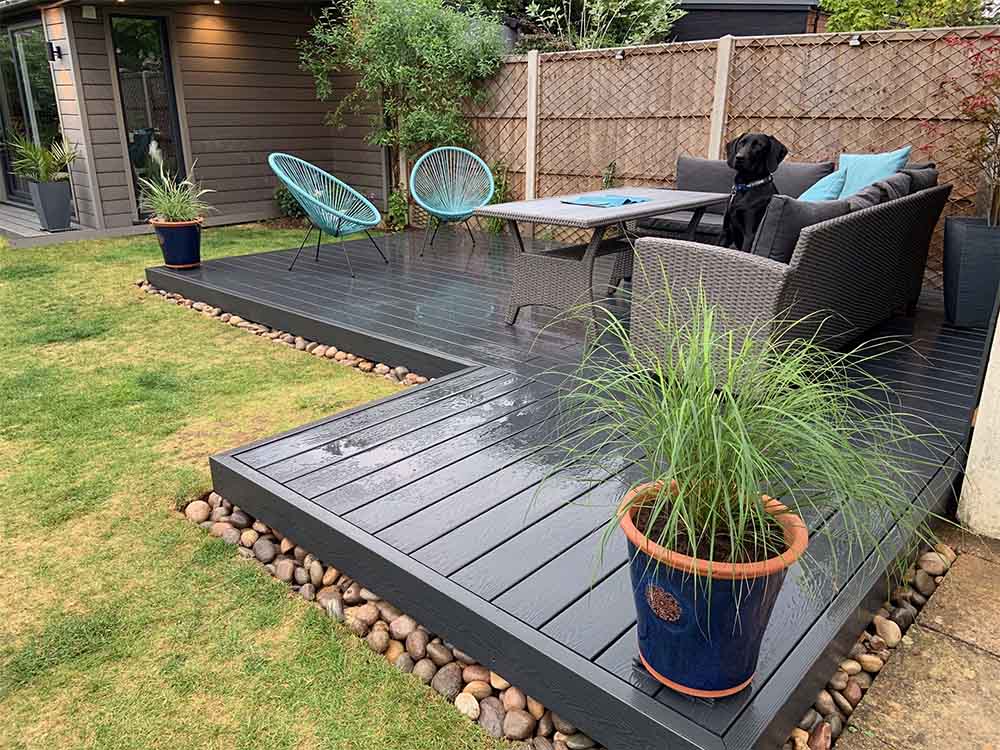
How to Improve the Water Resistance of Composite Decking
Choose Suitable Materials
Selecting the right composite decking material is the first step in improving performance in wet environments. Consider products designed for high-moisture locations and evaluate important characteristics such as water absorption, density, and structural strength.
Protect Cut Edges
During installation, cutting boards may expose internal materials. Protecting these areas can help reduce possible moisture penetration.
Proper edge protection methods may include:
- Applying suitable sealing treatments
- Minimizing unnecessary cuts
- Following recommended installation procedures
Maintain Proper Drainage
Even water-resistant decking needs effective drainage. Standing water should be avoided whenever possible because continuous moisture exposure creates unnecessary pressure on the material.
A well-designed substructure allows air circulation and helps water move away quickly after rainfall or cleaning.
How Long Can Composite Decking Stay Underwater?
There is no universal answer to how long composite decking can remain submerged because performance varies depending on material quality, environmental conditions, and installation details.
Short-term submersion caused by heavy rain, flooding, or accidental water exposure usually does not create immediate damage. After the water disappears, proper inspection and cleaning can help maintain the decking.
Long-term underwater exposure is much more demanding. Decking that remains completely submerged for extended periods may experience gradual changes, especially if water reaches internal components.
For applications where boards will regularly stay underwater, selecting materials specifically engineered for such conditions is important.
Comparing Composite Decking with Traditional Wood in Wet Conditions
Traditional wood decking has a natural appearance but requires more maintenance in wet environments. Wood can absorb water, leading to swelling, cracking, decay, and insect problems if it is not properly protected.
Composite decking offers several advantages:
- Lower moisture absorption
- Better resistance to rotting
- Reduced maintenance requirements
- More stable performance in changing weather conditions
However, composite decking should not automatically be considered a fully waterproof structural material. It provides excellent moisture resistance but still requires correct design, installation, and maintenance.
Maintenance Tips for Composite Decking in Wet Environments
Clean Regularly
Removing dirt, leaves, and organic materials helps prevent moisture retention on the surface.
Check Drainage Areas
Inspect spaces between boards and underneath the structure to ensure water can flow freely.
Avoid Long-Term Standing Water
Although composite decking handles moisture well, eliminating unnecessary standing water can extend its service life.
Inspect After Extreme Weather
After floods, storms, or unusual water exposure, checking the decking condition can help identify potential issues early.
Final Thoughts on Can Composite Decking Be Submerged in Water
So, can composite decking be submerged in water? Composite decking can handle significant moisture exposure and occasional water contact, making it a reliable option for many outdoor applications. However, permanent or long-term underwater immersion is not recommended for standard composite decking unless the material has been specifically designed for that purpose.
The performance of composite decking depends on material quality, manufacturing technology, installation methods, and maintenance practices. With proper selection and correct installation, composite decking can provide long-lasting performance in wet environments such as pool areas, gardens, balconies, and waterfront spaces. For professional composite decking solutions and reliable manufacturing support, Hosung WPC provides high-quality options designed to meet various outdoor application requirements.