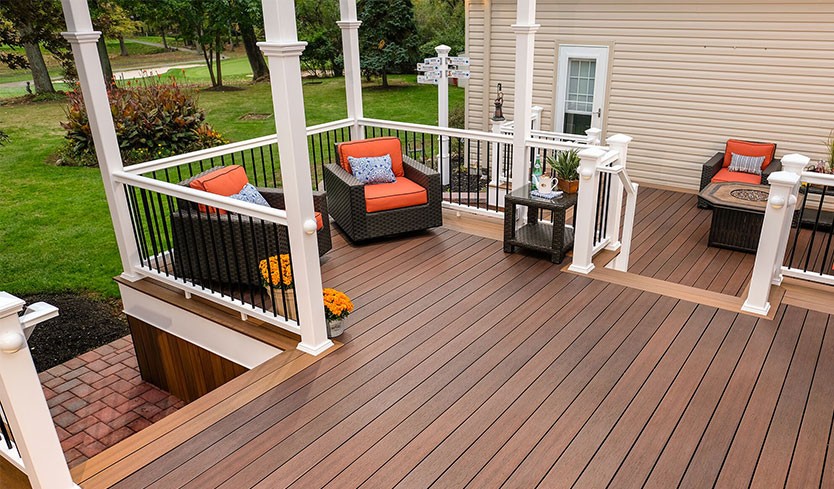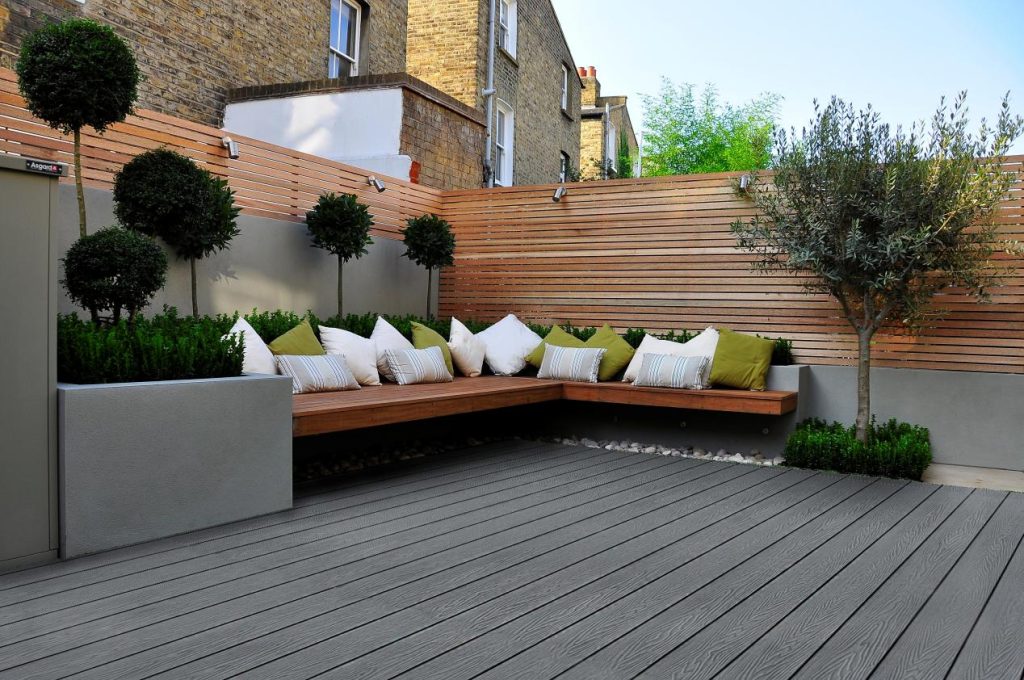
When choosing the best composite decking solution for your outdoor projects, two names that often come up are Brooks Composite Decking and Hosung. Both brands are known for offering high-quality, durable, and aesthetically pleasing composite decking options. However, there are subtle differences that may influence your choice, depending on your needs and preferences. In this article, we will compare Brooks Composite Decking with Hosung in terms of material composition, design, durability, maintenance, cost, environmental impact, and customer satisfaction. By the end of this comparison, you should have a clearer idea of which option suits your specific requirements.
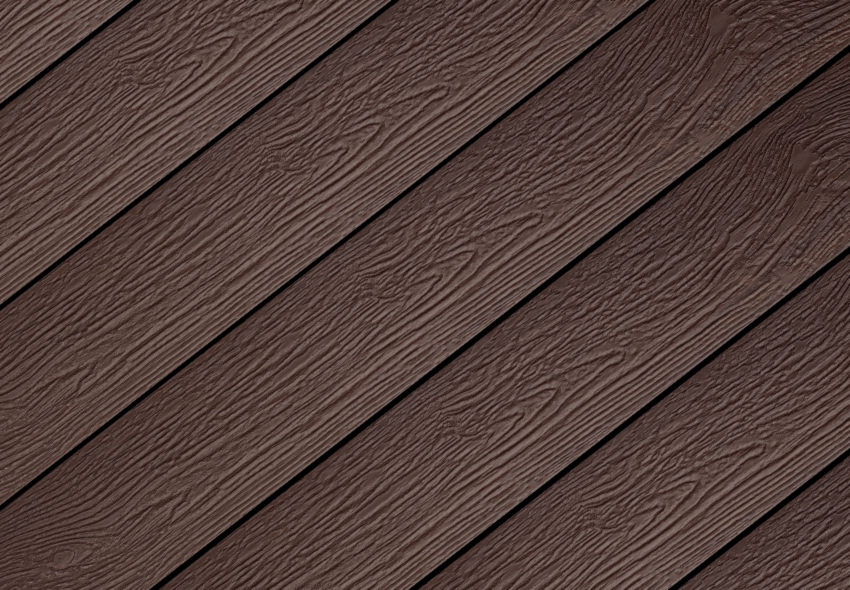
Table of Contents
Material Composition
Brooks Composite Decking and Hosung both use a mix of wood fibers and plastics to create a composite material that mimics the look and feel of traditional wood but with superior durability. The key difference lies in the specific types of wood fibers and plastics used.
- Brooks Composite Decking: This brand uses a blend of high-quality wood fibers and low-density polyethylene (LDPE) plastic. The wood fibers are typically sourced from hardwood trees, which enhances the overall strength and aesthetic of the decking. The polyethylene plastic offers excellent protection against moisture, rot, and insects, making it suitable for a variety of outdoor environments.
- Hosung: This brand also uses a wood-plastic composite (WPC) structure, but the exact blend of materials may differ slightly. Hosung commonly utilizes a combination of recycled wood fibers and high-density polyethylene (HDPE) plastic. HDPE provides better resistance to UV rays and chemical wear, which can enhance the longevity of the decking, particularly in harsh climates.
Durability and Strength
Both Brooks Composite Decking and Hosung are known for their durability and resilience. They both outperform traditional wood decking when it comes to longevity, moisture resistance, and maintenance requirements.
- Brooks Composite Decking: The high-density polyethylene in Brooks products helps resist water penetration and prevents warping, splintering, and cracking. The material is engineered to handle extreme weather conditions without losing its aesthetic appeal or structural integrity.
- Hosung: Hosung products also excel in terms of durability. The use of high-density polyethylene gives it an added layer of protection against harsh sunlight, temperature fluctuations, and moisture. Hosung decking is particularly noted for its exceptional resistance to fading and discoloration over time. It is ideal for regions that experience high levels of sun exposure.
While both options are robust and long-lasting, Hosung may have a slight edge in terms of UV resistance and overall longevity due to the higher quality of plastic used in its composition.
Aesthetic Appeal and Design Options
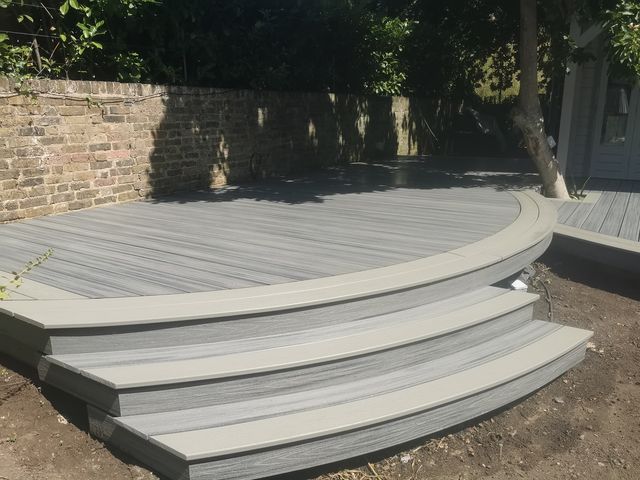
When it comes to appearance, both Brooks Composite Decking and Hosung provide visually appealing options, but there are differences in terms of the available colors, textures, and finishes.
- Brooks Composite Decking: This brand offers a range of colors, textures, and finishes that mimic natural wood. The decking planks are designed to retain a wood-like aesthetic while being highly durable and low-maintenance. Brooks decking options include a variety of rich wood tones such as mahogany, walnut, and oak, with options for smooth or grooved surfaces, depending on your preference.
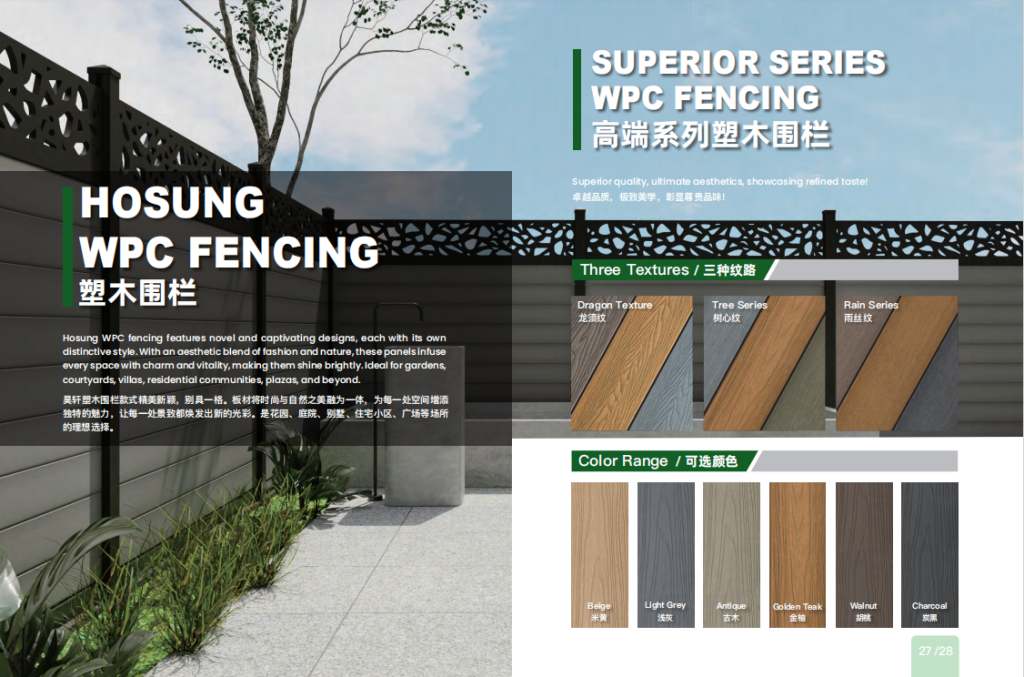
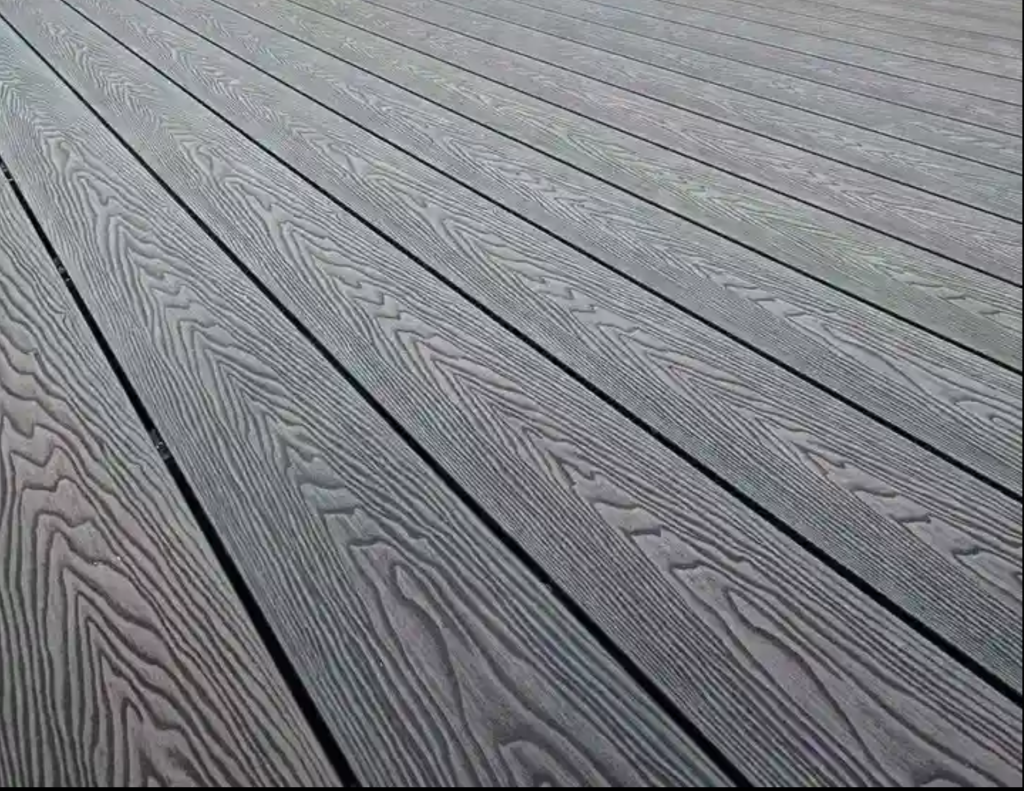
- Hosung: Hosung decking also offers a wide range of color choices and textures. However, what sets Hosung apart is its superior wood grain finish, which closely resembles the rich patterns and textures found in natural wood. Whether you choose a classic wood finish or a more contemporary look, Hosung offers plenty of flexibility to complement your outdoor living space. In addition, the decking material is often designed with anti-slip technology, providing a safer walking surface, especially when wet.
Both brands provide aesthetically pleasing solutions, but Hosung tends to stand out in terms of realistic wood grain finishes and customizable options.
Maintenance and Cleaning
One of the primary reasons consumers turn to composite decking is its low-maintenance nature compared to traditional wood. Both Brooks Composite Decking and Hosung offer easy-to-clean surfaces that require minimal upkeep.
- Brooks Composite Decking: The surface of Brooks composite decking is resistant to stains and mildew, but like all composite materials, regular cleaning is recommended to maintain its appearance. Occasional pressure washing or scrubbing with soapy water is sufficient to remove dirt, leaves, and debris. While the decking resists fading, some customers report that it may require cleaning more frequently to maintain its aesthetic.
- Hosung: Hosung composite decking has a reputation for being even more resistant to stains and dirt due to the anti-slip and anti-microbial surface treatments used in production. This makes it easier to maintain, especially in high-traffic outdoor spaces. A regular wash with soap and water is typically all that’s needed, and its smooth surface prevents the accumulation of dirt or moss.
In terms of maintenance, Hosung has a slight edge due to its added anti-slip properties and the long-lasting, self-cleaning features of its surface.
Cost-Effectiveness
Cost is an important factor when selecting any material for construction or renovation projects, and composite decking is often seen as a higher upfront investment compared to traditional wood. However, its long-term savings in maintenance and durability make it a worthwhile investment.
- Brooks Composite Decking: Typically, Brooks composite decking products are priced competitively with other premium composite brands. The exact cost depends on the specific model and features chosen, but consumers can expect to pay a little more for the enhanced durability and aesthetics. Additionally, because Brooks decking requires minimal maintenance, homeowners save on long-term upkeep costs.
- Hosung: Hosung tends to offer a wider range of prices depending on the product’s complexity, design, and material quality. While the cost may be slightly higher for some of their premium products, the higher-grade materials often justify the additional expense. Moreover, because of the decking’s extended lifespan and lower maintenance needs, the overall cost of ownership may be comparable or even more cost-effective over time.
Overall, while Brooks provides excellent value for money, Hosung may be a more cost-effective choice for those looking for enhanced UV protection, advanced anti-slip features, and longer-lasting durability.
Environmental Impact
Both Brooks Composite Decking and Hosung use sustainable materials in their manufacturing process, contributing to the growing demand for eco-friendly construction products.
- Brooks Composite Decking: Brooks uses a blend of recycled wood fibers and plastic, making it a more sustainable option compared to traditional wood decking. The company also ensures that its production processes follow environmental best practices, minimizing waste and energy consumption.
- Hosung: Hosung is equally committed to sustainability. The company uses a high percentage of recycled materials in its products, and the composite decking is fully recyclable at the end of its life cycle. This makes Hosung an environmentally friendly choice for eco-conscious consumers.
Both companies prioritize environmental responsibility, but Hosung‘s emphasis on recyclable HDPE plastic provides an additional environmental benefit due to the material’s long-term recyclability.
Customer Satisfaction and Reputation
Both brands have established themselves in the composite decking market, but customer satisfaction can vary depending on specific experiences.
- Brooks Composite Decking: Brooks has built a strong reputation for its high-quality products and excellent customer service. Many customers praise the durability and visual appeal of their decking, noting that it withstands the test of time even in harsh weather conditions. However, some customers have mentioned that the surface can show signs of wear over time, especially in high-traffic areas.
- Hosung: Hosung has received positive reviews for its superior finish, enhanced UV protection, and ease of installation. Customers particularly appreciate the low-maintenance features and the decking’s ability to retain its appearance and performance year after year. Hosung has a slightly stronger reputation for overall durability and longevity, especially in regions with intense sun exposure.
Conclusion
When comparing Brooks Composite Decking and Hosung, both brands offer excellent composite decking solutions with notable strengths. If you prioritize long-lasting durability, realistic wood grain finishes, and an environmentally friendly product, Hosung may be the better choice for your outdoor projects. While Brooks provides excellent value with its high-quality materials and lower maintenance needs, Hosung stands out with its advanced UV resistance, anti-slip features, and exceptional durability.
Ultimately, the choice comes down to your specific needs—whether you value advanced features, cost-effectiveness, or brand reputation. Both options will provide a beautiful, durable, and low-maintenance decking solution for your outdoor spaces.