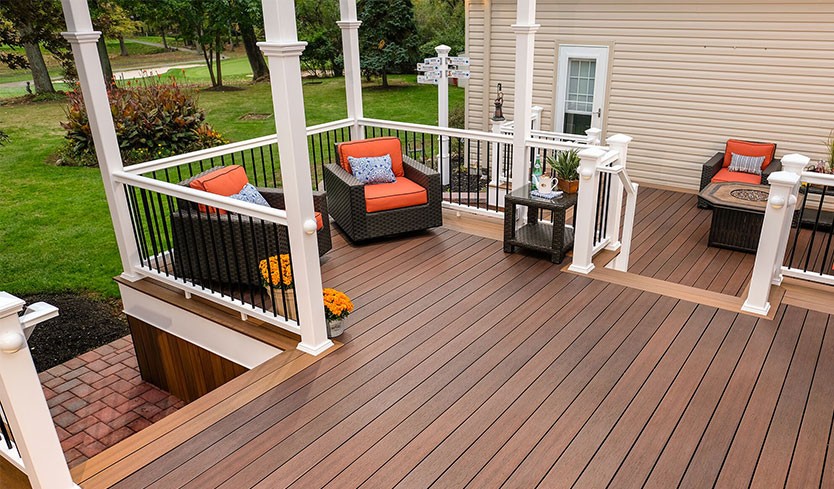
Composite decking is a popular choice for homeowners looking to enhance their outdoor spaces. It’s known for its durability, low maintenance, and aesthetic appeal. But what about using composite decking for docks? Can it withstand the unique challenges of being exposed to water, sun, and weather? In this blog post, we’ll explore whether composite decking can be a viable option for building docks, comparing it to traditional materials like wood, and offering insights into its benefits and considerations.
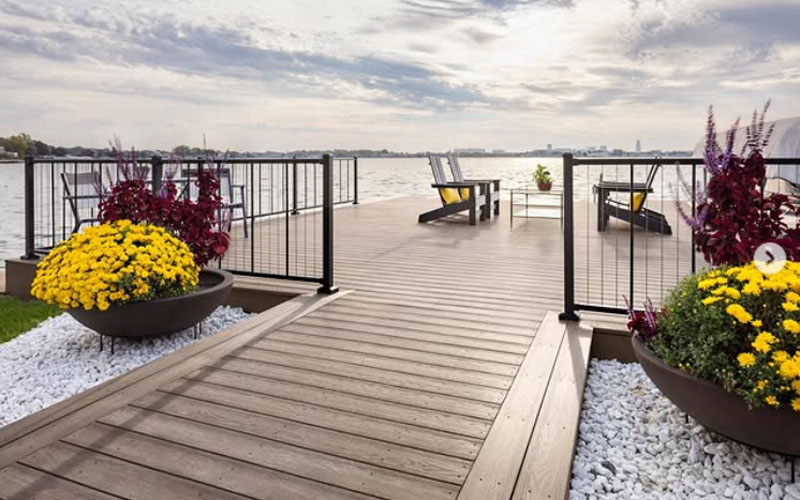
Table of Contents
What is Composite Decking?
Before diving into whether composite decking can be used for docks, it’s essential to understand what composite decking is. Composite decking is made from a blend of wood fibers, plastic, and sometimes other materials like sawdust, which are compressed into planks. This mixture gives composite decking its distinctive qualities:
- Durability: Composite boards are resistant to fading, cracking, and warping.
- Low Maintenance: Unlike wood decking, composite materials do not require frequent staining or sealing.
- Aesthetic Appeal: Composite decking comes in a variety of colors and textures, resembling the look of natural wood without the upkeep.
Why Composite Decking?
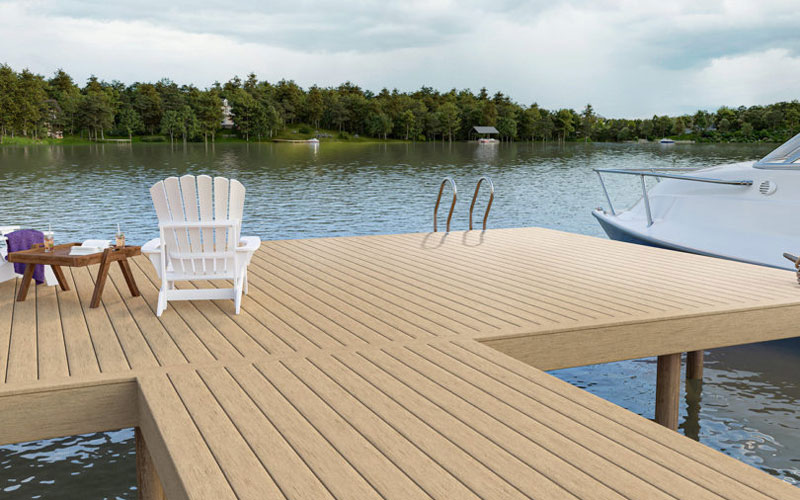
Composite decking has become the go-to option for many decking projects. The key advantages that make it stand out are:
- Longevity: Unlike wood, which is susceptible to rot and insect damage, composite decking resists moisture, mold, and mildew. This makes it an appealing choice for environments like docks where constant exposure to water is inevitable.
- Minimal Maintenance: Traditional wood decking requires regular maintenance like sanding, sealing, and painting. Composite decking, on the other hand, needs only occasional cleaning to maintain its appearance.
- Environmentally Friendly: Most composite decks are made from recycled materials like plastic and wood fibers, making them more sustainable than using virgin wood for decking.
- Aesthetic Variety: Available in a range of colors and textures, composite decking offers a wide variety of looks. From rich wood tones to more modern shades, homeowners can choose the style that suits their dock design.
- Slip Resistance: Composite decking often features textured surfaces, which helps to prevent slips, a crucial feature for docks that experience water exposure and can become slippery.

Can Composite Decking Be Used for Docks?
Now that we know the benefits of composite decking, the big question remains: Can composite decking be used for docks?
The answer is yes, but with certain considerations. Composite decking is well-suited for dock applications, but it requires the right type of composite, installation method, and care to ensure it performs optimally. Let’s break down these factors.
Benefits of Composite Decking for Docks
- Water Resistance
Docks are constantly exposed to water, which is one of the most damaging elements to traditional wood. Composite decking’s resistance to water absorption makes it a strong candidate for waterfront applications like docks. The materials used in composite boards are designed to prevent swelling, rotting, and warping, even in the harshest of marine environments. - Reduced Maintenance
Traditional wood decks, especially those used on docks, require regular maintenance to keep them in good condition. This includes sealing, staining, and cleaning to prevent mold and mildew growth. With composite decking, you won’t have to worry about such tasks. While composite decking still needs occasional cleaning, its resistance to mold, mildew, and algae growth reduces the overall maintenance effort significantly. - Durability Against the Elements
Composite decking is engineered to withstand the harshest weather conditions, including UV rays, saltwater, and rain. The materials used in composite decking do not degrade in the same way that wood does when exposed to the sun and rain. This means that your dock’s decking will retain its look and structural integrity for much longer than traditional wood. - Non-Slip Surface
Water can make surfaces slippery, especially when algae build up. Many composite decking products are designed with textured surfaces that provide better grip, reducing the risk of slipping. This is particularly important for docks, which are exposed to constant moisture and can become dangerously slippery when wet. - Eco-Friendly Option
As environmental concerns continue to grow, choosing eco-friendly materials becomes increasingly important. Composite decking is often made from recycled materials, making it a more sustainable option than traditional wood. By using composite decking on your dock, you are contributing to a more eco-conscious approach to construction. - Aesthetic Appeal
Composite decking offers a more modern and clean look compared to wood. With a wide variety of colors and textures available, it can complement the natural surroundings of your dock while providing a sophisticated finish that enhances the overall aesthetic appeal of your waterfront property.
Potential Drawbacks to Consider
While composite decking offers many advantages for dock construction, there are a few factors to keep in mind before deciding whether it’s the right material for your project.
- Cost
One of the biggest disadvantages of composite decking is its upfront cost. It tends to be more expensive than traditional wood decking. However, when considering the long-term savings in maintenance and replacement costs, composite decking can be a more cost-effective solution over time. - Expansion and Contraction
Composite decking materials can expand and contract with temperature fluctuations. This is something to consider when installing the decking on a dock, especially if the dock is in a region with significant temperature changes. Proper spacing and installation are key to preventing issues related to expansion and contraction. - Weight
Composite decking tends to be heavier than wood, which can increase the weight load on the dock structure. It’s important to ensure that the dock is properly reinforced to handle the additional weight. - Potential for Scratching
While composite decking is highly durable, it is not entirely immune to scratches and damage. Heavy furniture, equipment, or boats dragging along the surface could cause wear and tear over time. However, scratches are often less noticeable than on wood and typically do not compromise the material’s integrity.

Choosing the Right Composite Decking for Docks
Not all composite decking is created equal. When selecting composite decking for a dock, it’s essential to choose a product that is specifically designed for marine environments. Here are a few factors to consider:
- Marine-Grade Composite
Some manufacturers offer marine-grade composite decking that is designed to resist the specific challenges of being in constant contact with water. Marine-grade composites are engineered to be more durable and resistant to the corrosive effects of saltwater. - Water-Resistant Cores
Look for composite decking that has water-resistant cores. These types of boards will prevent moisture from seeping into the core of the decking, which could lead to structural weakening over time. Additionally, some composite decking has capped layers that protect against water intrusion. - UV Protection
Composite decking for docks should be UV-resistant to prevent fading from the harsh sunlight. Look for products with high-quality UV inhibitors that can help maintain the vibrant color of the decking for years. - Slip Resistance
Choose composite decking with slip-resistant features. Many composite products are specifically designed for wet environments, ensuring safety on your dock. Look for options that have textured surfaces or grooves that enhance grip, especially if you live in a humid or rainy area.
Installing Composite Decking on Docks
Proper installation is key to ensuring that your composite decking performs well on a dock. Here are some installation tips to keep in mind:
- Allow for Expansion
Since composite decking expands and contracts with temperature fluctuations, it’s important to leave gaps between the boards to allow for this movement. Most manufacturers provide guidelines on the recommended gap size based on the type of decking you’re using. - Reinforce the Dock Structure
Composite decking can be heavier than wood, so ensure that the dock’s frame is strong enough to handle the weight. Consult with a structural engineer if necessary to make sure the dock can support the additional load. - Proper Fastening
Use stainless steel or marine-grade fasteners when installing composite decking on docks to prevent rusting. Corrosion-resistant fasteners will ensure that the decking stays securely in place and doesn’t deteriorate over time due to exposure to water. - Use a Professional Installer
If you’re unsure about how to install composite decking on your dock, consider hiring a professional installer. This will ensure that the decking is installed correctly, maximizing its lifespan and performance.
Conclusion
In conclusion, composite decking can be used for docks and offers many advantages over traditional materials like wood. With its resistance to water, minimal maintenance, durability, and aesthetic appeal, composite decking can make a great choice for your waterfront property. However, it’s essential to choose the right type of composite decking from Hosungdeck.com, designed for marine environments and ensure proper installation.
While the upfront cost may be higher than wood, the long-term savings in maintenance and replacement make composite decking a wise investment for your dock. With the right care and attention, composite decking can provide a beautiful and functional surface that will last for many years, even in the challenging conditions that docks face.
If you’re considering composite decking for your dock project, do thorough research, choose high-quality materials, and ensure proper installation to maximize the benefits of this fantastic decking solution.