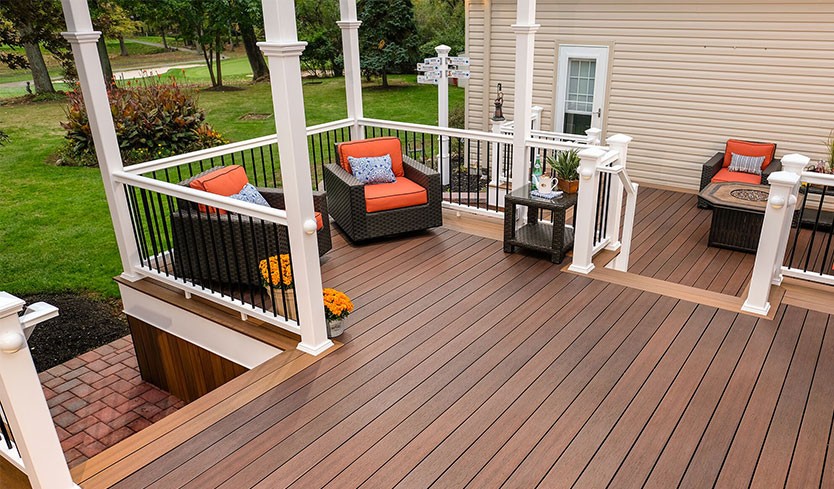
When it comes to choosing materials for decking, homeowners and builders often consider factors like durability, maintenance, and aesthetics. But one crucial factor that often gets overlooked is the weight of the materials. In this article, we’ll explore the weight of composite decking vs wood decking and how it influences the installation process, structural integrity, and long-term performance of your outdoor space. Understanding the weight of these materials can help you make a more informed decision when selecting the perfect decking solution for your project.
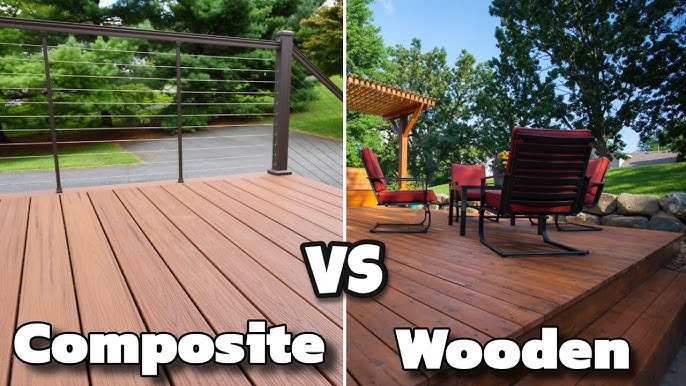
Table of Contents
Understanding Composite Decking
What is Composite Decking?
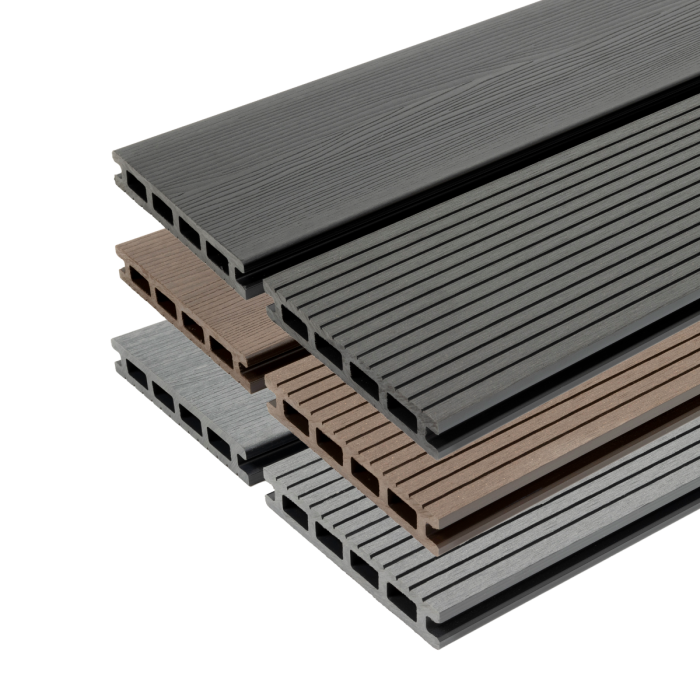
Composite decking is a modern alternative to traditional wood decking. It is made from a combination of recycled wood fibers and plastic. This blend of materials results in a durable, low-maintenance, and weather-resistant decking option that mimics the look of wood but with added benefits.
Weight of Composite Decking
Composite decking tends to be denser and heavier than traditional wood. The weight of composite decking boards can vary depending on the brand, composition, and design, but on average, composite boards weigh around 2.5 to 3 pounds per linear foot.
The reason composite decking weighs more than wood is that it is made from a mixture of wood fibers and plastic polymers, both of which are dense materials. The weight of the boards can affect how easy or difficult they are to handle during installation.
Understanding Wood Decking
What is Wood Decking?
Wood decking has been a traditional choice for homeowners for many years. Made from natural hardwoods like cedar, redwood, and pressure-treated lumber, wood decking is an attractive and timeless option for outdoor spaces. However, it requires regular maintenance to keep it looking its best and to ensure longevity.
Weight of Wood Decking
The weight of wood decking varies depending on the type of wood used. For example:
- Pressure-treated lumber: Pressure-treated wood is often used for its resistance to insects and moisture. It is usually about 2.5 to 3 pounds per linear foot, similar to composite decking.
- Cedar: Cedar is a lighter wood, typically weighing around 1.5 to 2 pounds per linear foot.
- Redwood: Redwood is another popular decking material, and it can weigh approximately 2 to 3 pounds per linear foot, depending on its grade and moisture content.
While wood decking is generally lighter than composite decking, it’s important to note that it can vary based on moisture content. Wet wood is significantly heavier than dry wood, so it’s essential to factor in the wood’s moisture level when comparing the weight to composite decking.

Weight Comparison: Composite Decking vs Wood Decking
1. Installation Ease
When comparing the weight of composite decking vs wood, installation is one of the key factors affected by the material’s weight.
- Composite Decking: Because composite boards are heavier, handling and transporting them can be more challenging, especially on large projects. Builders often need additional help to move and install composite decking, and more labor might be required.
- Wood Decking: Wood boards are typically lighter, which makes them easier to handle and install. This can lead to reduced labor costs and faster installation times for wood decking compared to composite options.
2. Structural Impact
The weight of composite decking vs wood also has an effect on the overall structural integrity of your deck. Heavier materials require stronger support systems to bear the load.
- Composite Decking: Due to its increased weight, composite decking may require stronger joists or a more robust framework to prevent sagging or warping over time. This could increase the overall cost of the deck installation.
- Wood Decking: Lighter materials, such as cedar or redwood, require less support for the framework, making them easier to manage structurally. This can lead to lower material costs for the supporting structure.
3. Durability and Longevity
While weight doesn’t directly affect the lifespan of decking, heavier materials may contribute to overall durability in some situations.
- Composite Decking: The density and heavier weight of composite decking contribute to its resistance to weathering and deformation over time. Composite boards are less likely to warp, twist, or splinter compared to wood, making them a better option for regions with extreme weather conditions.
- Wood Decking: Lighter woods like cedar and redwood may be prone to warping or splitting under heavy loads or extreme temperature changes. Pressure-treated lumber can offer more durability, but it may still be more susceptible to wear and tear compared to composite options.
Practical Implications of Weight on Deck Construction
Handling and Transporting Materials
Both composite decking and wood decking require careful handling and transportation. The extra weight of composite boards can make them more cumbersome to transport, especially for large projects. This means higher transportation costs and possibly the need for heavier machinery.
- Wood Decking: Lighter weight wood boards are easier to transport and typically result in lower shipping costs. For smaller or residential projects, the ease of handling and transport makes wood decking a practical option.
Load-Bearing Capacity
When designing your deck, understanding the load-bearing capacity of both materials is crucial. While both composite and wood decking can support a considerable amount of weight, the structural integrity of the supporting framework plays a significant role.
- Composite Decking: The increased weight of composite materials places greater demands on the framework, requiring carefully designed and spaced-out joists.
- Wood Decking: The lighter nature of wood decking allows for more flexibility in the framing, and some builders may be able to use fewer support beams without compromising the safety or stability of the deck.
Environmental Considerations
Weight also plays a role in the environmental impact of each decking material. Both wood and composite decking have their pros and cons when it comes to environmental sustainability.
- Composite Decking: Composite decking is made from recycled materials, including wood fibers and plastic. While it tends to be heavier and requires more energy to manufacture, it lasts longer than wood and doesn’t require regular maintenance, meaning it generates fewer long-term environmental impacts.
- Wood Decking: Wood is a renewable resource, but the weight and environmental impact of harvesting and processing wood can be significant. Over time, wood decking requires more maintenance, such as staining and sealing, which can involve the use of chemicals.
Conclusion: Which Is the Better Option for You?
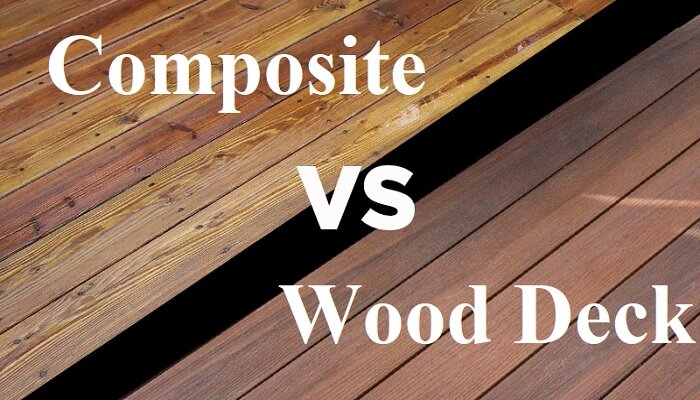
When comparing weight of composite decking vs wood, it’s important to weigh both functional and aesthetic factors. While composite decking tends to be heavier, it offers superior durability, low-maintenance benefits, and resistance to weathering, making it an ideal choice for many homeowners. However, if ease of installation and transportation are your primary concerns, wood decking may be the better choice for your project.
Ultimately, the best decking material for your outdoor space will depend on your specific needs, budget, and the climate in which you live. Whether you choose composite or wood, understanding the weight differences will help you make a more informed decision that suits both your aesthetic desires and structural requirements.
Looking for wholesale composite decking for your project? Welcome to contact Hosung WPC!