A well-designed garden can become an extension of your home, providing a comfortable place to relax, entertain guests, enjoy meals, or simply spend time outdoors. One of the most practical materials for creating an attractive and functional outdoor space is composite decking. Combining a contemporary appearance with durability and relatively low maintenance, composite decking can be used in many different ways beyond a traditional rectangular deck. If you are looking for inspiration, these composite decking garden ideas can help you transform an ordinary outdoor area into a stylish and practical garden. From compact seating areas to multi-level entertaining spaces, composite decking offers plenty of design possibilities for gardens of different sizes and styles.
Table of Contents
Create a Dedicated Outdoor Seating Area
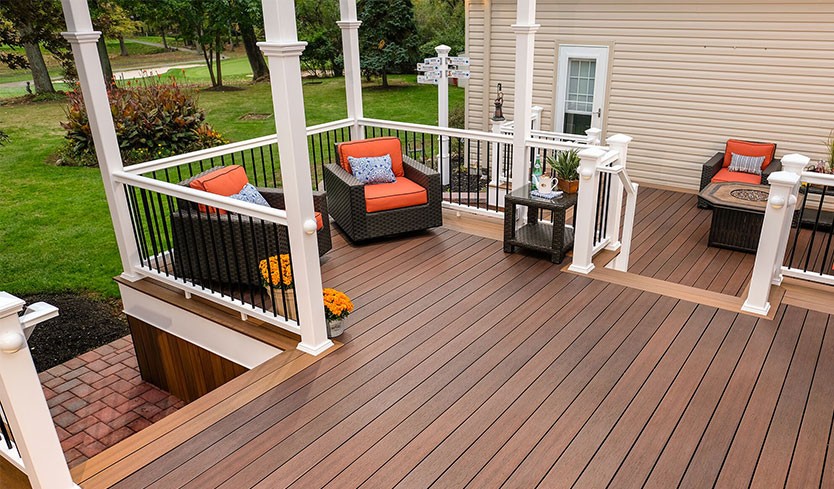
One of the simplest composite decking garden ideas is to create a dedicated seating area. Instead of placing garden furniture directly on grass or soil, install a composite deck as a stable and attractive surface.
A small deck can accommodate two comfortable chairs and a compact table, creating an ideal spot for morning coffee or evening relaxation. Larger gardens can feature a spacious seating area with sofas, armchairs, and an outdoor coffee table.
Choose decking boards in a color that complements your home’s exterior. Grey and charcoal tones can create a modern appearance, while brown and wood-effect finishes can provide a warmer, more traditional atmosphere.
Design a Garden Dining Space
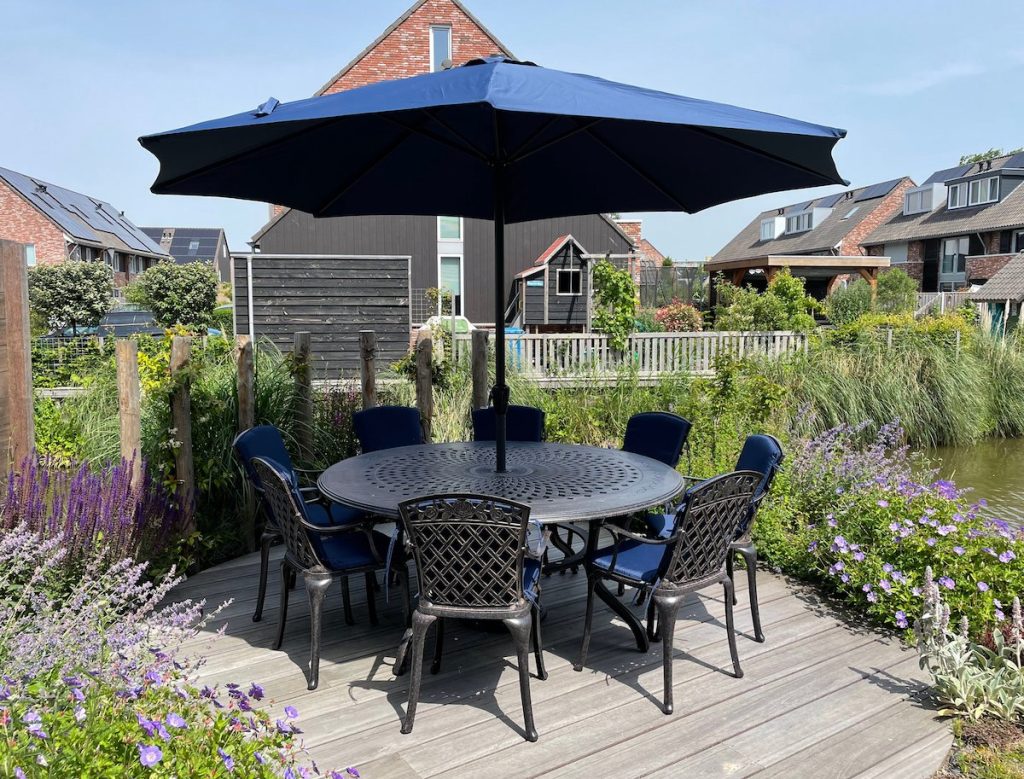
Composite decking is also an excellent foundation for an outdoor dining area. If you enjoy eating outside during warm weather, consider installing a deck large enough for a dining table and several chairs.
Position the dining area close to the kitchen or back door to make serving food easier. You can also add outdoor lighting above the table to create a welcoming atmosphere after sunset.
For larger gardens, consider combining the dining area with an outdoor kitchen or barbecue zone. Composite decking can help visually define the dining space while creating a clean transition between different areas of the garden.
Build a Multi-Level Composite Deck
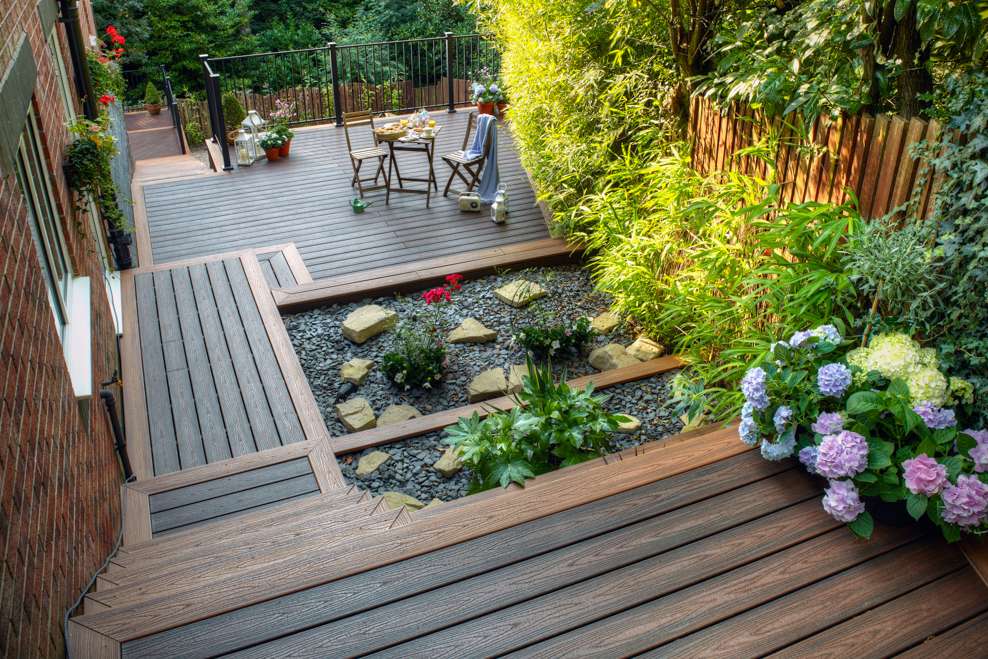
If your garden has different elevations, a multi-level composite deck can turn a difficult landscape into an attractive design feature.
Different levels can serve different purposes. For example, the upper level could contain a dining table, while the lower level could be used as a lounge or relaxation area. Steps between the levels can also create a natural visual connection.
Multi-level decking is particularly effective for sloping gardens because it can make better use of the available space. Rather than trying to create one completely flat surface, the design can follow the natural shape of the garden.
When planning different levels, pay close attention to steps, railings, drainage, and overall safety.
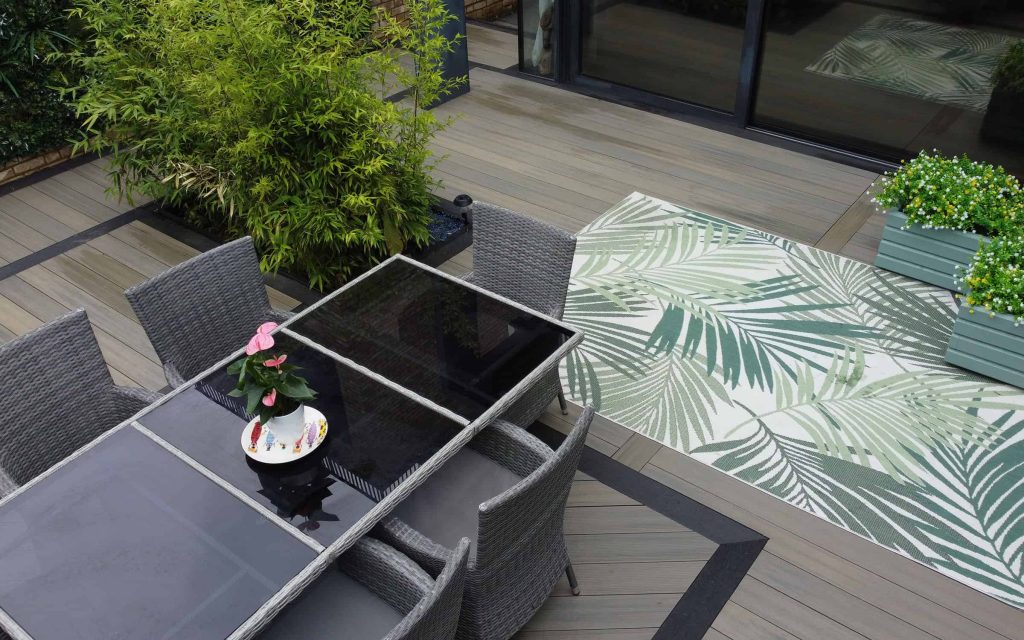
Combine Composite Decking with Grass
Composite decking does not need to cover the entire garden. One of the most attractive approaches is to combine decking with a lawn.
For example, you could install a rectangular composite deck next to a central grass area. The deck can serve as a seating or dining zone, while the lawn provides an open green space for children, pets, or gardening activities.
Another option is to create curved or stepped transitions between the decking and lawn. Although composite decking boards are usually straight, creative layout planning can produce interesting shapes and visual contrasts.
The combination of artificial or natural grass with wood-effect composite decking can create a balanced garden that feels both contemporary and natural.
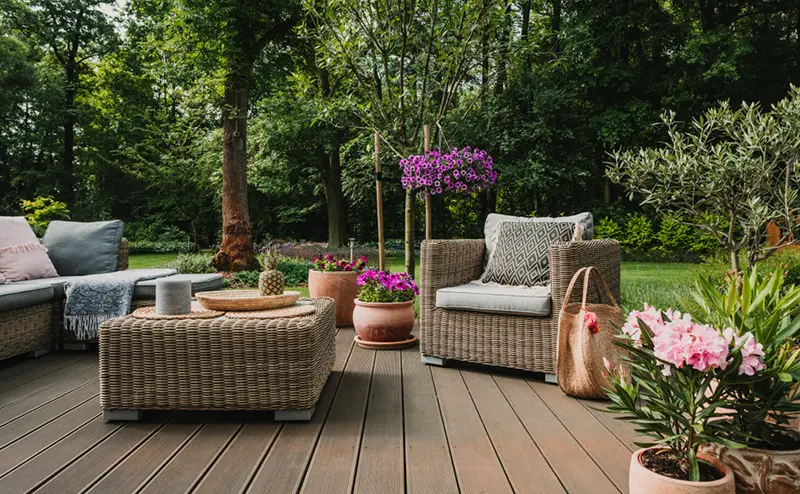
Add a Garden Path with Composite Decking
Composite decking can also be used to create a garden pathway. Instead of using traditional paving stones throughout the garden, decking boards can guide visitors from one area to another.
A composite pathway could connect the house with a garden seating area, greenhouse, shed, or outdoor dining space. It can also be used to create a walkway around a lawn or flower bed.
Using the same decking material throughout different parts of the garden can create a consistent visual theme. For a more distinctive appearance, you can change the direction of the boards or combine different colors.
Create a Small Balcony-Style Garden Deck
Small gardens and narrow outdoor spaces can still benefit from composite decking. In fact, decking can be particularly useful where every square meter needs to be used efficiently.
For a narrow garden, consider installing decking along one end or against the house. Add a compact bench, foldable table, and vertical planters to maximize usable space without making the garden feel crowded.
Light-colored composite decking can also help create a brighter appearance in a small outdoor area. Pairing it with simple furniture and greenery can make the space feel larger and more open.
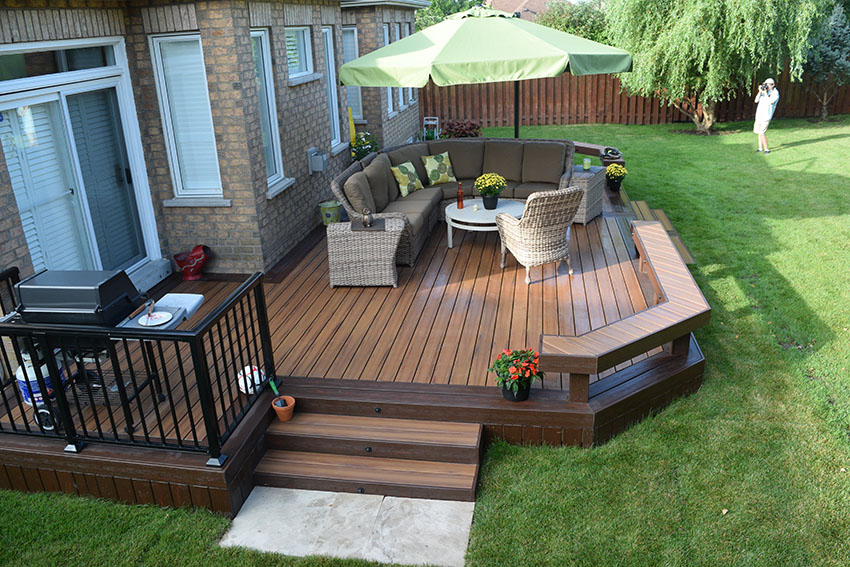
Build a Composite Deck Around a Hot Tub
If you want to create a relaxing garden retreat, consider installing composite decking around a hot tub.
A deck can provide a clean and comfortable surface around the hot tub while creating additional space for outdoor furniture. You could include steps leading up to the hot tub and add privacy screens, plants, or decorative lighting around the area.
Because hot tub areas can experience frequent exposure to water, drainage and installation quality are especially important. Select a suitable composite decking system and make sure the supporting structure is properly designed for the additional weight.
Create a Garden Lounge with Pergola
A pergola can make a composite deck feel more like an outdoor room. Install a pergola over part or all of the decking area and add comfortable outdoor furniture underneath.
You can decorate the structure with climbing plants, hanging lights, curtains, or outdoor blinds. This creates a more private and sheltered environment while adding architectural interest to the garden.
A composite deck with a pergola works particularly well for homeowners who want an outdoor lounge that can be used throughout the day. It can become a quiet reading area during the afternoon and an entertaining space in the evening.
Use Composite Decking Around a Swimming Pool
Composite decking can also be incorporated into poolside garden designs. A deck surrounding a swimming pool can provide a visually consistent surface for loungers, tables, and outdoor accessories.
The decking color can be selected to contrast with the water, creating a striking visual effect. For example, grey decking can provide a contemporary poolside appearance, while warm brown tones can create a more natural resort-style atmosphere.
However, poolside installations require careful attention to drainage, slip resistance, structural support, and local safety requirements. Product specifications should be checked before choosing a particular decking system.
Create a Raised Garden Deck
A raised composite deck can be an effective solution when the garden sits below the level of the house. Instead of stepping directly from the house onto grass, a raised deck can create a smooth transition between indoor and outdoor spaces.
A raised deck can also provide an excellent location for outdoor furniture and entertaining. If the height is significant, appropriate stairs and railings should be incorporated into the design.
The space underneath a raised deck may also provide opportunities for storage, although adequate ventilation and drainage should be considered.
Add Built-In Seating
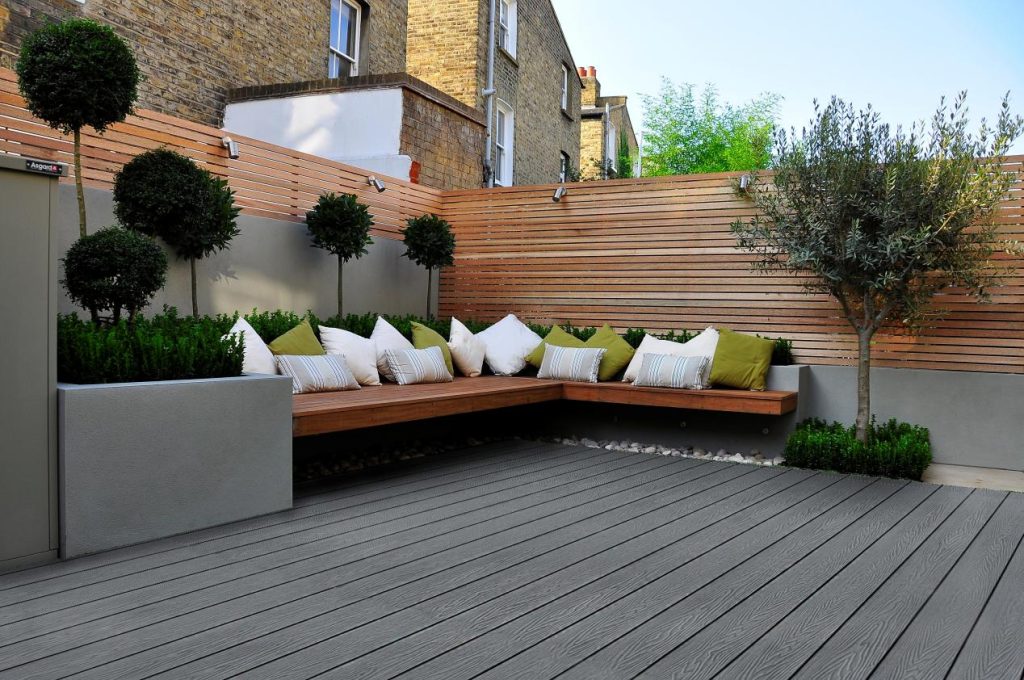
Built-in seating is another practical way to make composite decking more functional. A bench can be integrated into the edge of the deck, helping save floor space while providing comfortable seating.
Built-in benches can be designed in straight, L-shaped, or corner configurations. Add outdoor cushions and storage compartments to make them more versatile.
Matching the seating frame or surrounding details with the composite decking can create a coordinated appearance. This approach works especially well in smaller gardens where separate chairs and sofas may occupy too much space.
Use Composite Decking for a Contemporary Garden
For homeowners who prefer minimalist landscaping, composite decking can be combined with clean lines, simple furniture, ornamental grasses, and architectural plants.
Choose one or two complementary decking colors and avoid excessive decorative elements. Large rectangular planters and simple outdoor furniture can reinforce the modern aesthetic.
Dark grey or charcoal decking can create a sophisticated appearance, while lighter shades can produce a softer and more open environment.
The key is to create visual balance between hard landscaping and greenery. Composite decking should provide structure without overwhelming the natural character of the garden.
Combine Decking with Flower Beds and Planters
Plants can soften the appearance of composite decking and make the outdoor area feel more natural. Consider placing flower beds around the edges of the deck or using large planters directly on the decking.
Raised planters can also be incorporated into the deck design. This creates different levels and adds visual interest without requiring major structural changes.
For a low-maintenance garden, choose plants that suit the local climate and the amount of sunlight available. Evergreen plants can provide year-round structure, while seasonal flowers can add changing colors throughout the year.
Add Garden Lighting
Good lighting can significantly improve the appearance and usability of a composite deck after dark. Recessed deck lights can be installed along steps, edges, or walking areas, while wall lights can illuminate the surrounding garden.
String lights and lanterns can create a softer atmosphere for entertaining. Solar-powered garden lights may also be suitable for decorative purposes where electrical installation is inconvenient.
Lighting should serve both practical and aesthetic purposes. Avoid excessive brightness and focus on creating a comfortable, layered environment.
Design a Family-Friendly Garden Deck
For families, the garden should be attractive while remaining practical for everyday use. Composite decking can provide a relatively stable outdoor surface for garden furniture, play areas, and family activities.
Create clear zones for different purposes. One section can be used for dining, another for relaxing, and a separate area can remain open for children to play.
Rounded furniture edges, appropriate barriers, and carefully designed steps can help improve safety. Always follow local requirements when installing elevated decking, railings, or other structures.
Choose the Right Composite Decking for Your Garden
Before putting any of these composite decking garden ideas into practice, it is important to choose the right decking product.
Consider the following factors:
- Color and finish: Select a style that complements your house and garden.
- Durability: Look for decking designed to withstand outdoor weather conditions.
- Moisture resistance: Outdoor decking should be suitable for exposure to rain and humidity.
- Maintenance requirements: Compare cleaning and care requirements before making a decision.
- Surface performance: Consider slip resistance and comfort when choosing decking.
- Installation system: Check board dimensions, clips, joists, and other installation components.
- Warranty: Review the manufacturer’s warranty and product specifications.
- Environmental considerations: If sustainability is important, investigate the recycled content and manufacturing process of the decking.
Choosing the right material at the beginning can help ensure that the finished garden remains attractive and functional for years.
Plan the Layout Before Installation
A successful garden deck starts with careful planning. Measure the available space and consider how people will move between the house, deck, lawn, and other garden features.
Think about the position of the sun, prevailing weather, privacy, drainage, and access to the garden. Furniture dimensions should also be considered before determining the final deck size.
It is useful to mark the proposed deck area before construction. This allows you to evaluate whether the space is large enough for your intended furniture and activities.
You should also check local planning or building requirements, particularly for raised decking, balconies, railings, or structures above certain heights.

Conclusion
These composite decking garden ideas demonstrate how versatile composite decking can be in modern outdoor landscaping. It can be used for seating areas, dining spaces, garden paths, pool surrounds, hot tub zones, multi-level gardens, pergola lounges, and family-friendly outdoor spaces.
The best garden design is not necessarily the largest or most complicated one. Instead, it should match the available space, lifestyle, maintenance expectations, and architectural style of the property. By combining composite decking with grass, plants, lighting, furniture, and other landscaping features, you can create an outdoor environment that is both attractive and practical.
Whether you have a compact urban garden or a large landscaped property, thoughtful planning and the right composite decking can help turn an ordinary outdoor area into a comfortable space for relaxing, dining, entertaining, and enjoying nature throughout the year.