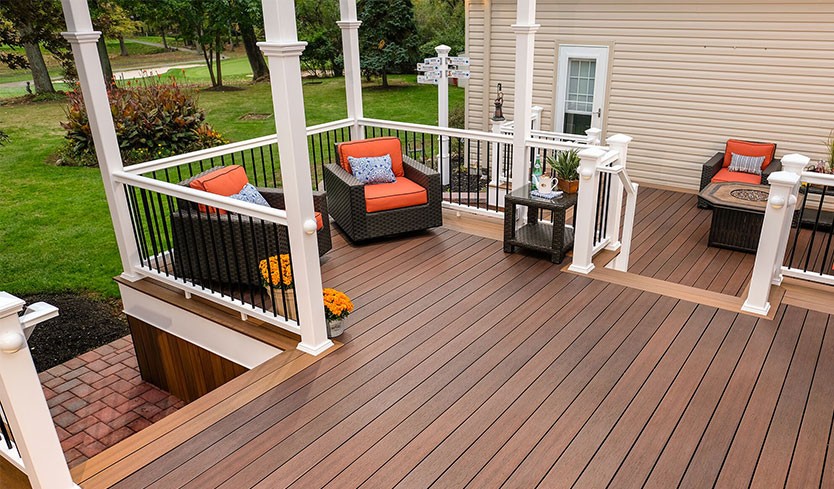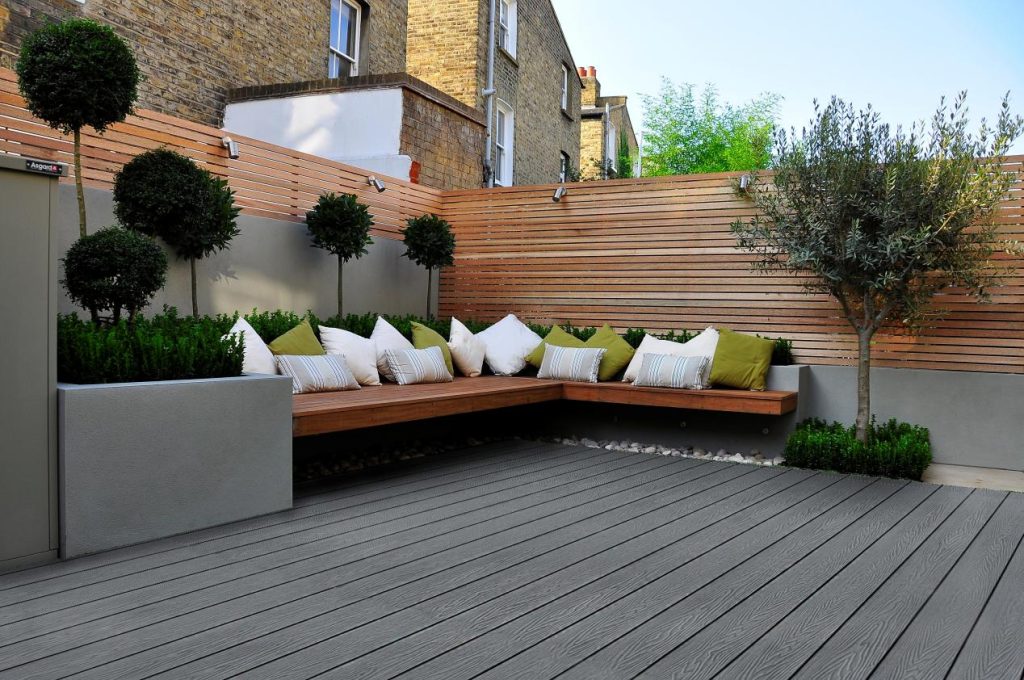
Dark grey composite decking has become one of the most demanded surface solutions in modern outdoor construction due to its balance of aesthetic neutrality, structural performance, and long-term durability. From a manufacturing perspective, dark grey composite decking represents a highly engineered product category that combines recycled polymer matrices with natural wood fibers and advanced additive systems to achieve stability, weather resistance, and consistent coloration. Unlike traditional timber decking, dark grey composite decking is designed to minimize maintenance requirements while maximizing lifespan under varying environmental conditions. As outdoor architecture trends shift toward minimalist and industrial-inspired design languages, dark grey composite decking has established itself as a preferred material for residential, commercial, and public landscape projects. From a production standpoint, achieving consistent quality in dark grey composite decking requires strict control over raw material selection, extrusion parameters, pigment dispersion, and surface finishing technologies. This article provides a comprehensive overview from a manufacturer’s perspective, covering materials, production processes, performance characteristics, installation considerations, and market applications.
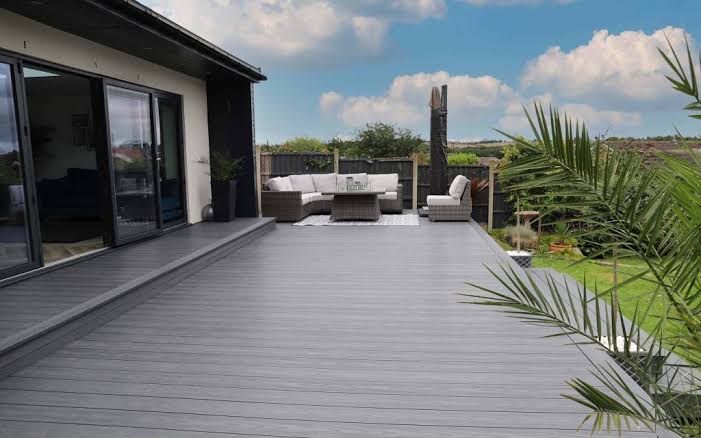
Table of Contents
Manufacturing Composition and Material Engineering
The performance of dark grey composite decking is directly determined by its material formulation. Typically, the product is composed of the following key components:
1. Wood Fiber Reinforcement
Wood fibers provide structural integrity and natural aesthetic characteristics. In dark grey composite decking, finely processed hardwood or softwood fibers are used, usually treated to reduce moisture absorption and improve bonding compatibility with polymers.
2. High-Density Polyethylene (HDPE) or Polypropylene (PP)
Thermoplastic polymers serve as the binding matrix. These materials ensure flexibility, impact resistance, and resistance to biological degradation. In dark grey composite decking, polymer quality significantly influences dimensional stability and thermal expansion behavior.
3. Functional Additives
Manufacturers incorporate stabilizers, UV inhibitors, anti-oxidation agents, and coupling agents to improve long-term performance. These additives ensure that dark grey composite decking maintains color stability and structural integrity under prolonged sun exposure.
4. Pigment Systems
The dark grey coloration is achieved through carefully engineered inorganic and organic pigment blends. High-performance carbon black and mineral-based grey pigments are commonly used to ensure fade resistance and uniform coloration throughout the extrusion process.
The synergy between these components determines the mechanical strength, moisture resistance, and surface durability of dark grey composite decking.
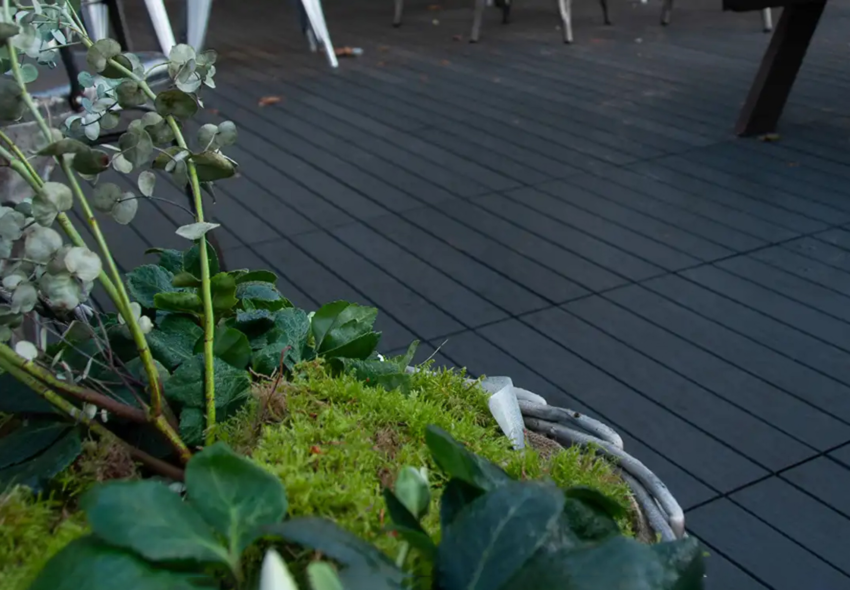
Production Process Overview
From a factory standpoint, producing dark grey composite decking involves multiple precision-controlled stages:
Raw Material Preparation
Wood fibers are dried to a controlled moisture content, typically below 2–3%, to ensure optimal bonding with polymers. Simultaneously, polymer pellets and additives are pre-mixed to achieve uniform dispersion.
Compounding and Mixing
A high-torque extruder blends wood fibers, polymers, and additives under controlled temperature conditions. This stage is critical for ensuring the homogeneity of dark grey composite decking materials.
Extrusion Molding
The compounded material is fed into an extrusion line where it is shaped into decking profiles. Temperature control and screw speed calibration are essential to ensure dimensional accuracy and surface consistency.
Surface Treatment
To enhance slip resistance and visual appeal, dark grey composite decking boards undergo embossing, brushing, or co-extrusion coating processes. Co-extruded surfaces are particularly effective in improving scratch resistance and stain protection.
Cooling and Calibration
Boards are cooled through water baths or air cooling systems and then calibrated to ensure precise dimensional tolerances.
Cutting and Quality Inspection
Each batch of dark grey composite decking undergoes strict quality testing, including flexural strength, water absorption rate, UV resistance, and load-bearing capacity evaluations.
Types of Dark Grey Composite Decking
From a manufacturing and product development perspective, dark grey composite decking can be classified into several categories based on core structure, surface technology, and functional performance. Each type of dark grey composite decking is engineered to meet different application requirements, environmental conditions, and budget levels, while maintaining the same aesthetic consistency in the dark grey color system.
1. Solid Core Dark Grey Composite Decking
Solid core boards are manufactured with a fully dense internal structure, without internal voids. This type of dark grey composite decking offers superior load-bearing capacity and impact resistance, making it suitable for high-traffic commercial areas such as public walkways, plazas, and resort decks. The dense structure also enhances screw-holding strength and reduces deformation risk under long-term load. However, solid boards are relatively heavier, which may increase transportation and installation costs.
2. Hollow Core Dark Grey Composite Decking
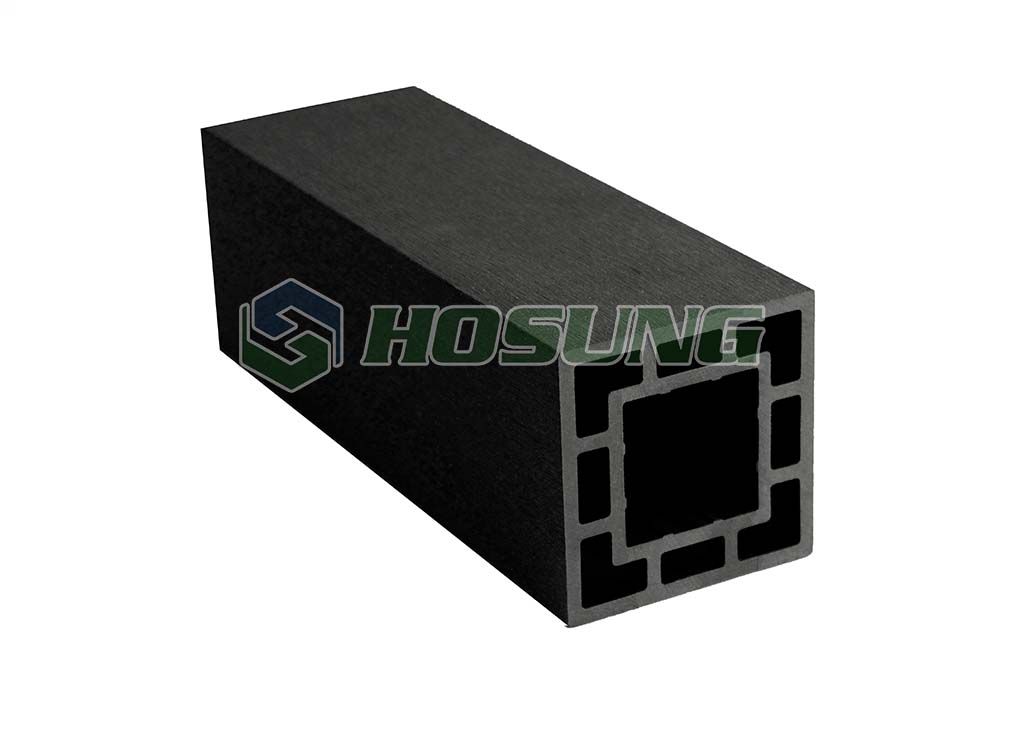
Hollow core designs reduce material usage by incorporating internal chambers within the board structure. This type of dark grey composite decking is lighter and easier to handle, making it widely used in residential patios, balconies, and DIY decking projects. While it provides slightly lower structural strength compared to solid boards, modern engineering designs with optimized rib structures ensure sufficient durability for standard residential applications.
3. Co-Extruded (Capped) Dark Grey Composite Decking
Co-extruded dark grey composite decking features a protective polymer shell encapsulating the core material. This outer layer significantly improves resistance to stains, scratches, UV radiation, and moisture penetration. As a result, the color stability of dark grey composite decking is greatly enhanced, maintaining a consistent appearance even after years of outdoor exposure. This type is often considered premium-grade due to its extended service life and reduced maintenance requirements.
4. Embossed Surface Dark Grey Composite Decking
Embossed decking is produced by pressing wood grain textures onto the surface during the cooling stage. This enhances the natural wood-like appearance while improving slip resistance. Embossed dark grey composite decking is particularly suitable for poolside areas, garden pathways, and outdoor staircases where safety and aesthetics are equally important.
5. Sanded or Brushed Finish Dark Grey Composite Decking
This category features a refined surface treatment that produces a smoother tactile feel. It is commonly used in modern architectural projects where minimalist design and clean surface aesthetics are required.
Together, these variations of dark grey composite decking allow manufacturers to meet diverse engineering, design, and market demands while maintaining consistent performance standards.
Key Performance Advantages
Dark grey composite decking offers a range of engineering and functional advantages that make it suitable for demanding outdoor environments.
Weather Resistance
One of the primary benefits of dark grey composite decking is its resistance to moisture, UV radiation, and temperature fluctuations. Unlike natural wood, it does not warp, crack, or rot under prolonged exposure.
Dimensional Stability
Thanks to its polymer matrix, dark grey composite decking exhibits low thermal expansion and contraction rates, ensuring stable installation performance across seasonal changes.
Low Maintenance Requirements
Routine maintenance is minimal, typically requiring only periodic cleaning with water and mild detergent. This significantly reduces lifecycle costs.
Anti-Slip Performance
Embossed surface textures improve traction, making dark grey composite decking suitable for poolside, garden, and commercial walkways.
Pest and Mold Resistance
The synthetic composition prevents termite damage, fungal growth, and microbial degradation, which are common issues in natural wood materials.
Application Scenarios
Dark grey composite decking is widely used across various architectural and landscaping applications:
Residential Outdoor Spaces
Homeowners use dark grey composite decking for patios, balconies, rooftop terraces, and garden pathways. Its neutral tone integrates well with modern architectural styles.
Commercial Landscapes
Hotels, resorts, restaurants, and retail environments frequently adopt dark grey composite decking for outdoor seating areas and walkways due to its durability and aesthetic consistency.
Public Infrastructure
Parks, boardwalks, and recreational areas benefit from the material’s high load-bearing capacity and slip resistance.
Waterfront and Pool Areas
Due to its moisture resistance, dark grey composite decking is suitable for docks, swimming pool surrounds, and coastal boardwalks.
Installation Guidelines from a Manufacturing Perspective
Proper installation is essential to maximize the performance of dark grey composite decking.
Substructure Requirements
A stable subframe made of aluminum or treated steel is recommended. Adequate spacing between joists ensures structural integrity.
Expansion Gaps
Thermal expansion must be considered during installation. Controlled spacing between boards prevents buckling or deformation.
Fastening Systems
Hidden clip systems are commonly used to achieve a seamless surface appearance while maintaining structural stability.
Drainage Considerations
Proper slope and drainage systems must be integrated to prevent water accumulation beneath dark grey composite decking installations.
Maintenance and Lifecycle Management
Although dark grey composite decking is designed for low maintenance, proper care extends its service life.
Routine Cleaning
Periodic washing removes surface dust, organic debris, and environmental pollutants.
Stain Management
Oil-based stains should be cleaned promptly using mild cleaning agents to prevent surface absorption.
Seasonal Inspection
Structural inspections help ensure fastening systems remain secure and that boards maintain alignment.
Comparison with Traditional Wood Decking
When compared to natural timber, dark grey composite decking offers several technical advantages:
- Higher resistance to moisture and decay
- Lower long-term maintenance costs
- Greater dimensional stability
- Consistent coloration without repainting
- Longer service life under outdoor exposure
However, it is important to note that composite materials have slightly higher initial manufacturing complexity and cost due to advanced processing technologies.
Design Trends and Market Demand
Modern architectural trends have significantly influenced the rising demand for dark grey composite decking. The color grey aligns with contemporary design principles such as minimalism, industrial aesthetics, and natural-material integration.
Key market drivers include:
- Growth in outdoor living space construction
- Increasing demand for low-maintenance building materials
- Expansion of eco-friendly construction practices
- Rising preference for neutral color palettes
Dark grey composite decking is particularly favored in high-end residential developments and commercial landscape projects where visual uniformity and long-term performance are critical.
Sustainability and Environmental Considerations
From a manufacturing standpoint, sustainability plays a central role in the production of dark grey composite decking.
Recycled Material Usage
Many formulations incorporate recycled wood fibers and recycled plastics, reducing environmental impact.
Reduced Deforestation Pressure
By replacing natural timber, dark grey composite decking contributes to forest conservation efforts.
Long Service Life
Extended lifespan reduces material replacement frequency and overall resource consumption.
Low VOC Emissions
Modern production processes ensure low volatile organic compound emissions, improving environmental compliance.
Technical Performance Metrics
Typical performance benchmarks for high-quality dark grey composite decking include:
- Flexural strength: High load-bearing capacity suitable for residential and commercial use
- Water absorption: Extremely low absorption rate
- UV resistance: Enhanced pigment stability under prolonged sunlight exposure
- Thermal expansion: Controlled dimensional movement under temperature variation
- Slip resistance: Engineered surface textures for safety compliance
These parameters ensure consistent reliability across different environmental conditions.
Cost Efficiency Analysis
While initial material costs for dark grey composite decking may be higher than basic wood options, lifecycle cost analysis demonstrates significant long-term savings.
Cost factors include:
- Reduced maintenance labor
- Elimination of painting or sealing
- Lower replacement frequency
- Improved durability under harsh environments
Over time, dark grey composite decking delivers a more economical solution for large-scale outdoor installations.
Future Development Trends
The future of dark grey composite decking is expected to focus on:
- Enhanced co-extrusion surface technologies
- Improved recycled content ratios
- Advanced anti-fading pigment systems
- Greater customization in texture and dimensions
- Smart manufacturing automation for quality consistency
These innovations will further strengthen its position in global outdoor building material markets.
Conclusion
Dark grey composite decking represents a technologically advanced solution for modern outdoor construction, combining aesthetic versatility with high-performance engineering. Its durability, low maintenance requirements, and environmental benefits make it a preferred choice for a wide range of applications from residential gardens to commercial landscapes.
From a manufacturing perspective, continuous innovation in material science and production technology ensures that dark grey composite decking will remain a dominant product category in the outdoor building materials industry. Want to get more about dark grey composite decking? Contact Hosung WPC!