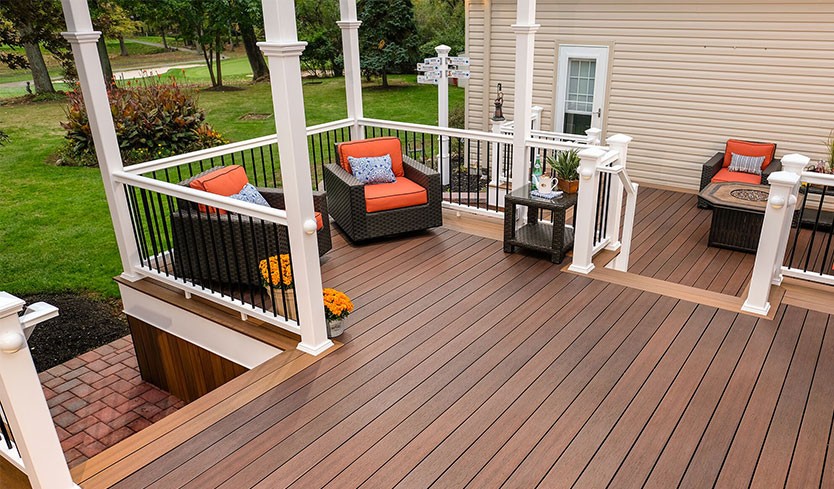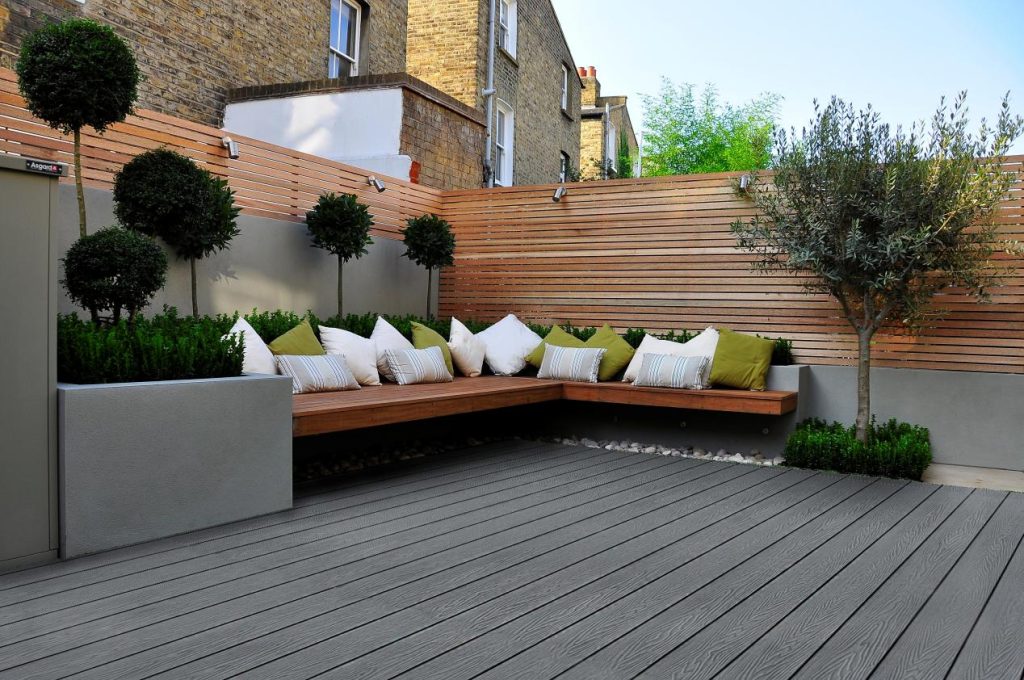
In recent years, composite decking for commercial use has gained immense popularity among architects, contractors, and business owners looking for durable and low-maintenance outdoor flooring solutions. Unlike traditional wood decking, composite materials combine wood fibers and recycled plastics to create a versatile and long-lasting alternative that can withstand heavy foot traffic, harsh weather, and demanding commercial environments. Whether for public spaces, office buildings, restaurants, or shopping centers, choosing the right type of composite decking can make a significant difference in terms of durability, aesthetics, and long-term maintenance costs.
Table of Contents
In this article, Hosung WPC will explore the main types of composite decking for commercial use, their unique features, advantages, and applications. Understanding these options will help businesses make informed decisions and select the most suitable decking solution for their commercial projects.
Why Choose Composite Decking for Commercial Use?
Before diving into the types, it is important to understand why composite decking for commercial use is preferred over traditional materials. The reasons are numerous:
Durability and Longevity
Composite decking is resistant to rot, mold, and insect damage. Unlike natural wood, it does not warp, split, or crack over time, making it ideal for high-traffic commercial areas.Low Maintenance
Businesses often seek materials that require minimal upkeep. Composite decking only needs occasional cleaning with water and mild detergent, saving time and cost for maintenance teams.Slip-Resistance
Many composite decking products feature textured surfaces or anti-slip coatings, ensuring safety in areas prone to moisture or heavy foot traffic, such as outdoor restaurants, public parks, or poolside decks.Eco-Friendly Materials
Most composite decks are made from recycled plastics and sustainably sourced wood fibers. This eco-conscious production makes them an attractive choice for businesses aiming to achieve green building certifications.Aesthetic Flexibility
Composite decking is available in a wide range of colors, finishes, and textures. Businesses can achieve the desired look—whether modern, rustic, or traditional—without compromising durability.
Types of Composite Decking for Commercial Use
1. Wood-Plastic Composite (WPC) Decking
Wood-Plastic Composite (WPC) decking is the most widely used type of composite decking for commercial use. It blends natural wood fibers with thermoplastics, usually polyethylene, polypropylene, or PVC. WPC decking offers the visual appeal of wood while enhancing its durability.
Key Features of WPC Decking:
Wood-like appearance: Available in various grains and colors that mimic natural wood.
Durability: Resistant to rot, decay, and insect damage.
Low maintenance: No need for painting, staining, or sealing.
Weather resistance: Suitable for outdoor commercial environments with heavy rain, sun exposure, or snow.
Applications in Commercial Use:
Outdoor dining areas in restaurants or cafes.
Public parks and boardwalks.
Hotel terraces and rooftop decks.
Poolside walkways and commercial leisure facilities.
Advantages for Commercial Projects:
High strength and stability make it suitable for high-traffic areas.
Available in long boards to reduce visible seams and enhance aesthetics.
Can be installed over uneven surfaces, providing flexibility for various site conditions.
2. Capped Composite Decking
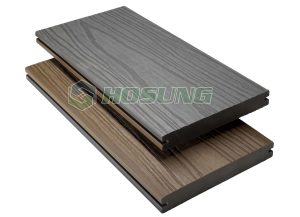
Capped composite decking is a premium type of composite decking for commercial use, featuring a protective outer layer or “cap” that enhances durability and appearance. This cap is typically made of polymer and surrounds the core material to protect it from moisture, UV rays, and stains.
Key Features of Capped Composite Decking:
Enhanced UV resistance: Minimizes fading in outdoor commercial environments.
Stain and scratch resistance: Ideal for areas prone to spills or furniture movement.
Low maintenance: Easier to clean than traditional WPC or wood decking.
Variety of finishes: Smooth, embossed, or wood-grain textures available.
Applications in Commercial Use:
Outdoor seating areas in hotels, resorts, or restaurants.
Pool decks in public recreational facilities.
Corporate terraces and public promenades.
High-traffic pedestrian walkways in urban areas.
Advantages for Commercial Projects:
Longer lifespan than traditional WPC decking due to the protective cap.
Suitable for heavy-duty commercial environments.
Can withstand exposure to food, beverages, and cleaning chemicals without surface damage.
PVC composite decking is made entirely from polyvinyl chloride, offering a fully synthetic option with exceptional resistance to moisture, insects, and chemicals. This type is especially suited for commercial environments requiring extreme durability.
Key Features of PVC Decking:
100% synthetic material: No wood fibers, making it highly resistant to moisture and decay.
Lightweight yet strong: Easy to handle during installation.
Highly resistant to staining and fading: Perfect for areas exposed to the sun or frequent spills.
Variety of colors and finishes: Can be customized to suit commercial branding or design themes.
Applications in Commercial Use:
Marine and waterfront facilities.
Hospitals or healthcare facilities requiring hygienic surfaces.
Outdoor kitchens or bars in hospitality sectors.
Theme parks and playgrounds.
Advantages for Commercial Projects:
Extremely low maintenance compared to wood or WPC decking.
Does not absorb water, making it ideal for wet or humid environments.
Resistant to graffiti and surface markings, which is beneficial for public commercial spaces.
4. Hollow vs. Solid Composite Decking
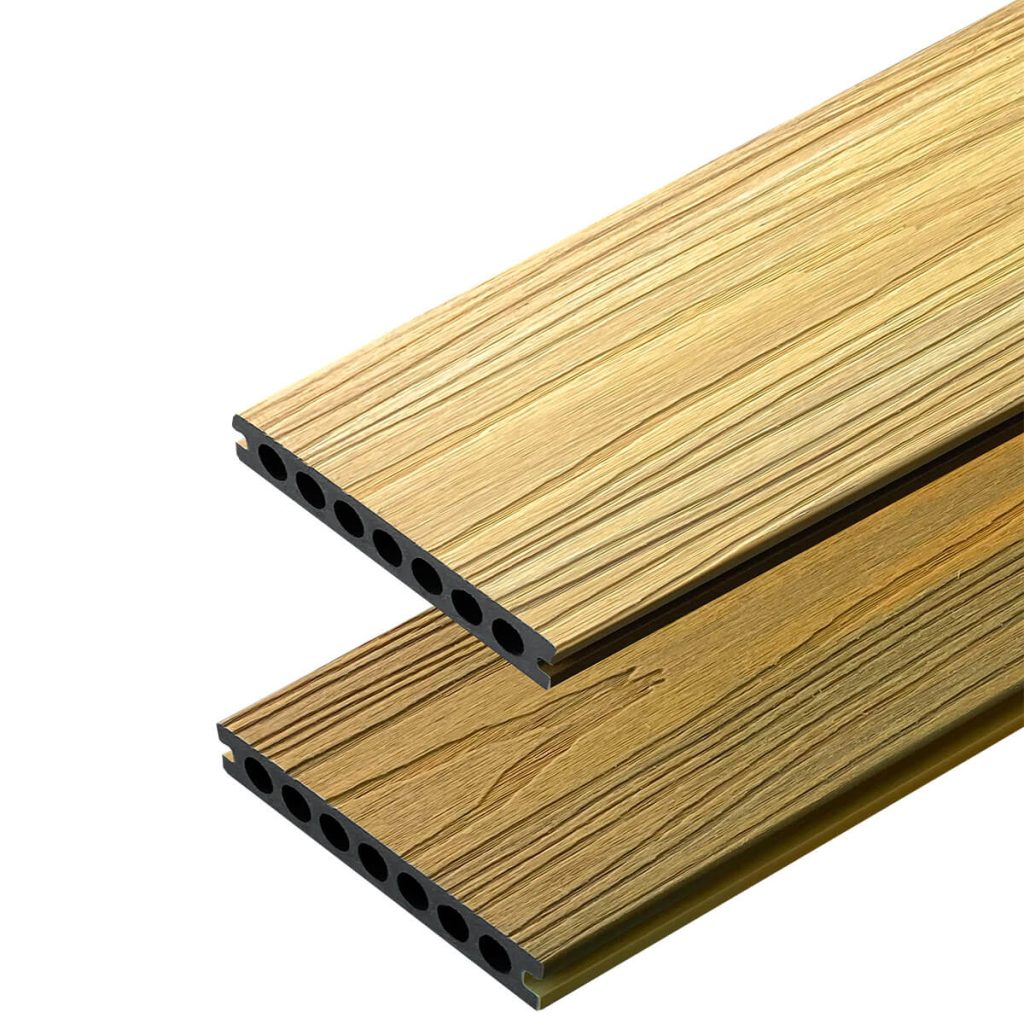
Another important distinction in composite decking for commercial use is between hollow and solid boards. Each has unique characteristics suited for specific commercial applications.
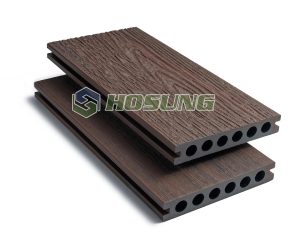
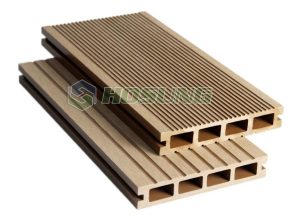
Hollow Composite Decking
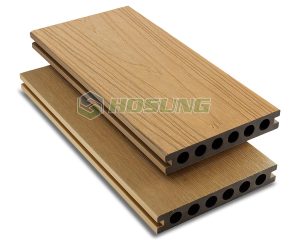
Lightweight and cost-effective: Easier to transport and install.
Good drainage: The hollow channels allow water to drain easily.
Applications: Balconies, terraces, pedestrian bridges, and temporary commercial installations.
Considerations: Not as strong as solid boards; may not be suitable for extremely high-traffic areas.
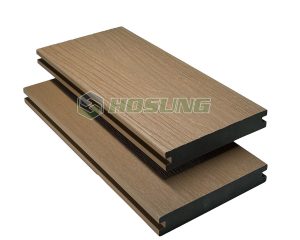
Solid Composite Decking
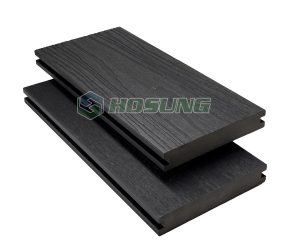
Heavy-duty and strong: Can withstand heavy foot traffic and commercial equipment.
Excellent impact resistance: Suitable for areas prone to furniture movement or high wear.
Applications: Public plazas, hotel patios, outdoor restaurants, and commercial walkways.
Considerations: Slightly higher cost and weight but significantly longer lifespan.
5. Bamboo Composite Decking
For businesses seeking sustainable and unique design options, bamboo composite decking is an attractive choice. It combines bamboo fibers with recycled plastics to produce a natural yet durable decking solution.
Key Features of Bamboo Composite Decking:
Eco-friendly: Bamboo is a rapidly renewable resource.
Durable and weather-resistant: Suitable for outdoor commercial use.
Unique aesthetics: Offers a natural wood-like texture with a lighter hue.
Applications in Commercial Use:
Eco-resorts and wellness centers.
Outdoor event spaces.
Cafés and restaurants with sustainable design themes.
Advantages for Commercial Projects:
Promotes sustainable and green business practices.
Lightweight yet strong enough for moderate commercial foot traffic.
Resistant to insects, mold, and water damage.
6. Aluminum-Composite Decking
Aluminum-composite decking is a premium choice for commercial projects requiring extreme durability, minimal maintenance, and modern aesthetics. While less common than wood-plastic composites, it is ideal for certain commercial environments.
Key Features of Aluminum-Composite Decking:
Fire-resistant: Safe for commercial areas with strict fire safety requirements.
Extremely durable: Resistant to corrosion, impact, and heavy traffic.
Low maintenance: Does not require staining, sealing, or painting.
Modern look: Available in sleek metallic finishes.
Applications in Commercial Use:
Rooftop terraces and outdoor office areas.
Shopping centers and commercial plazas.
Public transport facilities such as train stations or airports.
Coastal or marine environments where saltwater corrosion is a concern.
Advantages for Commercial Projects:
Longevity and safety make it ideal for high-profile commercial applications.
Minimal maintenance reduces long-term costs.
Can be combined with lighting systems and other design features for aesthetic appeal.
Factors to Consider When Choosing Composite Decking for Commercial Use
Selecting the right composite decking for commercial use involves more than just picking a material. Business owners and architects must consider several factors:
Traffic Load: High-traffic areas like shopping centers require solid or capped composite decking for maximum durability.
Weather Conditions: Areas with heavy rainfall, snow, or sun exposure benefit from capped or PVC decking for added weather resistance.
Maintenance Capacity: For commercial projects with limited maintenance resources, PVC or capped decking is ideal.
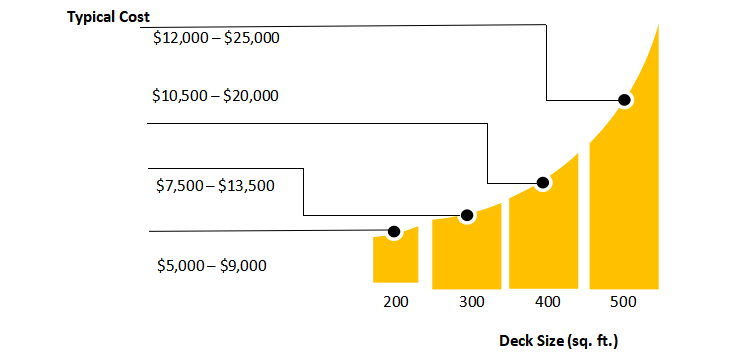
Budget Constraints: Hollow WPC boards are cost-effective for large areas but may not last as long as solid boards.
Aesthetic Preferences: The choice of color, texture, and finish should align with the brand image and commercial environment.
Safety Requirements: Anti-slip surfaces are crucial for pool decks, public walkways, and outdoor dining areas.
Installation Considerations for Commercial Composite Decking
Proper installation is key to maximizing the lifespan of composite decking for commercial use:
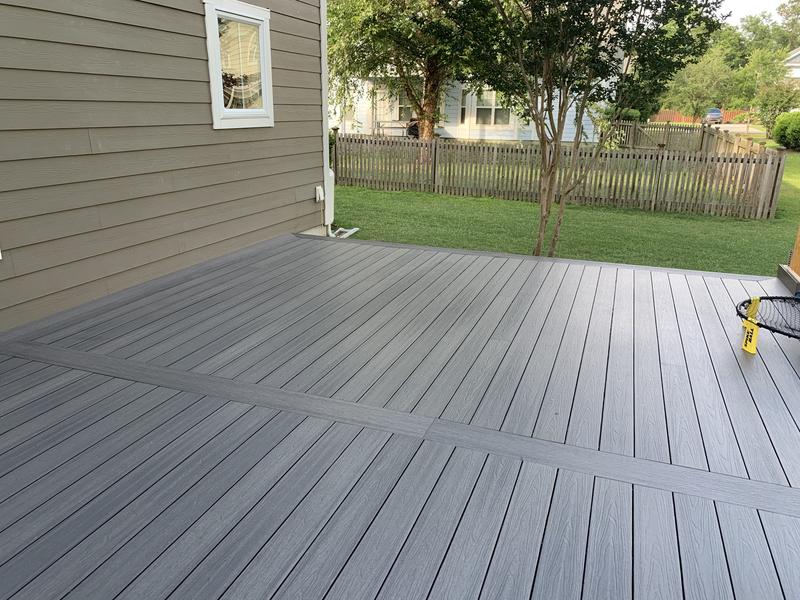
Substructure: Use corrosion-resistant fasteners and a strong supporting frame to prevent sagging and ensure stability.
Spacing: Maintain recommended gaps between boards for expansion, drainage, and ventilation.
Edge Finishing: Install trims and fascia boards to create a professional look and prevent moisture accumulation.
Regular Inspections: Even low-maintenance decking benefits from periodic inspections to ensure safety and durability.
Conclusion
Choosing the right type of composite decking for commercial use can significantly impact the longevity, aesthetics, and safety of a commercial outdoor space. From the versatile WPC and capped decking to specialized PVC, bamboo, and aluminum options, each type offers unique benefits tailored to different environments and project requirements.
By understanding the main types of composite decking and considering factors such as traffic, climate, maintenance, budget, and aesthetics, businesses can make informed decisions that enhance both functionality and appearance. Ultimately, investing in high-quality composite decking ensures a sustainable, durable, and visually appealing commercial space that will serve customers and visitors for years to come.
Whether you are designing a hotel terrace, a public boardwalk, or a commercial plaza, composite decking provides a reliable, low-maintenance, and environmentally friendly solution. By selecting the right type, businesses can create inviting and safe outdoor environments that reflect professionalism and long-term vision.
Feel free to contact Hosung WPC to get price of 3m long composite decking boards.