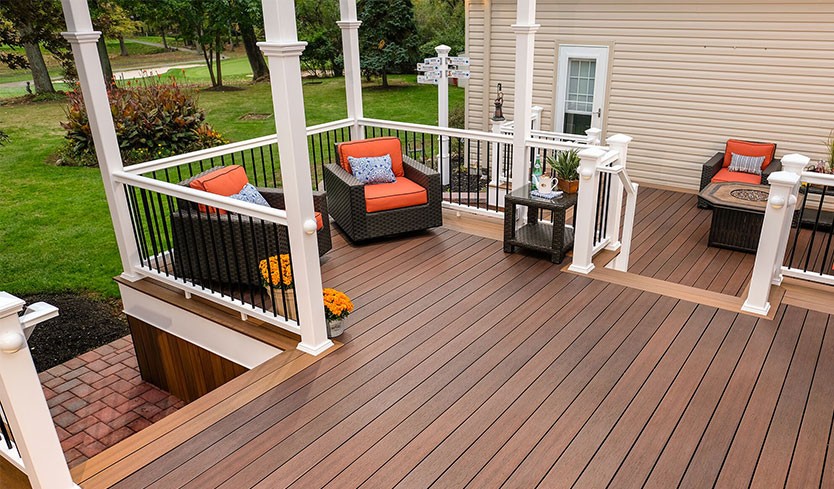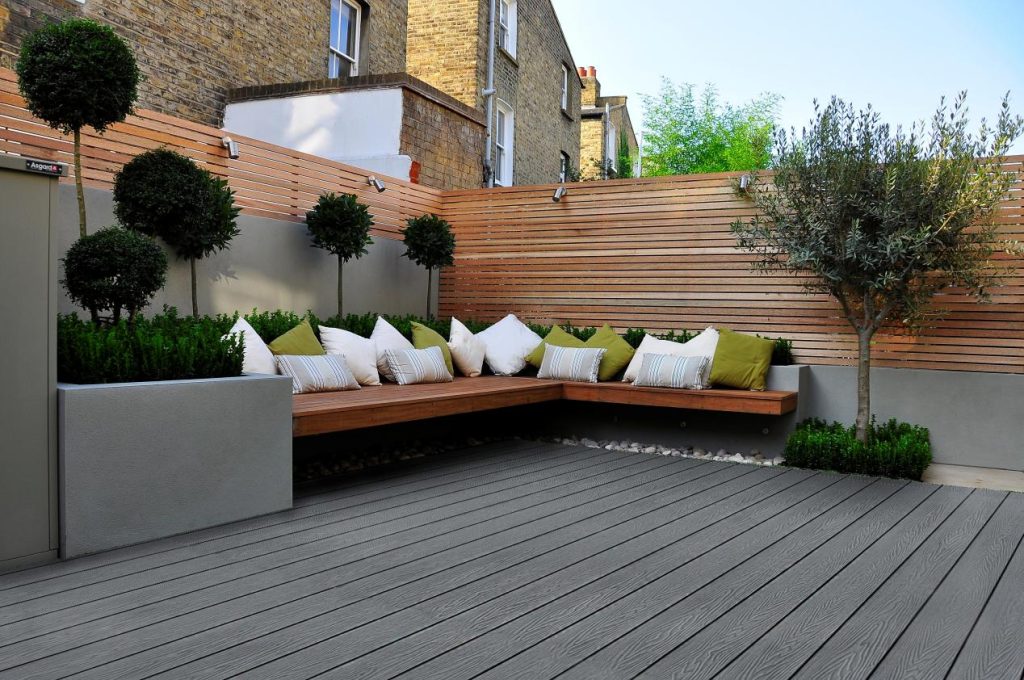
When it comes to creating an outdoor living space, choosing the right decking material is essential for durability, aesthetics, and maintenance. Outdoor composite decking is one of the most popular options due to its low-maintenance nature and impressive durability. In this guide, we will explore the various types of outdoor composite decking, highlighting their features, benefits, and ideal applications. Whether you’re a homeowner looking to upgrade your backyard or a contractor searching for the best decking solution, understanding the types of outdoor composite decking will help you make an informed decision.
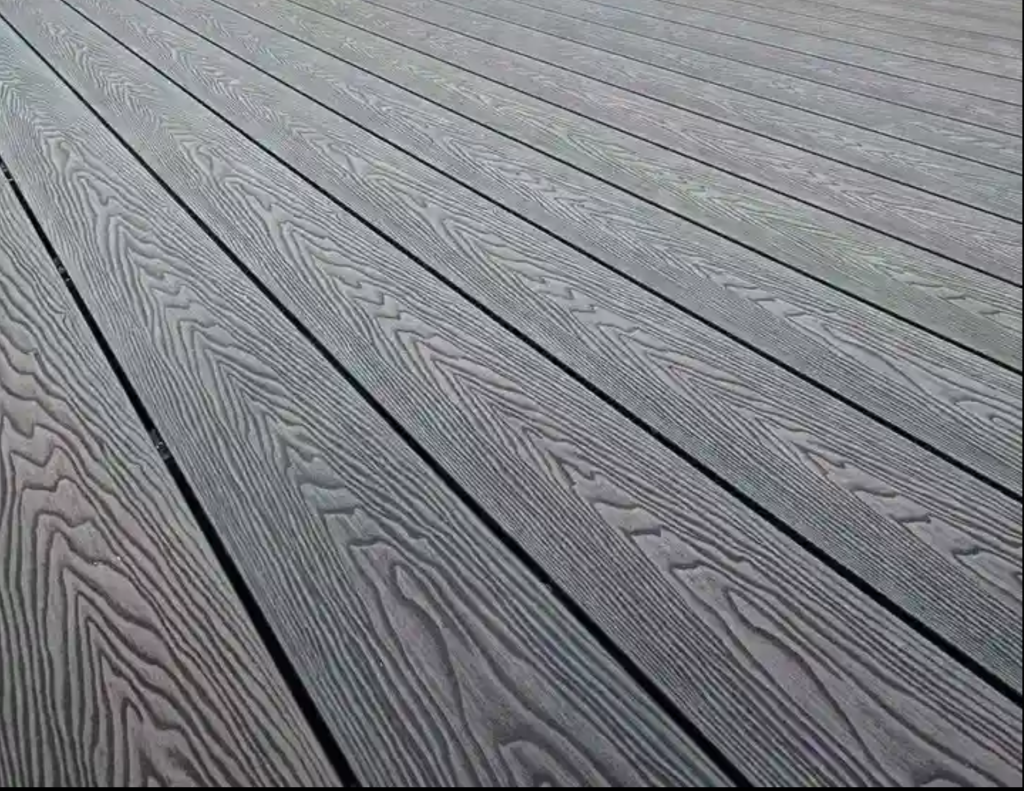
Table of Contents
Outdoor Composite Decking
Outdoor composite decking is a man-made material composed of a combination of wood fibers, plastic, and other materials like resins and fillers. The combination of these materials creates a product that mimics the natural look of wood while offering superior resistance to the elements, such as moisture, rot, and insects.
Unlike traditional wood decking, outdoor composite decking doesn’t require regular staining or sealing. This makes it an attractive option for people who want a beautiful, long-lasting deck without the constant upkeep of traditional wood.
Types of Outdoor Composite Decking
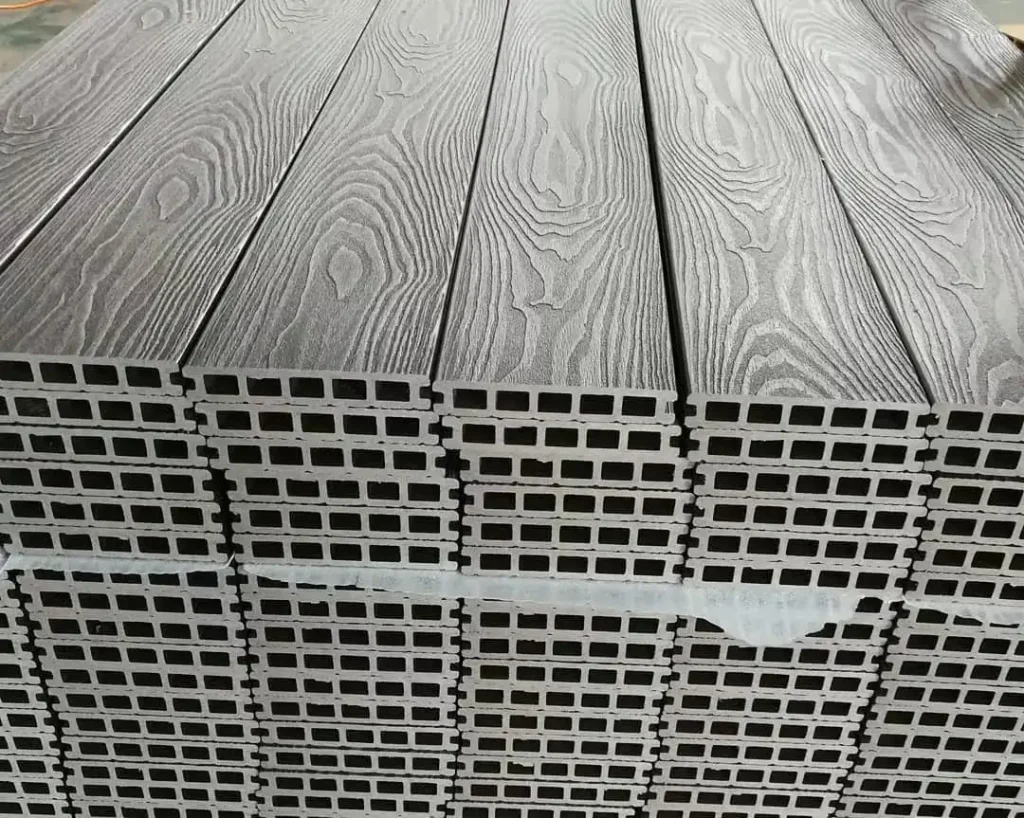
Outdoor composite decking comes in various styles, colors, and designs. The key differences between the different types usually lie in the construction, materials used, and performance characteristics. Let’s take a closer look at the main types of outdoor composite decking:
1. Capped Composite Decking
Capped composite decking is one of the most popular types of outdoor composite decking. It is made by combining wood fibers and plastic, with an outer layer (or cap) of durable plastic. This cap protects the wood core from moisture, mold, and UV rays, making it a highly durable option for outdoor use.
Benefits of Capped Composite Decking:
- Enhanced Durability: The cap protects the core from damage caused by weather conditions, ensuring the decking lasts longer.
- Low Maintenance: The capped surface resists stains and fading, reducing the need for frequent cleaning or refinishing.
- Variety of Styles: Capped composite decking comes in a wide range of colors and textures, giving you plenty of options to match your outdoor aesthetic.
Ideal Use: Capped composite decking is perfect for homeowners who want a deck that combines the best of both worlds—low-maintenance care and long-lasting beauty.
2. Uncapped Composite Decking
Uncapped composite decking, also known as traditional composite decking, lacks the protective outer layer found in capped composite products. Instead, it is made of wood fibers and plastic throughout the board. While it is more affordable than capped composite decking, it is less resistant to moisture, mold, and mildew.
Benefits of Uncapped Composite Decking:
- Affordability: Uncapped composite decking is typically more budget-friendly compared to capped options.
- Environmentally Friendly: Since uncapped decking uses recycled wood fibers and plastics, it is an eco-conscious choice.
Ideal Use: Uncapped composite decking works well in areas with less exposure to harsh weather conditions, such as covered patios or balconies.
3. Wood-Plastic Composite Decking
Wood-plastic composite (WPC) decking is made from a blend of wood fibers and recycled plastic. WPC decking is known for its high strength and resilience. It offers the appearance of wood without the constant need for maintenance, such as staining and sealing.
Benefits of Wood-Plastic Composite Decking:
- Strong and Resilient: WPC decking is strong enough to handle heavy foot traffic and outdoor activities.
- Weather Resistant: The wood-plastic blend makes it resistant to rain, humidity, and extreme temperatures.
- Aesthetic Variety: WPC decking is available in various finishes, including wood-grain patterns, allowing you to customize the look of your deck.
Ideal Use: WPC decking is ideal for homeowners who desire the aesthetics of wood decking but without the time-consuming maintenance.
4. PVC Composite Decking
Polyvinyl chloride (PVC) composite decking is a type of decking that is made entirely from synthetic materials, without any wood fibers. The result is a decking material that is 100% moisture-resistant, making it ideal for wet climates.
Benefits of PVC Composite Decking:
- Waterproof: PVC decking is completely impervious to water, so it won’t warp, splinter, or rot.
- Stain and Scratch Resistant: Unlike wood, PVC decking doesn’t stain easily and is less prone to scratches and dents.
- Low Maintenance: PVC decks are easy to clean, and they don’t require any sealing or painting.
Ideal Use: PVC composite decking is perfect for homeowners in areas with high humidity or where water resistance is a major concern, such as coastal regions.
5. Hybrid Composite Decking
Hybrid composite decking is a relatively new addition to the market and is designed to offer the best features of both wood and plastic decking. This decking combines wood fibers with advanced plastic materials to create a durable, yet aesthetically pleasing product.
Benefits of Hybrid Composite Decking:
- Environmentally Friendly: Hybrid composite decking typically uses recycled materials, making it an eco-friendly choice.
- Natural Look: The blend of wood fibers and plastic gives it a more natural appearance compared to traditional plastic decking.
- Resistant to Weathering: Like capped composite decking, hybrid composite boards are resistant to moisture and UV rays.
Ideal Use: Hybrid composite decking is great for those looking for a sustainable option that combines the beauty of wood with the performance of plastic.
6. Grooved Edge vs. Solid Edge Composite Decking
Composite decking boards can come with either grooved edges or solid edges. The main difference between these two options lies in the installation process.
- Grooved Edge Decking: This type of decking has a pre-milled groove along the sides of each board, allowing for hidden fasteners to be used for installation. This provides a cleaner, more modern look as the fasteners are not visible.
- Solid Edge Decking: Solid edge decking boards have no grooves and are typically secured with visible fasteners. These are easier to install, but the fasteners may detract from the aesthetic appeal.
Benefits of Grooved Edge Decking:
- Sleek Appearance: With hidden fasteners, grooved edge decking provides a more seamless, elegant finish.
- More Secure: The hidden fastener system reduces the risk of boards becoming loose or shifting over time.
Ideal Use: Grooved edge decking is ideal for homeowners who want a modern and sleek deck design. Solid edge decking may be better for those looking for a more traditional installation method.
7. Recycled Composite Decking
Recycled composite decking is made from a mix of post-consumer recycled plastics and reclaimed wood fibers. This sustainable decking option reduces waste while providing the same high-quality performance as standard composite decking.
Benefits of Recycled Composite Decking:
- Eco-Friendly: Using recycled materials helps to reduce the environmental footprint of your deck.
- Durability: Just like other composite decking types, recycled composite decking is resistant to rot, mold, and fading.
- Cost-Effective: Recycled composite decking is typically more affordable than other high-end composite options.
Ideal Use: Recycled composite decking is a great choice for environmentally conscious homeowners looking for a cost-effective decking solution.
How to Choose the Right Type of Outdoor Composite Decking
Choosing the right type of outdoor composite decking depends on various factors, such as your budget, the climate, and the aesthetics you prefer. Here are some tips to help you choose the best decking for your project:
- Consider Your Budget: PVC and capped composite decking are typically more expensive than uncapped or recycled composite decking. Choose a product that fits within your budget without compromising quality.
- Think About Durability: If you live in a region with harsh weather conditions, consider opting for capped or PVC composite decking, as they are more durable and resistant to moisture.
- Maintenance Requirements: Some composite decking types, such as PVC, require minimal maintenance. If you’re looking for a low-maintenance option, choose a capped or PVC deck.
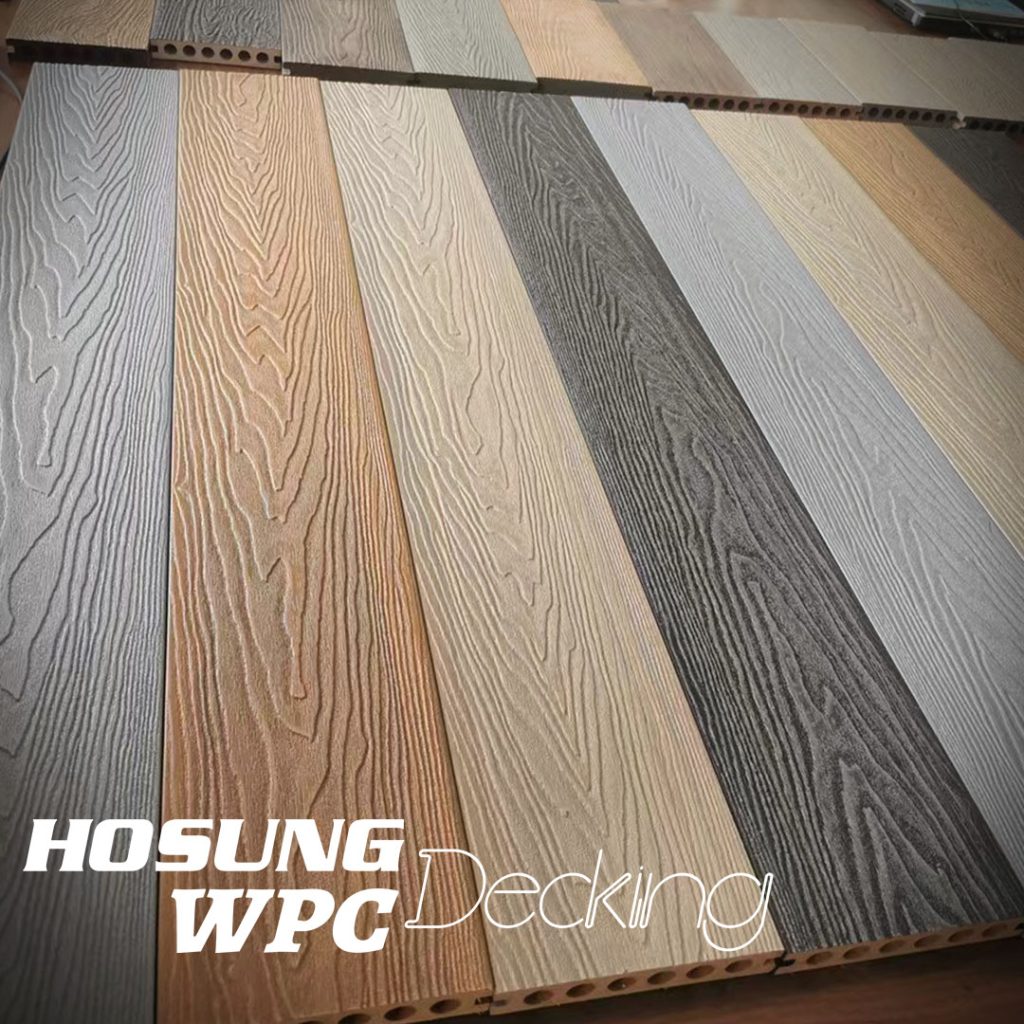
- Aesthetic Preferences: Outdoor composite decking comes in a variety of colors and textures. Whether you want a wood-like appearance or a more modern, sleek look, there’s a composite decking style for every taste.
Conclusion
In conclusion, there are many types of outdoor composite decking available in our factory, each with its own advantages and unique features. Whether you opt for capped, uncapped, PVC, or wood-plastic composite decking, there is a solution that will meet your needs in terms of durability, maintenance, and style. Take the time to evaluate your options, and make an informed decision that will result in a beautiful and functional outdoor space for years to come.
By considering factors like climate, budget, and design preferences, you can confidently choose the best outdoor composite decking for your project. Whether you’re building a new deck or replacing an old one, outdoor composite decking is a long-lasting and eco-friendly option that will enhance the beauty of your outdoor living area.