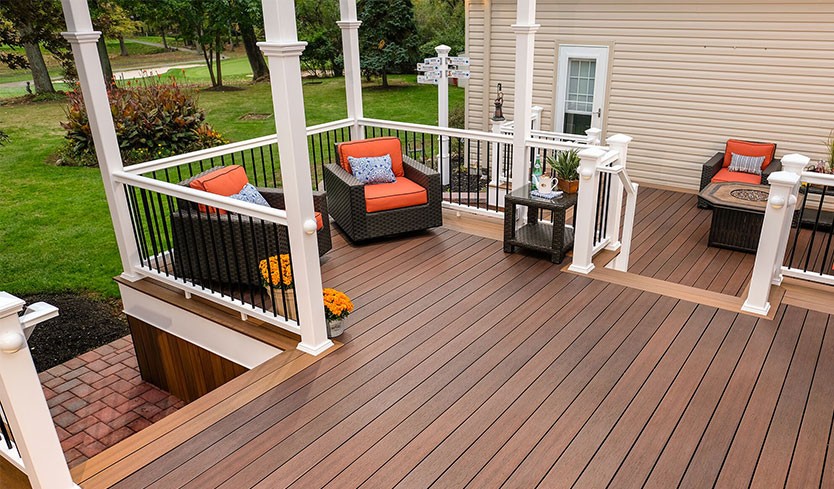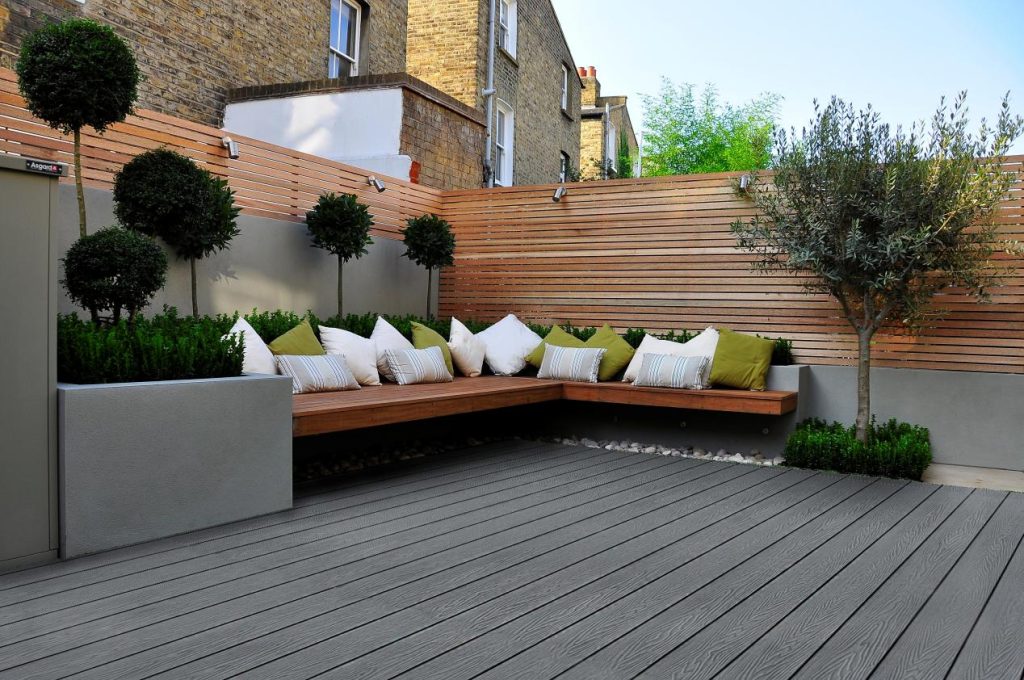
Composite decking has become one of the most popular outdoor flooring solutions for residential and commercial projects. One of the biggest reasons for its popularity is not just durability and low maintenance, but also the wide range of color options available. Unlike traditional wood decking, which requires staining or painting to achieve different tones, composite materials are manufactured in a controlled process that allows for consistent, long-lasting color throughout the board. In this article, Hosung will explore the full spectrum of composite decking colors, how they are created, what influences color choice, and how to select the right tone for different outdoor spaces.
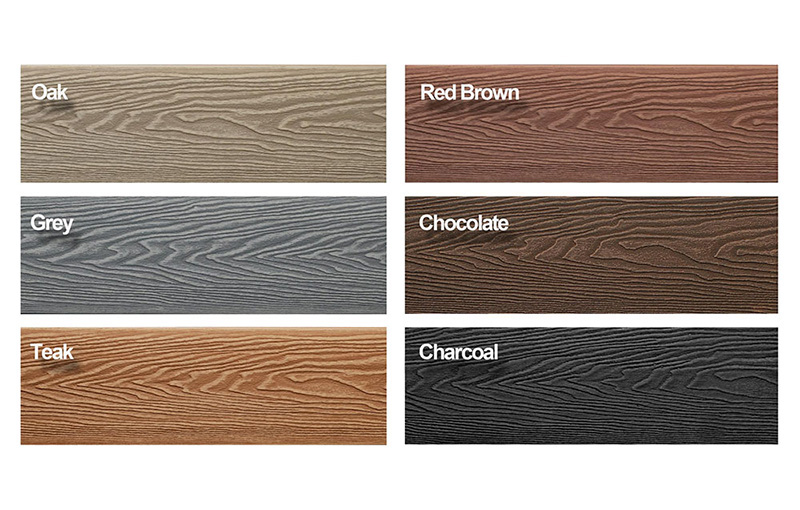
Table of Contents
Understanding Composite Decking Color Technology
Before looking at actual colors, it is important to understand how composite decking gets its appearance.
Composite decking is typically made from:
- Wood fibers or wood flour
- Recycled plastics (such as polyethylene or polypropylene)
- Additives for UV resistance and color stability
- Protective outer caps (in capped composite boards)
How color is added
There are two main methods:
1. Mixed-in pigmentation (uncapped composites)
Color pigments are blended into the raw material during production. This creates a uniform color throughout the board, but the surface may fade slightly over time.
2. Capped composite technology
A protective polymer shell is applied around the core. This cap contains highly stable pigments that resist fading, staining, and weather damage. Most modern decking uses this method.
The result is a wide range of realistic, wood-inspired colors that remain stable for years.
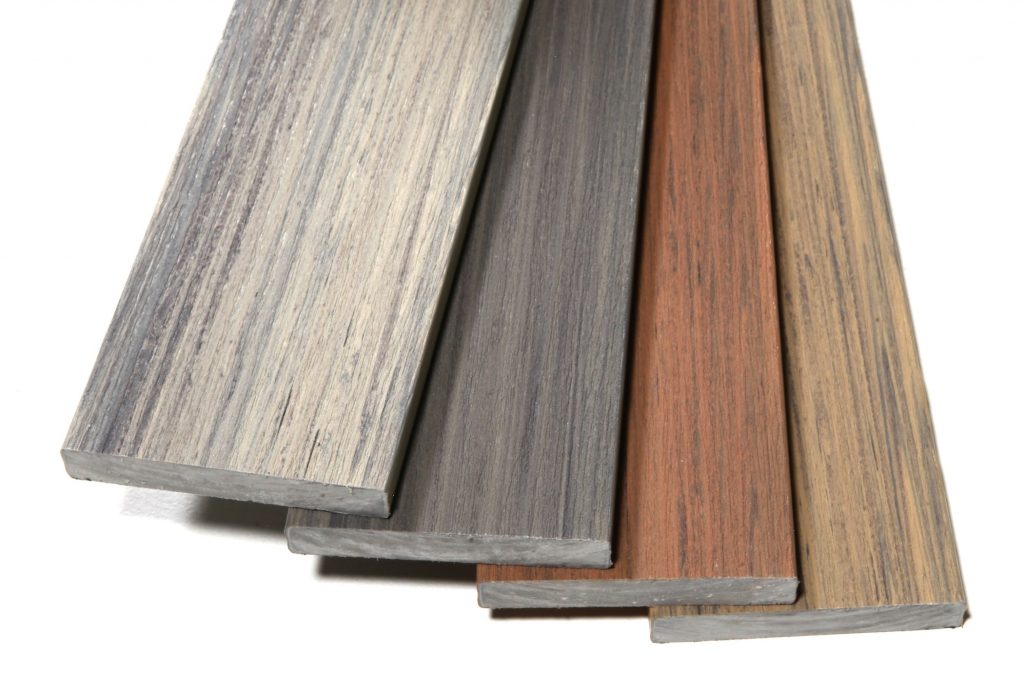
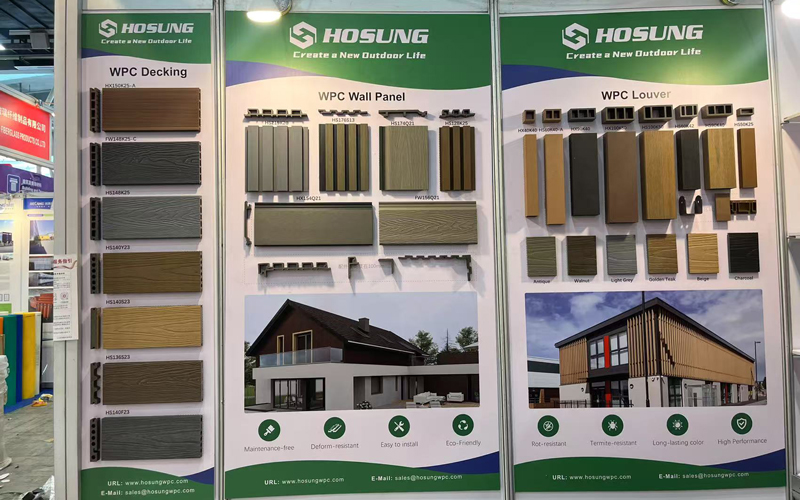
The Main Color Families of Composite Decking
Composite decking colors are generally designed to replicate natural wood tones, but modern manufacturing has expanded far beyond traditional browns. Below are the most common color categories.
1. Natural Brown Tones
Brown is the most popular composite decking color family because it closely resembles real wood.
Common shades include:
- Light oak brown
- Honey brown
- Teak
- Chestnut
- Walnut
- Dark espresso
Why brown is popular:
- Matches natural outdoor environments
- Works with most architectural styles
- Hides dirt and dust well
- Creates a warm, inviting atmosphere
Best applications:
- Backyard patios
- Garden decks
- Residential outdoor seating areas
- Traditional-style homes
Brown tones are often enhanced with grain patterns to mimic hardwood species, making them visually indistinguishable from real wood at a glance.
2. Grey and Modern Neutral Tones
Grey decking has become extremely popular in modern architecture and urban landscaping.
Common grey shades include:
- Light ash grey
- Silver grey
- Weathered driftwood
- Charcoal grey
- Slate grey
Why grey is trending:
- Matches modern minimalist design
- Pairs well with metal, glass, and concrete
- Creates a clean, sophisticated look
- Works well in both sunny and shaded areas
Best applications:
- Rooftop terraces
- Contemporary homes
- Commercial outdoor spaces
- Pool surrounds with modern styling
Grey composite decking is especially popular in cities where homeowners want a sleek, architectural appearance.
3. Red and Reddish-Brown Tones
Red-toned composite decking mimics exotic hardwood species like mahogany or cedar.
Common shades include:
- Redwood
- Mahogany red
- Rustic cedar
- Burgundy brown
Why red tones are chosen:
- Adds warmth and richness
- Creates a bold visual statement
- Works well with brick or stone homes
- Enhances traditional or rustic architecture
Best applications:
- Country-style homes
- Garden walkways
- Decorative outdoor lounges
- Restaurant patios with warm ambiance
Red tones tend to stand out more than brown or grey, making them ideal for homeowners who want a visually striking deck.
4. Dark Brown and Espresso Shades
Dark composite decking is often used for luxury and high-end outdoor designs.
Common shades include:
- Espresso black-brown
- Coffee brown
- Dark walnut
- Ebony brown
Advantages:
- Strong visual contrast with furniture
- High-end, premium appearance
- Hides stains and imperfections
- Works well with modern lighting designs
Best applications:
- Luxury villas
- Hotel terraces
- Outdoor entertainment areas
- Fire pit seating zones
However, darker colors absorb more heat, which can make them warmer under direct sunlight.
5. Light and Blonde Wood Tones
Light-colored decking is ideal for bright, airy outdoor spaces.
Common shades include:
- Sand beige
- Blonde oak
- Natural pine
- Ivory wood tone
Benefits:
- Reflects sunlight and stays cooler
- Makes small spaces appear larger
- Creates a relaxed, beach-style atmosphere
- Complements white or pastel-colored homes
Best applications:
- Coastal properties
- Small urban balconies
- Poolside lounging areas
- Scandinavian-style outdoor designs
Light tones are especially popular in hot climates where heat absorption is a concern.
6. Multi-Tone and Woodgrain Blends
Modern composite decking often features multiple colors within a single board.
Features:
- Mixed brown and grey tones
- Realistic wood grain variation
- Subtle shading differences
- Natural-looking texture depth
Why multi-tone boards are popular:
- Closely replicate real hardwood
- Reduce monotone or artificial appearance
- Hide scratches and wear better
- Add visual depth to decking surfaces
These boards are commonly used in premium product lines.
7. Exotic and Designer Colors
Some manufacturers offer unique, non-traditional colors for creative projects.
Examples include:
- Smoky black
- Cool blue-grey undertones
- Green-tinted natural blends
- Custom industrial tones
Where they are used:
- Commercial design projects
- Themed outdoor spaces
- Modern architectural showcases
- Custom landscape design projects
While less common, these colors allow designers to create highly customized outdoor environments.
Factors That Influence Color Choice
Choosing the right composite decking color is not just about appearance. Several practical factors should be considered.
1. Climate and Sun Exposure
- Dark colors absorb more heat
- Light colors reflect sunlight
- Grey tones perform well in mixed climates
If the deck is exposed to full sun, lighter shades are often more comfortable.
2. Surrounding Architecture
The deck should complement the building style:
- Brick homes → brown or red tones
- Modern glass homes → grey or black tones
- Traditional homes → warm wood colors
3. Maintenance Expectations
While composite decking is low-maintenance, color still plays a role:
- Dark colors show dust more easily
- Light colors may show stains faster
- Mid-tone browns are the most forgiving
4. Space Size
Color can influence visual perception:
- Light colors make spaces look larger
- Dark colors create intimacy
- Grey tones provide balance
5. Furniture and Decor Matching
Deck color should coordinate with outdoor furniture:
- Wooden furniture → brown tones
- Metal furniture → grey tones
- Wicker furniture → light natural tones
Color Fading and Long-Term Performance
One of the main concerns with outdoor materials is fading. Composite decking is designed to resist this issue.
Key points:
- UV stabilizers reduce sun damage
- Capped boards maintain color longer
- Slight fading may occur in early months
- Quality varies by manufacturer
High-quality composite decking can maintain its color for 10–25 years depending on conditions.
Popular Color Trends in Modern Decking
Current global design trends show clear preferences:
- Grey is dominant in urban architecture
- Warm brown remains the most universal choice
- Two-tone boards are rapidly growing in popularity
- Black and dark espresso are trending in luxury projects
- Light Scandinavian tones are increasing in coastal regions
These trends reflect a balance between aesthetics and functionality.
How to Choose the Right Color for Your Project
Here is a simple decision approach:
- Want a natural look → choose brown tones
- Want modern style → choose grey tones
- Want luxury feel → choose dark espresso
- Want cooler surface → choose light colors
- Want realism → choose multi-tone boards
A good strategy is to request samples and view them under natural sunlight before making a final decision.
Conclusion
Composite decking comes in a wide variety of colors, far beyond traditional wood options. From natural browns and modern greys to bold reds, dark luxury tones, and light coastal shades, there is a solution for nearly every design preference and environment.
The right color choice depends on climate, architectural style, maintenance expectations, and personal taste. With modern manufacturing technology, these colors are not only visually appealing but also highly durable and long-lasting.
As outdoor living spaces continue to grow in importance, the color of composite decking has become just as important as its performance—allowing homeowners and designers to create spaces that are both functional and visually striking.