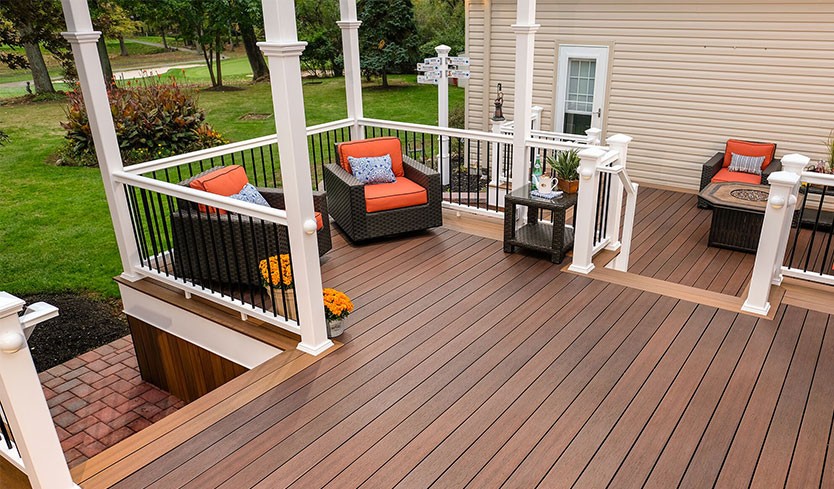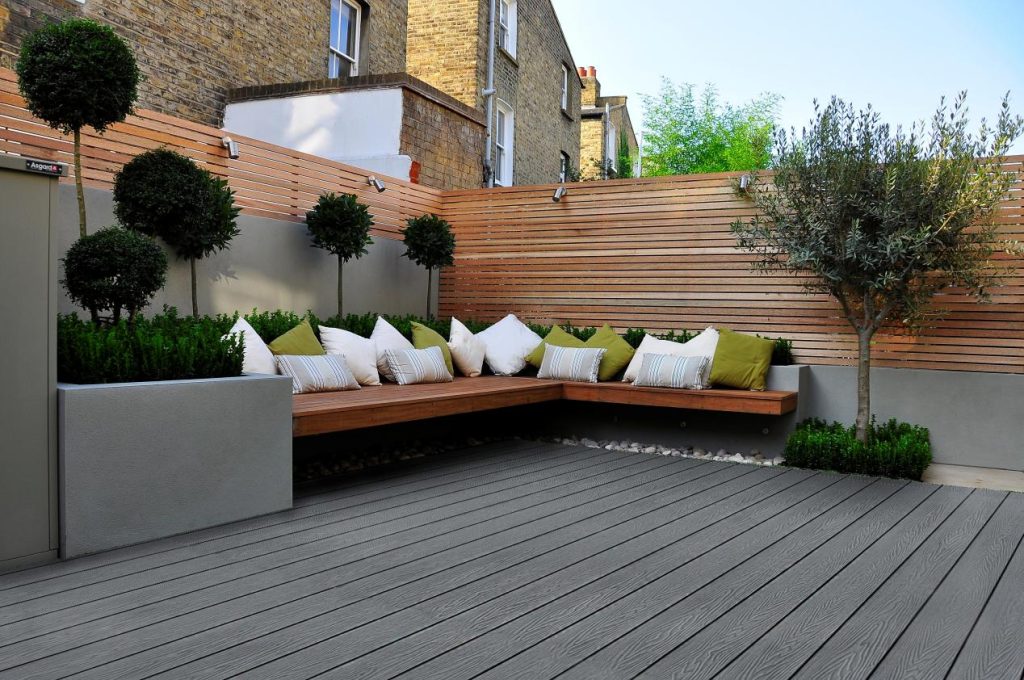
Outdoor living spaces have become an essential part of modern homes. Whether you are building a backyard entertainment area, a poolside platform, or a relaxing garden retreat, selecting the right decking material is one of the most important decisions you can make. Many homeowners today are moving away from traditional wood and choosing composite materials instead. But with so many brands, colors, and performance claims available, one question always comes up: what’s the best composite decking?
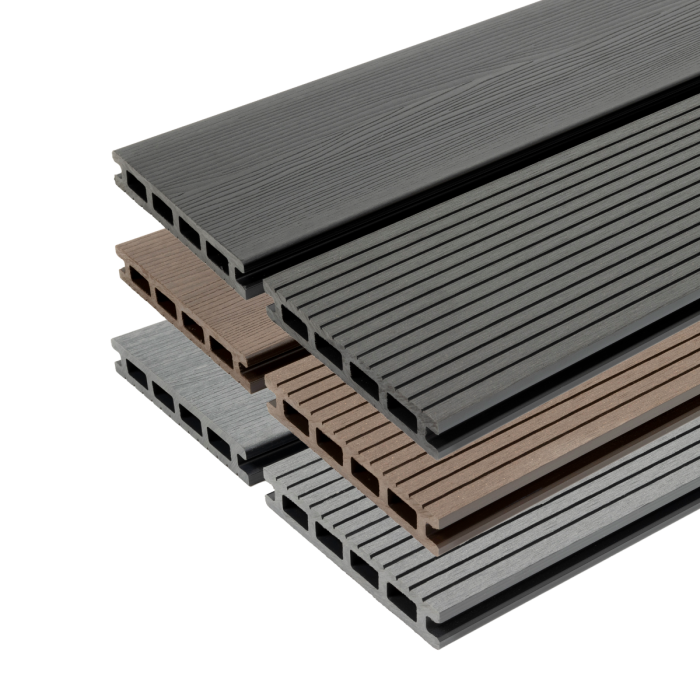
Table of Contents
What Is Composite Decking?
Composite decking is a man-made decking material typically produced from a combination of recycled wood fibers and plastic polymers. Unlike natural wood, composite boards are engineered to resist moisture, insects, rot, and fading.
Most modern composite decking products include a protective outer shell known as a cap. This cap improves stain resistance, UV protection, and overall durability. Because of these features, composite decking has become increasingly popular for residential and commercial outdoor applications.
Compared with traditional wood decks, composite materials require significantly less maintenance. There is no need for annual sanding, staining, or sealing, making them attractive for homeowners looking for convenience and longevity.
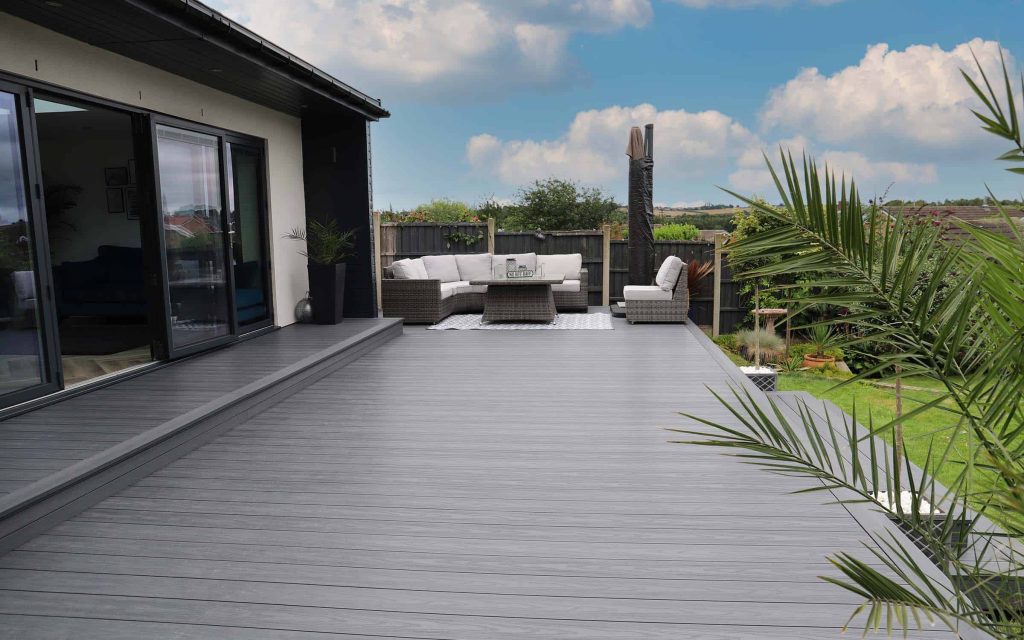
Why Homeowners Prefer Composite Decking
Before deciding what’s the best composite decking for your project, it is important to understand why composite materials have gained so much popularity.
Low Maintenance
One of the biggest advantages of composite decking is minimal maintenance. Traditional wood decks often require regular staining, painting, or waterproofing. Composite boards only need occasional cleaning with soap and water.
Long Service Life
High-quality composite decking products can last 25 to 50 years depending on the manufacturer and environmental conditions. This makes composite materials a long-term investment.
Resistance to Moisture and Rot
Unlike wood, composite decking does not easily absorb moisture. This reduces the risk of warping, cracking, mold growth, and decay.
Attractive Appearance
Modern manufacturing technology allows composite decking to mimic the appearance of natural hardwood. Many boards feature realistic grain patterns and multiple color tones.
Eco-Friendly Materials
Most composite decking products contain recycled plastics and reclaimed wood fibers, reducing environmental impact and landfill waste.
Types of Composite Decking
Understanding the main categories of composite decking is essential when evaluating what’s the best composite decking for your outdoor space.
Uncapped Composite Decking
Uncapped boards are older-generation composite products without a protective outer layer. They are usually more affordable but less resistant to stains, fading, and moisture.
Advantages:
- Lower initial cost
- Natural appearance
- Lightweight
Disadvantages:
- Less durable
- Higher risk of staining
- More prone to fading
Uncapped composite decking is often chosen for small-budget projects or areas with light usage, such as decorative walkways or low-traffic patios. However, because the surface is exposed, it tends to absorb liquids more easily, which can lead to long-term discoloration if not maintained properly. Over time, homeowners may notice the color becoming uneven, especially in regions with strong sunlight or frequent rainfall.
Capped Composite Decking
Capped composite decking includes a polymer shell around the core material. This outer cap significantly improves weather resistance and overall lifespan.
Advantages:
- Better moisture resistance
- Enhanced UV protection
- Improved stain resistance
- Longer warranty
Disadvantages:
- Higher price
- Slightly less natural texture
For most homeowners, capped composite decking is considered the better long-term option. The protective layer acts as a barrier against everyday spills, making it ideal for outdoor dining areas, pool surrounds, and family gathering spaces. Many premium products in this category also feature embossed grain patterns that closely resemble natural hardwood, offering both performance and aesthetic appeal.
Solid Composite Boards
Solid boards are dense and heavy, providing greater strength and durability. They are commonly used in high-traffic areas.
Advantages:
- Strong structure
- Better sound absorption
- More durable
Disadvantages:
- Heavier installation weight
- Higher cost
Solid boards are especially suitable for commercial applications or decks that must support heavy furniture, hot tubs, or large groups of people. Their dense structure also reduces flexing, which creates a more stable walking surface. This makes them a preferred choice for long-term installations where performance is more important than installation speed or cost savings.
Hollow Composite Boards
Hollow boards contain internal cavities, making them lighter and more affordable.
Advantages:
- Easier to transport
- Lower material cost
- Faster installation
Disadvantages:
- Less impact resistance
- Can produce hollow sounds when walked on
Hollow composite decking is often selected for DIY projects due to its lightweight structure and ease of handling. It can significantly reduce installation time, especially for homeowners working without professional assistance. However, proper subframe spacing is important to ensure stability and prevent bending over time. In addition, while modern hollow boards have improved in strength, they are still generally less rigid than solid alternatives, making them more suitable for residential rather than heavy-duty use.
Key Factors to Consider Before Buying
When evaluating what’s the best composite decking, several important factors should guide your decision.
Durability
Durability is one of the most important characteristics of decking materials. Look for products that resist:
- Scratching
- Staining
- Moisture penetration
- UV fading
- Mold growth
Premium capped composite boards usually perform best in harsh climates.
Climate Compatibility
Weather conditions play a major role in decking performance.
Hot Climates
In areas with intense sunlight, choose decking with strong UV resistance and heat-reflective technology.
Wet Regions
If you live in a rainy or humid environment, moisture resistance becomes especially important.
Cold Areas
Freeze-thaw cycles can damage low-quality boards. Select products designed for temperature fluctuations.
Surface Texture and Slip Resistance
Safety is critical, especially around pools and outdoor kitchens. Textured surfaces improve grip and reduce slipping hazards.
Color Stability
Some lower-quality products fade quickly after sun exposure. High-end composite decking uses advanced pigments and protective caps for better color retention.
Warranty
Leading manufacturers often provide warranties ranging from 25 years to lifetime coverage. A strong warranty is usually a sign of product confidence and quality.
Installation System
Some decking systems use hidden fasteners for a cleaner appearance. Others rely on visible screws. Hidden fastening systems generally offer a more premium finish.
Best Features of High-Quality Composite Decking
If you are searching for what’s the best composite decking, focus on products that offer the following premium features.
Advanced Protective Capping
A durable polymer cap protects the board against:
- Food stains
- Oil spills
- UV damage
- Water absorption
Realistic Wood Grain
Modern embossing technology creates authentic wood textures that resemble cedar, teak, walnut, or tropical hardwood.
Recycled Content
Many homeowners prioritize sustainability. Some manufacturers use up to 95% recycled materials in their boards.
Strong Structural Performance
Quality boards maintain structural integrity even under heavy furniture, grills, and foot traffic.
Minimal Expansion and Contraction
Temperature changes can cause decking boards to expand or shrink. Better products are engineered for dimensional stability.
Composite Decking vs Traditional Wood
Many homeowners compare composite materials with pressure-treated wood before making a final decision.
Maintenance Comparison
Wood:
- Requires staining
- Needs sealing
- Can splinter or crack
Composite:
- Simple cleaning only
- No staining required
- Smooth and splinter-free
Lifespan Comparison
Wood decks often last 10–20 years with proper maintenance. Composite decks can last significantly longer.
Cost Comparison
Wood usually has a lower upfront cost, but maintenance expenses accumulate over time. Composite decking costs more initially but reduces long-term maintenance spending.
Appearance Comparison
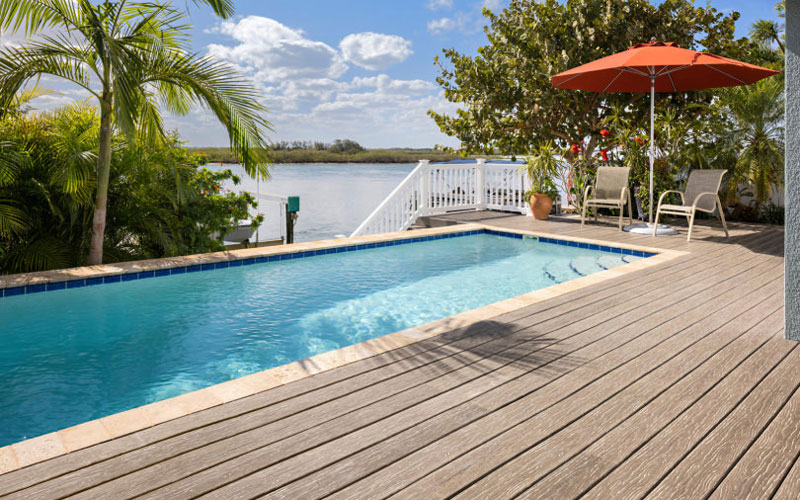
Wood offers a natural appearance, but modern composite products closely replicate premium hardwood textures while maintaining color consistency.
Common Mistakes When Choosing Composite Decking
Selecting the wrong product can lead to disappointing results. Avoid these common mistakes.
Focusing Only on Price
Cheap decking materials may fade, warp, or stain quickly. Long-term performance is usually more important than initial cost savings.
Ignoring Climate Conditions
A product suitable for dry climates may not perform well in humid coastal areas.
Choosing the Wrong Color
Dark colors absorb more heat under direct sunlight. Consider your local climate before selecting deck color.
Overlooking Warranty Terms
Always read warranty details carefully. Some warranties exclude labor or specific environmental conditions.
Poor Installation
Even the best decking material can fail if installed incorrectly. Proper spacing, ventilation, and substructure support are essential.
How to Maintain Composite Decking
Although composite decking requires less maintenance than wood, regular care still improves appearance and longevity.
Basic Cleaning
Wash the surface periodically using:
- Mild soap
- Warm water
- Soft brush
Prevent Standing Water
Good drainage helps reduce mold and mildew growth.
Use Protective Furniture Pads
Furniture legs can scratch the deck surface over time.
Remove Debris Regularly
Leaves and dirt can trap moisture if left unattended.
Popular Color Trends in Composite Decking
Modern homeowners increasingly choose stylish colors that complement outdoor landscaping and architecture.
Gray Tones
Gray decking offers a contemporary appearance and works well with minimalist designs.
Rich Brown Shades
Brown tones mimic traditional hardwood and create a warm outdoor atmosphere.
Multi-Tonal Finishes
Boards with blended shades and grain patterns provide a more realistic wood appearance.
Coastal-Inspired Colors
Light beige and weathered driftwood tones are popular in beach-style homes.
Is Composite Decking Worth the Investment?
For many homeowners, the answer is yes. Composite decking offers long-term durability, lower maintenance, and attractive aesthetics that traditional wood often cannot match.
While the upfront cost may be higher, reduced maintenance expenses and extended lifespan frequently make composite decking more cost-effective over time.
Additionally, a well-designed composite deck can increase property value and improve outdoor living functionality.
How to Choose the Right Brand
Not all manufacturers produce the same level of quality. When comparing suppliers, consider:
- Product reputation
- Warranty coverage
- Material composition
- Customer reviews
- Installation support
- Available accessories
Some premium brands focus on luxury aesthetics, while others prioritize affordability or commercial-grade durability.
Conclusion
When homeowners ask what’s the best composite decking, there is no single universal answer. The ideal choice depends on your budget, climate, design preferences, and maintenance expectations.
However, high-quality capped composite decking generally provides the best balance of durability, appearance, weather resistance, and long-term value. Investing in reliable materials and professional installation can help ensure your deck remains beautiful and functional for decades.
Before making your final decision, compare multiple products carefully, request physical samples, and evaluate warranties closely. A thoughtfully selected composite deck can transform your outdoor space into a comfortable and low-maintenance extension of your home.