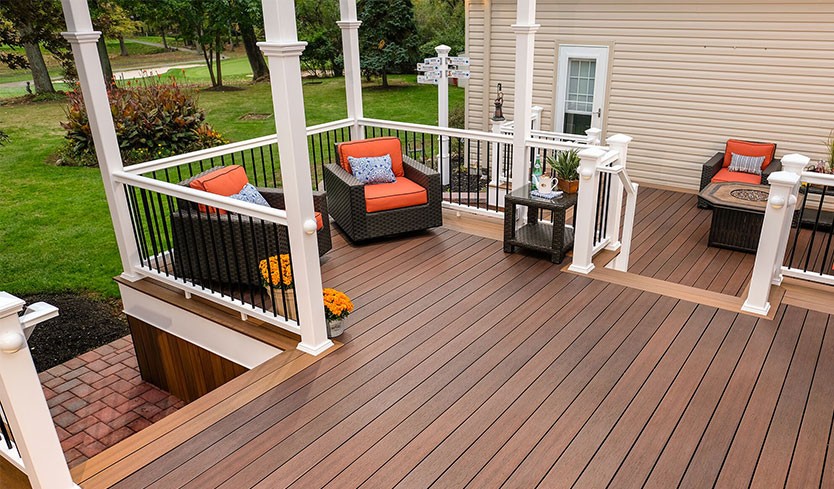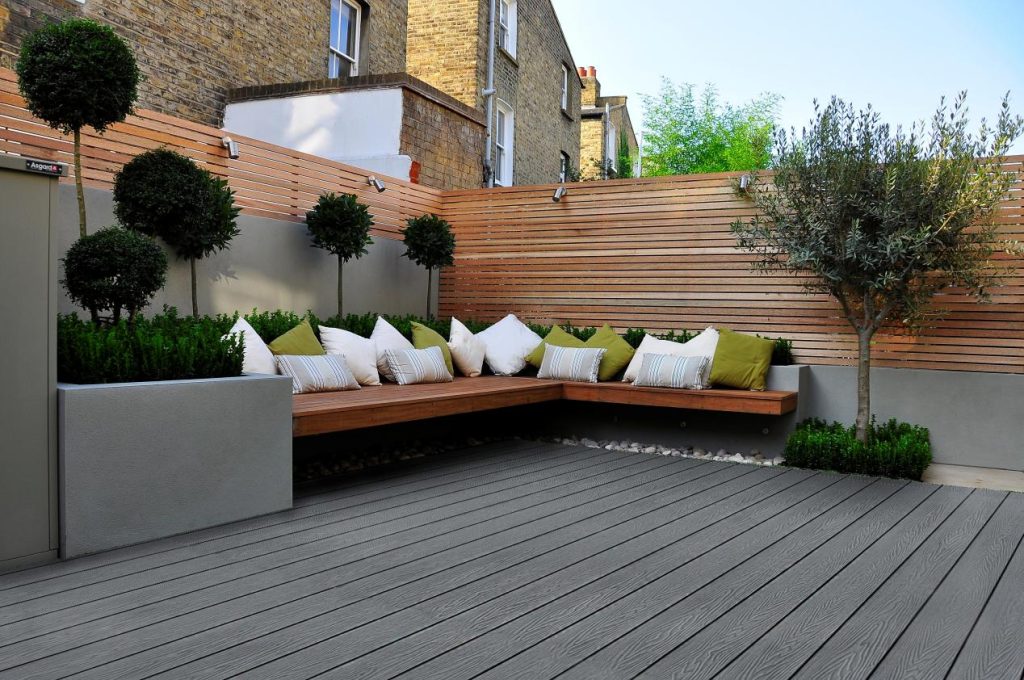
The demand for WPC fencing systems in Southeast Asia has grown rapidly in recent years, and the Philippines is one of the fastest-expanding markets. Homeowners, real estate developers, resorts, and commercial property managers are increasingly shifting from traditional wood and metal fencing to Wood Plastic Composite (WPC) solutions due to their durability, aesthetic consistency, and low maintenance requirements. When searching for a wpc fence philippines price list, buyers are typically looking for more than just numbers. They want to understand material quality differences, installation costs, lifespan expectations, and how pricing varies across suppliers, designs, and thickness levels. WPC fences combine recycled wood fibers and high-density polyethylene (HDPE), creating a hybrid material that mimics natural wood while offering superior resistance to moisture, termites, UV exposure, and rotting. In a tropical climate like the Philippines—where humidity, heavy rainfall, and strong sunlight are constant challenges—WPC fencing has become a highly practical solution. This guide provides a comprehensive breakdown of WPC fence pricing, market structure, product categories, and cost influencing factors to help buyers make informed decisions.
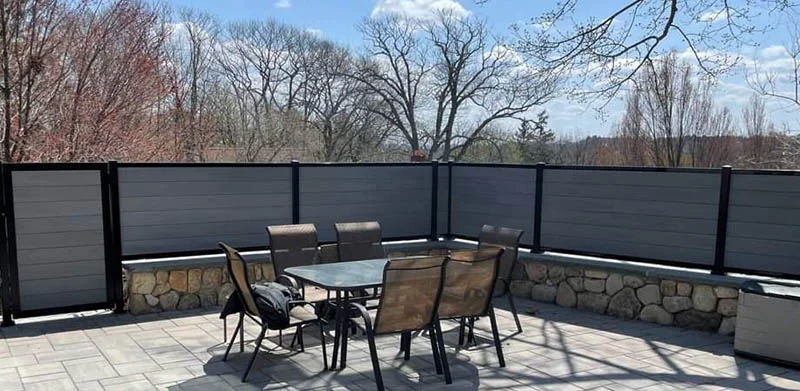
Table of Contents
What Is a WPC Fence?
A WPC fence is a modern fencing system manufactured from a composite blend of:
- Wood fiber (usually bamboo powder or wood flour)
- Thermoplastics (HDPE, PVC, or PP)
- Additives (UV stabilizers, color pigments, anti-oxidants)
Key Characteristics
- Waterproof performance: Ideal for rainy climates
- Anti-termite structure: No biological degradation
- UV resistance: Maintains color stability
- Low maintenance: No painting or sealing required
- Long lifespan: Typically 15–25 years depending on grade
In the Philippines, WPC fencing is widely used in residential subdivisions, beachfront resorts, commercial complexes, and modern urban housing projects.
Why WPC Fencing Is Growing in the Philippines
Several factors contribute to the increasing popularity of WPC fencing systems:
1. Tropical Climate Compatibility
Traditional wood fences degrade quickly due to moisture and insect activity. WPC materials eliminate these issues.
2. Modern Architectural Trends
Contemporary Filipino architecture favors minimalist, clean-line exterior designs that WPC panels complement effectively.
3. Rising Labor and Maintenance Costs
WPC fences significantly reduce long-term maintenance expenses compared to wood and iron fences.
4. Real Estate Development Growth
The Philippines’ real estate sector continues expanding, especially in suburban housing, condominiums, and resort developments.
Key Factors Affecting WPC Fence Pricing
When reviewing any wpc fence philippines price list, it is important to understand what drives price differences:
Material Composition
- Higher wood fiber ratio increases natural appearance but may reduce durability
- Higher polymer content increases strength and waterproofing
Fence Height and Thickness
- Standard panels: 1.5m–2.0m height
- Thickness variations significantly impact cost per meter
Surface Design
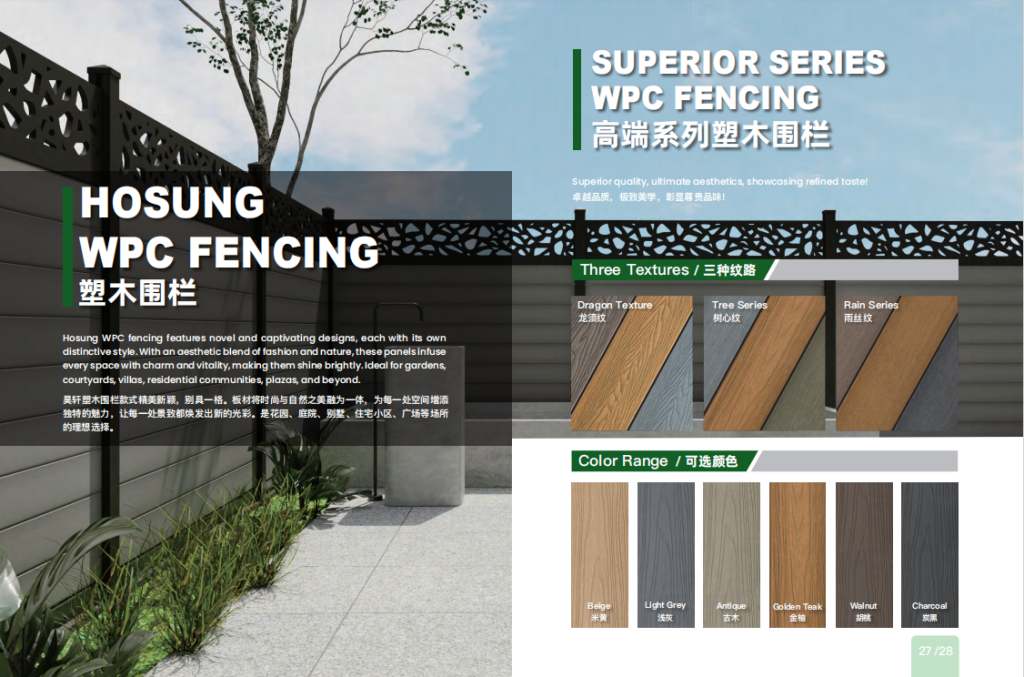
- Wood grain embossed panels cost more than smooth finishes
- 3D textured panels are premium products
Installation Complexity
- Flat land installation is cheaper
- Sloped or coastal terrain increases labor cost
Supplier Origin
- Imported WPC fences are usually more expensive than locally manufactured products
- Bulk container imports reduce per-unit cost
WPC Fence Philippines Price List (Reference Table)
Below is a general market reference for WPC fence pricing in the Philippines. Prices vary depending on supplier, volume, and project specifications.
WPC Fence Type | Price Range (PHP per meter) | Description |
Basic Hollow WPC Fence Panel | ₱1,200 – ₱1,800 | Lightweight, budget-friendly option for residential use |
Solid WPC Fence Panel | ₱1,800 – ₱2,800 | Higher durability and wind resistance, suitable for long-term installations |
Wood Grain Embossed Fence | ₱2,200 – ₱3,500 | Decorative finish, natural wood appearance for villas and resorts |
Co-extrusion WPC Fence | ₱2,800 – ₱4,500 | Advanced protective layer for UV and stain resistance |
Aluminum Reinforced WPC Fence | ₱3,500 – ₱5,500 | Premium structural strength for commercial and coastal areas |
This wpc fence philippines price list reflects average market conditions and may vary depending on supplier negotiations and project scale.
Installation Cost Breakdown
Beyond material costs, installation plays a critical role in total project budgeting.
Average Installation Costs in the Philippines
- Labor cost per meter: ₱500 – ₱1,200
- Foundation preparation: ₱200 – ₱800 per meter
- Metal post reinforcement (if required): ₱300 – ₱1,000 per meter
Total Installed Cost Estimate
Depending on material type, total installed fencing costs may range:
- Budget systems: ₱1,800 – ₱2,800 per meter
- Mid-range systems: ₱2,800 – ₱4,500 per meter
- Premium systems: ₱4,500 – ₱6,500+ per meter
WPC Fence Material Comparison
Understanding different product structures helps buyers evaluate pricing more effectively.
Hollow Core Panels
- Lightweight
- Lower cost
- Suitable for decorative fencing
- Less impact resistance
Solid Core Panels
- Strong structural integrity
- Better wind resistance
- Higher durability
- Moderate pricing
Co-extrusion Panels
- Protective polymer coating
- Anti-fading technology
- Higher resistance to stains and scratches
- Premium price segment
Advantages of Using WPC Fence in the Philippines
1. Weather Resistance
WPC performs well under heavy rain, UV exposure, and high humidity. In the Philippines, where tropical storms and intense sunlight are frequent, WPC fencing maintains structural stability and surface integrity without warping, cracking, or fading quickly. This makes it highly suitable for long-term outdoor applications in both coastal and inland regions.
2. Termite and Pest Resistance
Unlike natural wood, WPC does not attract termites, carpenter ants, or other wood-boring insects. This significantly reduces the risk of structural damage and eliminates the need for chemical pest treatments, making it a safer and more stable fencing solution for residential and commercial properties.
3. Eco-Friendly Material
WPC is often manufactured using recycled plastics and reclaimed wood fibers, contributing to waste reduction and sustainable resource utilization. This makes it an environmentally responsible choice aligned with green building practices and modern sustainability standards.
4. Modern Appearance
WPC fencing provides consistent color, grain texture, and surface finish across large-scale installations. This uniformity enhances architectural aesthetics and ensures a premium, contemporary look suitable for residential communities, commercial developments, and hospitality projects.
5. Long-Term Cost Efficiency
Although the initial investment is higher compared to traditional wood or basic metal fencing, WPC significantly reduces lifetime maintenance expenses. There is no need for painting, sealing, or frequent repairs, resulting in lower overall ownership costs over time.
Applications of WPC Fence Systems
WPC fencing has become a versatile solution across multiple industries in the Philippines due to its balance of durability, aesthetics, and low maintenance requirements. Its adaptability allows it to be used in both functional and decorative applications, supporting a wide range of architectural and engineering needs.
Residential Use
In residential environments, WPC fencing is commonly used not only for basic boundary definition but also for enhancing overall property design. Homeowners increasingly install it for garden fencing to create visually appealing outdoor landscapes that remain consistent throughout the year without repainting or treatment. For perimeter boundaries, WPC panels provide strong privacy protection while maintaining a modern, clean architectural look. In addition, privacy screens made from WPC are frequently used in balconies, patios, and backyard spaces to create secluded leisure areas that resist moisture and sun damage.
Commercial Use
In commercial developments such as shopping malls, office complexes, and parking areas, WPC fencing serves both security and design purposes. It is often used to separate functional zones, guide pedestrian movement, and enhance exterior branding consistency. Compared to traditional metal fencing, WPC materials offer a more refined visual appearance, helping commercial properties maintain a professional and modern image while reducing long-term maintenance costs.
Hospitality Industry
The hospitality sector is one of the fastest-growing application areas for WPC fencing. Beach resorts, villas, hotels, and restaurants utilize it extensively to create warm, natural-looking environments that blend with tropical landscapes. Its resistance to humidity and salt air makes it particularly suitable for coastal installations, where traditional wood would deteriorate quickly.
Public Infrastructure
WPC fencing is also widely applied in public infrastructure projects such as parks, recreational areas, and government facilities. It is used to define public spaces, improve safety management, and provide durable boundary systems that require minimal maintenance from municipal authorities.
Import vs Local WPC Fence Pricing
Imported WPC Fencing
- Higher material consistency
- Advanced production technology
- Higher shipping and customs cost
- More stable quality control
Locally Produced WPC Fencing
- Lower transportation cost
- Faster supply availability
- Variable quality depending on manufacturer
In many cases, imported materials dominate the premium segment of the wpc fence philippines price list, while local production competes in mid-to-low price ranges.
Installation Process Overview
A standard WPC fence installation includes:
- Site measurement and marking
- Ground excavation for posts
- Concrete foundation setting
- Aluminum or steel post installation
- Panel assembly and alignment
- Finishing and sealing checks
Proper installation is essential to ensure structural stability, especially in typhoon-prone areas of the Philippines.
Maintenance Requirements
One of the key advantages of WPC fencing is its low maintenance structure.
Maintenance Tips:
- Clean surface with water and mild detergent
- Avoid abrasive chemical cleaners
- Inspect structural joints annually
- Remove accumulated dirt in coastal environments
No painting, sealing, or anti-termite treatment is required, which significantly reduces lifecycle cost.
Buying Guide for WPC Fence in the Philippines
When selecting suppliers, consider the following:
1. Material Certification
Check for ISO or SGS quality certifications.
2. UV Resistance Rating
Important for outdoor exposure durability.
3. Thickness Specification
Higher thickness improves wind resistance.
4. Warranty Terms
Reliable suppliers typically offer 5–15 years warranty.
5. Bulk Pricing Options
Large-scale projects should negotiate volume discounts.
Common Mistakes to Avoid
- Choosing the cheapest option without checking density
- Ignoring installation foundation quality
- Using non-reinforced panels in coastal areas
- Not comparing full installed cost (material + labor)
Future Market Trend in the Philippines
The WPC fencing market is expected to grow steadily due to:
- Expansion of residential subdivisions
- Increasing resort development in coastal provinces
- Government infrastructure modernization
- Rising demand for eco-friendly construction materials
As a result, the wpc fence philippines price list will likely become more competitive, with improved product performance and wider design availability.
Frequently Asked Questions (FAQ)
1. How long does a WPC fence last in the Philippines?
Typically 15–25 years depending on material grade and installation quality.
2. Is WPC fence better than wood?
Yes, especially in tropical climates, due to resistance to moisture, termites, and decay.
3. Does WPC fence fade under sunlight?
High-quality co-extrusion WPC panels have strong UV resistance and minimal fading.
4. Can WPC fence withstand typhoons?
Solid and reinforced systems are designed to handle strong wind loads when properly installed.
5. What is the cheapest WPC fence option?
Hollow core panels are the most affordable entry-level solution.
Conclusion
The Philippines market for WPC fencing continues to expand as property owners prioritize durability, aesthetics, and long-term cost efficiency. Understanding the wpc fence philippines price list helps buyers evaluate different material types, installation costs, and long-term value more accurately.
While pricing varies based on design, thickness, and supplier origin, WPC fencing remains one of the most cost-effective modern fencing solutions for tropical environments. With proper selection and installation, it delivers strong performance, low maintenance, and a visually appealing finish suitable for both residential and commercial applications.