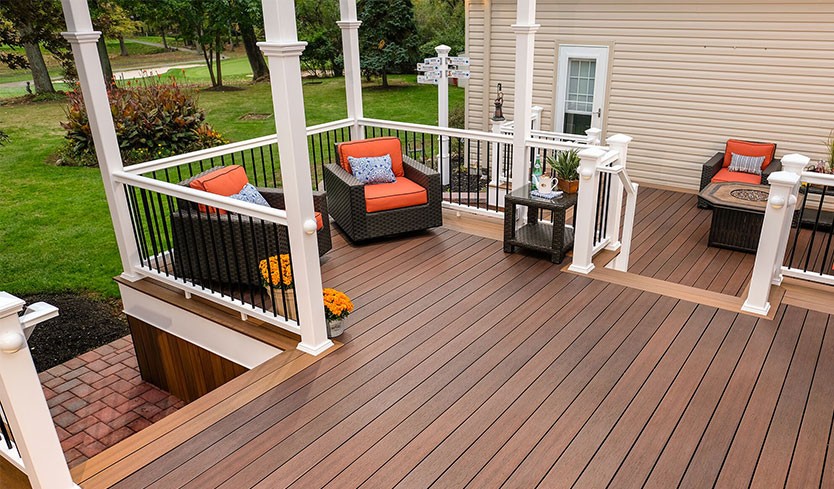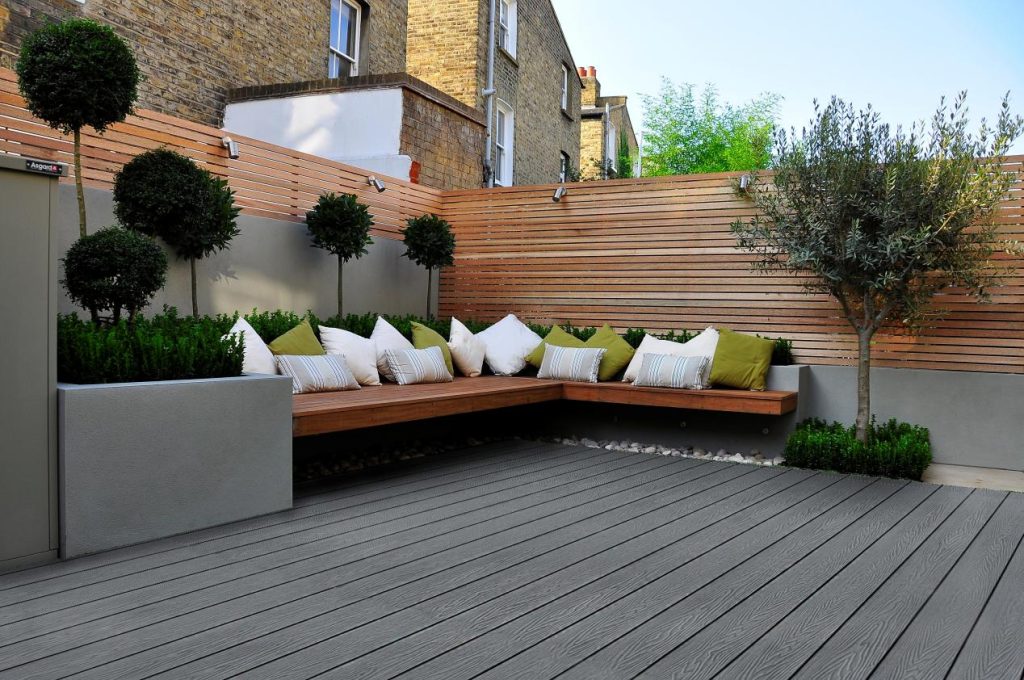
Composite decking has become one of the most popular alternatives to traditional wood decking in residential and commercial outdoor spaces. Homeowners, builders, and architects increasingly choose it for patios, balconies, pool decks, and garden walkways due to its reputation for durability and low maintenance. However, like any building material, it comes with both advantages and drawbacks. This article provides a comprehensive and balanced breakdown of the pros and cons of composite decking, helping you decide whether it is the right choice for your outdoor project.
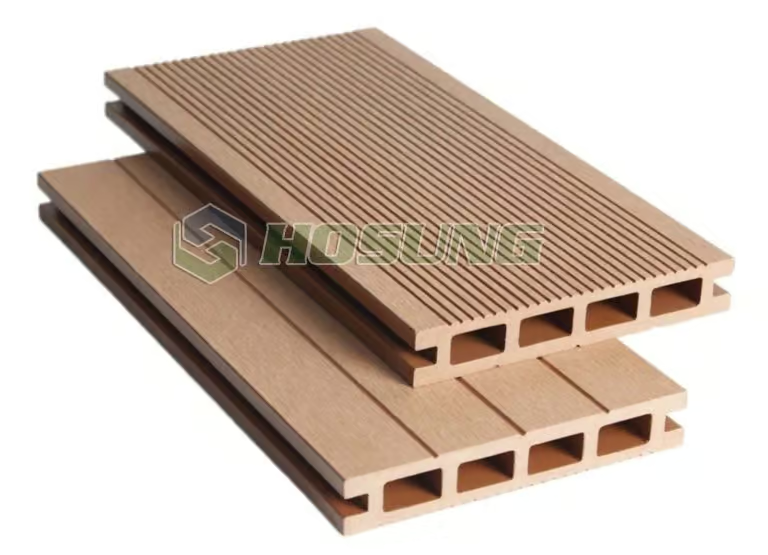
Table of Contents
Understanding Composite Decking
Before diving into the advantages and disadvantages, it is important to understand what composite decking actually is.
Composite decking is a man-made building material typically composed of:
- Wood fibers or wood flour
- Plastic (usually polyethylene or polypropylene)
- Binding agents and additives
These materials are combined and processed into boards that mimic the appearance of natural wood but offer enhanced durability and reduced maintenance requirements.
There are generally two main types:
- Wood-plastic composite (WPC) – contains a higher percentage of wood fibers
- Capped composite decking – has a protective polymer shell for added resistance to stains, fading, and moisture
With this foundation in mind, let’s explore the key pros and cons of composite decking from Hosung WPC.
Pros of Composite Decking
1. Low Maintenance Requirements
One of the biggest advantages of composite decking is its minimal maintenance needs.
Unlike traditional wood decks, composite boards do not require:
- Sanding
- Staining
- Sealing
- Painting
A simple cleaning routine using soap and water or a mild deck cleaner is usually enough to keep the surface looking good.
Why this matters
For homeowners with busy lifestyles, this is a major benefit. Wooden decks often require yearly maintenance, which can be both time-consuming and expensive. Composite decking significantly reduces that ongoing workload.
2. Long Lifespan and Durability
Composite decking is engineered for durability. High-quality boards can last 20–30 years or more with proper installation and care.
It is resistant to:
- Rot and decay
- Insect damage (such as termites)
- Splitting and cracking
- Warping and twisting
Real-world benefit
In harsh climates—whether hot, humid, or rainy—wood tends to degrade quickly. Composite materials maintain structural integrity far longer, making them ideal for long-term outdoor use.
3. Weather Resistance
One of the strongest selling points of composite decking is its ability to withstand different weather conditions.
It performs well under:
- Heavy rain
- Snow and ice
- High humidity
- Intense sunlight
Capped composite boards, in particular, have a protective layer that reduces water absorption and UV damage.
Result
The deck remains more stable in color and structure compared to natural wood, which expands, contracts, and fades over time.
4. Resistance to Fading and Staining
Modern composite decking is designed with UV stabilizers and protective coatings that help resist fading from sun exposure.
Additionally, it is more resistant to:
- Food stains (grills, sauces, oils)
- Mold and mildew growth
- General dirt buildup
While no material is completely stain-proof, composite decking performs significantly better than untreated wood.
5. Eco-Friendly Option
Many composite decking products are made using recycled materials, including:
- Recycled plastics
- Reclaimed wood fibers
This reduces the need for virgin timber and helps divert plastic waste from landfills.
Environmental benefit
Choosing composite decking can contribute to sustainable building practices and reduce deforestation pressure.
6. Splinter-Free and Safer Surface
Unlike wood, composite decking does not splinter, making it safer for:
- Barefoot walking
- Children playing
- Poolside areas
Some products also feature slip-resistant textures, improving safety in wet conditions.
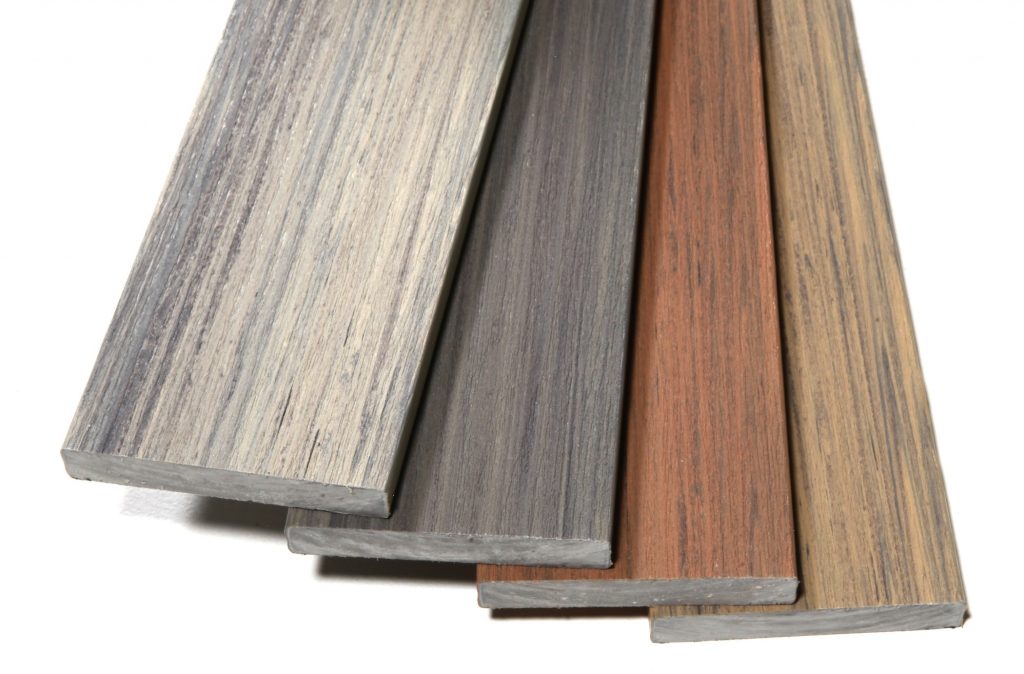
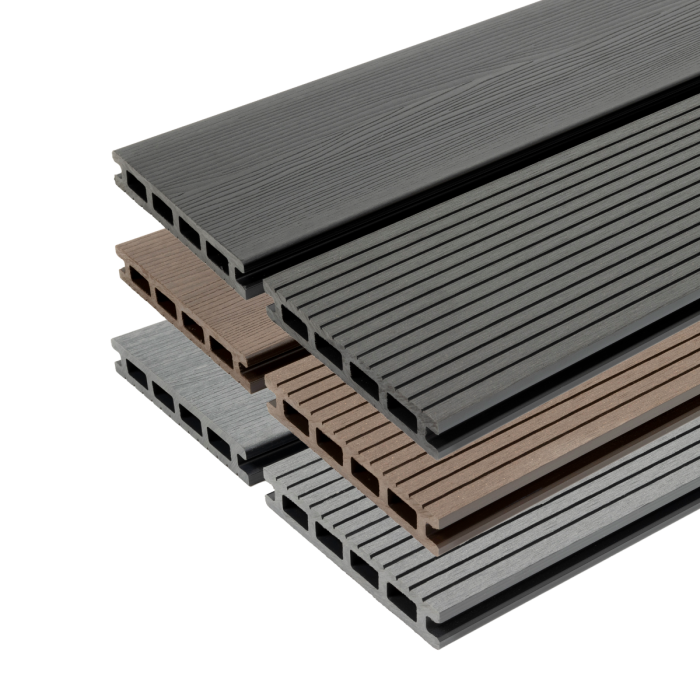
7. Wide Variety of Colors and Designs
Composite decking is available in a wide range of:
- Colors (from natural wood tones to modern greys and blacks)
- Textures (smooth, embossed grain, or brushed finishes)
- Board sizes and edge styles
This allows homeowners to match different architectural styles and personal preferences.
8. Consistent Appearance
Natural wood varies in grain, color, and quality from board to board. Composite decking, however, offers a uniform appearance.
Benefits include:
- Predictable color matching
- No knots or natural defects
- Cleaner, more modern look
This is especially important for large projects requiring visual consistency.
9. Reduced Long-Term Costs
While composite decking has a higher upfront cost, it can save money over time due to:
- Lower maintenance expenses
- No need for refinishing products
- Longer replacement cycle
Over 15–25 years, the total cost of ownership can be lower than traditional wood decking.
Cons of Composite Decking
Despite its many benefits, composite decking is not perfect. Understanding its limitations is essential before making a decision.
1. Higher Initial Cost
One of the most significant drawbacks is the upfront price.
Composite decking typically costs more than:
- Pressure-treated wood
- Softwood decking (like pine or cedar)
Why it costs more
The manufacturing process is more complex, involving recycled materials, plastic polymers, and advanced engineering.
Impact
For large decking projects, the initial investment can be substantial, which may deter budget-conscious homeowners.
2. Heat Retention
Composite decking tends to absorb and retain heat more than natural wood.
On hot sunny days, the surface can become:
- Uncomfortable to walk on barefoot
- Significantly warmer than surrounding materials
Where this is a problem
This is especially noticeable in regions with high summer temperatures or decks with direct sun exposure.
3. Less Natural Look and Feel
Although modern composite decking closely mimics wood, it still lacks the authentic characteristics of natural timber.
Some homeowners feel:
- The texture feels slightly artificial
- The grain pattern is too uniform
- The “natural aging” of wood is missing
While this is subjective, it remains a common concern among traditional design enthusiasts.
4. Potential for Fading Over Time
Even though composite decking is designed to resist fading, some color change can still occur, especially in the first few months after installation.
Factors affecting fading include:
- Sun exposure intensity
- Product quality
- Pigment stability
Higher-end brands typically offer better color retention, but no product is completely immune.
5. Susceptibility to Scratches
Composite decking is generally durable, but it is not completely scratch-proof.
Common causes of scratches include:
- Moving heavy furniture
- Pet claws
- Dropping sharp objects
- Dragging grills or planters
Unlike wood, scratches on composite boards are not easily sanded out.
6. Moisture and Mold on Surface
Although composite decking resists internal rot, dirt and organic debris can accumulate on the surface, leading to:
- Mold growth
- Algae buildup
- Surface staining in shaded areas
Regular cleaning is still necessary to maintain appearance and safety.
7. Expansion and Contraction
Composite boards can expand and contract slightly with temperature changes.
If not installed correctly:
- Gaps may become uneven
- Boards may warp slightly
- Fasteners may loosen over time
Proper installation with correct spacing is critical to avoid these issues.
8. Limited Repair Options
With traditional wood decking, damaged boards can often be sanded, stained, or refinished.
With composite decking:
- Deep scratches cannot be sanded out
- Severe damage usually requires board replacement
- Color matching replacement boards can sometimes be difficult
This makes repairs more expensive in some cases.
9. Environmental Trade-Offs
While composite decking uses recycled materials, it is not entirely free of environmental concerns.
Issues include:
- Plastic content is not biodegradable
- Recycling composite materials at end-of-life is difficult
- Manufacturing process consumes energy
So while it is more eco-friendly than cutting new timber, it is not a perfect green solution.
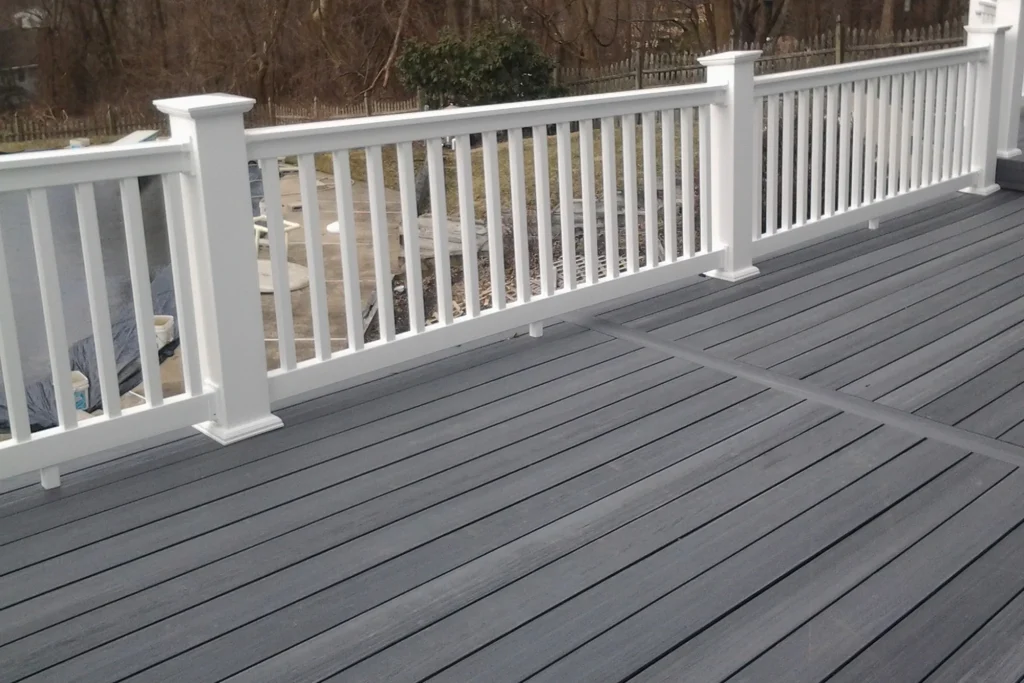
Composite Decking vs Traditional Wood Decking
To better understand the trade-offs, here is a simple comparison:
Maintenance
- Composite: Low
- Wood: High
Cost
- Composite: High upfront
- Wood: Lower upfront
Lifespan
- Composite: 20–30+ years
- Wood: 10–15 years (with maintenance)
Appearance
- Composite: Consistent, modern
- Wood: Natural, unique grain
Repairability
- Composite: Limited
- Wood: Easy
Weather Resistance
- Composite: High
- Wood: Moderate to low
Installation Considerations
Composite decking installation is different from wood decking and often requires:
- Proper spacing for expansion
- Hidden fastener systems
- Strong, level substructure
- Manufacturer-specific guidelines
Important note
Improper installation can reduce performance and void warranties. Many manufacturers recommend professional installation.
Conclusion
Composite decking is a modern, practical solution for outdoor flooring that offers significant advantages in durability, maintenance, and long-term performance. Its resistance to weather, insects, and decay makes it especially attractive for homeowners seeking a long-lasting investment with minimal upkeep.
However, it is not without drawbacks. Higher initial cost, heat retention, limited repair options, and a less natural feel are important factors to consider.
Ultimately, choosing between composite and traditional wood decking comes down to your budget, design preferences, and willingness to perform maintenance. For many homeowners, the long-term benefits of composite decking outweigh the disadvantages, making it a popular and reliable choice for modern outdoor living spaces.