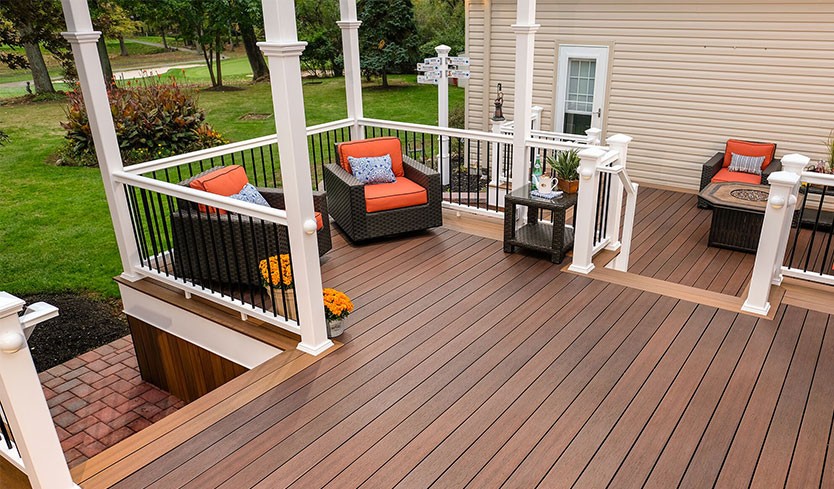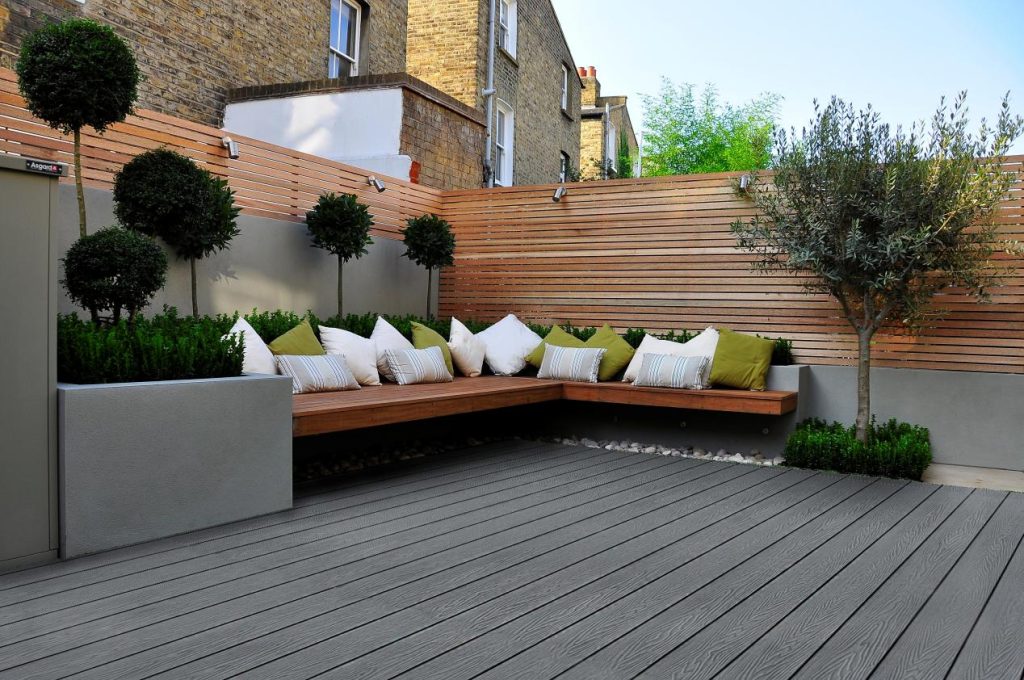
Outdoor living spaces are increasingly important for residential, commercial, and hospitality projects. Composite decking provides an attractive, low-maintenance alternative to traditional timber decking and can withstand various outdoor conditions. For buyers searching for composite decking manufacturers south africa, product quality, material composition, customization, manufacturing capacity, and reliable delivery are key factors. This guide explains what to consider when choosing a suitable manufacturer or supplier.
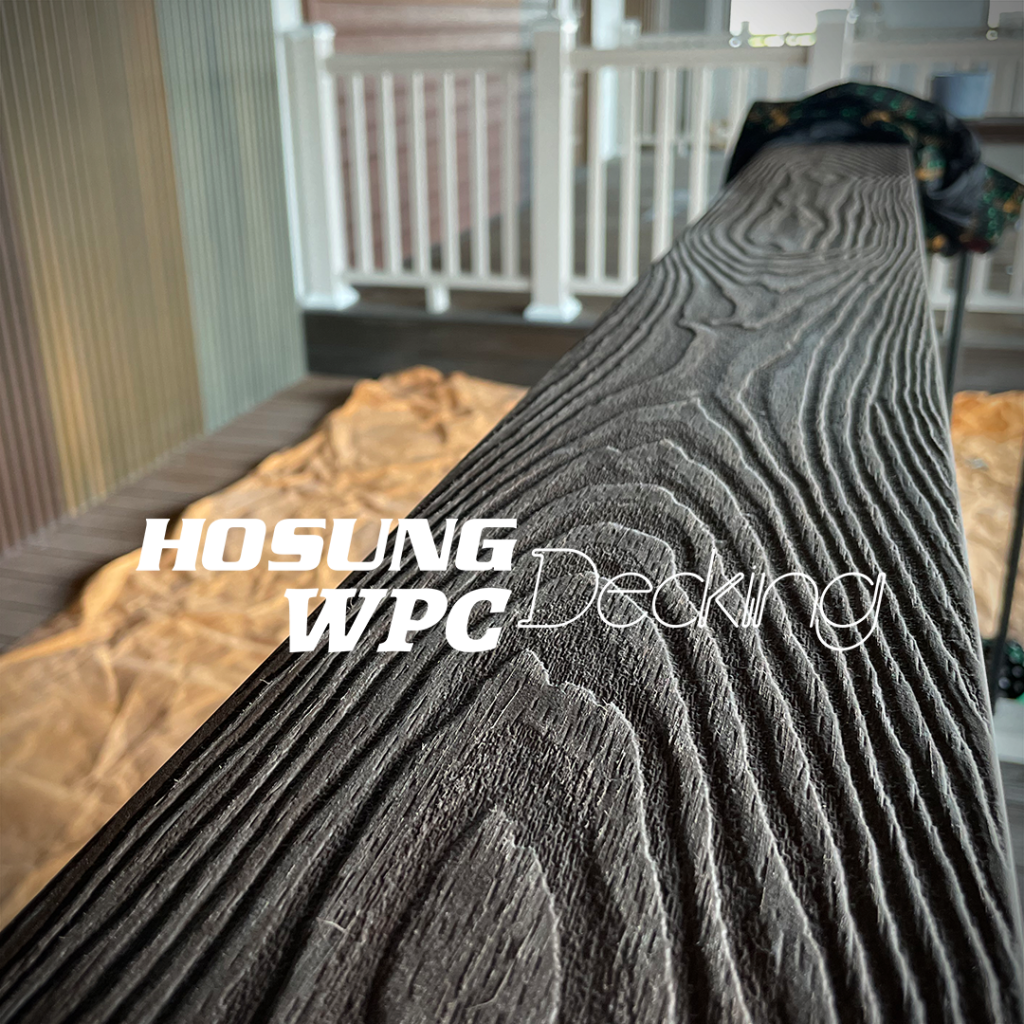
Table of Contents
What Is Composite Decking?
Composite decking is an outdoor flooring material generally manufactured from a combination of wood-based fibers, polymer materials, additives, and other components. The manufacturing process creates boards designed to provide the visual appeal of timber while improving resistance to moisture, insects, cracking, and everyday outdoor wear.
Unlike conventional timber, composite decking does not require the same level of routine staining, painting, or sealing. This makes it suitable for homeowners and commercial property owners who want an attractive outdoor surface without extensive maintenance.
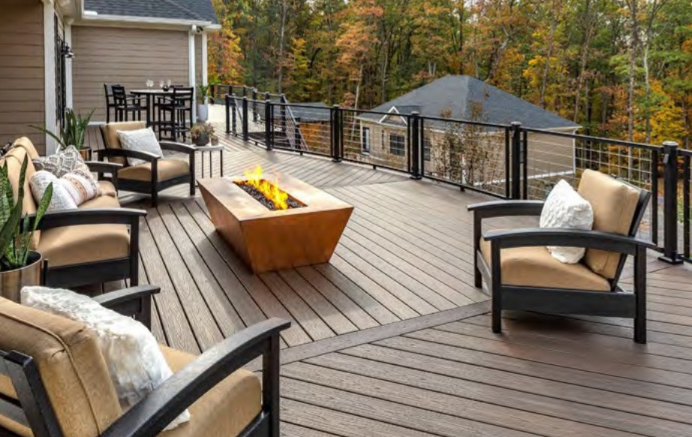
Composite decking boards are available in different profiles, colors, textures, dimensions, and surface finishes. Some products feature realistic wood-grain patterns, while others have contemporary smooth surfaces. Depending on the manufacturing process, boards may also be available as solid or hollow profiles.
Why Is Composite Decking Suitable for South African Projects?
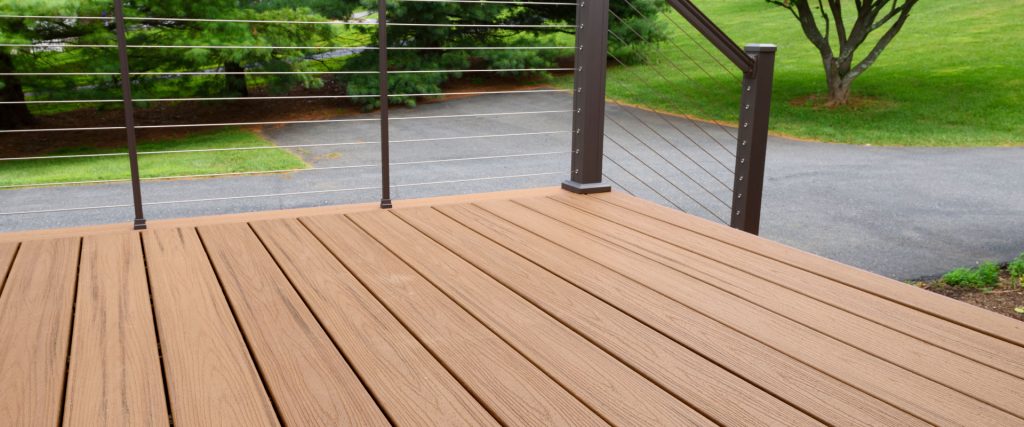
South Africa has a wide range of climates and environmental conditions. Outdoor construction materials may need to cope with strong sunlight, seasonal rainfall, humidity, temperature changes, and heavy foot traffic.
Composite decking can offer several useful characteristics for these conditions.
Resistance to Moisture
Traditional timber can absorb water, which may eventually contribute to swelling, warping, cracking, or decay if the material is not properly protected. Composite decking is designed to reduce moisture absorption and provide better dimensional stability in outdoor environments.
This makes it particularly useful around swimming pools, garden entertainment areas, balconies, terraces, and other locations where water exposure is common.
Reduced Maintenance
Wooden decking may require periodic sanding, staining, sealing, or painting. Composite decking generally requires simpler maintenance, such as regular sweeping and occasional cleaning with suitable cleaning products.
For commercial properties, reduced maintenance can be particularly valuable because maintenance work can involve labor costs and disruption to customers or residents.
Resistance to Insects
Wood-based materials can be vulnerable to termites and other insects. Polymer-based components in composite decking can help reduce this type of vulnerability. This is one reason composite materials are increasingly considered for outdoor construction and landscaping projects.
Consistent Appearance
Composite decking is manufactured under controlled production conditions, allowing manufacturers to maintain relatively consistent dimensions, colors, and surface patterns. This can help create a uniform appearance across large installations.
Important Product Specifications to Compare
When evaluating composite decking manufacturers south africa, buyers should look beyond appearance and price. Technical specifications can have a significant effect on product performance and installation.
Important specifications include:
- Board length
- Board width
- Board thickness
- Board weight
- Profile design
- Surface texture
- Material composition
- Water absorption
- Slip resistance
- UV resistance
- Flexural strength
- Temperature resistance
- Color options
- Installation system
- Recommended joist spacing
The appropriate specification depends on the application. Residential garden decking may have different requirements from a hotel terrace, restaurant outdoor area, public walkway, or commercial entertainment space.
Solid and Hollow Composite Decking Boards
One important decision is whether to choose solid or hollow decking boards.
Solid boards contain a more substantial material structure throughout their cross-section. They may provide a strong and substantial feel underfoot and can be suitable for demanding applications where durability is a priority.
Hollow boards contain internal cavities that reduce material consumption and overall weight. This can make transportation and handling easier while also providing an economical option for many residential and commercial projects.
Neither design is automatically suitable for every application. Buyers should consider expected loads, installation conditions, board dimensions, support spacing, climate, and project budget before making a decision.
Surface Design and Appearance
Appearance is another important consideration because decking often forms a major visual element of an outdoor space.
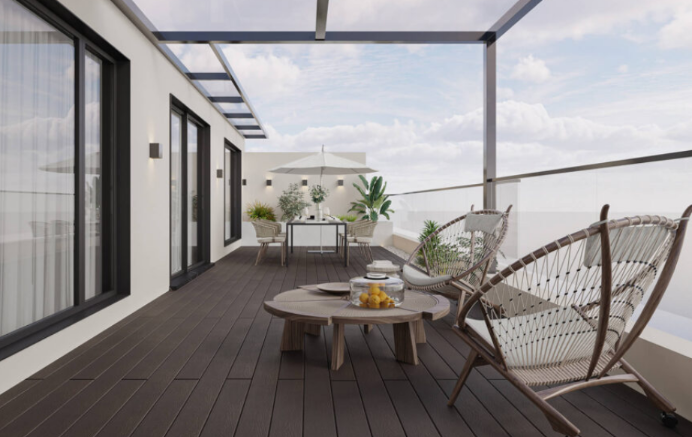
Modern composite decking can be produced in various colors, including natural wood-inspired shades, darker contemporary tones, and lighter neutral finishes. Some boards feature embossed wood grain, while others have a more minimalist surface.
For residential projects, the choice may depend primarily on personal preference and the architectural style of the property. Commercial projects may place greater emphasis on creating a consistent appearance across multiple areas.
Manufacturers may also offer different surface textures to improve visual appeal and potentially enhance slip resistance. Buyers should therefore evaluate both aesthetics and practical performance rather than selecting a product based only on color.
Manufacturing Quality Matters
When selecting among composite decking manufacturers south africa, manufacturing consistency should be one of the main evaluation criteria.
A reliable manufacturing process should control material mixing, extrusion, cooling, surface treatment, cutting, dimensional accuracy, and quality inspection. Poorly controlled production can result in variations in color, dimensions, surface quality, or mechanical performance.
Buyers should ask potential suppliers about their production equipment, quality control procedures, raw material standards, testing methods, and inspection processes.
It is also useful to request product samples before placing a large order. A physical sample can help buyers evaluate surface texture, color consistency, board rigidity, dimensions, and overall appearance.
Customization Options
Different projects may require different product specifications. Therefore, customization can be an important advantage when selecting a manufacturer.
Potential customization options may include:
- Board dimensions
- Length
- Color
- Surface texture
- Embossing pattern
- Profile structure
- Packaging
- Private labeling
- Special installation accessories
For large construction projects, customized dimensions can sometimes reduce cutting waste and improve installation efficiency. However, customization may involve minimum order quantities and longer production schedules, so these requirements should be discussed before ordering.
Accessories Are Part of the Decking System
Composite decking boards are only one component of a complete installation. A properly designed decking system may also require joists, clips, screws, edge profiles, fascia boards, corner components, and other accessories.
A supplier capable of providing compatible accessories can simplify procurement and reduce the risk of using components that do not fit correctly.
Buyers should confirm whether the recommended accessories are designed specifically for the selected board profile. Installation instructions should also clearly explain spacing, fastening methods, ventilation requirements, drainage, and expansion allowances.
How to Evaluate Supplier Capacity
A manufacturer may offer an attractive product, but production capacity is equally important for large projects.
Before placing an order, buyers should consider:
- Production capacity – Can the supplier manufacture the required quantity within the project schedule?
- Lead time – How long will production and preparation take?
- Quality control – Are products inspected during and after production?
- Packaging – Are boards adequately protected during transportation?
- Technical support – Can the supplier provide installation guidance and product information?
- Customization capability – Can specifications be adjusted when necessary?
- Export experience – Does the supplier understand international shipping and documentation requirements?
These factors can have a major impact on the total cost and success of a project.
Comparing Price and Total Project Cost
Price is naturally important, but the cheapest decking boards may not always produce the lowest overall project cost.
Buyers should consider the complete cost, including:
- Product price
- Shipping
- Installation accessories
- Labor
- Cutting waste
- Maintenance
- Replacement costs
- Expected service life
A higher-quality board may have a higher initial purchase price but provide better dimensional stability, appearance retention, and long-term performance. Conversely, an inexpensive product may create additional costs if boards need to be replaced or maintained more frequently.
For this reason, comparing total project value is generally more useful than comparing the price per square meter alone.
Applications for Composite Decking
Composite decking can be used across many different environments.
Residential Applications
Common residential applications include:
- Garden patios
- Pool surrounds
- Balconies
- Rooftop terraces
- Outdoor dining areas
- Garden pathways
- Entertainment platforms
The material can help homeowners create a comfortable outdoor living area while reducing routine maintenance.
Commercial Applications
Commercial uses can include:
- Hotels
- Restaurants
- Resorts
- Apartment developments
- Office buildings
- Shopping areas
- Public recreational spaces
Commercial environments often require materials that can tolerate frequent foot traffic while maintaining an attractive appearance.
Landscaping Projects
Composite decking can also be incorporated into landscaping designs. Raised platforms, garden walkways, seating areas, and decorative structures can all use decking boards as part of a broader outdoor design.
Questions to Ask Before Ordering
Before choosing one of the composite decking manufacturers south africa, buyers should prepare a list of technical and commercial questions.
For example:
- What materials are used in the decking boards?
- What board sizes are available?
- Are solid and hollow profiles available?
- What colors and surface textures can be supplied?
- What are the recommended installation conditions?
- What accessories are available?
- What is the minimum order quantity?
- What is the standard production lead time?
- Can samples be provided?
- What quality tests are performed?
- What packaging is used for transportation?
- Can customized products be manufactured?
Clear answers to these questions can help buyers compare suppliers more objectively.
Choosing the Right Manufacturing Partner
Selecting composite decking manufacturers south africa requires a balanced evaluation of product quality, technical specifications, manufacturing capacity, customization, accessories, delivery capability, and overall cost.
The ideal supplier should be able to understand the requirements of the project rather than simply provide a standard product catalog. For residential applications, appearance and ease of installation may be the highest priorities. For commercial developments, durability, consistency, supply capacity, and long-term value may be more important.
Buyers should compare samples, technical specifications, certifications where applicable, production capabilities, packaging methods, and commercial terms before making a final decision.

Final Thoughts
Composite decking offers a practical solution for modern outdoor spaces because it combines attractive appearance with durability, reduced maintenance, and flexible design possibilities. As demand for patios, pool areas, balconies, terraces, hospitality spaces, and commercial outdoor environments continues to develop, reliable manufacturing and supply capabilities remain essential.
When researching composite decking manufacturers south africa, do not focus exclusively on the initial product price. Examine material quality, board construction, surface finish, dimensions, manufacturing consistency, customization options, accessories, technical support, and delivery capabilities.
A careful supplier evaluation can help ensure that the selected decking system meets both the visual expectations and technical requirements of the project. With the right product and installation approach, composite decking can provide a durable and attractive outdoor surface suitable for a wide variety of South African residential, commercial, and landscaping applications.